



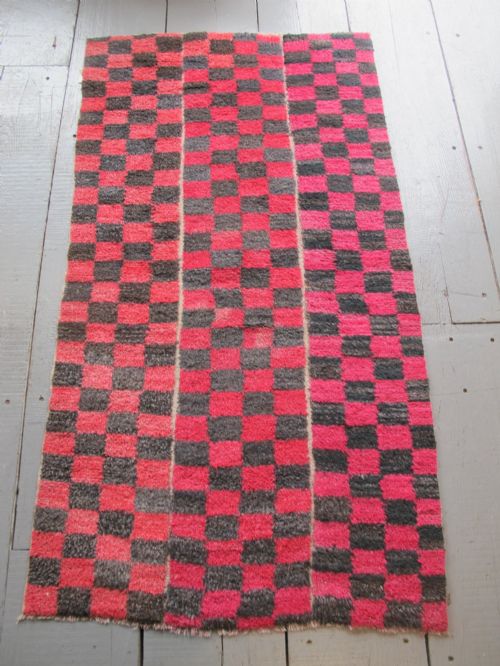


Antique Pink Carpet
When an antique pink carpet catches the eye, it brings the warmth of historic wool and natural dye into a room.
Antique Pink Carpet
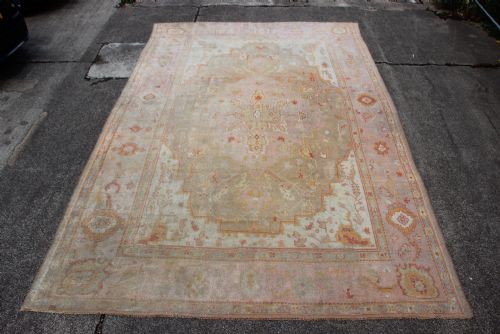
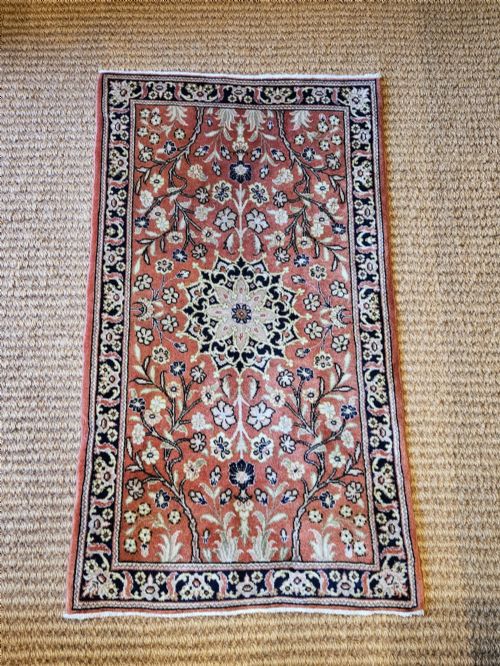
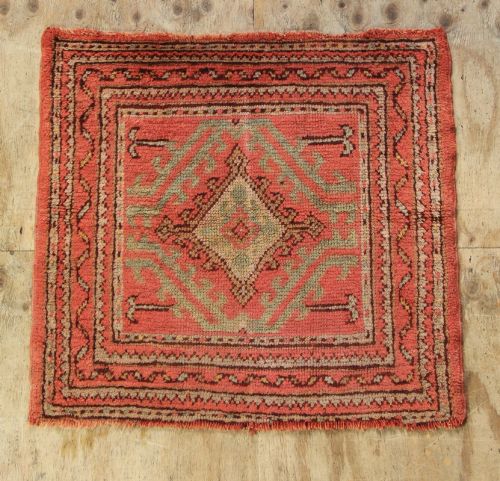
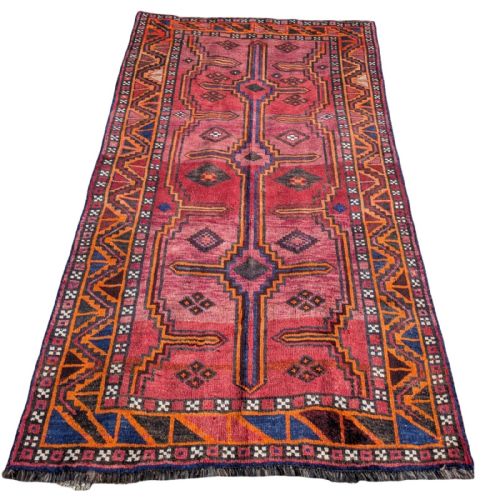
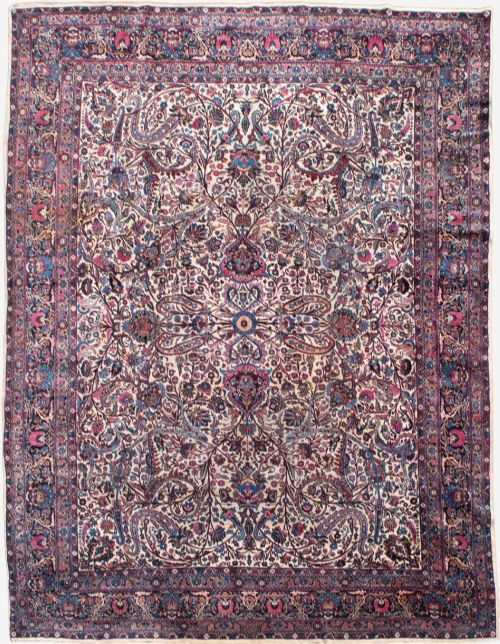
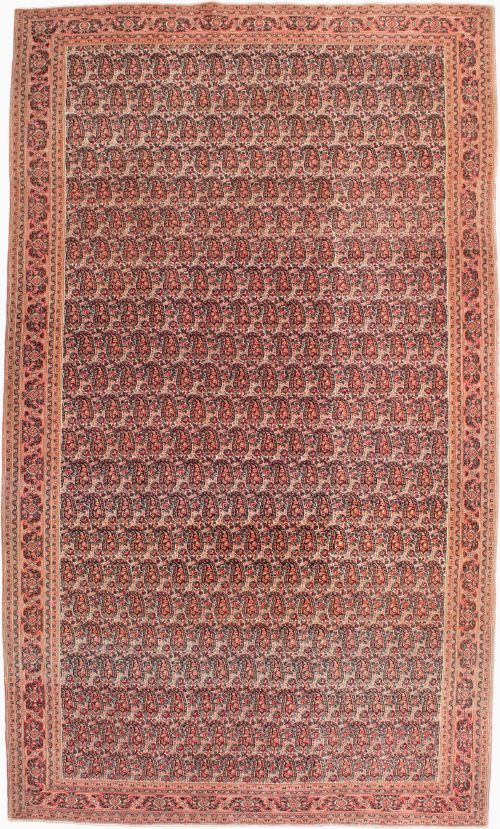
An antique pink carpet encompasses woven floor coverings and rugs originating from Persian, Turkish, Caucasian, and European workshops dating from the nineteenth century into the early twentieth century. These textiles feature soft rose, madder, and faded terracotta ground colours achieved through traditional dyeing methods.
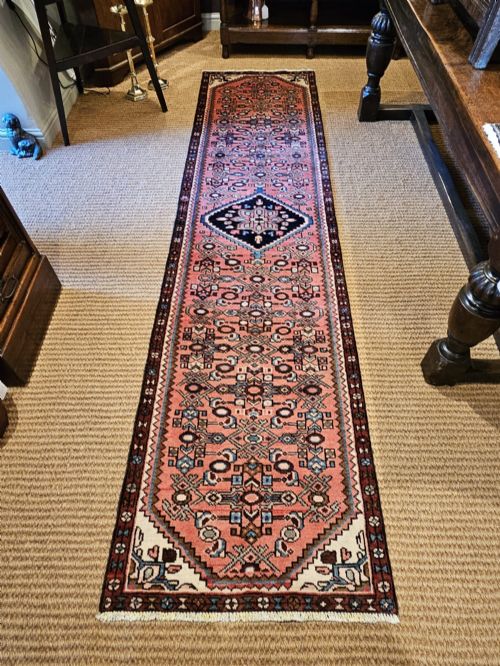
The selections available include large room-size carpets from Oushak and Kirman alongside smaller village rugs woven by Kurdish, Hamadan, and Malayer makers. Buyers frequently encounter Turkish Oushak carpets and Persian room rugs displaying floral or geometric motifs upon pink and salmon fields.
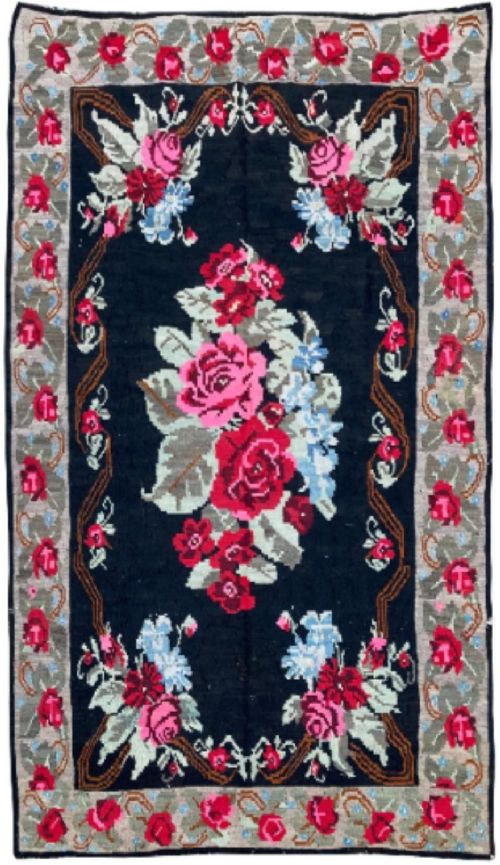
Forms range from generous chamber carpets measuring over four metres to compact mats, runners, and meditation rugs. Each piece reflects the regional weaving traditions of its origin, spanning Persian city centres, Anatolian towns, and Caucasian corridors.
How they were made
The foundation and pile rely primarily on spun wool and cotton, utilised across Persian, Turkish, and Caucasian traditions. Artisans knotted the pile by hand onto cotton or wool warp and weft threads, ensuring structural resilience in daily use.
Dyes derived from natural sources interact with wool fibres over generations to produce the muted pink and salmon tones seen in these textiles. Hand weaving techniques varied by region, employing symmetrical or asymmetrical knots alongside flatweave methods found in kilims and tapestries.
Several Tibetan meditation rugs appear alongside grand room carpets, proving that antique weavers understood the profound comfort of a small pink landing place.
What varies in quality
The fineness of the knotting and the complexity of the design define the upper tier of these textiles. Master weavers in centres such as Kirman or Oushak employed dense foundations that allowed for intricate floral curves and balanced medallions.
The integrity of the wool pile and the depth of the natural dye patina determine visual richness. Surviving pieces retain structural stability in the foundation while showing an even, softened wear that unites the pink ground tones.
The Antique Pink Carpet Glossary
- Oushak
- A style of Turkish carpet originating from the town of Ushak, known for relaxed floral designs and soft wool. These rugs often display muted pink or terracotta fields.
- Kirman
- A Persian weaving tradition associated with fine city carpets featuring elaborate floral compositions. They are frequently rendered in gentle pastel palettes including pink and ivory.
- Kilim
- A flatwoven textile produced without a pile, created by tightly interweaving warp and weft strands. Examples include Caucasian and Anatolian nomadic work.
- Madder
- A natural red dye derived from the root of the Rubia plant, utilised to create pink, red, and terracotta tones in historical rugs. Over time, exposure to light softens these colours.
- Warp
- The vertical threads stretched tightly on a loom that form the structural skeleton of the carpet. The knotted pile is tied around these stationary foundation strings.
Antique Pink Carpet: Frequently Asked Questions
How do I clean an antique pink carpet?
Gentle surface vacuuming without a beating brush removes embedded dust from the wool pile. Professional specialist cleaning remains essential for addressing deeper soil without disturbing historical dyes.
Water exposure must be strictly managed to prevent dye migration in natural madder or insect-derived pinks. Allowing air circulation beneath the textile preserves the original cotton and wool foundation.
Can I place these rugs in high traffic areas?
Thick wool construction provides natural durability for moderate walking routes within a home. Placing a quality underlay beneath the textile prevents lateral slipping and cushions the foundation threads against hard floors.
Rotating the piece periodically ensures even exposure to sunlight and foot traffic. Lighter meditation rugs and delicate tapestries suit low traffic rooms or wall placement.
How do I identify an Oushak carpet?
Oushak carpets typically feature looser, larger knotting with lustrous wool that absorbs natural dyes into soft pastel and pink shades. The ornamentation often highlights large-scale floral motifs, medallions, or geometric vines.
Unlike precise city workshops, these Anatolian weaves favour an artistic, open composition. The Turkish origin is further indicated by the handle of the wool and the structure of the foundation.
What causes the pink colour in antique rugs?
Dyers historically utilised madder root extracts, sometimes combined with insect-based cochineal or iron mordants, to fix red and pink tones onto wool. Centuries of gentle fading from light and washing soften these organic hues into subtle rose and salmon shades.
Uneven fading across the field contributes to the desired antique patina. This gradual tonal shift distinguishes natural dyes from twentieth-century synthetic alternatives.