


Pastel Anatolian Carpet
A pastel anatolian carpet brings muted warmth to a room through faded dyes and traditional Turkish weaving.
Pastel Anatolian Carpet
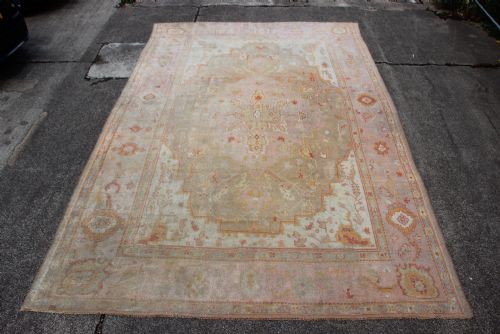
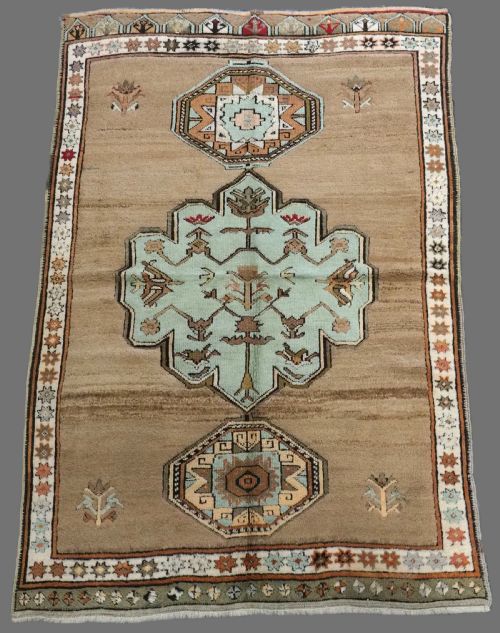
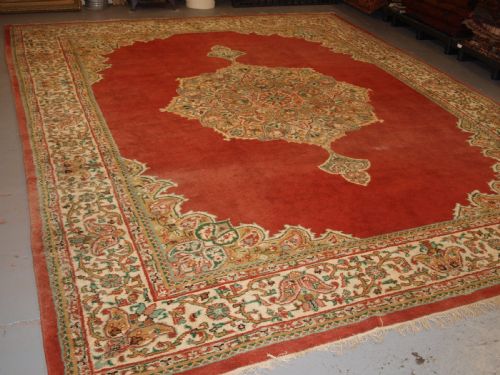
A pastel anatolian carpet combines traditional Turkish regional weaving traditions with softened colour palettes, often featuring gentle pinks, light reds, and pistachio grounds. These floor coverings span from the late nineteenth century into the early twentieth century, incorporating classic medallion designs and prayer formats.
The selections available here range from large room-sized room carpets measuring several metres across down to smaller area rugs and prayer formats. Pieces associated with Oushak, Kayseri, Konya Karapinar, Sivas, Isparta, and Panderma represent the regional styles most frequently encountered on this page.
Buyers seek these textiles for their ability to anchor a space without overwhelming existing furnishings through bright primary colours. The worn tones and classical Anatolian motifs provide a historic grounding for both traditional and contemporary interiors.
Materials and construction methods
Weavers constructed these carpets primarily using wool and cotton foundations, occasionally employing camel wool fields for natural warmth and texture. Silk also appears in specific regional weaving centres like Kayseri, creating finer pile surfaces with distinct reflective qualities.
Natural dye degradation over decades produced the characteristic soft tones valued by modern collectors today. Hand-knotted pile construction anchored to sturdy warp and weft threads ensured lasting structural integrity for everyday use.
The listings span five decades of production, running from the 1880s through to 1920.
Factors determining quality
Knot density and material selection dictate the structural refinement of each piece, distinguishing simple village work from finer city workshop production. Silk examples achieve higher visual and tactile detail compared to standard wool carpets.
The balance of the design, the preservation of original borders, and the harmonious fading of the soft colour palette determine the visual success of the carpet. Surviving edge finishes and even pile retention across the field reflect the care a rug received over its lifespan.
The Pastel Anatolian Carpet Glossary
- Medallion
- A central ornamental motif dominating the field of the carpet. This classical design element often anchors symmetrical floral or geometric patterns.
- Prayer rug
- A smaller format rug featuring a mihrab or niche design at one end, traditionally used for individual prayer. These pieces display distinct directional layouts.
- Warp
- The vertical threads stretched lengthwise on the loom that carry the structural foundation of the rug. Fringe ends typically reveal these underlying threads.
- Weft
- The horizontal threads passed back and forth across the warp threads to secure the knots in place. This material forms the grid structure of the textile.
Pastel Anatolian Carpet: Frequently Asked Questions
How do I clean an antique carpet?
Professional gentle dusting and specialist washing preserve the natural wool or silk fibres. Avoid harsh chemical treatments that strip the aged dyes.
Regular light vacuuming without a rotating brush bar prevents dirt accumulation in the pile. Keep the rug out of direct, harsh sunlight to maintain the soft pastel shades.
Can I place these rugs in heavy traffic areas?
Wool and camel wool pieces handle moderate foot traffic well due to the resilience of the natural animal fibres. Thicker pile rugs endure hallway or living room placement comfortably.
Delicate silk pieces suit low-traffic spaces like bedrooms or decorative wall displays. Using a quality underlay prevents sliding and reduces friction against the floor.
What defines an Oushak carpet?
Oushak carpets originate from the historic West Anatolian weaving town, known for larger scale floral designs and relaxed geometry. They frequently employ a looser knotting style.
The resulting aesthetic pairs well with understated interiors due to the softly rendered pigments. These carpets form a distinct category among Turkish floor coverings.
How do I date an older Turkish rug?
Examination of the dye palette, wool quality, and structural wear patterns provides clues to the period of origin. Stylistic shifts between late nineteenth-century productions and 1920s pieces offer further markers.
Regional weaving signatures and structural characteristics also help narrow down the decade of manufacture. Comparing piece construction against documented examples builds reliable attribution.