



Vintage Turkish Oushak
These vintage turkish oushak rugs bring monumental scale and muted, weathered palettes straight from Western Turkey into modern rooms.
Vintage Turkish Oushak
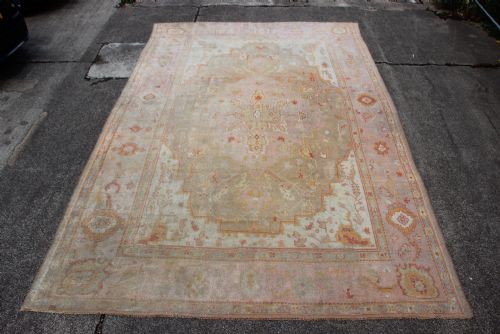
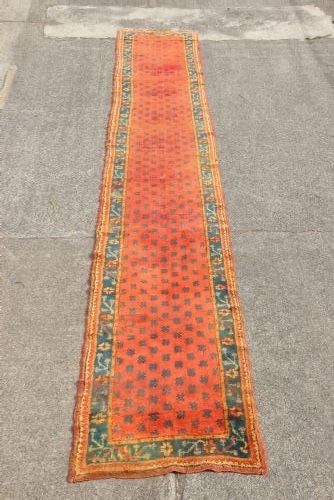
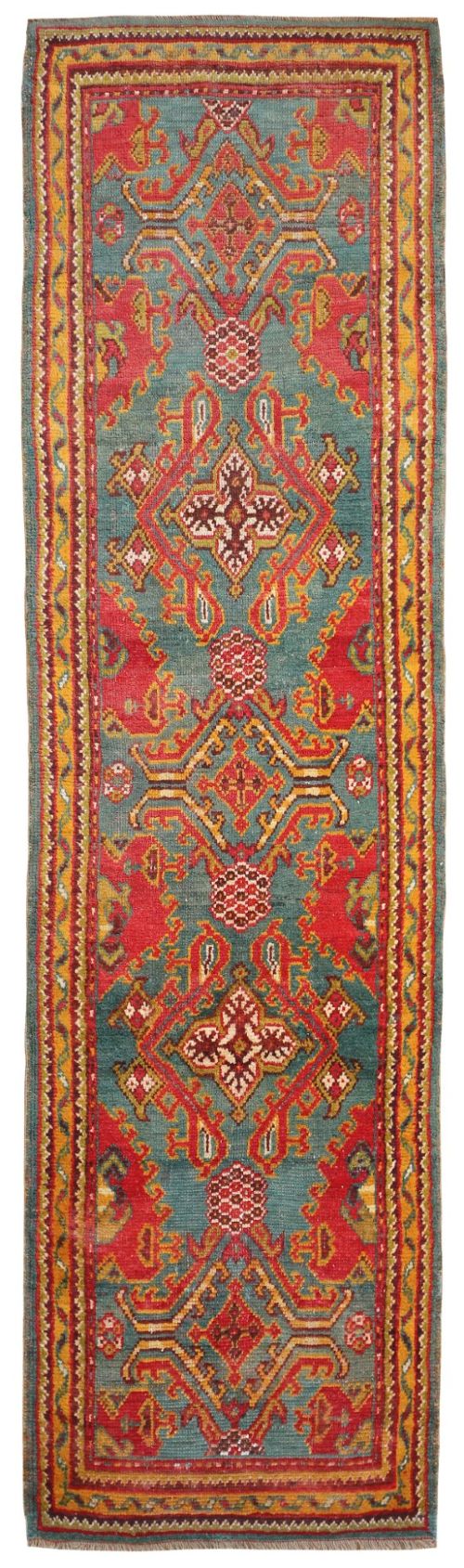
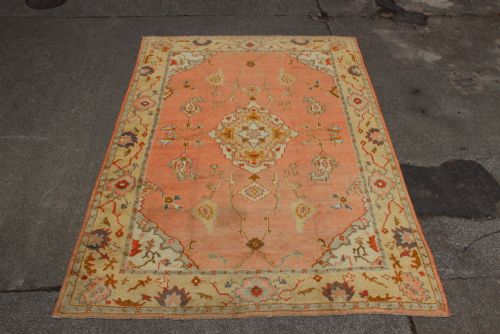
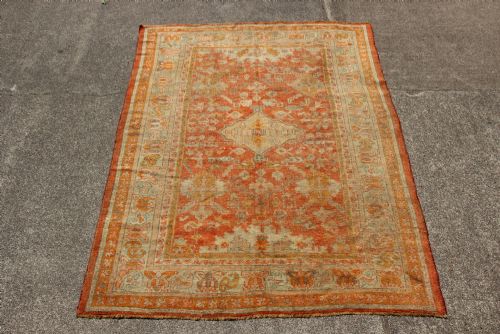
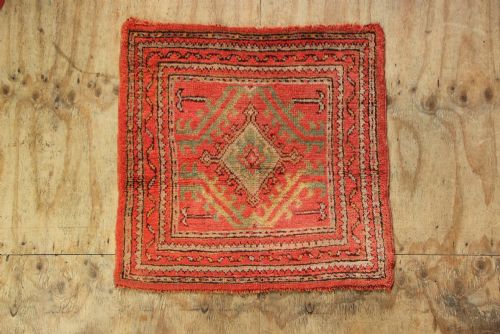
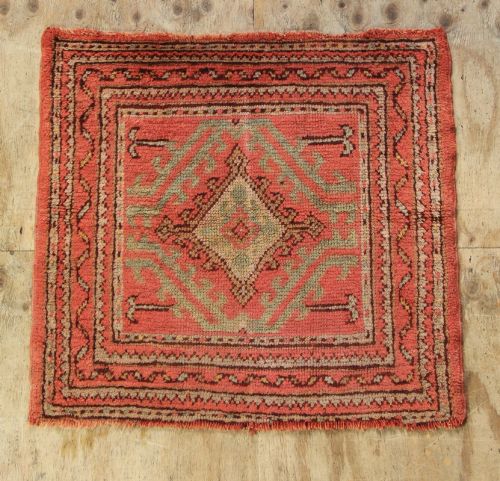
When you search for vintage turkish oushak, you encounter floor coverings woven in Western Turkey during the late nineteenth and early twentieth centuries. These pieces span substantial room-size carpets, narrow runners, square formats, and smaller mats.
The selections on this page predominantly feature large carpets and long runners originating from the Victorian era up through the nineteen-twenties. Buyers typically select them for their generous proportions and subdued, decorative presence in domestic spaces.
How they were made
Weavers knotted wool and cotton by hand, occasionally incorporating angora wool for added softness in the pile. Foundations generally rely on sturdy cotton or wool yarns to support the dense hand-knotted surface.
The construction methods yield resilient textiles designed for heavy use, maintaining flexibility across large formats like expansive carpets and narrow runners.
What varies in quality
Quality rests upon the fineness of the knotting and the balance of the composition across large expanses of wool. Carpets with crisper drawing and harmonious colour fading command stronger visual authority.
The integrity of the foundation yarns and the evenness of the wear pattern dictate the lasting character of each piece. Skilled handling of dyes creates the gentle patinas valued in these Anatolian textiles.
The Vintage Turkish Oushak Glossary
- Oushak
- A traditional weaving centre in Western Turkey renowned for large-scale floral and geometric carpet designs. These pieces often utilise softer colour palettes than other regional styles.
- Ghiordes
- A Anatolian weaving region and knot type utilised in historic Turkish carpet production. This symmetrical knot secures the pile firmly to the foundation.
- Kilim
- A flat-woven textile lacking a raised pile, produced without knotting. These pieces offer lighter weights and distinct geometric patterns.
- Angora wool
- A soft fibre gathered from Angora goats, occasionally blended into the pile for a silkier handle. It adds a subtle lustrous sheen to the surface.
- Runner
- A long, narrow carpet format designed for corridors and staircases. They provide linear continuity through transitional spaces.
Vintage Turkish Oushak: Frequently Asked Questions
Where were these rugs made?
These textiles originate from Western Turkey, specifically around the historical production hub of Oushak and surrounding Anatolian districts.
Local workshops utilised traditional hand-knotting techniques passed down through generations.
How do I clean an oushak carpet?
Professional specialist cleaning is essential for antique wool and cotton rugs to protect the delicate dyes and natural fibres.
Routine care involves gentle vacuuming without a rotating brush to prevent friction damage to the pile.
Are these runners suitable for hallways?
The narrow runner formats are specifically proportioned for corridors, hallways, and narrow transitional areas in the home.
Their durable hand-knotted wool construction handles regular foot traffic while softening hard floor surfaces.
What period do these pieces date from?
The items listed span the late nineteenth century through the early twentieth century, encompassing Victorian and Edwardian periods.
Dates generally range from eighteen-eighty to nineteen-twenty based on stylistic evidence and structural traits.