
Antique Pine Pew
An antique pine pew brings rugged, functional character into a modern hallway or kitchen, offering honest timber seating with centuries of history.
Antique Pine Pew
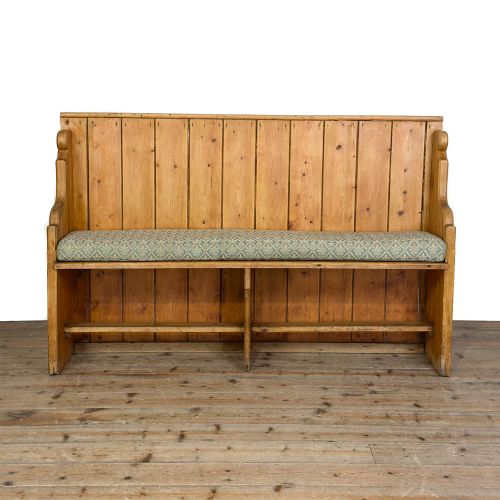
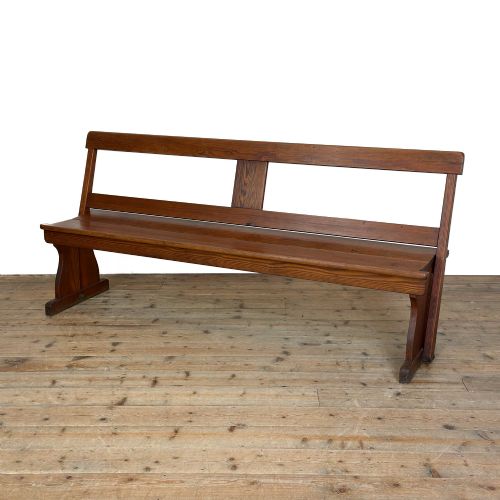
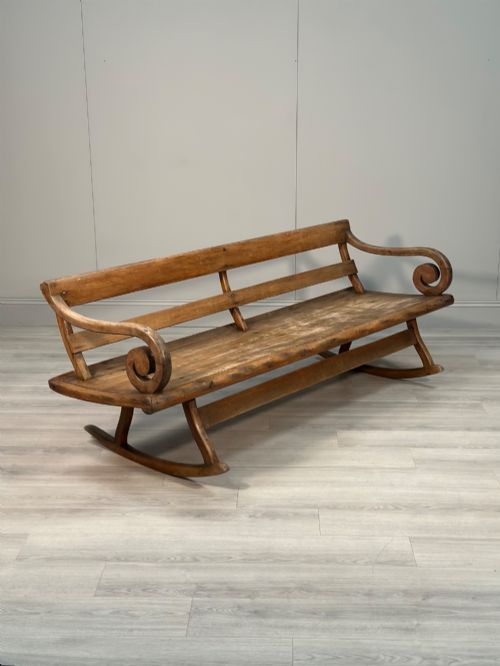
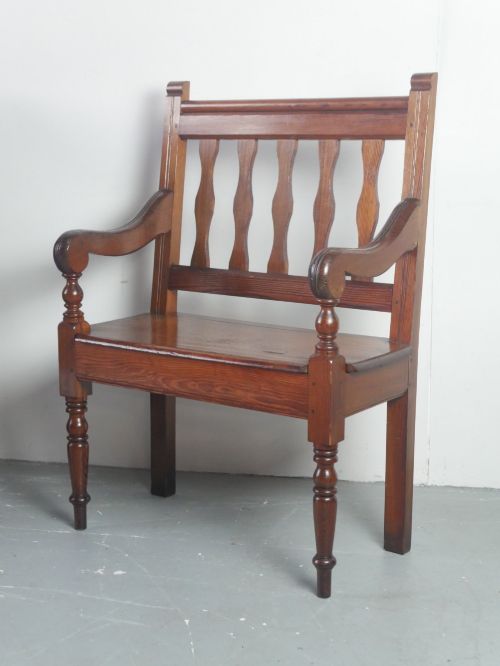
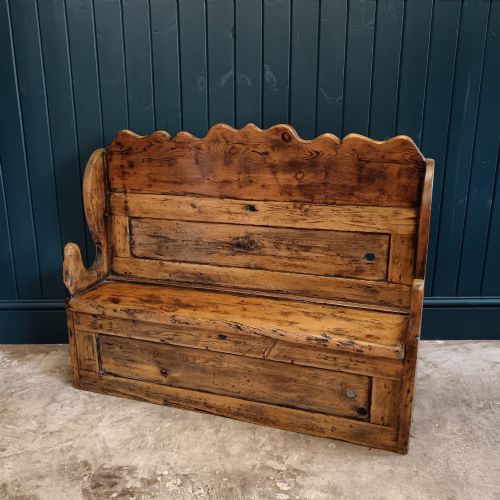
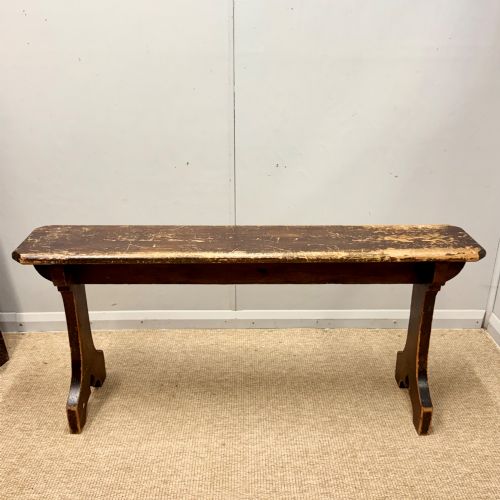
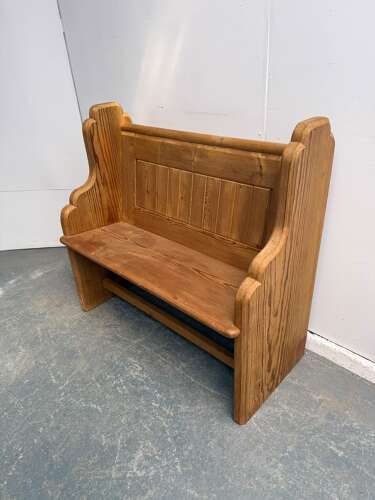
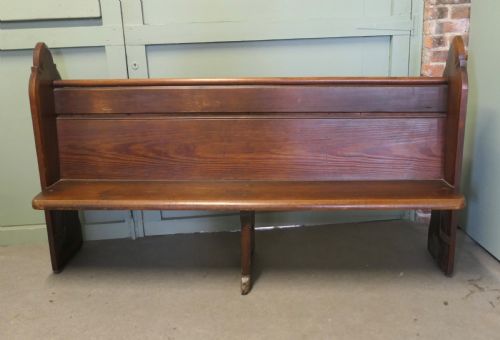
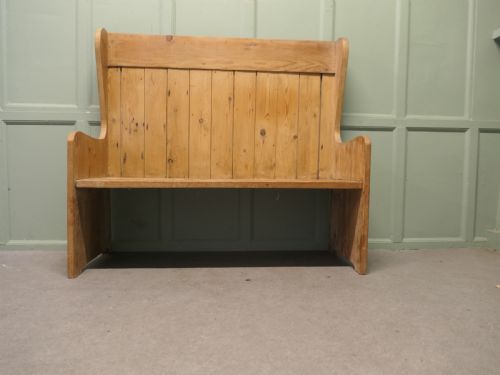
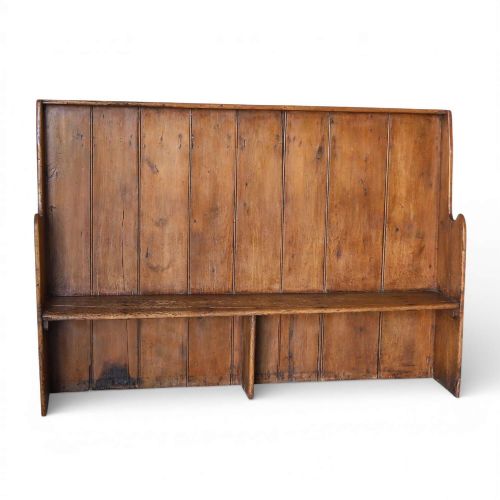
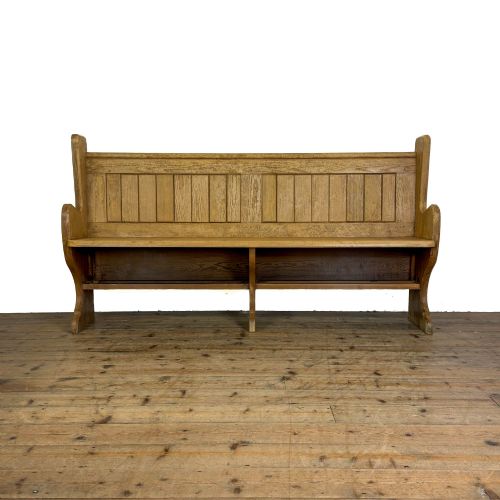
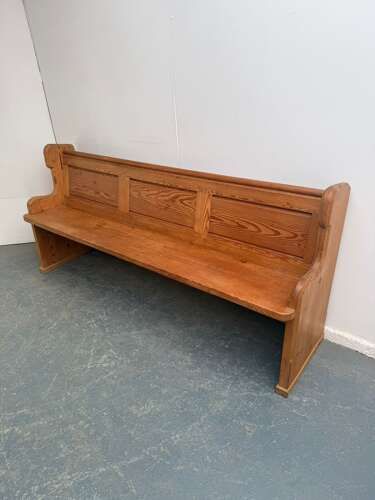
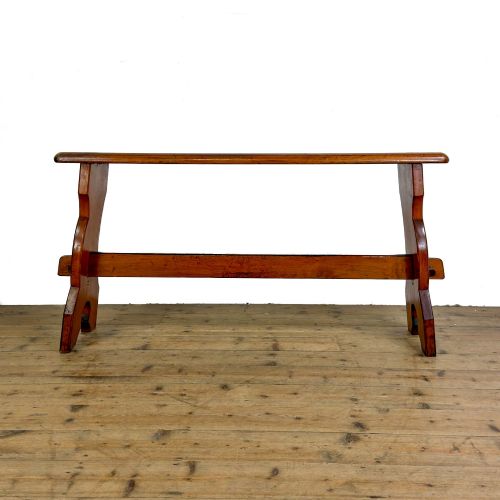
When you search for an antique pine pew, you encounter robust linear seating built originally for ecclesiastical, domestic, or tavern use. The majority of pieces appearing here originate from the nineteenth and early twentieth centuries, spanning straightforward chapel benches to high-back settles.
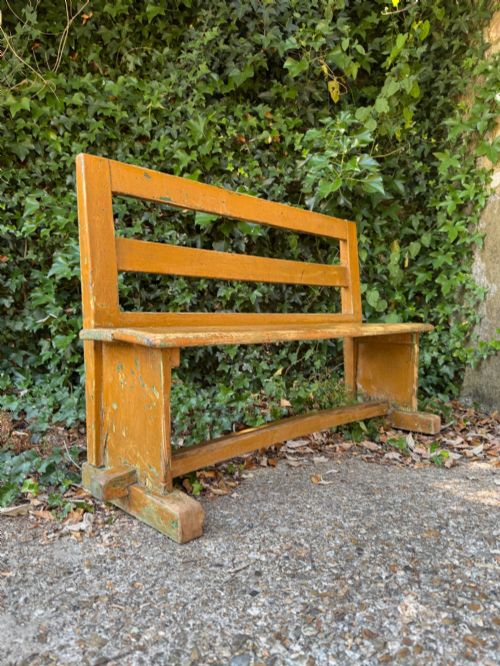
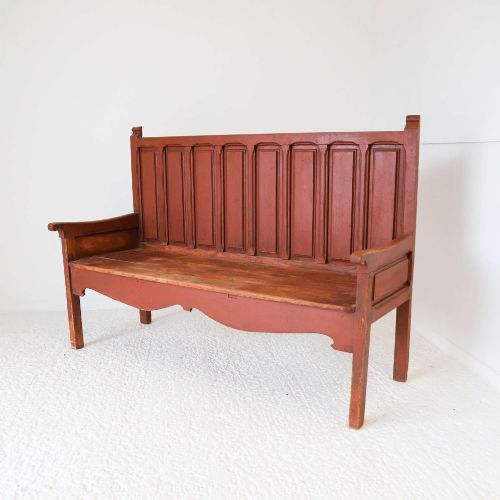
The selections divide broadly between church and chapel pews designed for rows, and domestic settles featuring high backs or enclosed box bases to block draughts. Pitch pine variants sit alongside standard deal and painted timber examples, reflecting diverse regional workshops across Britain and Europe.
How they were made
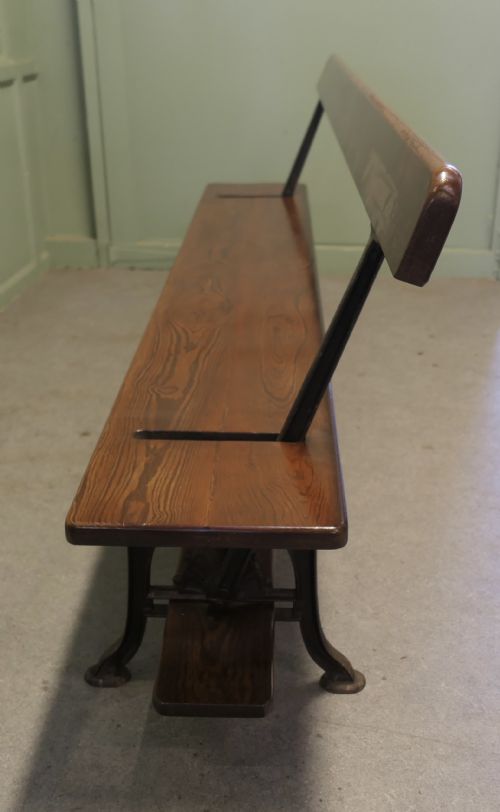
Constructed primarily from solid pine and dense pitch pine, these benches rely on traditional joinery such as pegged mortise and tenon joints to withstand heavy daily use. Workshops frequently utilised iron brackets, cast iron fittings, or fabric additions for operational elements like flip-over mechanisms and folding seats.
Surfaces finished with wax develop a deep honey brown patina over decades of handling, while other examples retain original layers of blue, cream, or decorative paint. Timber boards were selected for durability, often showing the natural knots and grain patterns typical of country furniture.
Listings feature nineteenth-century and Edwardian pieces, ranging from simple church pews to painted Hungarian box settles.
What varies in quality
The quality of an antique pine pew rests upon the integrity of its original timber and the cleverness of any mechanical design, such as a smoothly operating reversible back. Pieces retaining their unstripped surface finishes, whether early wax patination or original paintwork, command greater regard among collectors.
Proportions also dictate distinction, as slimmer hallway variants and high-back settles with intact box storage compartments demonstrate finer utility than standard utilitarian church seating cut down from longer rows.
The Antique Pine Pew Glossary
- Pitch pine
- A dense, resinous variety of pine timber known for its pronounced grain pattern and superior durability, commonly utilised in Victorian ecclesiastical seating.
- Settle
- A wooden bench featuring a high back designed to block cold draughts, frequently incorporating a box seat base for storage.
- Patina
- The surface sheen and colour depth developed on wood over years of handling, polishing, and natural ageing.
- Flip-over pew
- A bench equipped with a reversible backrest that pivots to allow seating facing in either direction, often found in tram cars or specific chapel settings.
- Box settle
- A form of enclosed bench where the seat lifts to reveal a storage compartment underneath.
Antique Pine Pew: Frequently Asked Questions
Where did these pews originate?
The pieces originate from various communal and domestic settings, including country churches, Methodist chapels, village pubs, and schools.
Craftsmen built them locally using accessible softwoods to provide durable communal seating before mass manufacturing standardisation.
How do I style a church pew at home?
An antique pine pew fits naturally in narrow hallways, against dining tables, or placed along a kitchen wall to maximise floor space.
Their linear profiles allow them to sit flush against walls, while the high backs of settles create distinct zones in open living areas.
What is the difference between standard and pitch pine?
Standard pine uses softer, lighter deal timbers that readily accept paint and wax finishes, displaying a paler hue.
Pitch pine contains a high resin content, resulting in a heavier, harder wood with a distinctively dramatic, striped grain pattern.
How can I date an antique pine pew?
Dating relies on construction methods, tool marks left by saws, and the specific style of the woodwork, such as Victorian Gothic detailing or Arts and Crafts simplicity.
Examining the depth of the surface patina and underlying hardware provides further clues to whether a piece dates to the nineteenth or early twentieth century.