
Antique Pine Doors
Antique pine doors bring architectural character to an interior, whether fitted as room entries or salvaged for cabinetry.
Antique Pine Doors
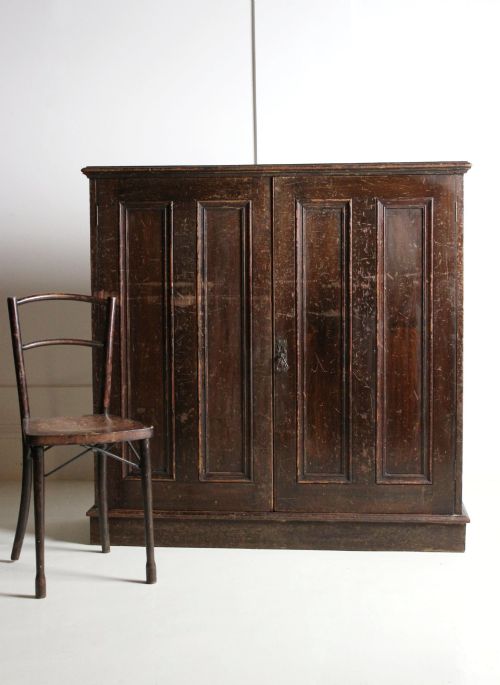
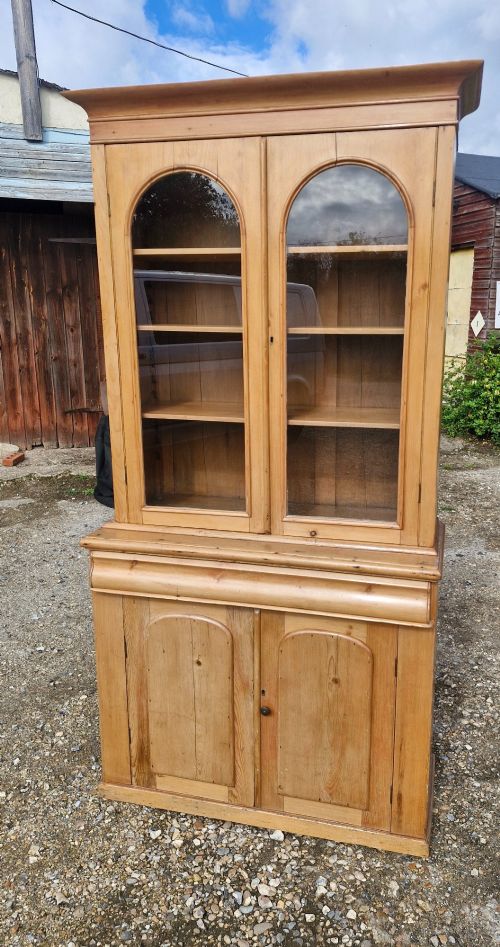
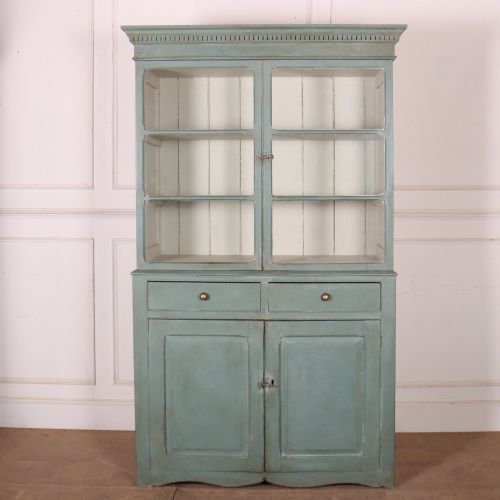
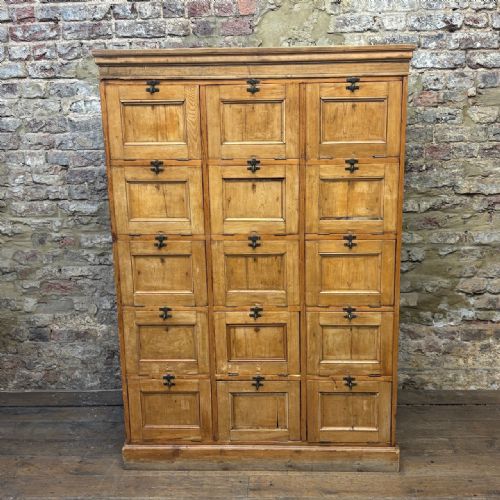
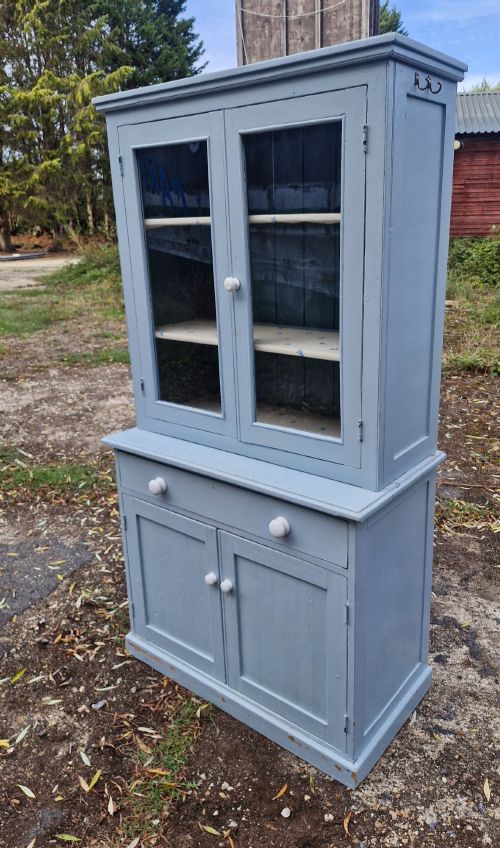
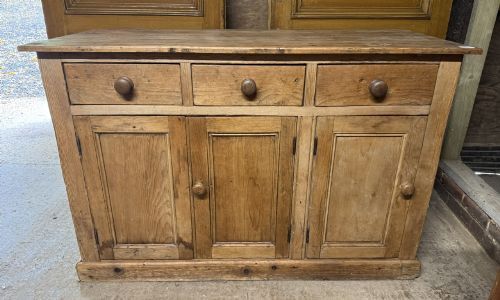
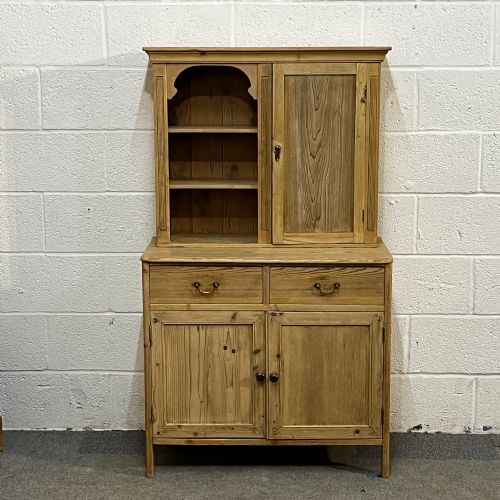
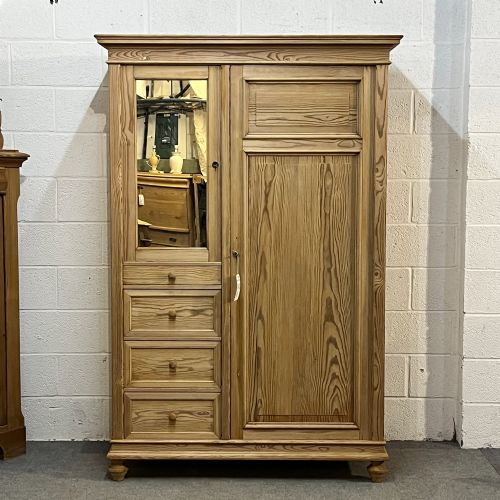
When searching for antique pine doors, buyers find architectural elements alongside large storage items that feature multiple doors. The selection spans the Georgian period through to the 1930s, encompassing French provincial pieces, country styles, and industrial designs.
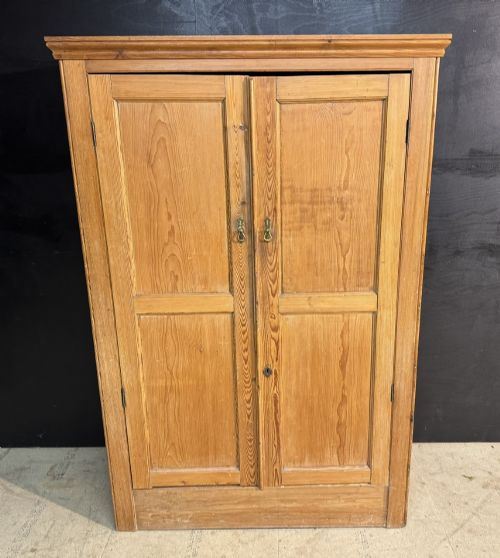
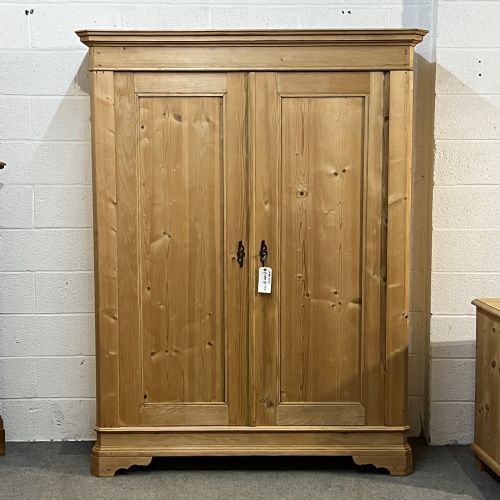
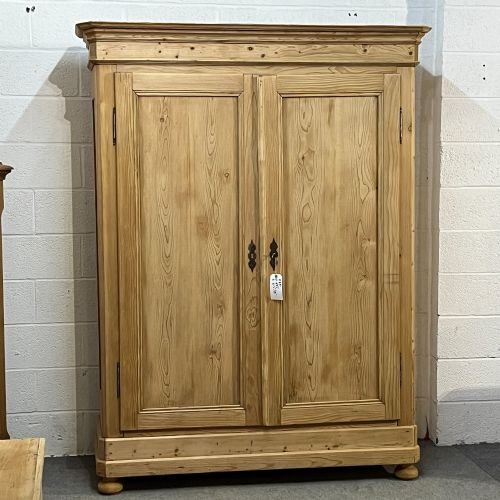
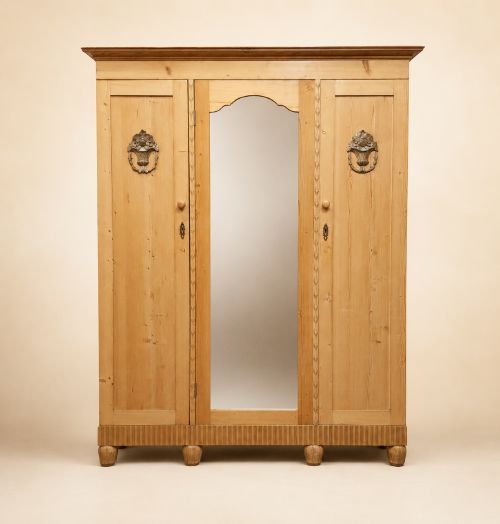
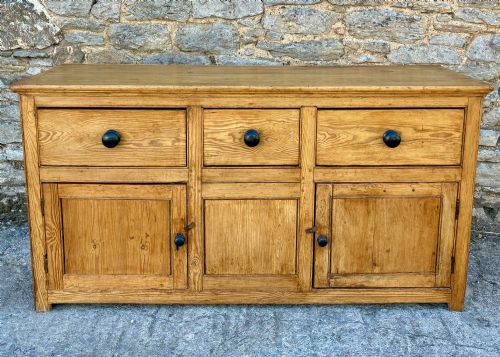
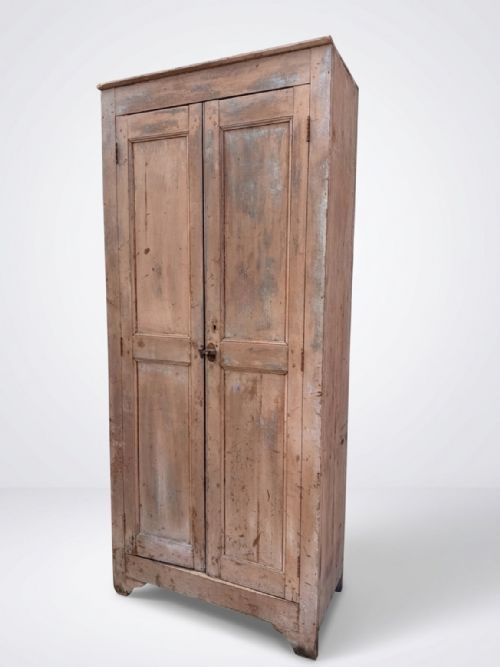
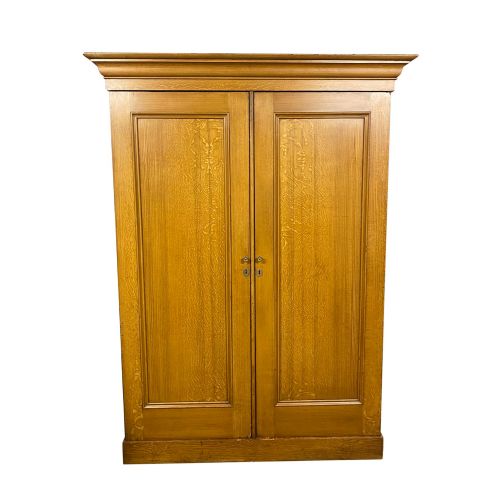
The most common finds on this page include large wardrobes, multi-door cupboards, and kitchen dressers, alongside pairs of architectural doors designed for rooms or overdoors. These pieces originate from various domestic and institutional settings, showing decades of honest wear.
How they were made
Construction relies primarily on solid pine, shaped with iron, brass, and glass fixtures to form robust panels, frames, and glazed sections. Surfaces often retain layers of historical paint, scumble finishes, or wax treatments applied over decades of use.
Joinery techniques span traditional panel framing and knockdown builds that allowed large wardrobes to be dismantled for transport. Cabinet makers utilised local timber alongside imported Oregon pine, integrating metal hardware and occasionally carved detailing.
Styles range from Victorian country and French provincial to Scottish country, Gothic revival, and rustic farmhouse.
What varies in quality
Quality rests upon the integrity of the timber framing and whether original architectural hardware remains intact. Pieces that retain their early surface treatments, such as scumble paintwork or genuine period glass, hold greater distinction.
Proportion and scale dictate the appeal of larger wardrobes and dressers, where balanced door panels and clean lines elevate the construction. The depth of the timber and the precision of the original joinery distinguish standard utility items from finer examples.
The Antique Pine Doors Glossary
- Scumble
- A decorative paint technique used to imitate finer timbers like oak through translucent glazing layers. It creates a textured, faux-wood appearance common on nineteenth-century furniture.
- Knockdown
- A piece of furniture constructed to be taken apart into sections for easier transport and installation. This method was particularly popular for large Victorian wardrobes.
- Compactum
- A multi-compartment wardrobe combining hanging space, drawers, and shelving within a single footprint. These space-saving units gained popularity during the Victorian and Edwardian eras.
- Locker cabinet
- An industrial storage unit fitted with numerous small doors, often originating from institutional or commercial settings. They provide robust modular storage.
- Overdoor
- An architectural panel or decorative door positioned immediately above a standard room doorway. They were frequently painted or carved to match interior schemes.
Antique Pine Doors: Frequently Asked Questions
How do I care for waxed pine furniture?
Maintain waxed pine surfaces by applying a traditional bees-wax polish periodically to nourish the wood and preserve the finish. Avoid placing pieces near direct heat sources or in damp conditions to prevent the timber from warping.
Dust regularly with a soft, dry cloth rather than using silicone-based sprays that can build up on the historic surface over time.
Can knockdown wardrobes be assembled easily?
Knockdown wardrobes were deliberately engineered to be taken apart and rebuilt using simple internal bolts or wedges. This modular construction makes them practical for navigating tight stairwells and narrow hallways during installation.
Take care to align the panels correctly and tighten fixings evenly to ensure the doors hang square within the frame once erected.
How do I identify a Gothic Revival pine piece?
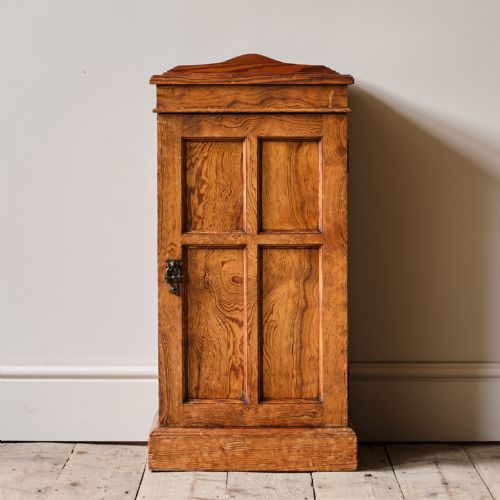
Gothic Revival furniture often incorporates pointed arch motifs, cusped panels, and elongated wrought-iron hinges inspired by medieval architecture. These details appear on various items from pot cupboards to church doors dating from the mid-nineteenth century onwards.
The timber is frequently heavier and the proportions taller, designed to create a sense of verticality and solemn architectural presence within domestic spaces.