


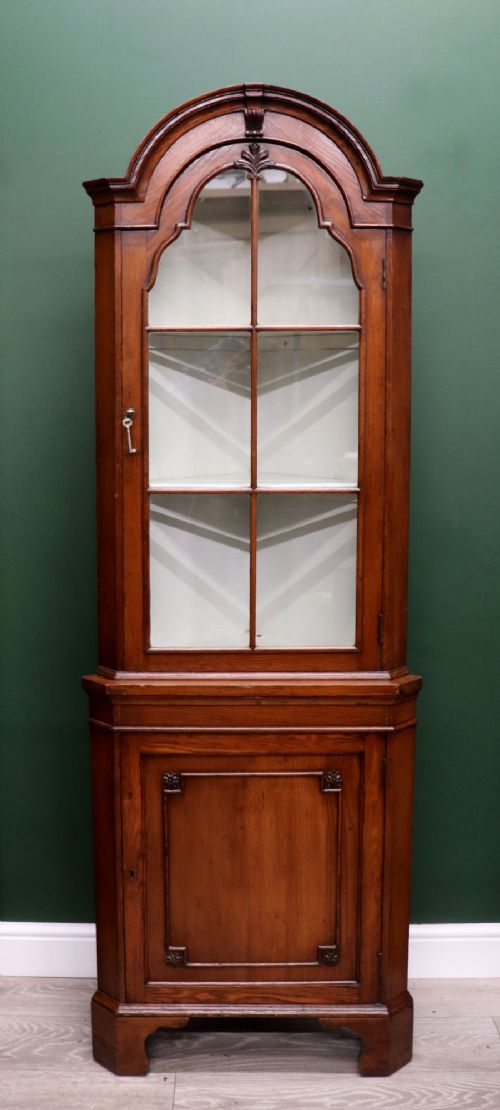


Early 20th Century Doors
Early 20th century doors offer practical architectural division and period character, bringing solid timber and glass into domestic spaces.
Early 20th Century Doors
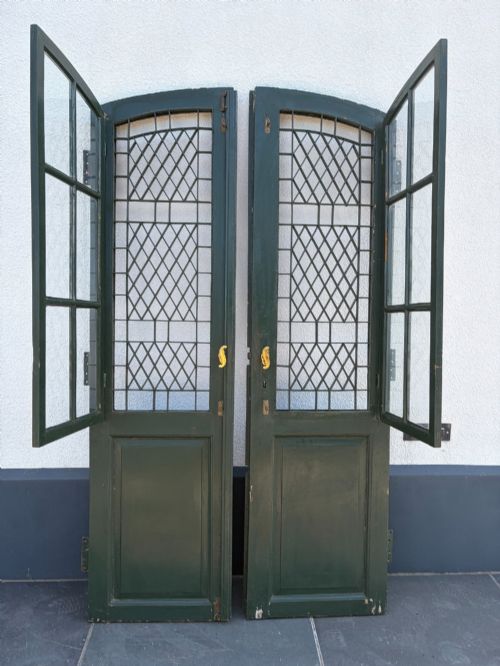
When you search for early 20th century doors, you are looking at architectural and furniture elements that span from the Edwardian era through the 1930s. The selection includes architectural items like arched pine French doors alongside cabinet and cupboard closures.
The pieces on this page reflect the styles and materials typical of the period, ranging from utilitarian office furniture to domestic joinery. Buyers will find items constructed in oak, pine, and mahogany, with various glazing and panel configurations.
Makers and joiners of this era utilised traditional timber construction methods alongside contemporary revival styles. The resulting items combine functional utility with the aesthetic preferences of the early decades of the twentieth century.
Materials and construction
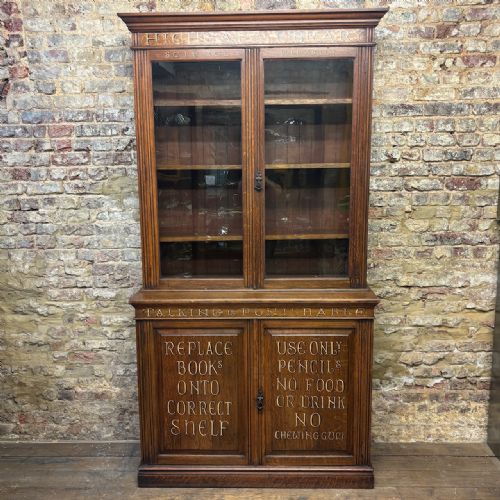
Joinery from this period relies on solid timbers such as oak, pine, mahogany, and walnut, often combined with brass hardware. Glass is frequently incorporated into panels for display cases and cabinet fronts.
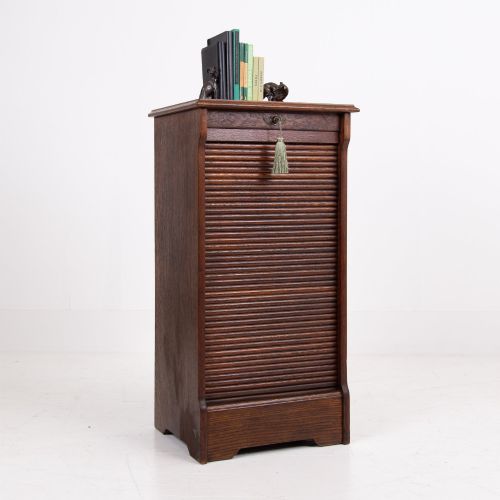
Construction techniques include traditional framing and panel assembly for architectural doors, alongside specialised mechanisms like tambour slats for office cabinets. Surface finishes range from polished mahogany and figured walnut to painted pine.
Early 20th Century Doors Retail Price Guide 2026
Typical asking prices for early 20th century doors among the pieces listed under this phrase on Sellingantiques today, from the lower quarter to the upper quarter. They describe what is for sale here now, not the wider market.
Office filing solutions of the era relied on clever tambour slats that rolled quietly out of sight.
Assessing quality
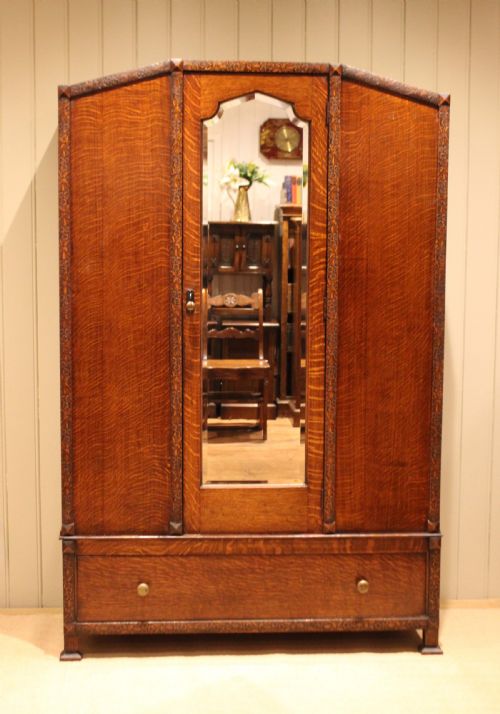
The distinction between standard utility items and finer pieces lies in the selection of timber and the execution of details such as carved ornamentation or marquetry inlay. Figured veneers and satinwood inlay elevate simple carcasses into decorative focal points.
Hardware selection and internal fitting also indicate the grade of a piece, with heavy brass handles and well-fitted drawer boxes demonstrating superior manufacture. The integration of glazed panels and leaded stained glass requires precise joinery skills.
Edwards & Roberts
The Early 20th Century Doors Glossary
- Tambour
- A flexible shutter made of narrow strips of wood glued to canvas, allowing doors to slide around a curved track on office cabinets.
- Astragal
- A moulding attached to the meeting stile of double doors or used to divide panes of glass within a glazed door frame.
- Breakfront
- A piece of furniture where the central section projects forward from the flanking sections, creating depth in large bookcases and cabinets.
- Marquetry
- Decorative patterns formed by the insertion of pieces of contrasting wood into a veneered surface.
Early 20th Century Doors: Frequently Asked Questions
What periods do these doors represent?
The items span the Edwardian period and the early decades of the twentieth century, including pieces from the 1910s, 1920s, and 1930s.
Design influences across these decades include Georgian Revival, Art Deco, and Swedish Grace.
How are pine and oak doors finished?
Pine examples are frequently found painted or in their natural waxed state, suiting domestic and farmhouse settings.
Oak versions typically display the natural grain, sometimes enhanced with carving or fumed treatments popular in the early part of the century.
Are glazed doors common in this era?
Glazed panels appear frequently in bookcases, display cabinets, and specific architectural formats like French doors.
Clear glass, leaded sections, and astragal bars are all utilised to divide the light.
What styles influence early twentieth century joinery?
Makers drew upon a wide historical vocabulary, producing work in Jacobean Revival, Queen Anne Revival, and Sheraton Revival styles.
At the same time, simpler utilitarian forms emerged for office environments, such as tambour front filing cabinets.