





Salvaged Entrance Doors
These salvaged entrance doors bring genuine architectural character and history to a home.
Salvaged Entrance Doors
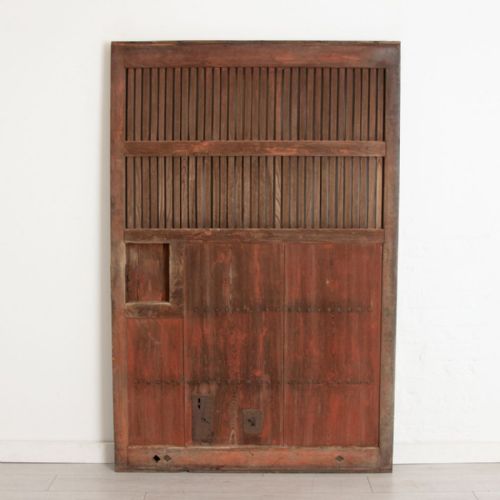
When you search for salvaged entrance doors, you are looking at substantial historical barriers and architectural elements that once graced chapels, stores, chateaux, and grand homes. These pieces range from towering chapel doors to intricate French Chateau sets and substantial Japanese storehouse portals, offering an authentic sense of place and past craftsmanship.
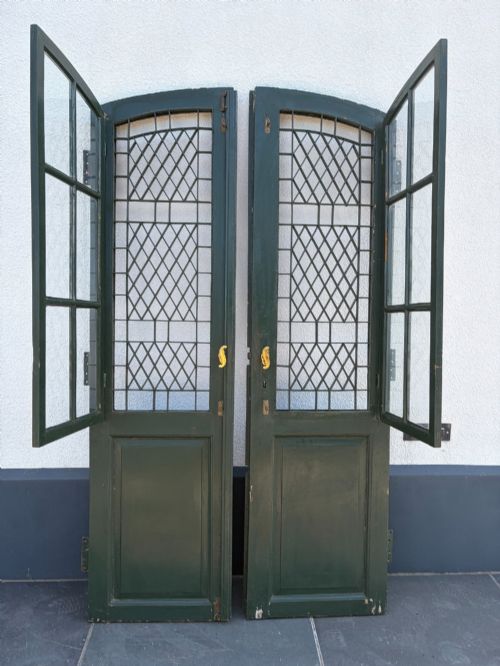
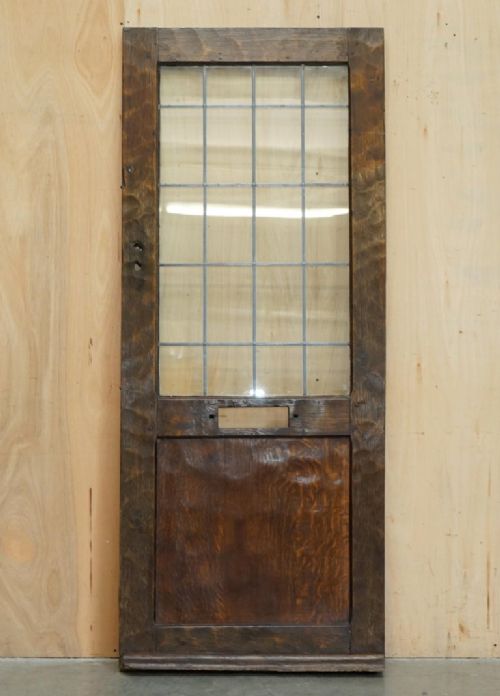
You are most likely to meet sturdy pine and oak examples dating from the Victorian and early twentieth-century periods. These include arched top French doors, complete vestibule screens, and monumental chapel entrances fitted with decorative ironwork.
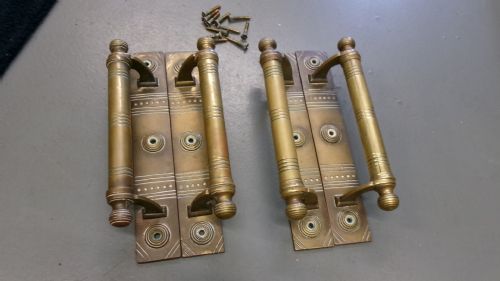
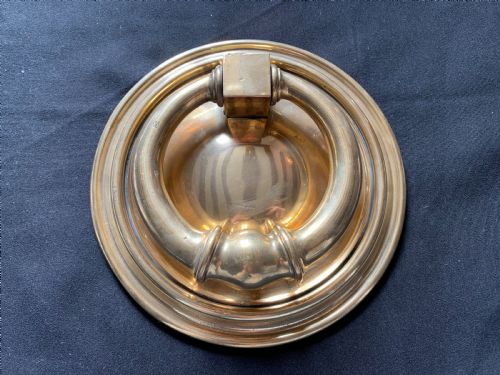
Beyond the primary timber panels, the category encompasses smaller functional hardware such as brass door handles, shop door pulls, and heavy brass knockers. Each item preserves the patina of use, whether originating from Georgian townhouses, Arts and Crafts properties, or Art Deco ballrooms.
Materials and construction methods
The primary construction relies on robust native timbers such as pine and oak, frequently configured in heavy framed panels or tall arched formats. These woods provided the necessary structural integrity for large exterior portals and interior vestibule screens designed to withstand decades of daily use.
Metalwork played a crucial structural and decorative role, incorporating wrought iron bracing, lead, and cast bronze alongside heavy brass handles and knockers. Artisans integrated glass panels and crystal elements into specific styles like Art Deco pulls and Victorian screens to introduce light into entranceways.
Salvaged Entrance Doors Retail Price Guide 2026
Typical asking prices for salvaged entrance doors among the pieces listed under this phrase on Sellingantiques today, from the lower quarter to the upper quarter. They describe what is for sale here now, not the wider market.
The listings on this site span materials from simple pine and oak to heavy bronze, crystal, wrought iron, and lead.
Factors of quality and distinction
The distinction between standard utility items and exceptional architectural pieces rests in the scale, integrity of the original timber, and the ambition of the design. Monumental dimensions, such as ten-foot heights or monumental paired formats, separate ordinary domestic panels from grand architectural statements.
Quality also resides in the survival of original decorative details, such as intricate wrought ironwork, specialised period hardware by named workshops, or unusual regional forms like Japanese storehouse construction.
Robert Mouseman Thompson
The Salvaged Entrance Doors Glossary
- Architectural salvage
- Building components removed from older structures for reuse in new settings. This practice preserves historical materials ranging from massive wooden portals to decorative metal hardware.
- Vestibule screen
- An internal partition featuring doors that creates an enclosed entry space within a larger room. These screens often combine timber frames with glass panels.
- Wrought iron
- Iron that has been heated and shaped with hand tools by a blacksmith. It is known for its fibrous texture and durability, frequently seen on heavy chapel doors.
- Arts and Crafts
- A design movement valuing traditional craftsmanship and honest construction over mass production. Pieces from this era often feature simple, robust materials and thoughtful hardware.
Salvaged Entrance Doors: Frequently Asked Questions
How do I choose the right size?
Measure your structural opening carefully, accounting for both height and width before selecting a monumental pair or a single entry panel. Keep in mind that older doors often require professional carpentry to fit modern framing.
Consider whether you intend to use the piece as a functional exterior entrance, an interior partition, or a decorative architectural screen within a room.
How are these doors finished?
Many listings show timber in its original salvaged state, retaining decades of weathered patina, historic paint layers, or stripped pine surfaces. Some pieces arrive fully restored while others preserve their raw, aged character.
Assess whether the existing finish suits your interior design or if you prefer a surface that shows the authentic wear of its previous architectural life.
Can I use antique doors outside?
Many of these pieces were originally built as exterior front or back doors, constructed from durable timbers like oak and pine to withstand the elements. However, placement depends on the specific wood type, current condition, and exposure to weather.
Consult with a builder regarding appropriate weatherproofing, sealing, and threshold adaptations to protect historic timber in modern exterior settings.
What hardware comes included?
Some listings offer complete entrance assemblies that include original brass handles, elaborate knockers, or crystal pull grips. Other pieces consist solely of the wooden panels or screens.
Check the specific description to see if period-appropriate hardware is attached or if you need to source separate handles and hinges.