



Antique Pierced Glass Bowl
An antique pierced glass bowl combines intricate metalwork with coloured liners, bringing bright hues and openwork frames to your table.
Antique Pierced Glass Bowl
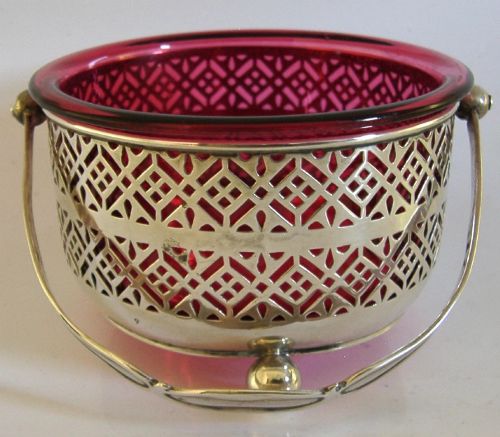
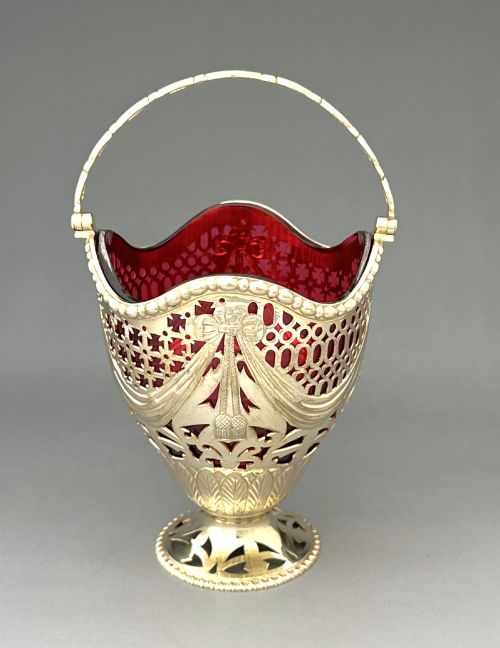
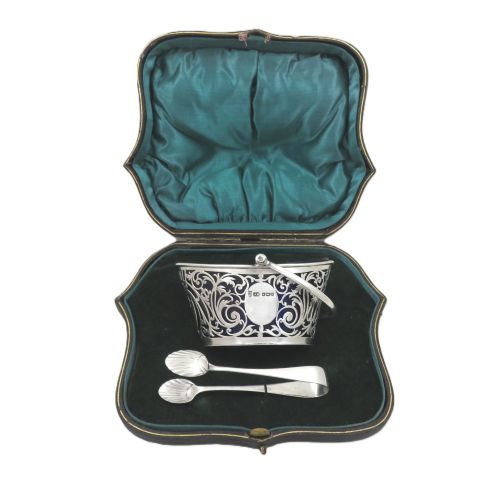
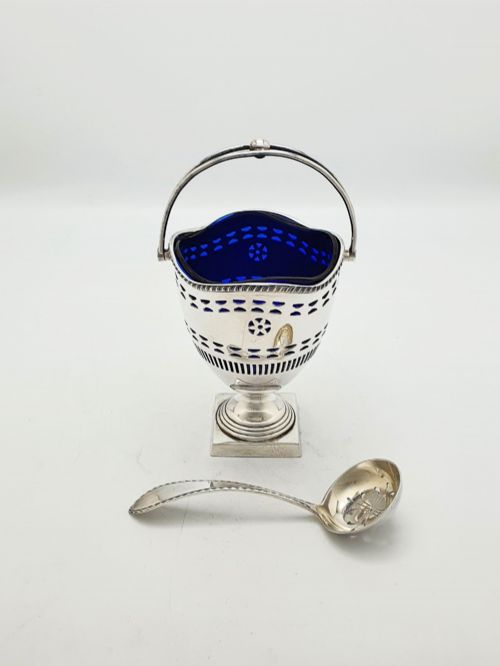
An antique pierced glass bowl typically takes the form of a sugar basket, cream pail, or dessert dish designed for formal dining. You will frequently encounter Edwardian and Victorian examples featuring removable glass liners encased in openwork frames.
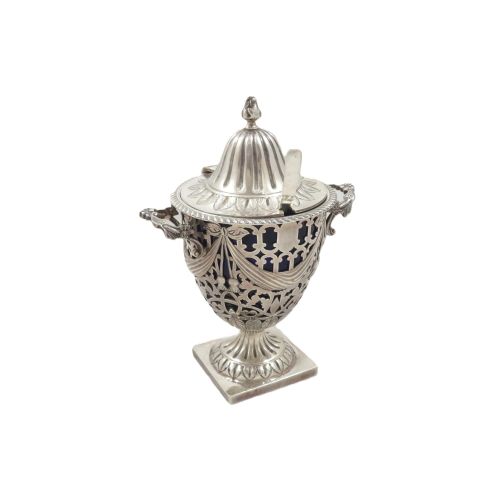
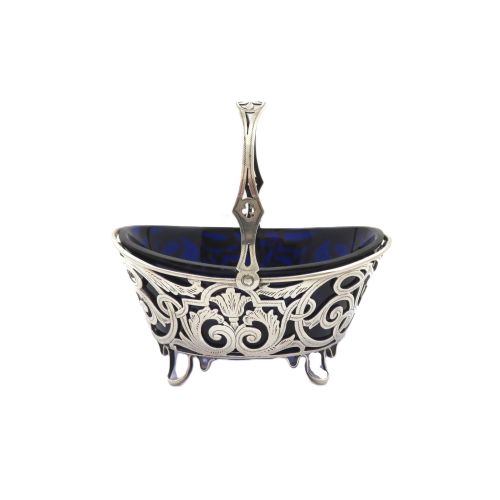
The objects span sugar baskets with swing handles, lidded urns, and large centrepiece bowls. Pieces range from the eighteenth century through the Art Deco period, with Edwardian and Victorian items appearing most often.
Origins vary from English workshops to German and Belgian makers. Most listings combine a precious metal frame, such as sterling silver or silver plate, with contrasting cobalt, cranberry, or ruby glass inserts.
Materials and construction methods
Makers utilised sterling silver, silver plate, and silver-gilt to construct the pierced frames that hold the vessels. These metal mounts were pierced or cut away to create openwork patterns, supported by cast floral handles or swing arms.
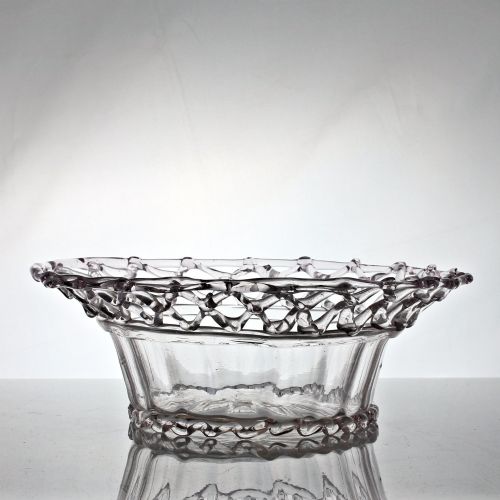
Vessels feature blown and cased glass inserts in cobalt blue, cranberry, and ruby tones. Certain items incorporate rock crystal or plain clear glass alongside the coloured liners to contrast with the polished metal.
Listings span four centuries, featuring Georgian, Victorian, Edwardian, and Art Deco eras alongside German Historicism styles.
Quality factors in craftsmanship and metalwork
The calibre of an antique pierced glass bowl rests on the crispness of the metal piercing and the weight of the silver frame. Cast details, such as floral handles or figural elements, display greater definition in higher grade pieces.
The depth of colour and clarity in the glass liner influence the overall standard of the object. Complete sets that retain their original matched glass insert and associated components hold greater integrity.
Aldridge and Green·Viners·William Comyns·George Fox
The Antique Pierced Glass Bowl Glossary
- Pierced
- Metalwork that has been cut through to create open decorative patterns. This technique lightened the appearance of heavy silver frames.
- Swing handle
- A movable arch attached to the rim of a basket by pins or hinges. It allows the vessel to be lifted easily during table service.
- Silver-gilt
- Silver that has been coated with a thin layer of gold on its surface. This treatment provides a warm yellow lustre to the interior or exterior of the metal mount.
- Dish ring
- A spool-shaped stand, often pierced, designed to elevate bowls on the dining table. They frequently appear in Irish and English silver traditions.
- Cranberry glass
- A rich pinkish-red glass created by adding gold chloride to the molten batch. It is commonly found in Victorian tableware liners.
Antique Pierced Glass Bowl: Frequently Asked Questions
How do I clean the glass liner?
Remove the glass insert from the metal frame before washing it in warm soapy water. Avoid harsh abrasives that might scratch the surface of cranberry or cobalt glass.
Keep silver polish away from the glass to prevent chemical residue build-up in the pierced interstices of the metal mount.
Were these bowls used for sugar?
Many pierced vessels served as sugar baskets or cream pails during formal tea and dessert services. The openwork frame allowed guests to view the colourful glass insert held within.
Larger versions functioned as centrepieces, potpourri baskets, or dessert dishes depending on their depth and the presence of a lid.
How do I identify an Edwardian piece?
Edwardian items date from the reign of King Edward VII between nineteen hundred and nineteen ten. They often display lighter, refined silver piercing compared to earlier Victorian designs.
Look for hallmarks on the silver frame to confirm the exact year of manufacture and assay office origin.
What is a dish ring?
A dish ring is a spool-shaped stand open at both ends, designed to hold bowls or hot dishes above the polished surface of a table. They are traditionally associated with Irish and English silver.
The pierced sides allow light to pass through while supporting heavy glass or ceramic vessels.