

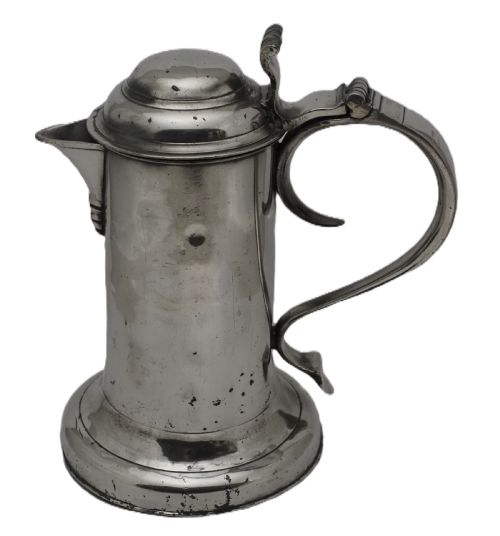


Antique Pewter Tankard
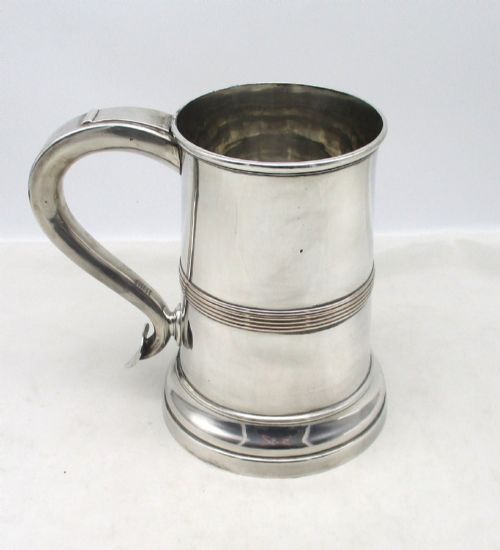
An antique pewter tankard carries the heavy weight of centuries past, offering a tangible link to old taverns, domestic ale consumption, and domestic metalworking traditions.
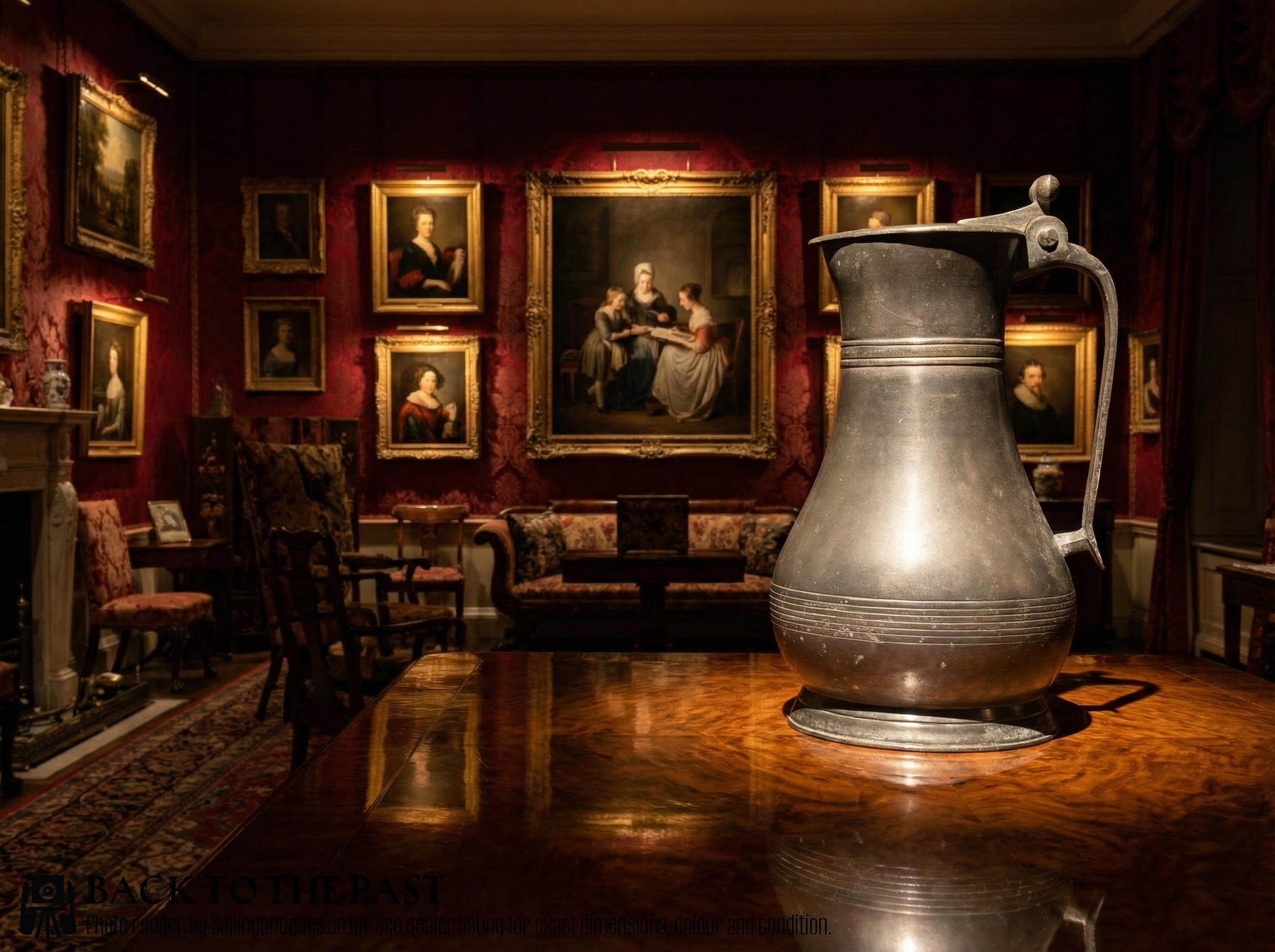
Antique Pewter Tankard
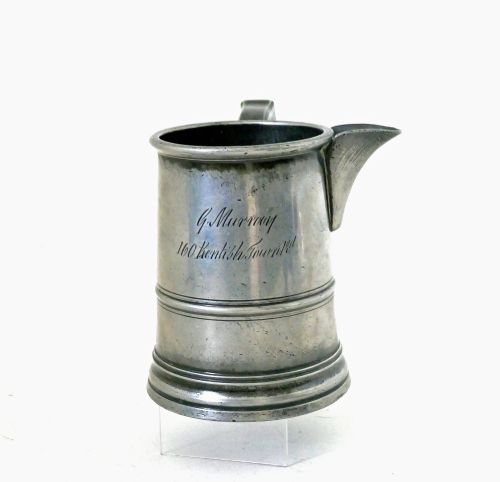
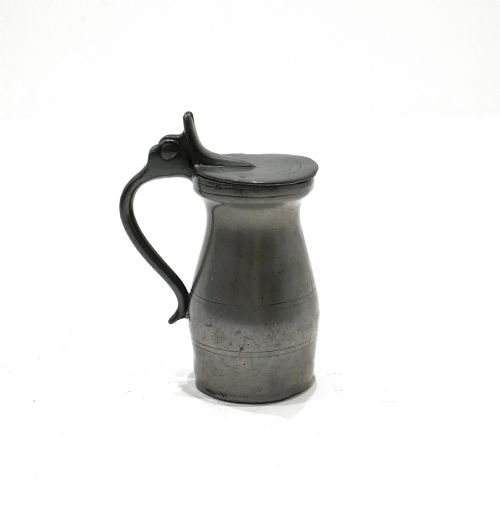
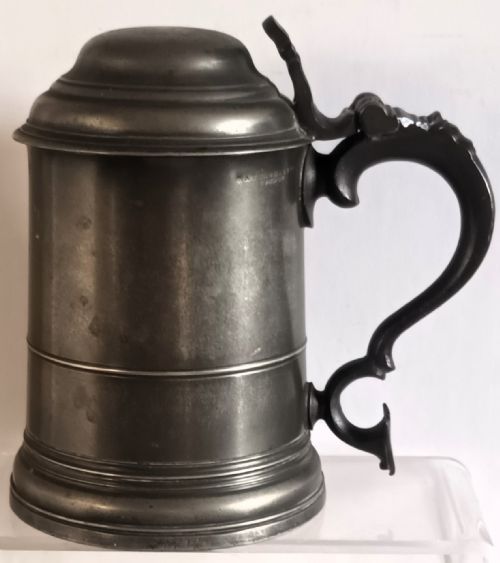
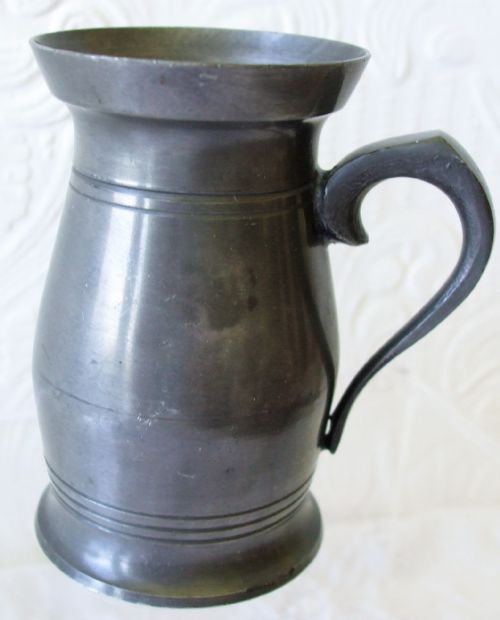
An antique pewter tankard spans diverse forms from heavy Georgian quart vessels to slender Victorian measures and stylized Arts and Crafts creations. These drinkware items and flagons served functional roles in public houses, homes, and churches across Britain and Ireland.
The selection ranges from early flat-lidded pieces dating to the early eighteenth century up to decorative late nineteenth-century examples. Buyers encounter plain utility tankards alongside crested tappit hens, spired church flagons, and engraved ale jugs.
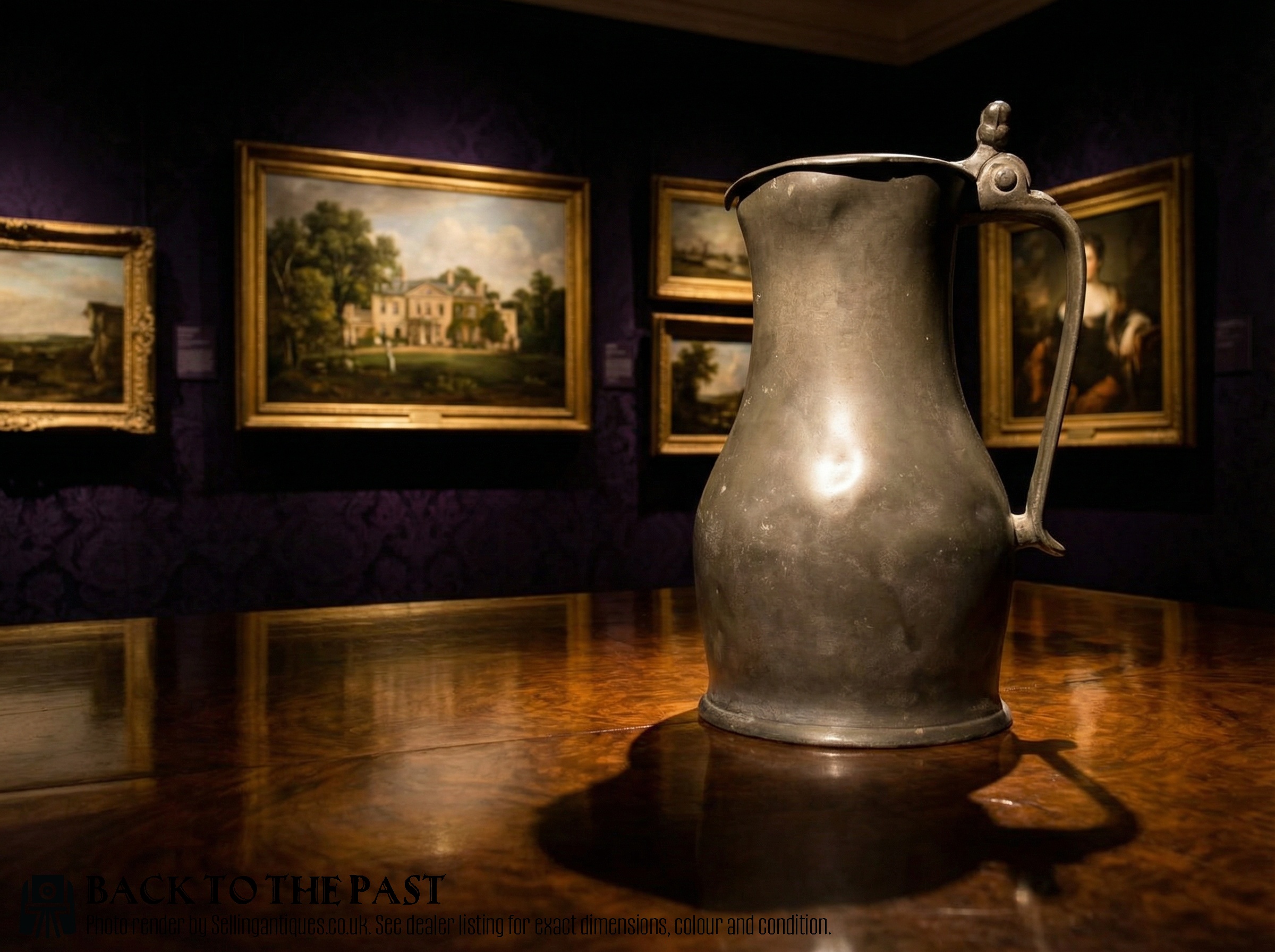
How They Were Made
Metalsmiths shaped these vessels primarily from pewter, a traditional alloy of tin combined with copper, lead, or antimony to provide rigidity and weight. Makers utilised casting techniques for bodies and handles, often incorporating hammered finishes and soldered joints.
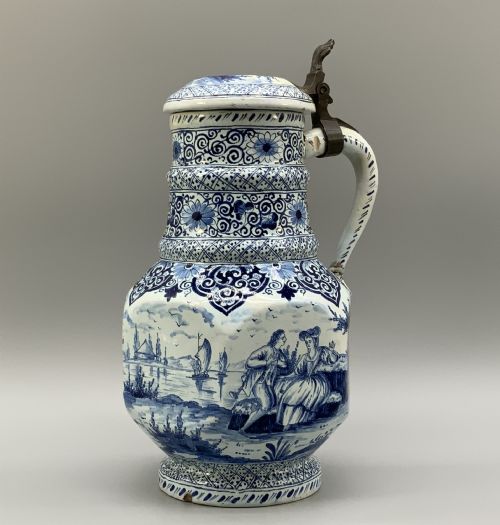
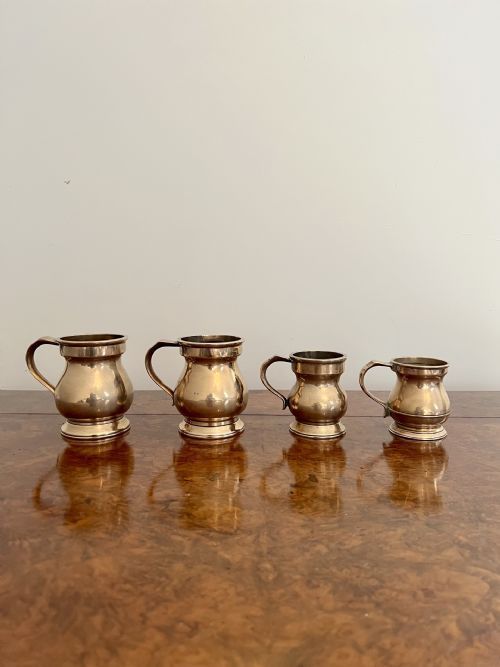
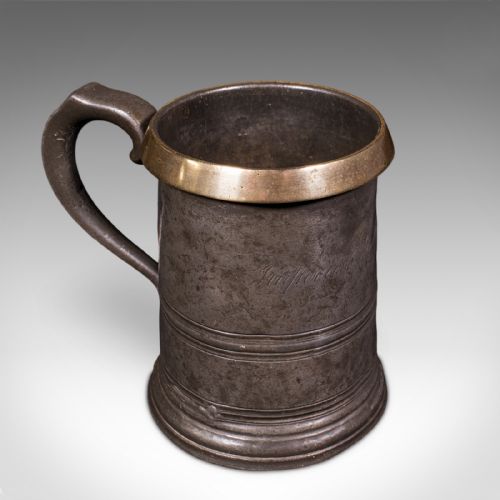
Makers also employed alternative media such as Old Sheffield Plate, copper, brass, and silver plate alongside ceramic bodies like Dutch Delftware, Westerwald pottery, and stoneware.
Antique Pewter Tankard Retail Price Guide 2026
Typical asking prices for pewter tankard among the pieces listed under this phrase on Sellingantiques today, from the lower quarter to the upper quarter. They describe what is for sale here now, not the wider market.
Makers span London workshops, Bristol foundries, Scottish creators, and Arts and Crafts designers working around nineteen hundred.
What Varies In Quality
Quality rests upon the crispness of maker touchmarks, the integrity of the original cast metal thickness, and the survival of contemporary engraving or regional capacity verification marks. Substantial weight, balanced proportions, and well-preserved lids distinguish superior workshop output.
Design ambition separates basic utility vessels from artistic achievements, such as Archibald Knox's Celtic motifs for Tudric pewter or large German art nouveau flagons with detailed hops decorations.
Watts and Harton·John Heaney of Dublin·Richard Morton·Frederic Sanders·Thomas Phillips I·Robert Iles·Burgum and Catcott·Robert Bush·Richard Going II·Thomas Bankes·Allen Bright of Bristol·John Curruthers Crane·Joseph Austen and Son·Archibald Knox for Liberty and Co
The Antique Pewter Tankard Glossary
- Flagon
- A large drinking vessel with a handle and lid, frequently used in ecclesiastical or domestic settings. These pieces often feature spired lids or generous capacities.
- Touchmark
- An identifying stamp or hallmark applied by a pewterer to certify workshop origin and metal standard. These small impressions help modern researchers attribute pieces to specific makers.
- OEWS
- Old English Wine Standard, a capacity measurement system found on certain historical drinking vessels. Tankards marked with this standard adhere to specific volume regulations.
- Tappit hen
- A traditional Scottish type of pewter drinking vessel featuring a distinct lid and body shape. This regional form typically held specific quantities such as a Scots pint.
- Measure
- A standardised vessel utilised for dispensing and serving exact volumes of ale or spirits in public houses. Measures appear in forms ranging from half gills to quarts.
Antique Pewter Tankard: Frequently Asked Questions
What is an antique pewter tankard?
An antique pewter tankard is a historical drinking vessel made from a tin alloy, designed for consuming ale or beer in domestic and public settings.
These vessels date primarily from the eighteenth and nineteenth centuries, exhibiting various lid styles, capacities, and regional manufacturing traits.
How were pewter tankards used?
Pewter tankards served everyday drinking functions in taverns, households, and inns, acting as both individual cups and communal measures.
Larger examples like flagons also fulfilled ceremonial or church roles, while smaller measures ensured accurate volume dispensing for patrons.
How do I identify different periods?
Period identification relies on structural characteristics such as flat lids, dome lids, bell shapes, and touchmark stamps impressed by the maker.
Early eighteenth-century pieces often feature flat lids and heavy walls, while Victorian examples introduce standardised imperial capacity stamps and alternative silhouettes.
Can I use an antique tankard today?
Historical pewter often contains lead content depending on its exact age and composition, requiring careful consideration before routine culinary use.
Many collectors prefer to display these metalware items as decorative historical objects rather than utilising them for modern drinking.