
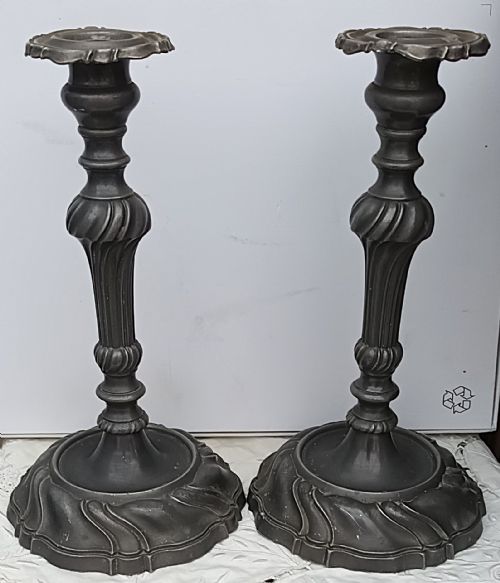


Antique Pewter Holders
These antique pewter holders span seventeenth-century domestic items to twentieth-century design, offering tactile metalwork for daily use and display.
Antique Pewter Holders
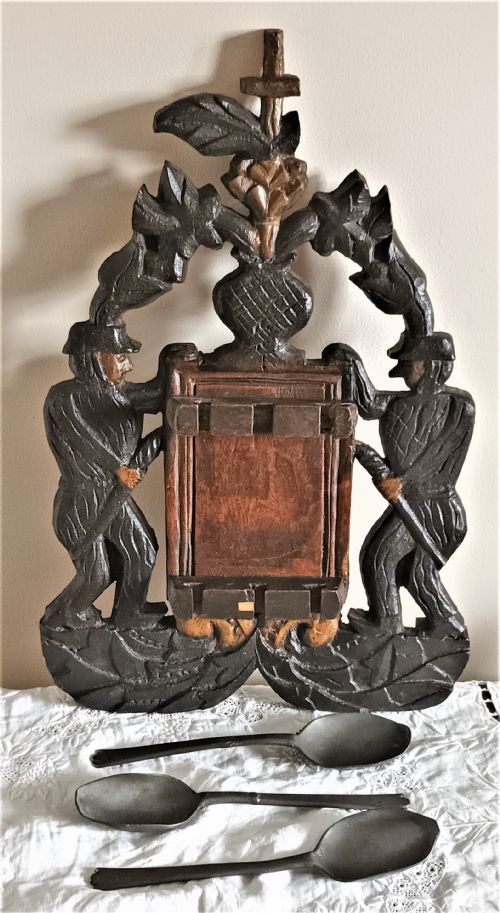
When you search for antique pewter holders, you encounter a varied selection of domestic metalwork designed for lighting and storage. Candlesticks and wall sconces dominate the offerings, alongside functional wall racks for spoons and individual napkin rings.
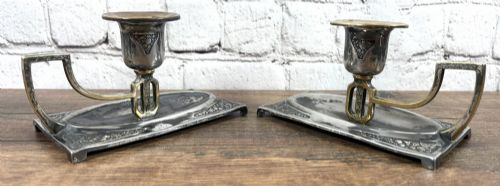
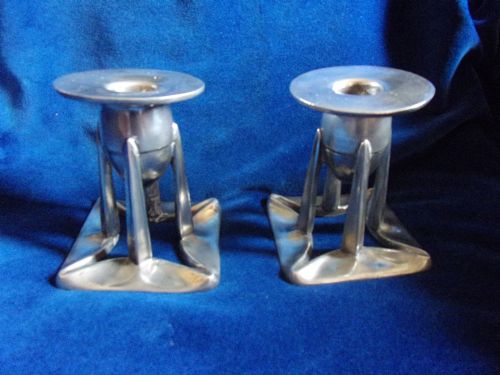
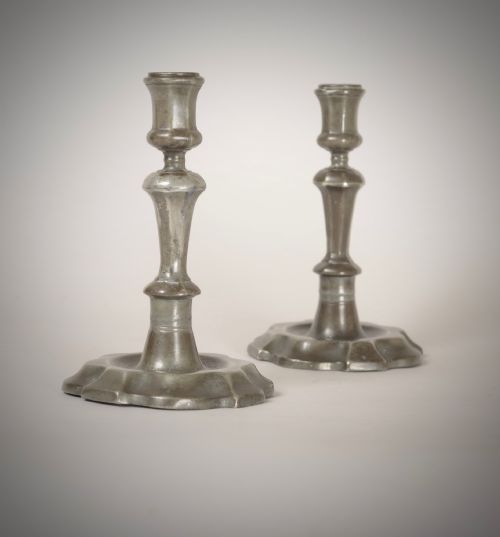
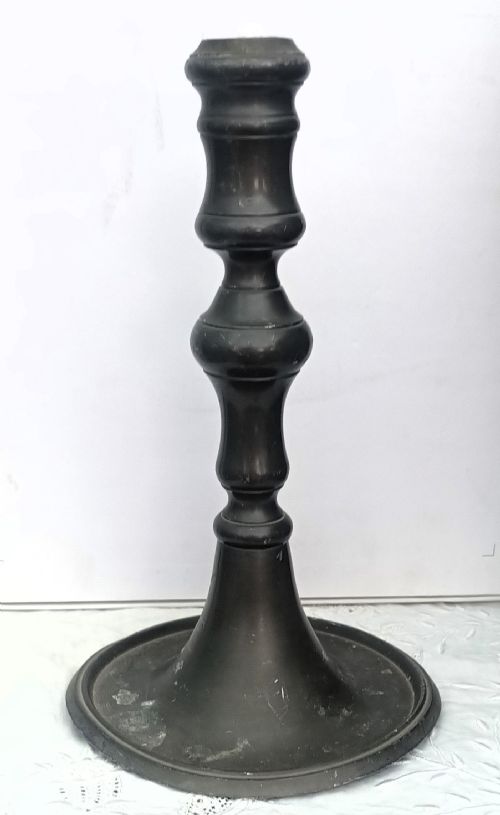
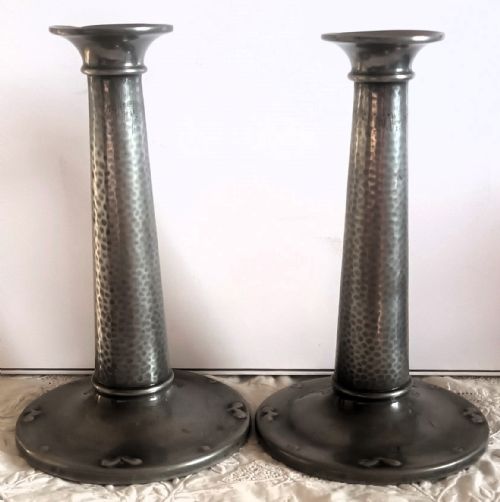
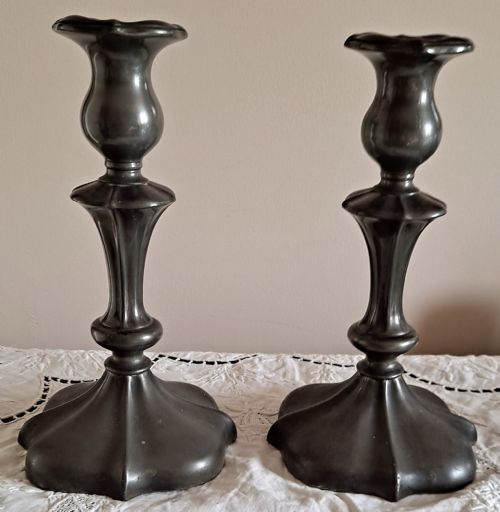
The selection ranges from early Stuart and Georgian domestic pieces to later Arts and Crafts, Art Nouveau, and Art Deco designs. Candlesticks appear most frequently, often surviving in pairs from the nineteenth and twentieth centuries alongside older single examples.
Origins span English, French, Dutch, and German workshops, reflecting different regional tastes in metal shaping and domestic utility. Earlier forms tend toward plain utilitarian oak and pewter combinations, while later twentieth-century examples embrace decorative artistic styles.
How they were made
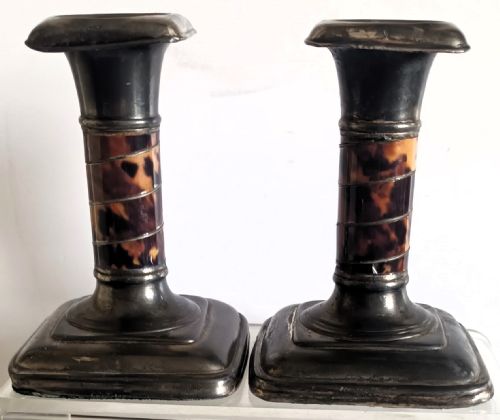
Pewter forms the primary metal base across these pieces, sometimes treated with silver plating or a silvered finish. Craftsmen combined this tin alloy with contrasting materials such as oak, tortoiseshell, enamel, and ruby glass to achieve varied visual textures.
Manufacturing methods evolved from early casting and hand-shaping by regional metalsmiths to sophisticated factory production by firms like WMF and Liberty & Co. Enamel insets and glass inserts were integrated into metal frames during the height of the Arts and Crafts movement.
Listings feature items spanning the 17th, 18th, 19th, and 20th centuries, utilising pewter alongside oak, tortoiseshell, enamel, and glass.
What varies in quality
The distinction between ordinary production and superior craftsmanship rests on design attribution and the integration of secondary materials. Pieces bearing recognised designer names or studio marks command greater attention from collectors than anonymous domestic wares.
Surface finish and the preservation of secondary elements such as enamel panels, tortoiseshell backing, or glass inserts dictate the overall integrity of a piece. Well-preserved patination on early metal surfaces also separates fine examples from heavily polished items.
WMF·Archibald Knox·Liberty & Co·Alexandre Clerget
The Antique Pewter Holders Glossary
- Pewter
- A malleable metal alloy consisting primarily of tin, combined with copper, antimony, or bismuth. It provides a dull grey lustre that deepens with age.
- Trefid spoon
- An early dining implement featuring a flat, three-lobed terminal handle popular during the seventeenth and eighteenth centuries. These frequently accompany antique spoon racks.
- Sconce
- A wall-mounted lighting fixture designed to hold a candle or group of candles. Examples in this category often feature backplates of pewter or oak.
- Silvered pewter
- A metal object cast in pewter and treated with a thin exterior layer of silver. This technique offered the bright appearance of solid silver at a lower cost.
Antique Pewter Holders: Frequently Asked Questions
How do I clean antique pewter?
Dust surfaces gently with a soft dry cloth and avoid harsh commercial metal polishes that remove historic patination. Preserving the dull grey finish maintains the character of the metal.
Keep pieces away from damp environments and extreme heat to protect any integrated organic elements like oak or tortoiseshell.
What is the difference between Arts and Crafts and Art Nouveau holders?
Arts and Crafts pieces emphasise honest construction, hand-beaten surfaces, and simple geometric forms often associated with firms like Liberty & Co. They celebrate the visible mark of the maker.
Art Nouveau designs favour flowing organic lines, stylized plant motifs, and figurative elements such as maiden candelabra produced by continental makers like WMF.
How do I identify seventeenth-century pieces?
Early pieces from the Stuart and seventeenth-century periods display heavier, simpler casting methods without the decorative flourish seen in later Victorian or Edwardian items. They often show deep surface oxidation and tool marks from manual shaping.
Comparing base construction and weight against documented museum examples helps confirm authenticity for older domestic items.