


Antique Pewter Candle Stands
Antique pewter candle stands bring sculptural form and quiet metallic warmth to a room, spanning the rigorous design of the Arts and Crafts movement to ornate Victorian revivals.
Antique Pewter Candle Stands
Antique pewter candle stands encompass utilitarian lighting pieces shaped from metal alloys, taking forms such as simple sticks, pairs, and multi-branched candelabra. Collectors searching for antique pewter candle stands encounter domestic items designed for illumination across several centuries.
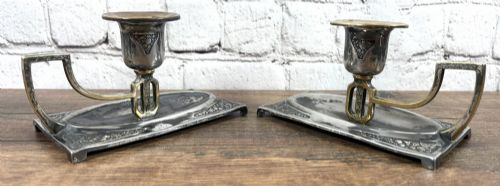
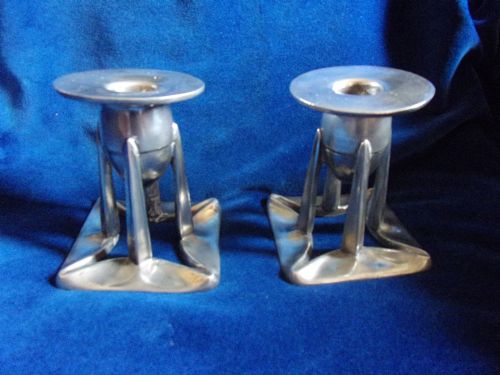
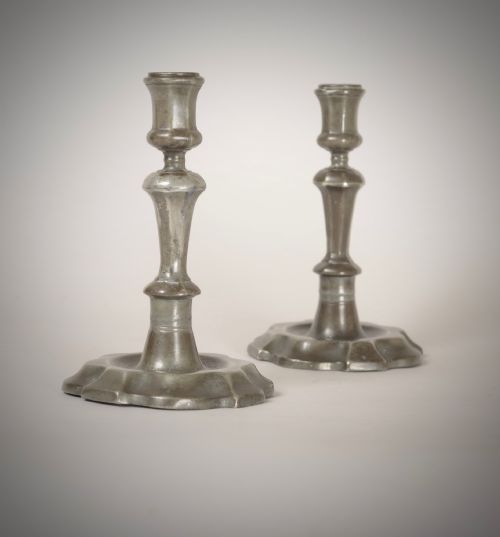
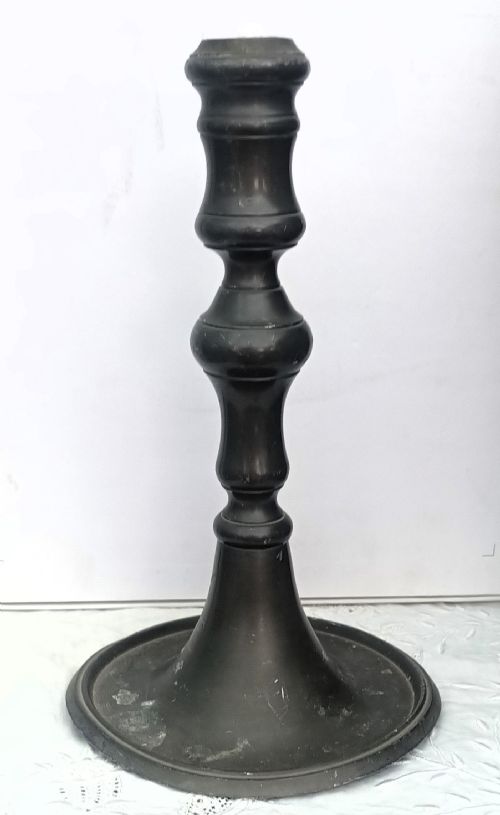
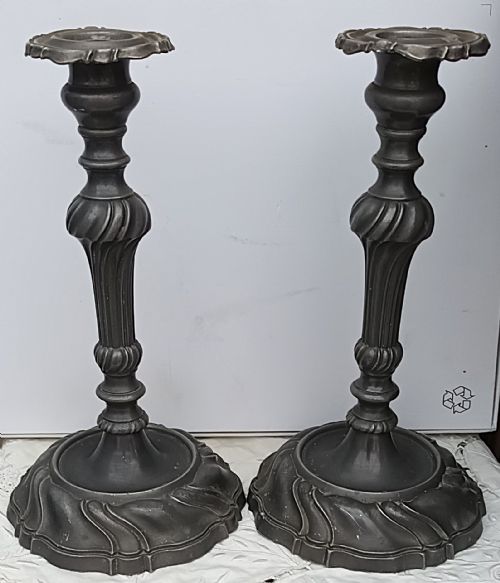
The selection on this page ranges widely across stylistic periods, moving from early Stuart and Georgian examples through to intricate Victorian Rococo and Art Nouveau designs. Pieces appear from English, French, and German workshops, reflecting changing domestic tastes in lighting over hundreds of years.
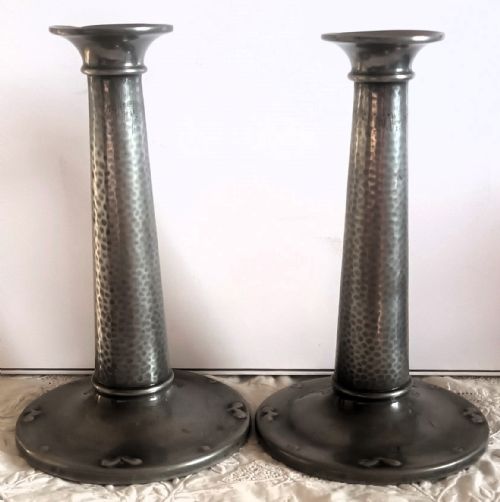
Makers and designers of note include Archibald Knox, working for Liberty & Co, alongside continental firms such as WMF. Buyers find both paired sets intended for mantelpieces and individual stands produced for functional table use.
How they were made
Pewter forms the primary material, an alloy traditionally composed of tin combined with copper, antimony, or lead to provide stability and working strength. Makers also utilised silvered finishes and combined the metal with other elements.
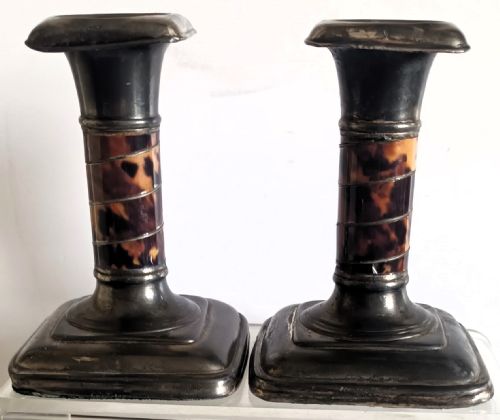
Alternative materials integrated into these stands include brass, enamel, and tortoiseshell, particularly within late nineteenth and early twentieth-century decorative pieces. Electroplated metal and specialist patination techniques further expanded the visual vocabulary of the makers.
Casting, soldering, and hand-finishing allowed artisans to produce both functional domestic items and highly sculptural objects adorned with vegetal motifs and geometric patterns.
Antique Pewter Candle Stands Retail Price Guide 2026
Typical asking prices for pewter candle stands among the pieces listed under this phrase on Sellingantiques today, from the lower quarter to the upper quarter. They describe what is for sale here now, not the wider market.
Some nineteenth-century makers transformed humble lighting into miniature Art Nouveau maidens holding aloft the flame.
What varies in quality
The sophistication of the design and the clarity of the casting separate standard domestic items from exceptional artistic examples. Pieces bearing documented designer signatures or attributable to prominent firms display superior execution in relief work and assembly.
The integrity of the material and the preservation of original surface finishes dictate the enduring character of a piece. Subtle details such as integrated enamel work or combined media like tortoiseshell elevate the overall execution of the stand.
Archibald Knox·Liberty & Co·WMF·Alexandre Clerget
The Antique Pewter Candle Stands Glossary
- Pewter
- A malleable metal alloy consisting principally of tin, historically used for domestic tableware and lighting. Its soft lustre patinates richly over time.
- Candelabra
- A branched lighting fixture designed to hold multiple candles simultaneously. These pieces often feature sculptural stems and arms.
- Art Nouveau
- A decorative style prevalent around nineteen hundred, characterised by organic, fluid lines and natural motifs. Designers applied these flowing contours directly to metalwork.
- Tudric
- A trade name used by Liberty & Co for their distinctive range of pewter wares. These items frequently reflect Arts and Crafts and Celtic revival aesthetics.
- Stuart
- A historical design period associated with the seventeenth century, influencing the heavy, structural forms found in early English metalwork.
Antique Pewter Candle Stands: Frequently Asked Questions
How do I date an antique pewter candle stand?
Dating relies on stylistic markers, manufacturing techniques, and any accompanying maker marks or registration numbers stamped into the metal. Earlier pieces from the seventeenth and eighteenth centuries typically show simpler, heavier construction compared to the ornate decoration of Victorian or Art Nouveau examples.
Changes in alloy composition and the evolution of decorative arts from Georgian restraint to Arts and Crafts simplicity provide clear chronological indicators for the trained eye.
Can I use these candle stands for daily lighting?
These pieces were originally engineered for functional domestic illumination and remain sturdy enough for regular use with properly fitted candles. Care should be taken to protect the soft metal surface from excessive heat and wax spillage.
Many collectors prefer to use drip pans or modern candle inserts to preserve the historic material while enjoying the ambient light they provide in a living space.
What maintenance do antique pewter pieces require?
Pewter requires minimal intervention to maintain its stable surface and characteristic dark grey patina. Dusting with a soft cloth is generally sufficient, avoiding aggressive modern metal polishes that strip away age-related coloration.
Keeping the metal in a stable environment away from extreme humidity prevents surface degradation and protects any integrated materials like enamel or tortoiseshell.
Why do some stands feature different materials?
Makers frequently combined pewter with brass, enamel, or tortoiseshell during the late nineteenth and early twentieth centuries to enhance visual contrast and decorative appeal. The Arts and Crafts and Art Nouveau movements embraced mixed media to showcase artisanal skill.
These additions reflect the aesthetic priorities of specific design movements, transforming utilitarian objects into miniature works of decorative art.