
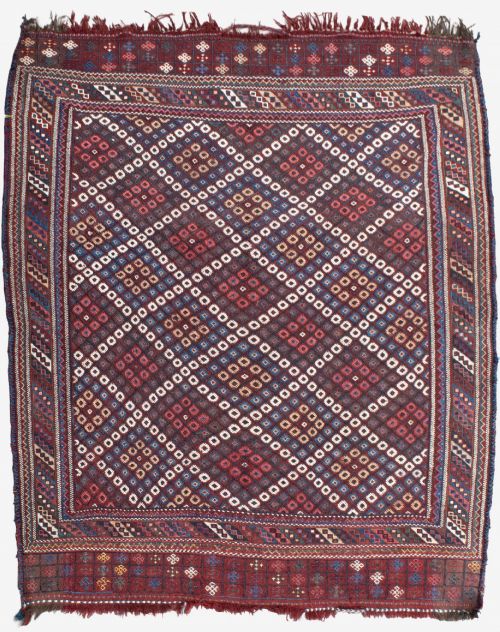


Antique Persian Kilim
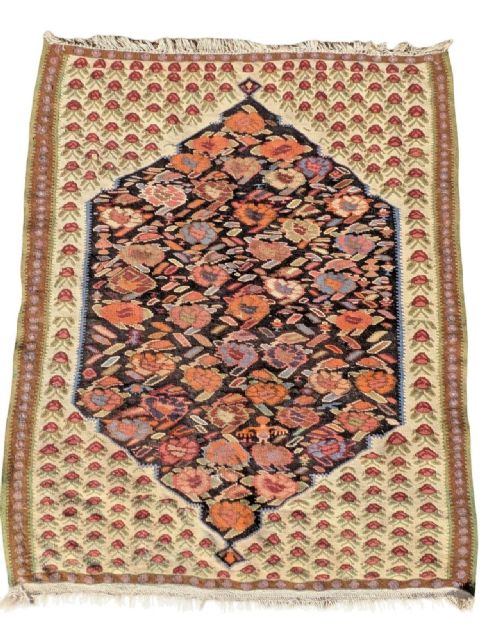
When you search for antique persian kilim, you enter a world of flat-woven tribal textiles created by nomadic groups across the region.
Antique Persian Kilim
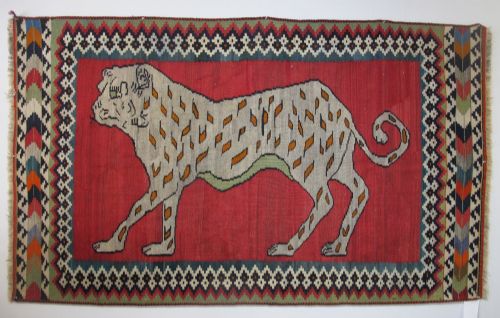
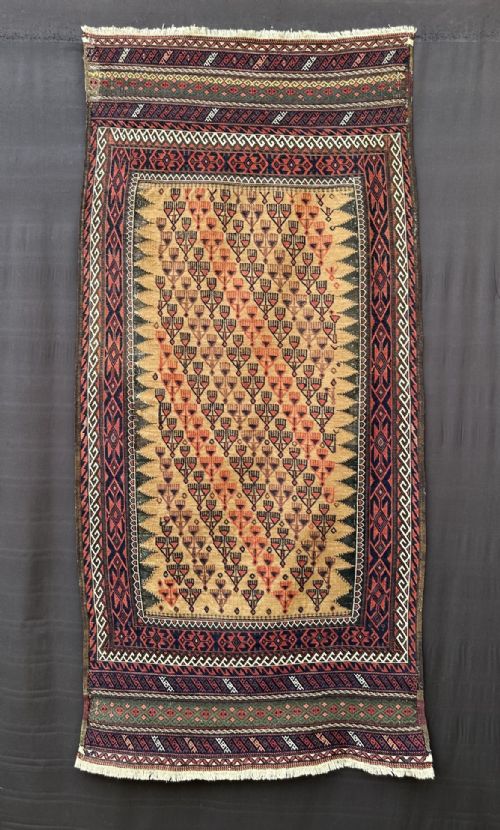
An antique persian kilim represents a flat-woven textile tradition practised by tribal and nomadic groups such as the Qashqai, Afshar, and Bakhtiari across the nineteenth and early twentieth centuries. These pieces encompass utilitarian objects including bread sofreh, grain sacks, salt-bags, and dining spreads alongside larger rugs and runners.
Buyers will encounter both room-sized carpets and smaller household textiles, providing diverse formats for contemporary interiors.
How they were made
Weavers constructed these flatweaves primarily using hand-spun wool and cotton foundations, occasionally incorporating goat hair and leather for durability.
Colour comes from natural dyes applied to wool yarns, producing the varied hues recorded across the nineteenth-century and early twentieth-century examples.
Specialised techniques such as slit-tapet weaving and banded weftwork allowed makers to build intricate geometric motifs without forming a pile.
Antique Persian Kilim Retail Price Guide 2026
Typical asking prices for persian kilim among the pieces listed under this phrase on Sellingantiques today, from the lower quarter to the upper quarter. They describe what is for sale here now, not the wider market.
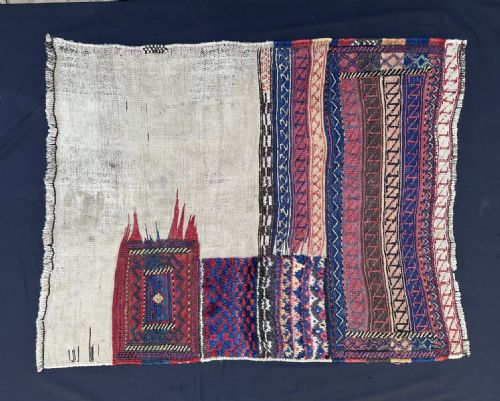
Several nomadic storage bags retain their original plain weave backs, reminding us they once rode across the desert stuffed with wheat.
What varies in quality
Quality rests in the tightness of the weave and the precision of the geometric design, where finer handling yields sharper lines and greater structural integrity.
The depth and harmony of natural dyes distinguish superior examples, as does the preservation of original edges and backs on bags and sofreh.
Provenance and tribal attribution elevate certain pieces, particularly those retaining specific regional characteristics from confederacies like the Qashqai or Afshar.
The Antique Persian Kilim Glossary
- Sofreh
- A flat-woven spread used for dining, handling bread, or serving food within nomadic households. These items often display striking geometric borders.
- Tacheh
- A traditional grain or wheat sack woven by tribal groups in Western Persia. They functioned as storage containers before entering the collector market.
- Soumak
- A brocade-like flatweaving technique where decorative weft threads wrap around the warp yarns. This method creates a textured surface distinct from standard kilims.
- Slit-weave
- A structural technique in flatweaving where the weft turns back around the warp without interlocking, creating small slits between colour changes. It defines the sharp diagonal lines seen in tribal designs.
- Moj
- A type of patterned nomadic blanket or coverlet. These textiles utilise hand-spun wool and banded designs.
Antique Persian Kilim: Frequently Asked Questions
What is a bread sofreh?
A bread sofreh is a flat-woven textile traditionally used by nomadic tribes for preparing, storing, or serving bread. These utilitarian pieces served daily domestic functions within the tent or household.
Over time, collectors recognised their artistic merit, valuing their geometric compositions and regional tribal designs as wall hangings or floor coverings.
How do I care for an antique flatweave?
Protect your textile from direct sunlight to prevent natural dye fading, and use a breathable underlay to keep the piece stable on hard floors. Regular gentle vacuuming without a beater bar removes trapped dust.
Rotate the textile periodically to ensure even wear across high-traffic areas in your home.
Where were these textiles made?
Nomadic and village weavers produced these textiles across various provinces of Persia, including Fars, Kerman, Khorassan, and the Chahar Mahal valley. Different tribal confederacies developed distinct palettes and pattern repertoires.
Geographic boundaries often blurred along borderlands, such as the regions between North-East Persia and North-West Afghanistan.
What is the difference between a kilim and a soumak?
A kilim is a standard flatweave produced by tightly packing the weft threads over the warp to create a smooth, pattern-faced surface. The structure has no pile on either side.
A soumak incorporates an additional wrapping technique where weft yarns loop around the warp threads, leaving floating threads on the reverse and producing a thicker, textured face.