

Antique Persian Carpet Rug
When choosing an antique persian carpet rug, you bring home a hand-knotted piece of textile history shaped by generations of weavers.
Antique Persian Carpet Rug
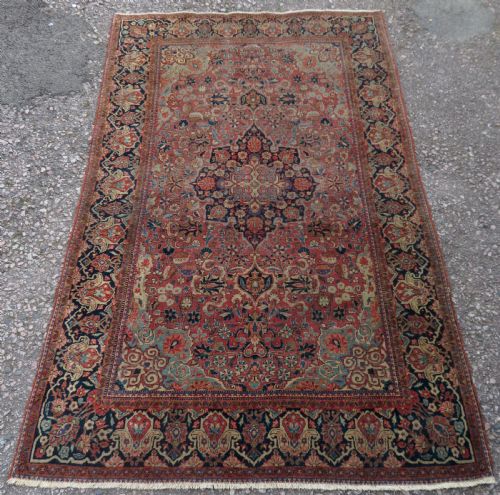
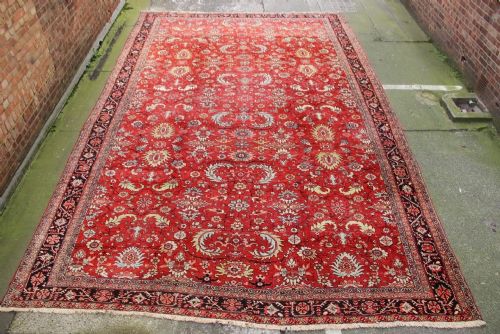
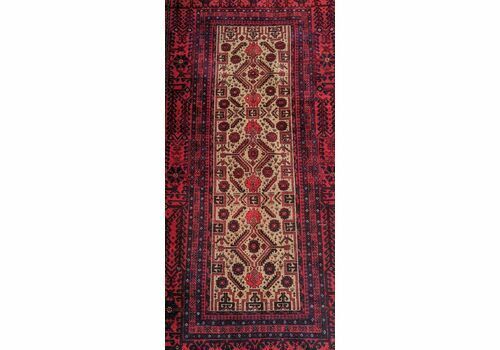
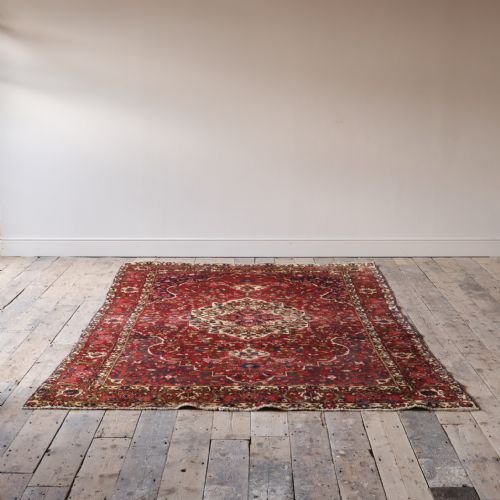
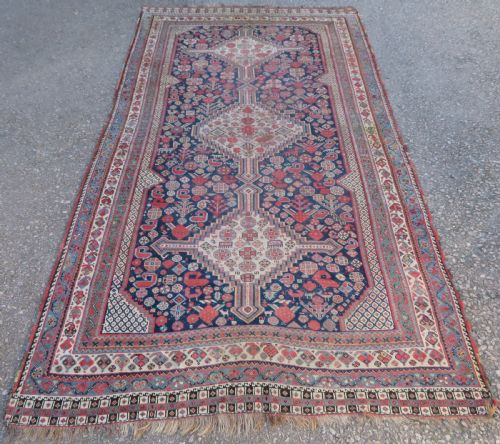
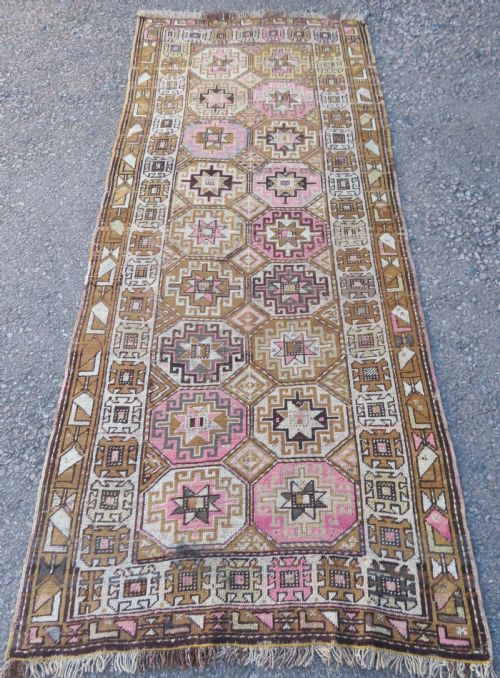
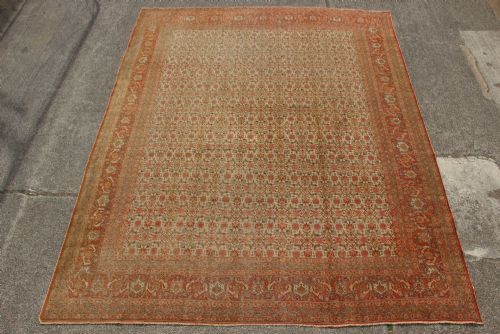
An antique persian carpet rug encompasses a rich variety of floor coverings originating from workshops, villages, and tribal regions across Persia and surrounding areas, dating from the nineteenth and early twentieth centuries. Buyers encounter formats ranging from generous room-sized carpets and room-dividing kellehs down to narrow hallway runners and compact saddle covers.
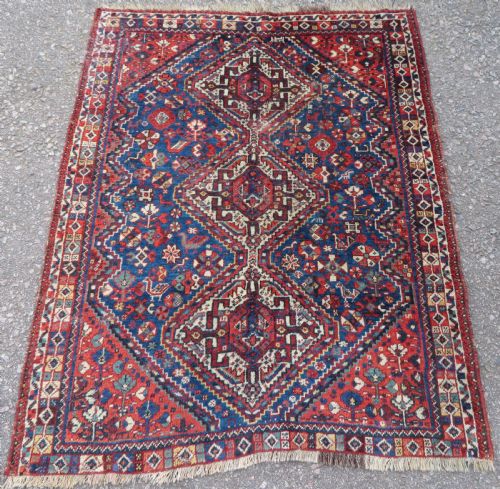
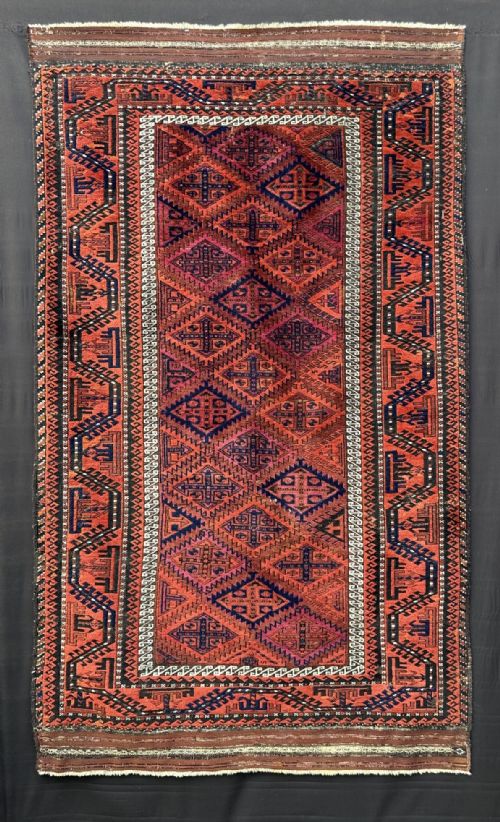
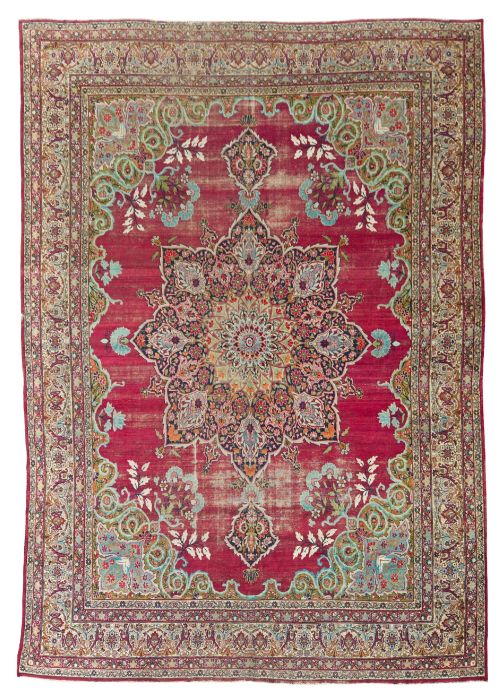
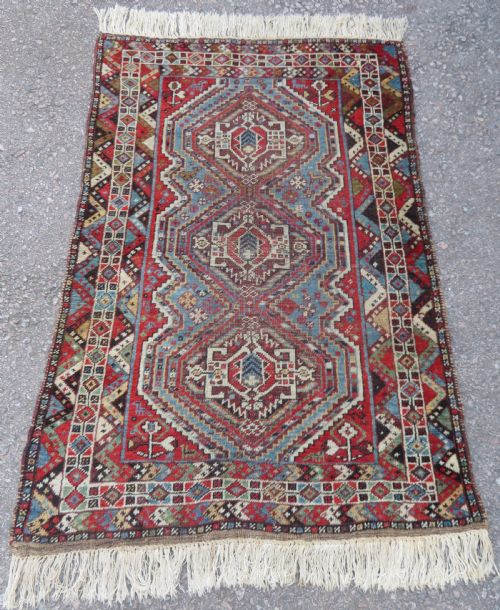
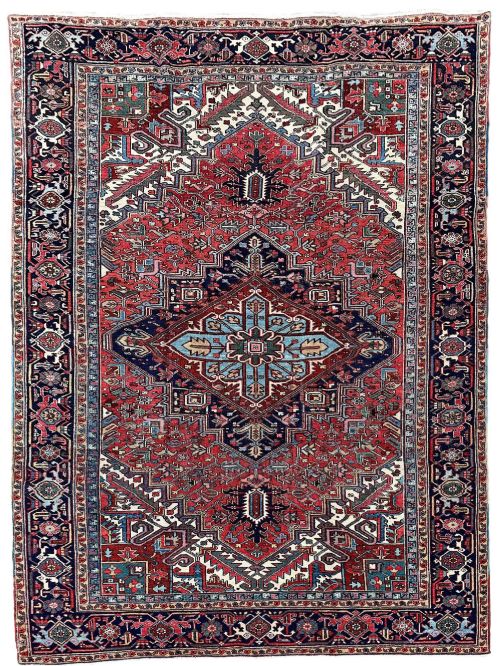
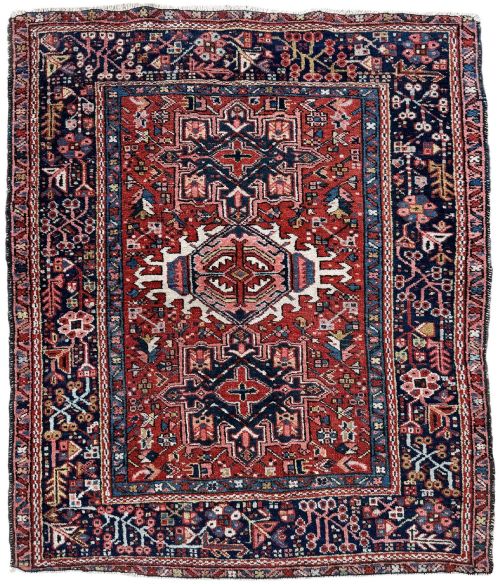
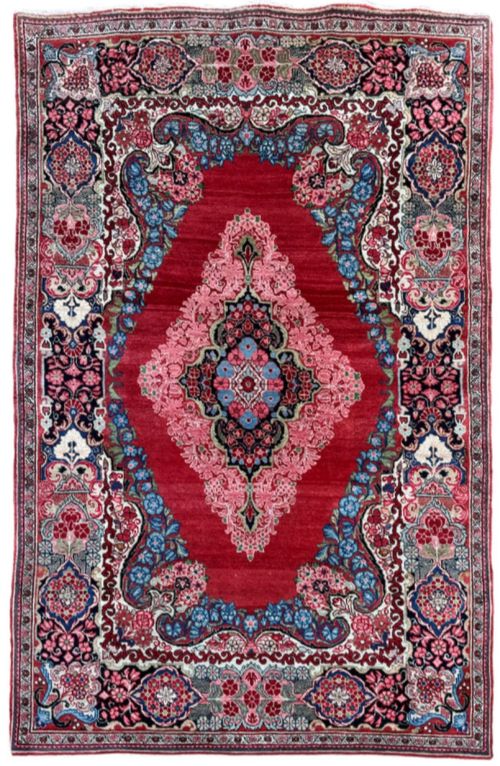
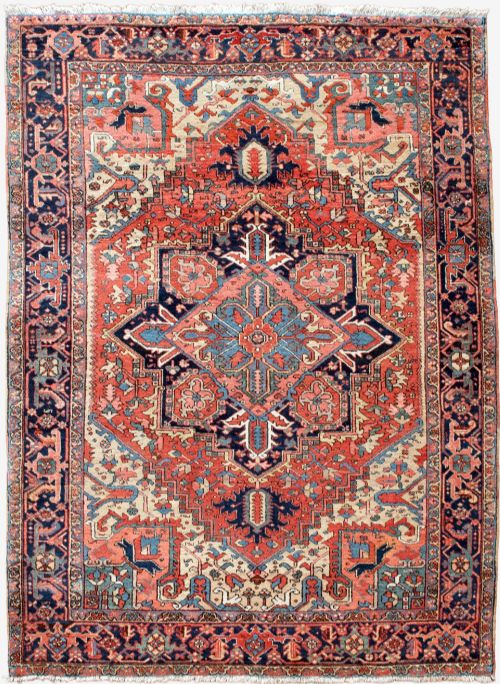
The aesthetic vocabulary spans monumental geometric medallions in Heriz pieces, intricate all-over floral fields in Tabriz and Kashan productions, and expressive tribal motifs executed by Baluch, Afshar, and Khamseh weavers. Many items reflect specific regional traditions, such as the sturdy construction of Bidjar or the rustic charm of Hamadan village weaving.
Village and tribal iterations often display asymmetrical designs and spontaneous colour choices dictated by local weavers rather than rigid cartoon patterns. Town carpets, conversely, demonstrate refined precision and complex floral palettes designed for formal reception rooms.
How They Were Made
Makers constructed these textiles predominantly from hand-spun wool foundations and pile, supplemented in certain workshops by cotton foundations or luxurious silk highlights and full silk piles. Artisans utilised natural dyes extracted from local plants and minerals to achieve deep terracotta reds, rich indigos, and soft olive greens that mellow gracefully with age.
Weavers knotted the pile by hand onto warp and weft threads using either symmetrical or asymmetrical knotting techniques, determining the density and durability of the finished textile. Skilled hands beat down each row of knots with heavy combs, locking the foundation tightly before shearing the pile to an even height.
The listings on this site span regional productions from Isfahan, Tabriz, and Kashan alongside rural village and tribal works from the nineteenth and early twentieth centuries.
What Varies in Quality
Knot density and structural integrity dictate the upper tiers of the market, where finer foundations allow for crisper drawing and more intricate curvilinear details. Master workshops employed superior wool grades that retained natural lanolin, ensuring a supple handle and resilience against heavy foot traffic.
Artistic execution and dye consistency separate standard utility pieces from exceptional collector items. The most desirable examples exhibit harmonious dye saturation, balanced abrasash variations from natural dyeing batches, and confident, unhurried drawing by the weaver.
Tabriz workshops·Isfahan ateliers·Kashan weavers·Bidjar production
The Antique Persian Carpet Rug Glossary
- Abrasash
- A natural variation in tone caused by shifts in dye batches during the hand-dyeing of wool. This subtle banding adds organic depth to the field.
- Warp
- The vertical threads stretched tightly on the loom that form the structural skeleton of the carpet. Fringe ends typically originate from these sturdy foundation cords.
- Weft
- The horizontal threads passed back and forth between warp rows to bind the knots securely in place. They dictate the structural firmness of the rug.
- Pile
- The vertical surface fibres shorn from hand-spun wool or silk that provide the tactile surface of the textile. Its depth influences how light plays across the design.
- Medallion
- A prominent central ornamental motif placed in the middle of the carpet field. Village and city weavers interpreted this focal geometry in diverse ways.
- Kelleh
- A long, narrow format carpet traditionally used alongside larger room carpets in Persian interiors. These elongated proportions suit modern hallways and corridors.
Antique Persian Carpet Rug: Frequently Asked Questions
How do I care for my antique carpet?
Protect the textile by placing a quality breathable underlay beneath it to prevent slipping and reduce friction against hard floors. Vacuum gently with suction only, avoiding rotating brush bars that can damage aged wool pile.
Rotate the rug periodically to ensure even wear from foot traffic and sun exposure. Arrange for professional hand-washing by specialists familiar with historic textiles rather than chemical dry cleaning.
How can I tell a village rug from a city piece?
Village rugs display geometric motifs, open fields, and spontaneous design choices worked on upright or horizontal floor looms by individual families. Their construction tends to be heavier and more rustic.
City carpets rely on fixed cartoon guides produced by master designers, resulting in precise curvilinear florals and exceptionally fine knot counts. These workshop pieces reflect formal aesthetic traditions.
What is tribal weaving?
Tribal weaving encompasses portable art created by nomadic and semi-nomadic groups such as the Baluch, Afshar, and Kashgai peoples. These makers drew upon ancestral memories and local symbolism rather than written templates.
Their works frequently feature bold geometric structures, dark palette contrasts, and charming irregularities that reveal the hand of the individual maker working in camp settings.
How are different regional styles distinguished?
Regional identities reveal themselves through specific structural habits, colour palettes, and recurring motif vocabularies unique to geographic pockets. Heriz pieces, for instance, lean towards monumental geometric medallions and sturdy brick-red tones.
Khamseh and Bakhtiar rugs utilise distinct panel layouts or repeating garden motifs tied to specific tribal confederations. Examining the back of the rug often clarifies these regional origins through knotting peculiarities.