




Antique Persia Woven Carpet
An antique persia woven carpet brings enduring texture, regional character and historic dye depth to a floor.
Antique Persia Woven Carpet
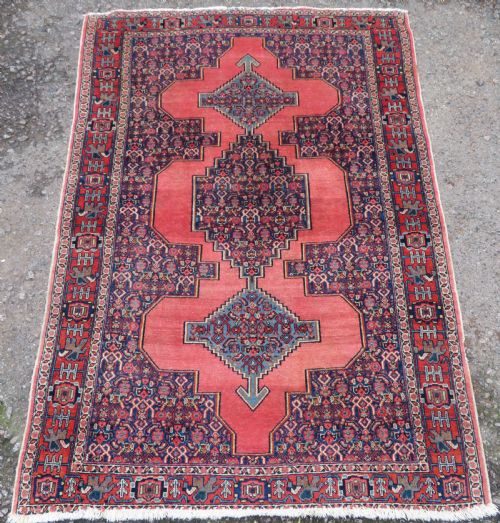
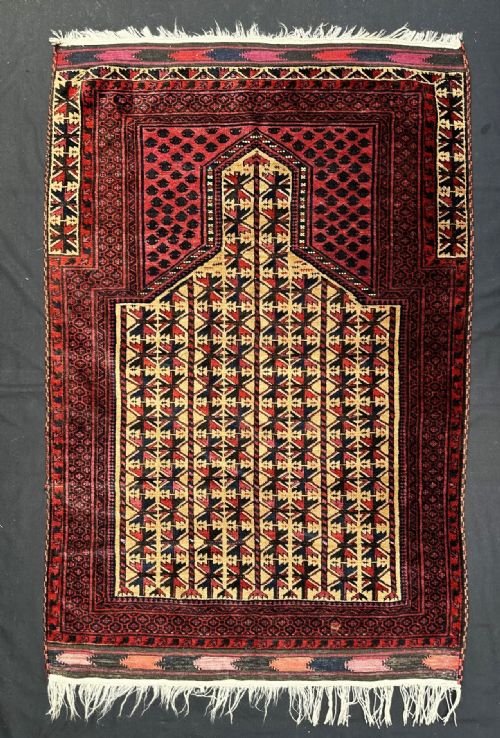
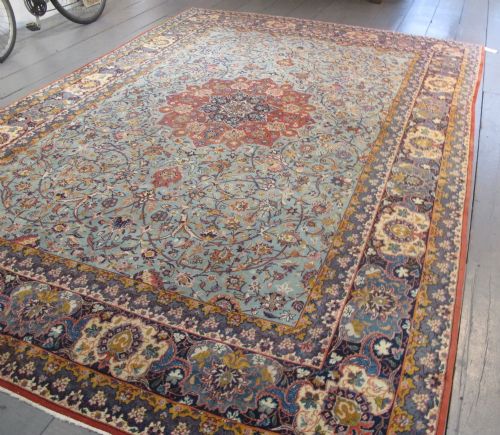
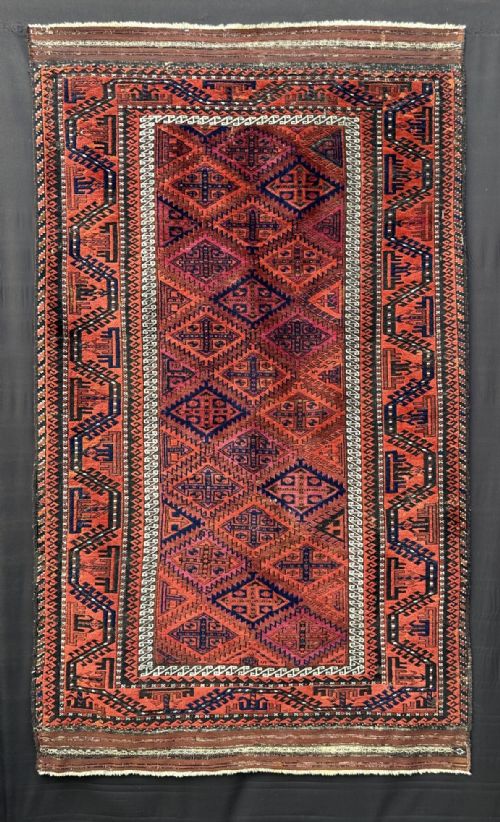
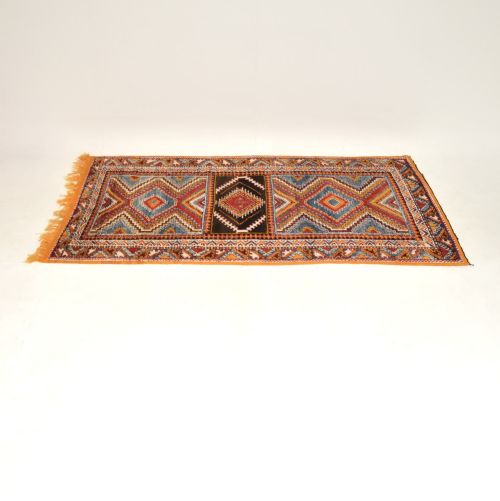
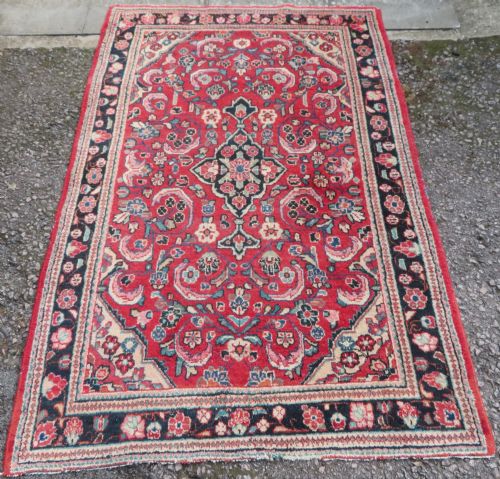
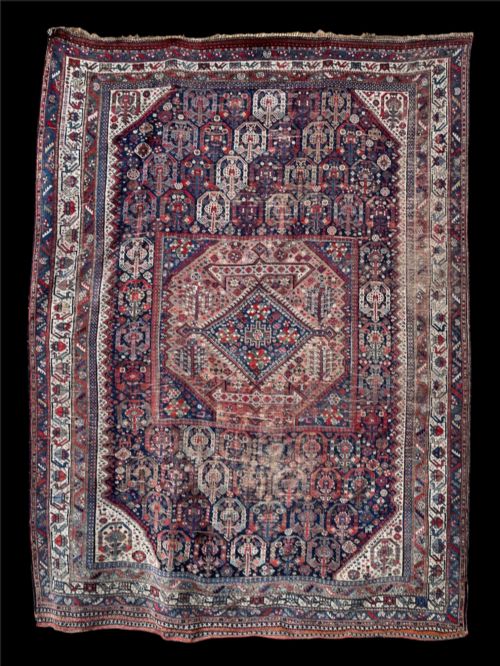
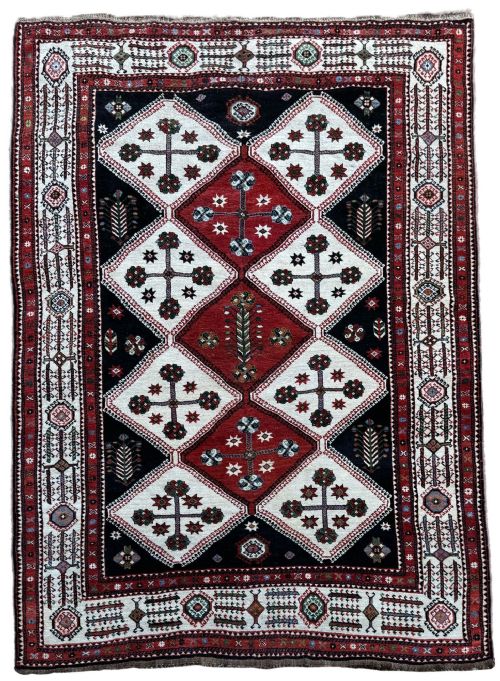
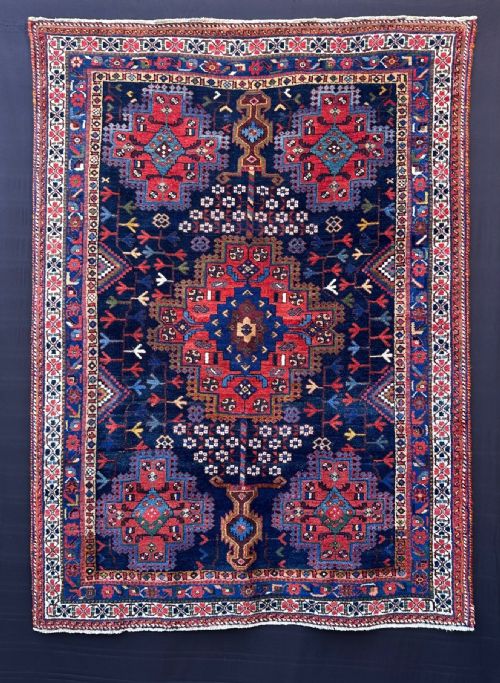
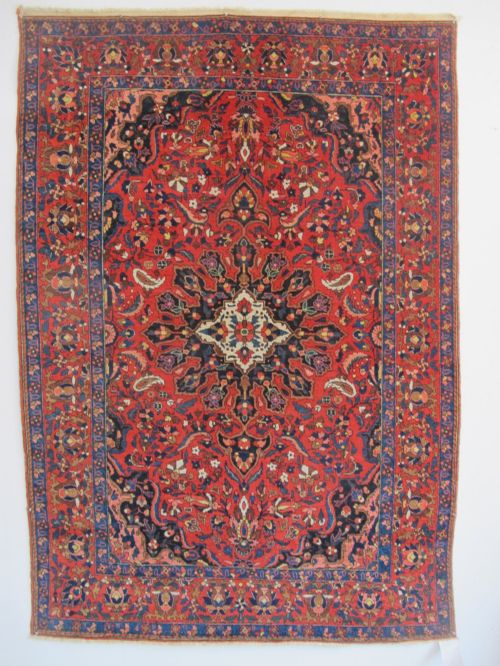
An antique persia woven carpet encompasses heavy room-sized floor coverings alongside village rugs, hallway runners and nomadic tribal weavings produced across the Persian empire. The examples met most frequently on this page span the late nineteenth century through to the early decades of the twentieth century, originating from distinct regions such as Kerman, Tabriz, Heriz and Bidjar.
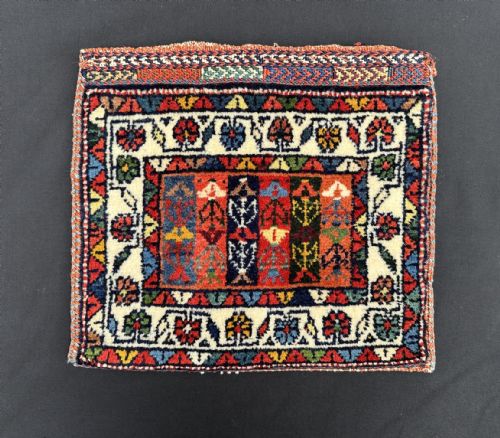
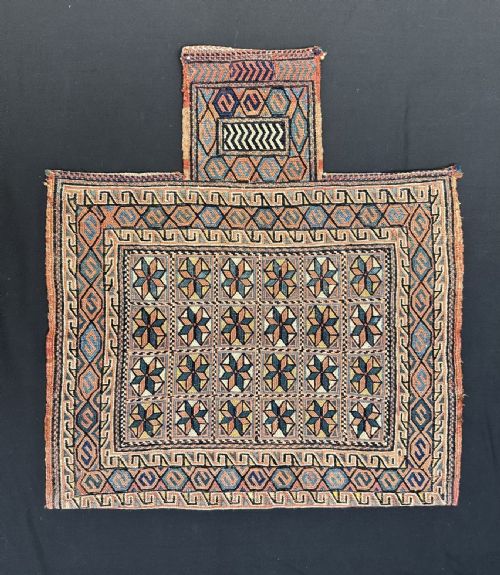
Buyers encounter diverse formats, ranging from large city workshop carpets with intricate floral fields to geometric tribal pieces, salt-bags, and saddlebag faces created by nomadic confederacies. Each piece reflects the specific aesthetic, knotting density and cultural motifs of the village or tribe responsible for its creation.
How they were made
These textiles rely on hand-spun wool foundations and pile yarns, frequently utilising cotton for warps and wefts to provide structural stability. Artisans knotted the pile by hand onto vertical looms, employing localized weaving traditions passed down through generations.
Natural dyes extracted from plants, roots and minerals supplied the enduring colour palette. These organic colorants interact with wool over decades, producing rich patinas and subtle tonal shifts across the field.
Antique Persia Woven Carpet Retail Price Guide 2026
Typical asking prices for persia woven carpet among the pieces listed under this phrase on Sellingantiques today, from the lower quarter to the upper quarter. They describe what is for sale here now, not the wider market.
Object types span large carpets, area rugs, hallway runners, and functional nomadic bags.
What varies in quality
Quality rests upon the integrity of the materials and the precision of the foundation structure. Tightly packed knots and robust wool selection ensure structural longevity under foot traffic.
The sophistication of the design execution and the depth of the natural dye work distinguish finer city and village output from simpler nomadic pieces. Artistic cohesion in the border and field geometry elevates an individual textile.
Benlian
The Antique Persia Woven Carpet Glossary
- Warp
- The stationary vertical threads stretched on a loom that form the structural skeleton of the carpet. Fringe ends typically consist of these exposed threads.
- Weft
- The horizontal threads passed alternately over and under the warp threads to bind the knots in place. They maintain the structural width of the weaving.
- Pile
- The upright cut or looped wool surface of the carpet formed by individual knots tied around the warps. This layer receives the wear of daily use.
- Natural Dyes
- Organic colour sources derived from plants, insects and minerals prior to the widespread adoption of synthetic aniline dyes. They age with notable chemical stability and soft tonality.
- Soumak
- A flat-weave technique where coloured weft threads wrap around the warp threads in a continuous broading motion. This method creates a sturdy textile without a cut pile.
Antique Persia Woven Carpet: Frequently Asked Questions
How do I identify a tribal rug?
Tribal rugs typically display geometric memory patterns, asymmetrical layouts and smaller formats reflecting nomadic production. They utilise bold primary colours and symbols derived from daily tribal life.
City carpets, by contrast, rely on curvilinear floral medallions and precise cartographic symmetry planned out by master designers on paper cartoons.
Where were these carpets made?
Production spans urban workshops, rural villages and nomadic tribal territories across historical Persia. Major centres include Tabriz in the north-west, Heriz, and Kerman in the south.
Smaller settlements and nomadic groups such as the Afshar, Bakhtiar, and Khamseh produced distinct regional variants with local wool types and specific dye recipes.
How should I clean my carpet?
Regular gentle vacuuming without a rotating power brush removes embedded grit from the wool pile. Professional specialist cleaning tailored to antique vegetable-dyed textiles is required for deep washing.
Avoid chemical detergents and excessive moisture, which can destabilise historical natural dyes and weaken cotton foundations.
Can I place these rugs in hallways?
Many narrower formats function effectively as hallway runners where foot traffic distributes evenly across the wool pile. Selecting pieces with sturdy cotton foundations and dense knotting ensures physical resilience in high-use areas.
Using a quality underlay prevents slipping and cushions the textile against hard stone or wooden floors.