

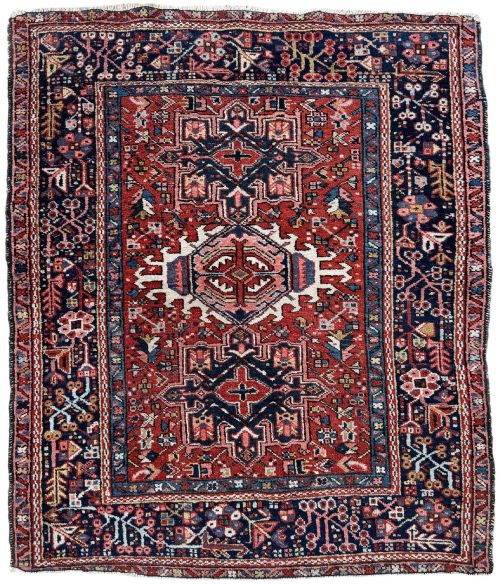
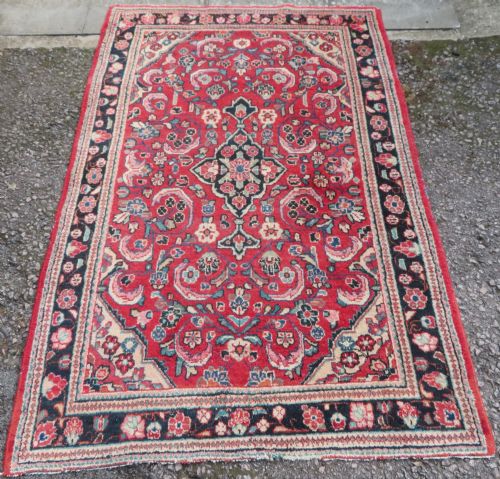
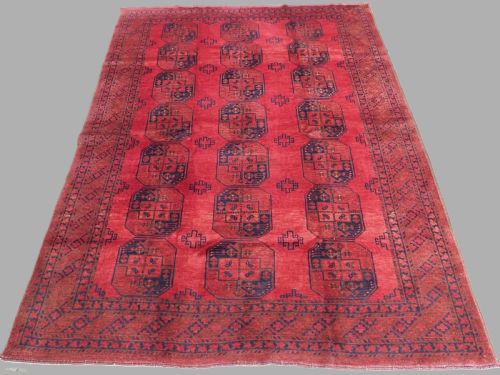
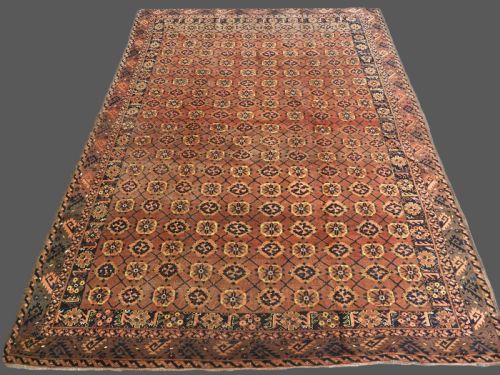
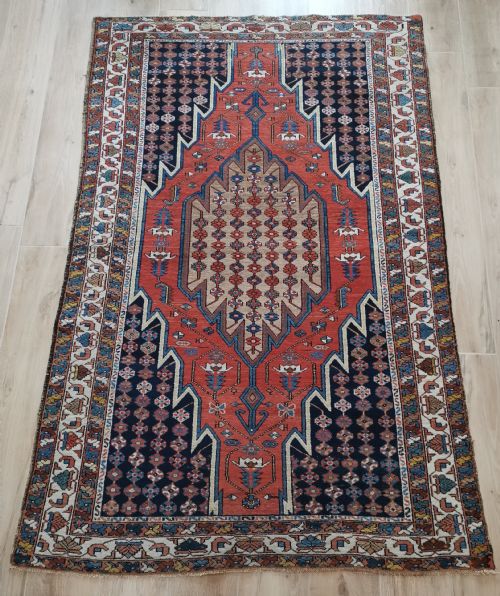
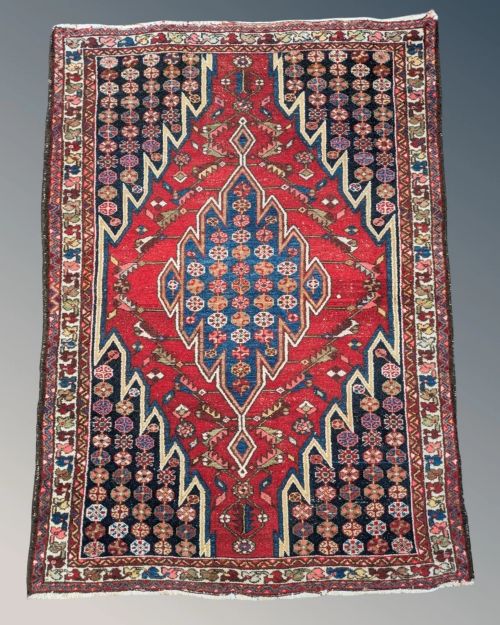
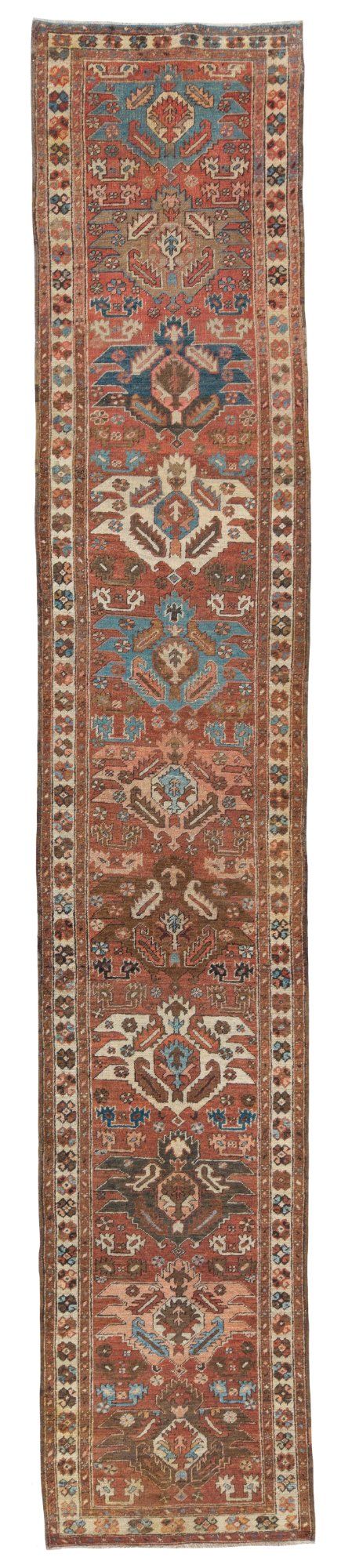
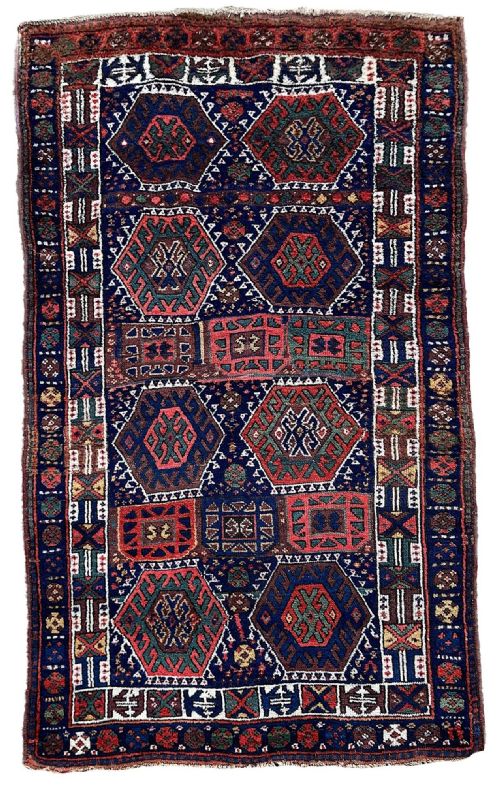


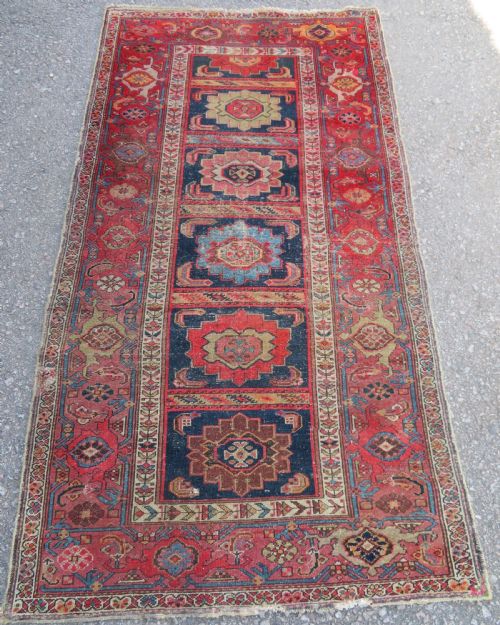
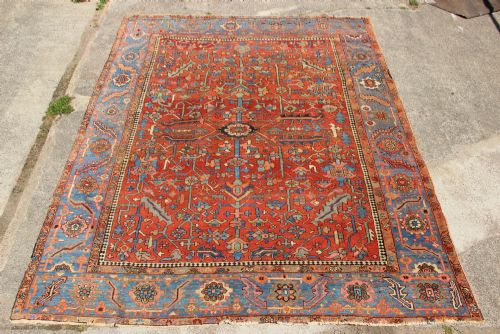


Hand Knotted Village Rug
A hand knotted village rug brings centuries of tribal artistry, rich wool and distinct regional motifs directly into a room.
Hand Knotted Village Rug
A hand knotted village rug represents traditional textile production across Persian, Afghan, Caucasian, and Anatolian regions. These pieces include formats such as area rugs, runners, carpets, and prayer rugs created in rural communities.
The selections span the nineteenth and early twentieth centuries, featuring distinct tribal and regional styles like Heriz, Bakshaish, Kazak, and Hamadan. Buyers frequently encounter formats woven for domestic use rather than urban workshops.
Makers utilised local iconography, geometric medallions, and repeated field patterns passed down through generations. Each rug records the specific aesthetic vocabulary of its home district.
Materials and construction
Weavers constructed these textiles using wool piles secured to cotton or wool foundations with hand knots. Many examples incorporate natural dyes that yield warm reds, deep golds, and earthy tones.
The employment of hand-spun wool and cotton warps provides structural resilience and distinct surface textures. Nomadic and village artisans relied on upright looms set up within domestic spaces or tents.
Hand Knotted Village Rug Retail Price Guide 2026
Typical asking prices for hand knotted village rug among the pieces listed under this phrase on Sellingantiques today, from the lower quarter to the upper quarter. They describe what is for sale here now, not the wider market.
Every minor knotting asymmetry is a silent signature from a weaver working by the soft light of an oil lamp.
Determinants of quality
Knot density and structural integrity distinguish the finest examples from standard domestic weaves. A tighter foundation allows intricate geometric and floral motifs to remain sharp over decades of use.
The depth and harmony of natural dye palettes elevate certain pieces above others. Subtle variations in colour resulting from abrash demonstrate the authentic application of traditional dyeing methods.
The Hand Knotted Village Rug Glossary
- Warp
- The vertical threads stretched lengthwise on a loom that form the foundational skeleton of the rug.
- Pile
- The vertical tufts of wool tied by hand to the warp threads that create the textured surface of the textile.
- Abrash
- Variations of colour within a single field caused by changes in dye batches or hand-spun wool lots.
- Medallion
- A large central ornamental design motif placed in the middle of the rug field.
- Prayer rug
- A small textile featuring a mihrab or arch design intended for devotional use.
Hand Knotted Village Rug: Frequently Asked Questions
How do I identify a village rug?
Village rugs display geometric motifs, tribal designs, and regional colour palettes that differ from formal city workshop carpets. They reflect the local traditions and materials available to rural weavers.
Look for charming irregularities in the symmetry and design execution, which point towards non-standardised, domestic production rather than mass manufacture.
Where were these rugs made?
These pieces originate from rural settlements and tribal areas across Persia, Afghanistan, the Caucasus, and Anatolia. Each region developed its own distinct knotting techniques and design repertoire.
Common origins include districts such as Hamadan, Malayer, Shirvan, and various Afghan or Turkish tribal communities.
How should I care for an antique rug?
Place a quality underlay beneath the rug to prevent slipping and reduce friction between the pile and the hard floor. This simple step protects the wool foundation from premature wear.
Vacuum the textile gently using suction only, avoiding beater bars that can pull at the hand-knotted pile and delicate kilim ends.
What does a prayer rug look like?
Prayer rugs typically feature a distinctive pointed arch or mihrab shape at one end of the field. This design symbolised the prayer niche directed towards Mecca.
They were produced in smaller dimensions for kneeling during daily devotions, frequently appearing in Caucasian and Anatolian traditions.