
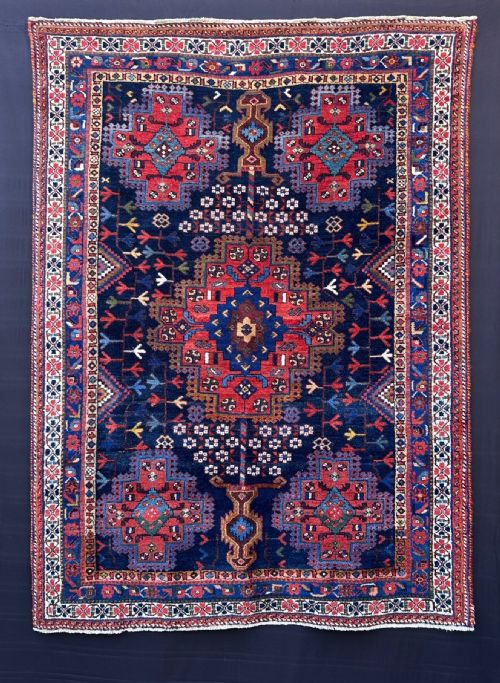
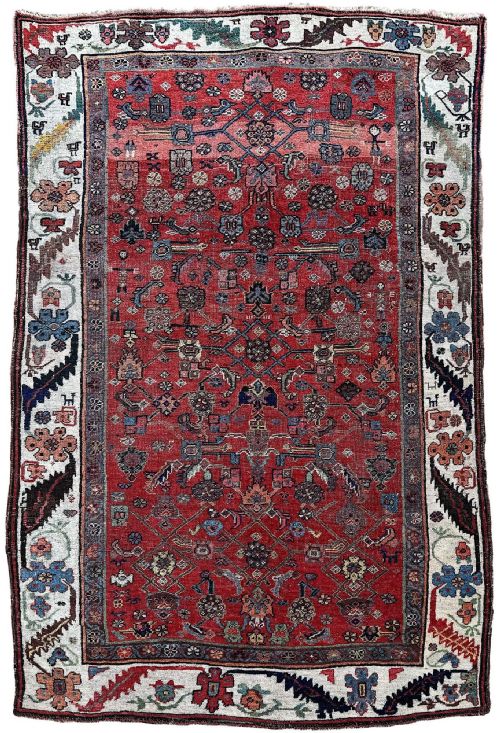
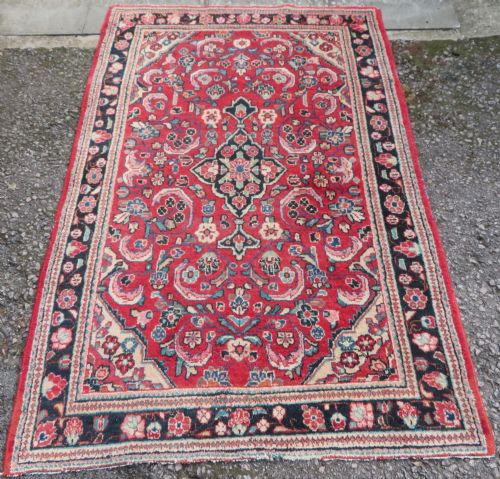
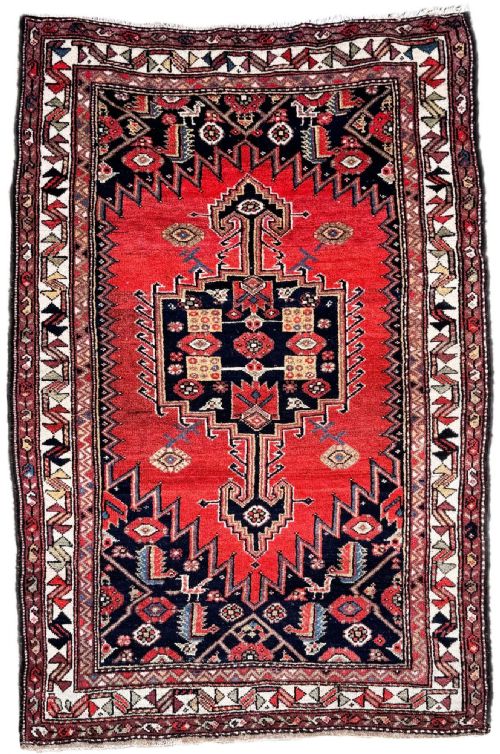
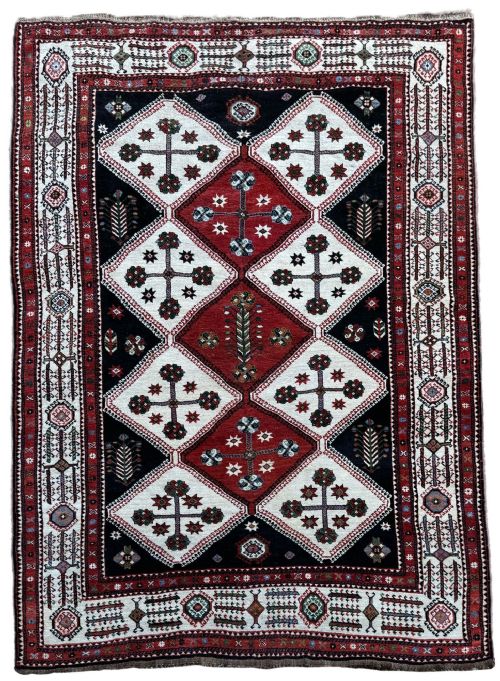
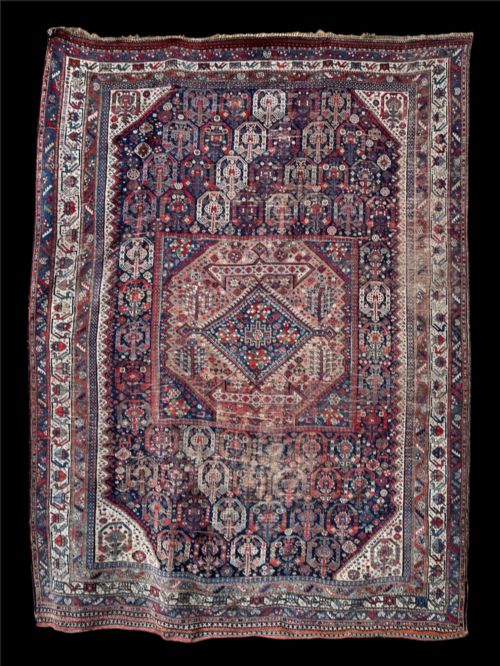
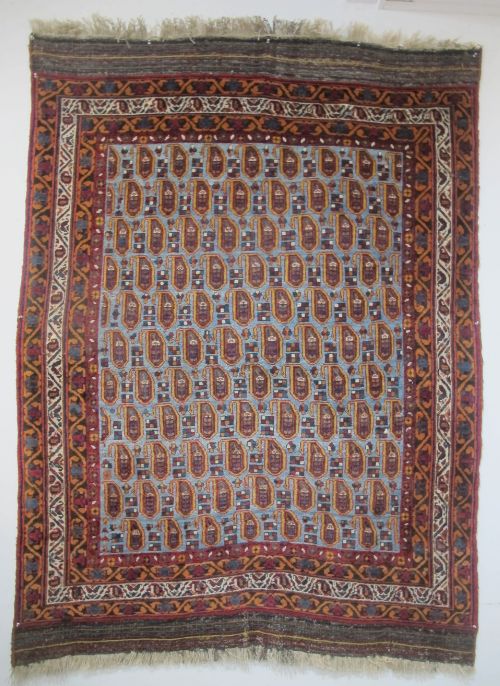
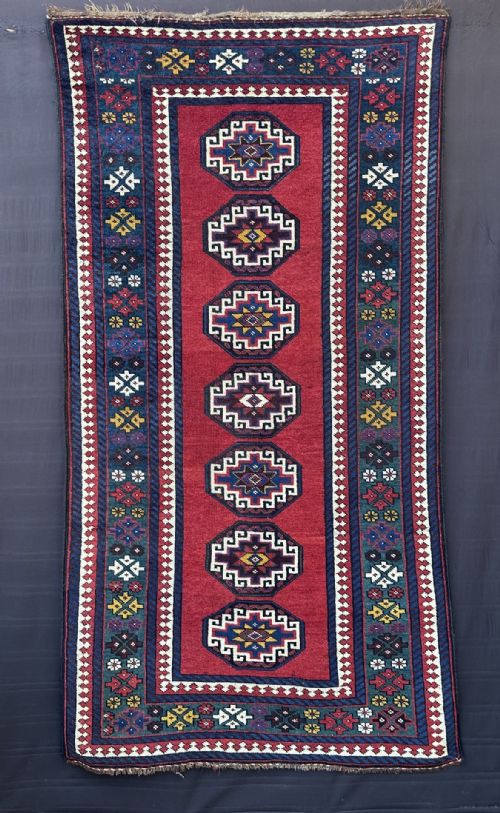
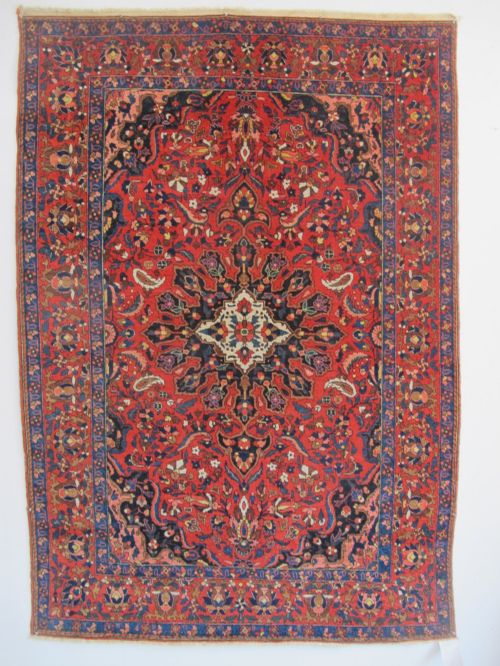
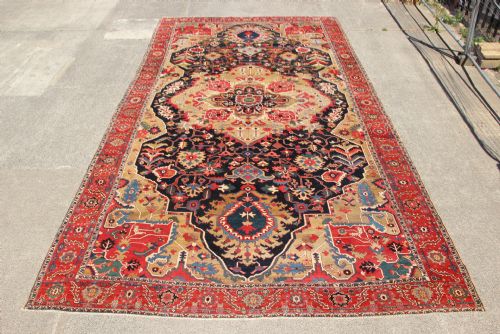
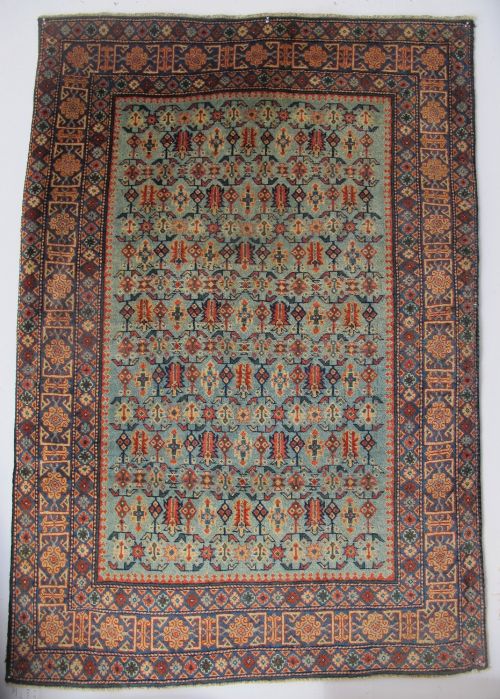
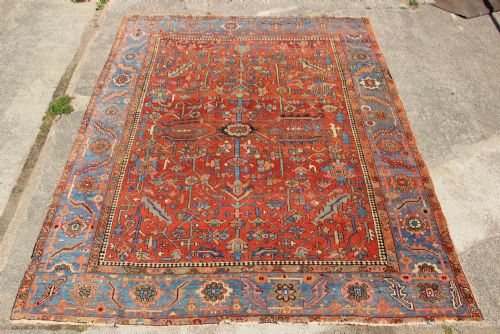
Antique Persia Area Rug
When you search for an antique persia area rug, you are looking at hand-knotted floor coverings that bring centuries of regional weaving traditions into modern rooms.
Antique Persia Area Rug
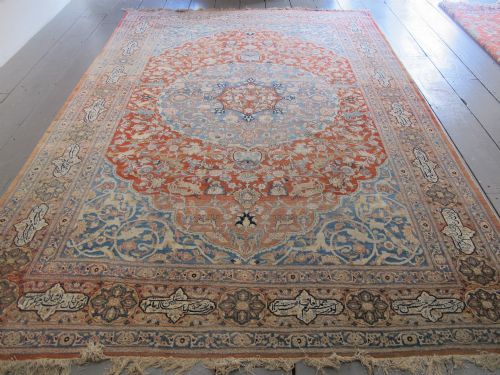
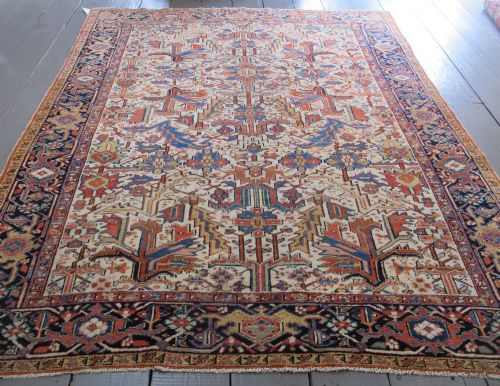
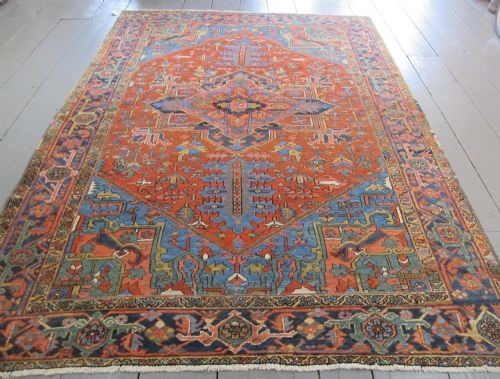
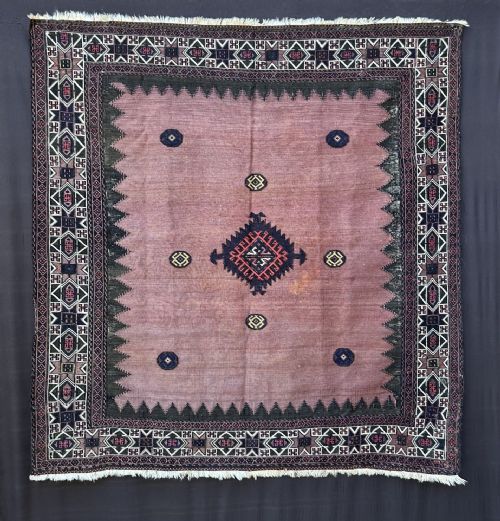
An antique persia area rug is a traditional hand-knotted textile originating from various weaving centres, towns, and tribal confederacies across the historic Persian lands. These pieces range from room-sized carpets to smaller floor coverings made for domestic use or tribal living.
The selection here encompasses village and tribal works alongside finer city pieces, spanning the late nineteenth century through to the early decades of the twentieth century. Common regional origins include Heriz, Tabriz, Afshar, Bakhtiari, and Khamseh, each bearing distinct local motifs and structures.
How they were made
Weavers constructed these rugs using natural materials, predominantly employing wool for the pile and foundation yarns, alongside cotton foundations in many town and village workshops. Silk also appears occasionally in finer city pieces to highlight specific details in the design.
The process relied on hand-knotting wool onto warp and weft threads, using either symmetric or asymmetric knot types depending on the tribal or regional tradition. Natural dyes provided the characteristic rich palette of reds, blues, and earth tones that stabilise with age.
Some tribal weavers tucked stray animal hairs directly into the wool pile, leaving a personal signature of the flock behind.
What varies in quality
Quality in these textiles depends heavily on the density of the knotting, the fineness of the spun wool, and the precision of the design execution. Tighter knots allow for sharper geometric or floral definition and greater long-term durability under foot traffic.
The choice of materials also dictates standard, with higher-grade examples utilising lustrous, lanolin-rich wool and complex dye palettes. Artistic execution, structural integrity, and the preservation of original edge finishes further distinguish superior specimens from standard village output.
Haji Jalili·Ahmadi·Benlian·Ziegler
The Antique Persia Area Rug Glossary
- Pile
- The vertical or slanted soft yarn surface of the rug formed by the cut ends of knots. This is the part of the textile that meets the foot and displays the woven design.
- Warp
- The stationary longitudinal threads stretched tightly on the loom from one end to the other. The foundation fringes of the rug are formed by these extending threads.
- Weft
- The horizontal threads passed across the warp threads between rows of knots to bind the structure together. They are beaten down firmly with a comb during the weaving process.
- Knot density
- The number of knots per square unit, which influences the clarity of the pattern and the overall durability of the fabric. Higher densities typically indicate more time-consuming city or workshop production.
- Confederacy
- A political or social union of several nomadic or semi-nomadic tribes. In rug terminology, this denotes pieces woven by allied groups sharing regional design repertoires.
Antique Persia Area Rug: Frequently Asked Questions
How do I identify a tribal rug?
Tribal rugs typically display bolder, geometric motifs, irregular lines, and spontaneous designs reflecting the nomadic lifestyle of the weavers. They often utilise saturated colours derived from local plants and minerals.
These pieces contrast with city carpets, which usually feature symmetrical, highly detailed floral medallions and curves planned on a precise cartoon.
Where were these rugs woven?
Production took place across diverse geographic regions, from the mountains of the west and south to northern weaving centres like Tabriz and Heriz. Each province developed distinct aesthetic traditions.
Villages such as Bidjar or specific confederacies like the Khamseh produced works tailored to their local materials, climate, and cultural symbols.
How should I care for an old rug?
Protect the textile by placing a quality underlay beneath it to prevent slipping and reduce friction against hard floors. Vacuum gently using suction only, avoiding the rotating brush bars that can pull at aged wool.
Rotate the rug periodically to ensure even exposure to foot traffic and sunlight, and consult a specialist in antique textiles for professional cleaning.
How do I date an antique rug?
Dating relies on assessing the materials, dye types, structural wear, and stylistic markers characteristic of specific historical periods. Natural dyes and hand-spun wool generally point to nineteenth or early twentieth-century production.
Structural analysis of the foundation threads and fringe finishes further helps narrow down the era of manufacture by comparing them to known regional timelines.