


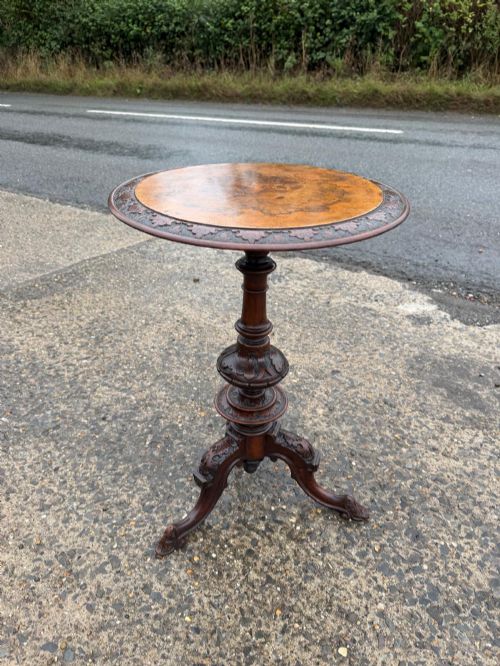
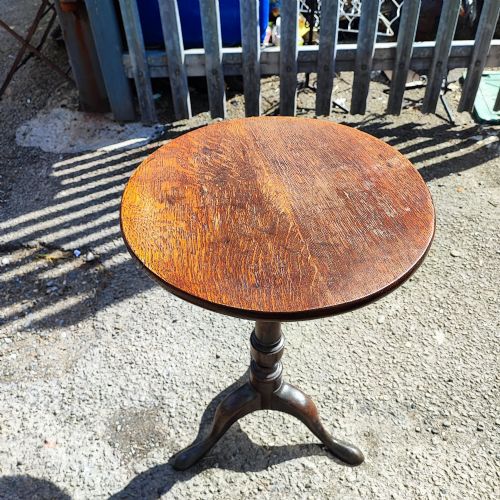
Antique Pedestal Wine Table
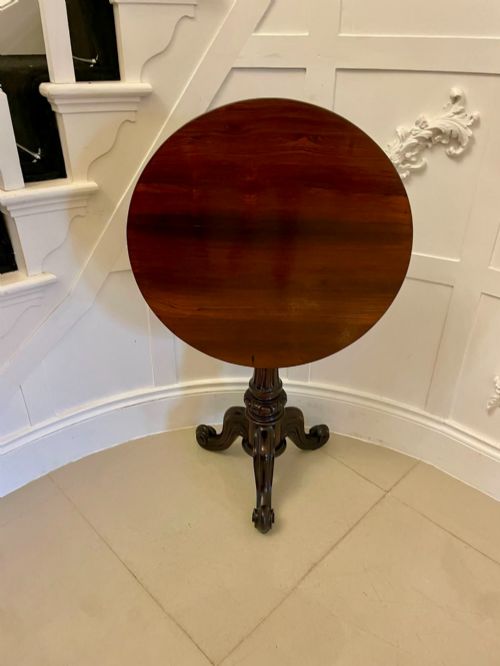
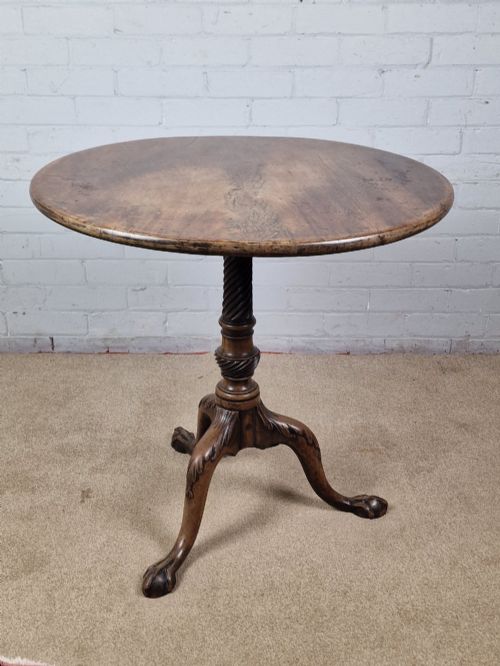
These antique pedestal wine table pieces offer compact surfaces for glassware, combining a sturdy central pillar with practical timber tops.
Forms and Origins
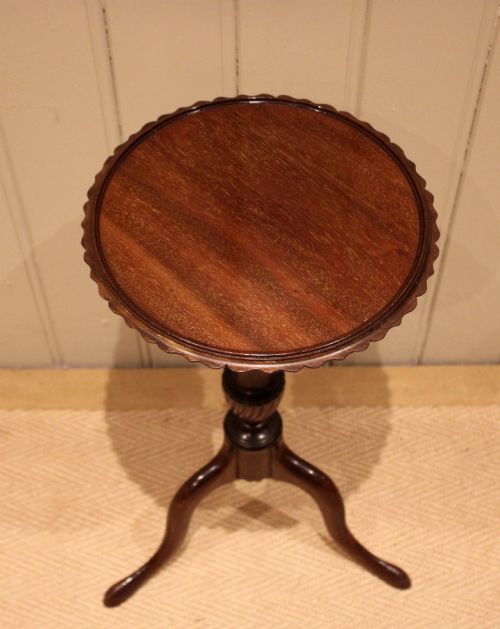
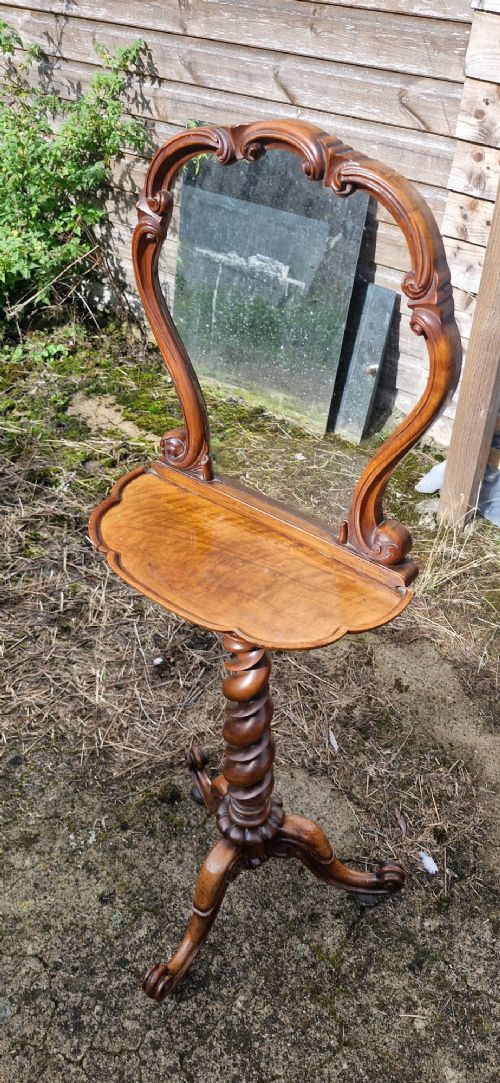
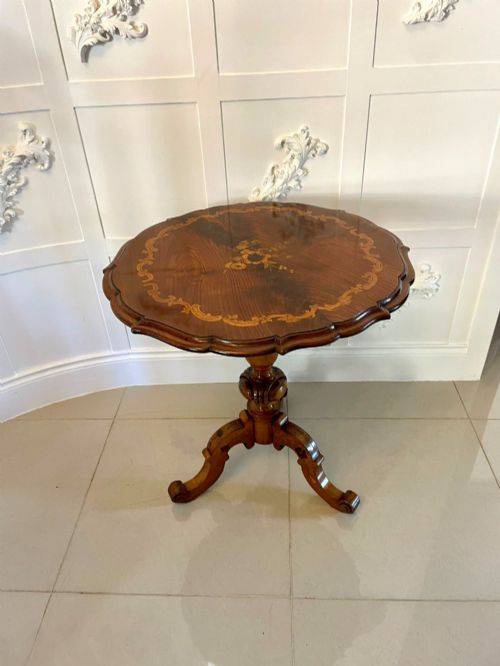
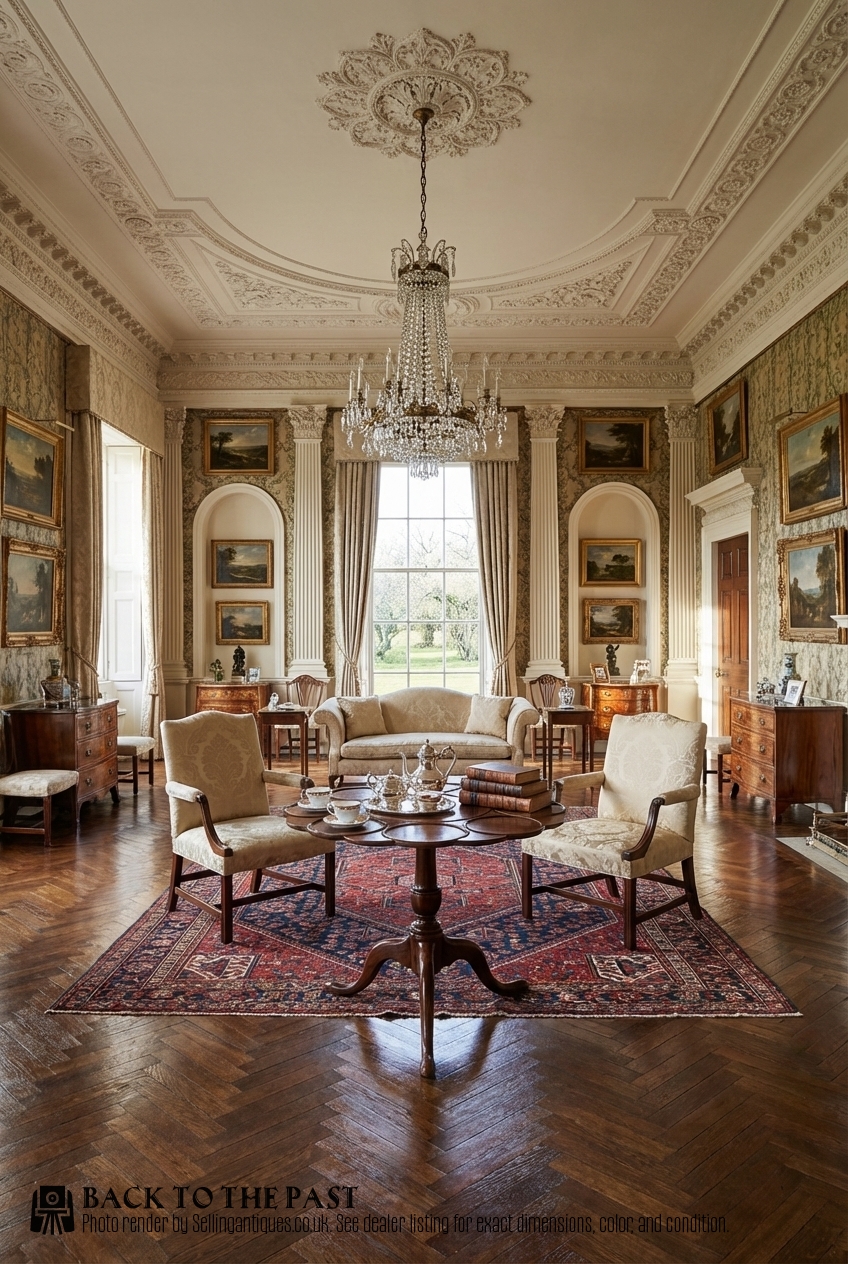
An antique pedestal wine table provides a small, raised surface suited for holding glasses or lamps within a room. The items gathered here span periods from the Georgian era through to the Victorian age and the twentieth century, alongside revival pieces.
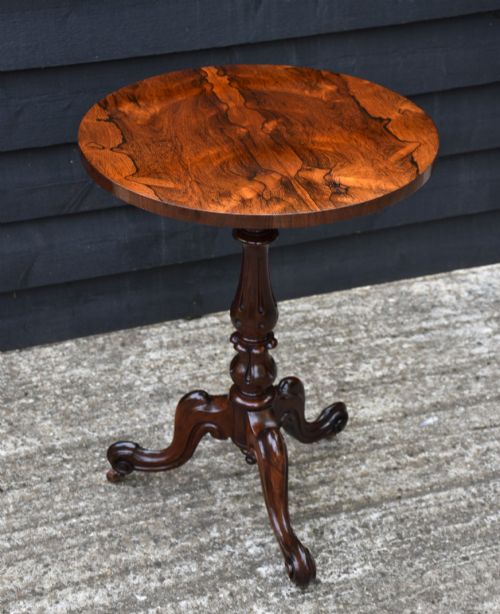
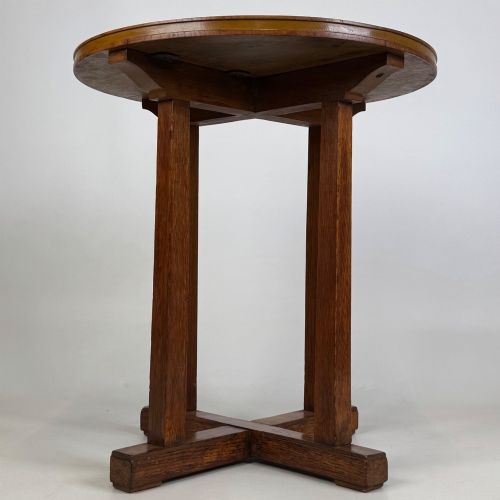
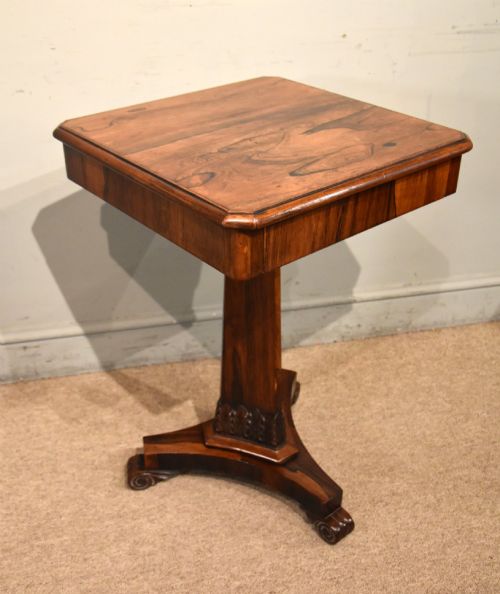
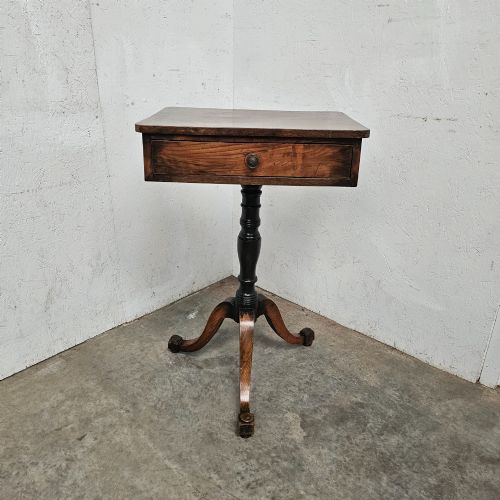
Most examples rely on a tripod base supporting a central pillar, while circular and occasional formats dominate the selection. Makers from the eighteenth, nineteenth, and early twentieth centuries produced these designs in timber, frequently matching them with domestic seating arrangements.
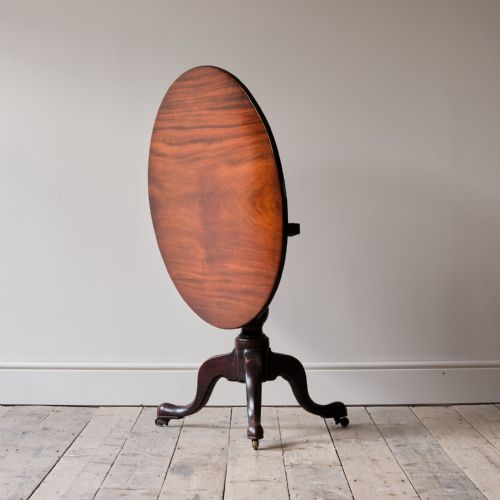
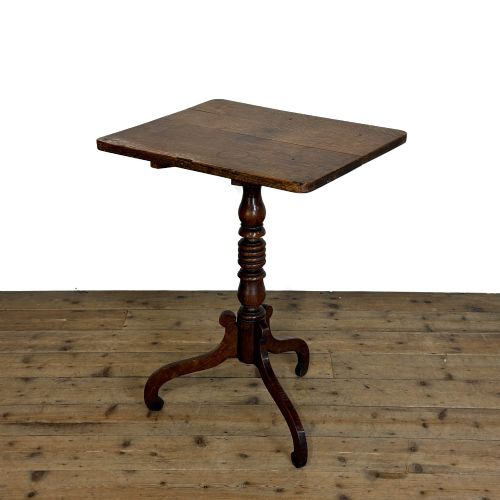
Buyers will encounter variations including tilt-top mechanisms, square tops, and parquetry ornamentation. The forms function equally well as lamp tables, supper tables, or side tables in modern spaces.
Materials and Construction
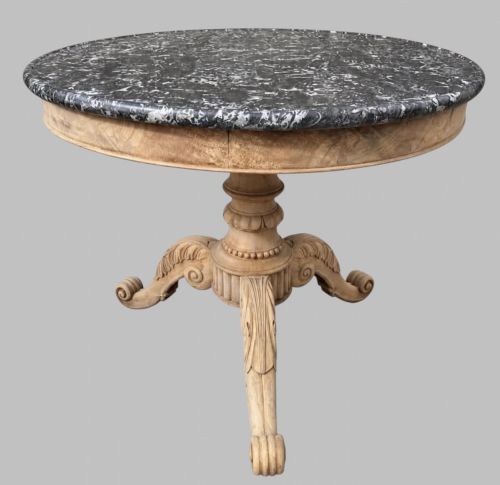
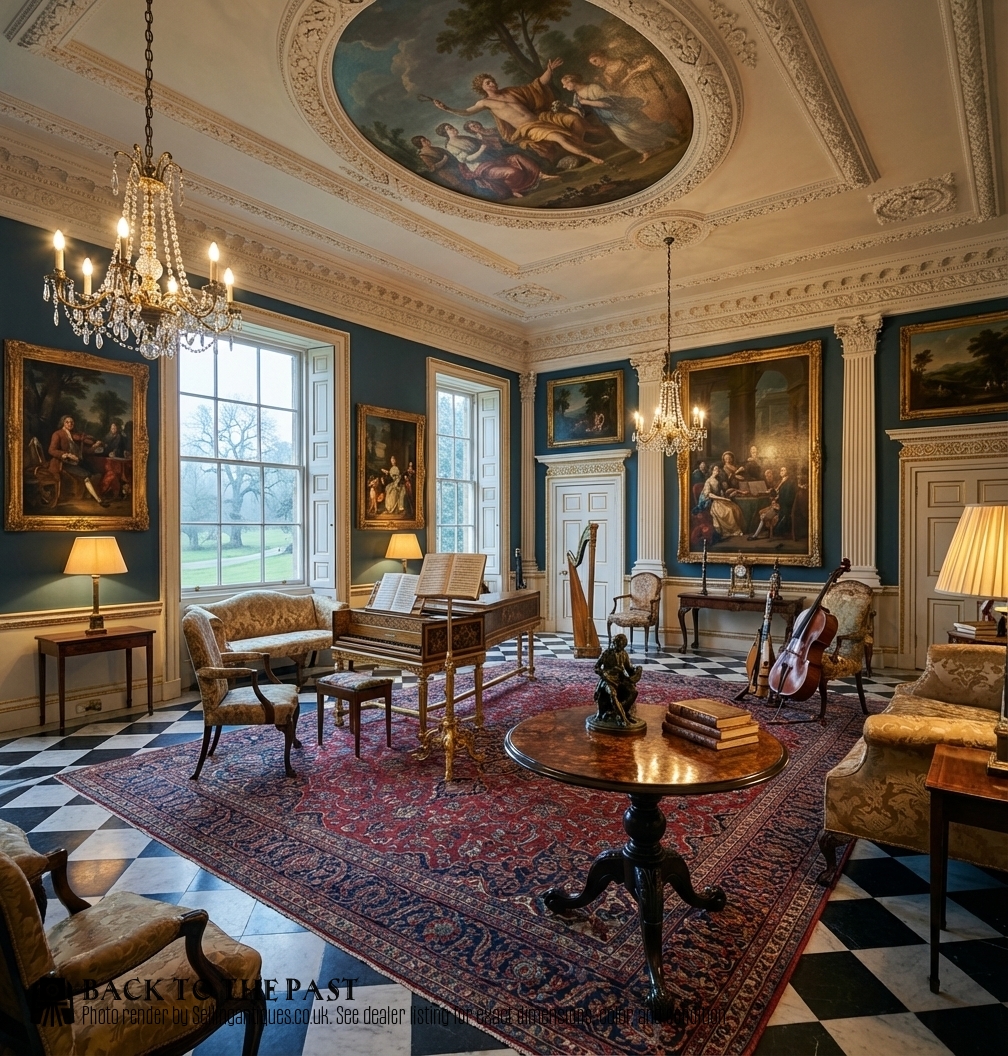
Cabinetmakers constructed these tables primarily in mahogany, walnut, burr walnut, and oak, applying skill to both solid timbers and decorative veneers. Workshops occasionally integrated marble inserts or brass fittings to enhance the visual weight of the design.
The architectural support typically relies on a turned pedestal anchored by three splayed legs forming a tripod base. Tilt-top variants incorporate pivoting hinges that allowed the top to fold flat when not in use.
Retail Price Guide 2026
Typical UK retail prices for pedestal wine table, calculated from the Sellingantiques database of over a million retail prices indexed since 2003. This retail price guide relies exclusively on Sellingantiques data; no external sources or auction records are used, so the figures do not describe the wider market.
Tilt-top tables once stood politely folded against parlour walls, pretending to be decorative panelling until dusk arrived.
Judging Quality
The refinement of the timber selection dictates the visual presence of the piece, particularly where figured mahogany or burr walnut veneer is involved. Grain matching across circular tops and the crispness of turned pedestal columns separate standard examples from finer items.
Structural integrity depends on the joinery connecting the pillar to the tripod legs and the precision of any tilt-top mechanism. Subtle hand-finishing on the edges and legs demonstrates the care taken by the original maker.
The Antique Pedestal Wine Table Glossary
- Tilt top
- A hinged table top that rotates to a vertical position for storage against a wall.
- Tripod base
- A support structure comprising three legs radiating from a central pedestal column.
- Birdcage
- A timber framework beneath the table top that permits both rotation and tilting.
- Parquetry
- Geometric patterns formed from inlaid wood veneers arranged on the surface.
- Occasional table
- A small, movable piece designed for specific, temporary domestic uses.
Frequently Asked Questions
What is a wine table used for?
These small surfaces originally held wine bottles and glasses near seating areas during evening gatherings. Today, they serve reliably as lamp tables or convenient spots for cups in sitting rooms.
Their compact footprint allows them to fit easily beside armchairs or in awkward corners where larger furniture cannot go.
Are these tables sturdy?
The three-legged tripod design provides balanced support on level floors, though smaller tops naturally carry less weight. The connection where the legs meet the central pillar bears most of the daily stress.
Careful placement away from heavy traffic keeps the tables secure while in regular domestic use.
What woods were commonly used?
Mahogany appears most frequently across the Georgian and Victorian periods, often complemented by walnut and oak. Burr walnut and parquetry surfaces introduced decorative patterns to the timber.
Makers also utilised brass and marble for specific decorative effects on select pedestal designs.