

Antique Pedestal Credenza
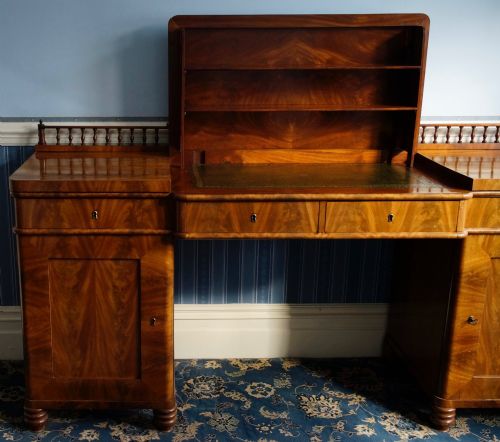
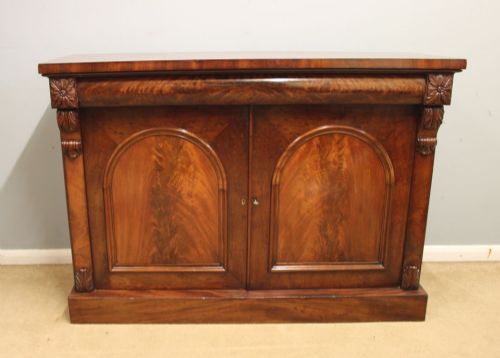
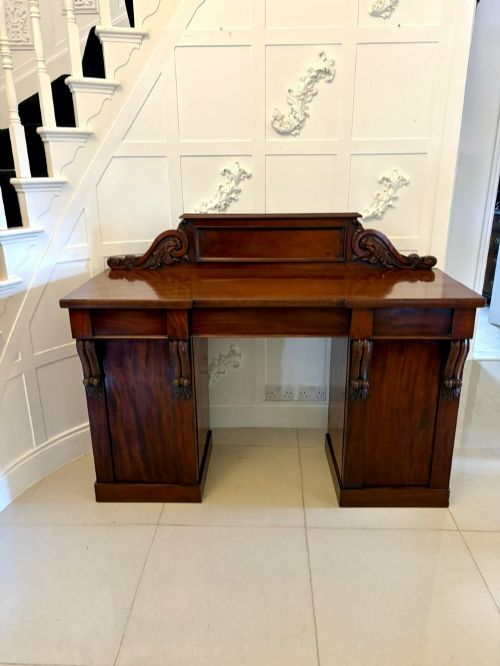
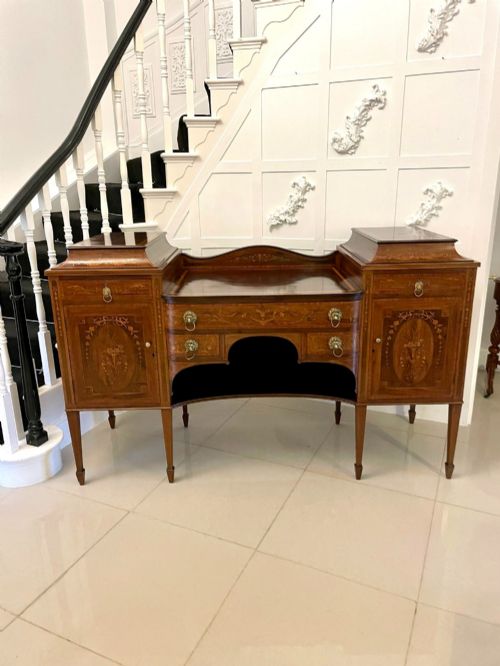
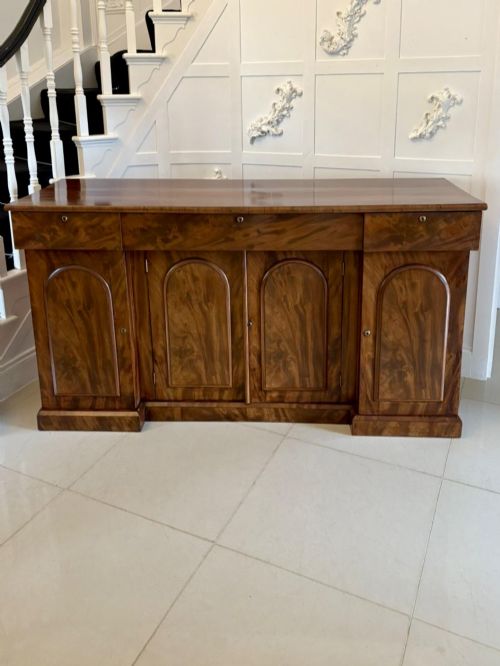
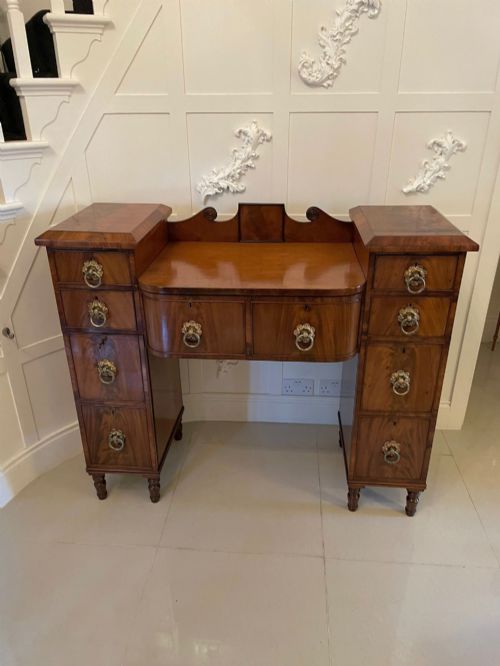
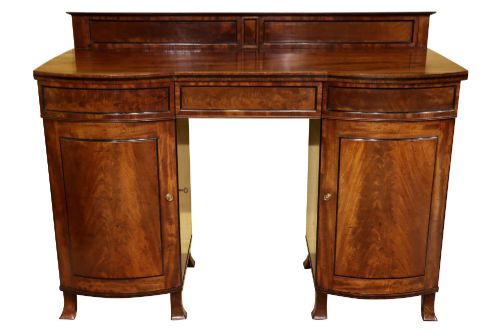
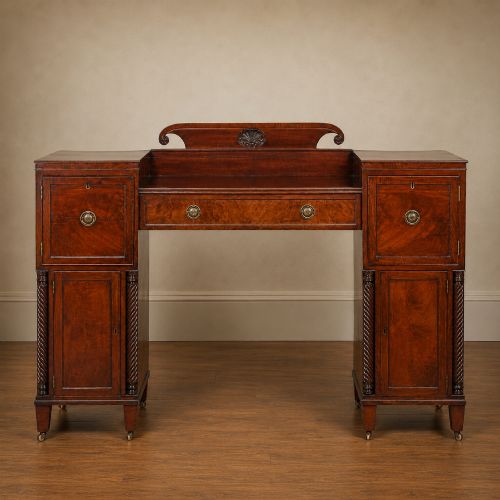
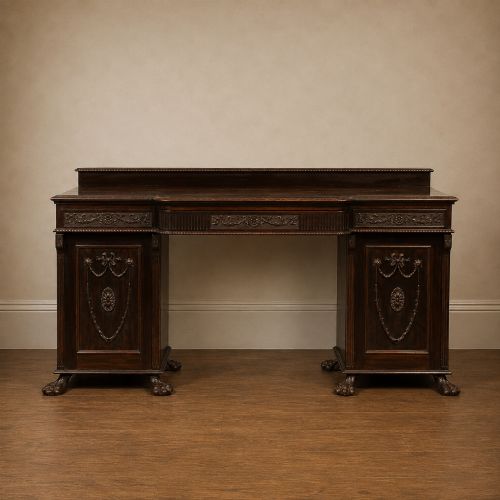
These antique pedestal credenza and sideboard pieces bring architectural presence to a dining room through robust timber and substantial flanking pedestals.

Antique Pedestal Credenza
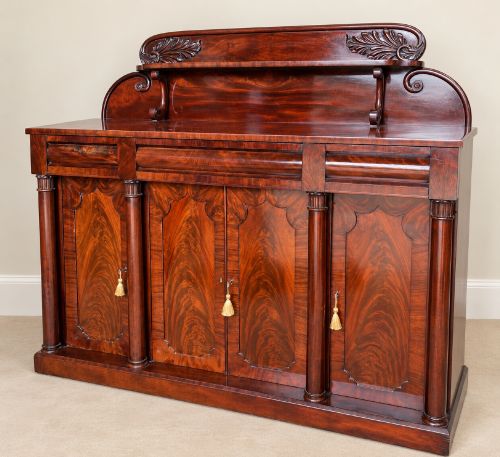
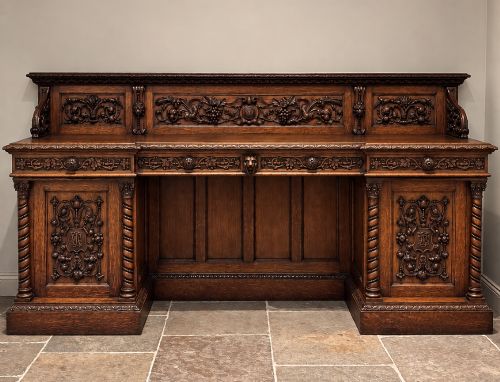
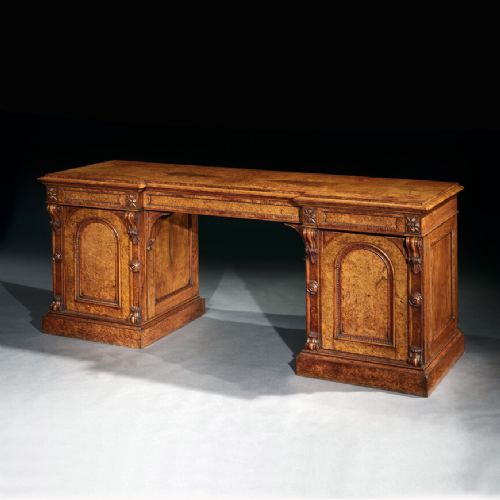
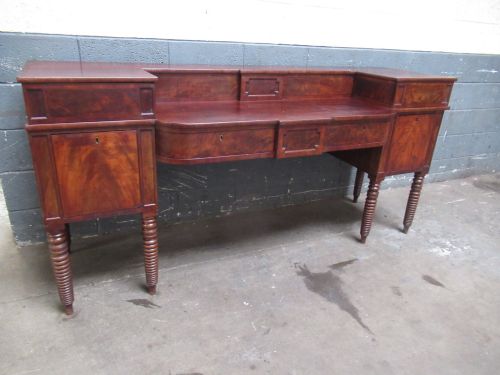
An antique pedestal credenza typically presents as a substantial timber sideboard featuring central cupboard sections flanked by enclosed pedestals or cabinets. The form emerges strongly through Georgian, Regency, and Victorian periods, often utilising solid mahogany or oak.
Buyers searching this phrase encounter variations ranging from restrained George III inlaid pedestal designs to heavy Victorian carved oak and flame mahogany constructions. These pieces serve primarily for storage and display, anchoring formal dining spaces with considerable weight and presence.
How they were made
Cabinet makers relied heavily upon solid mahogany, flame mahogany veneer, and oak, often incorporating contrasting satinwood inlay or brass galleries. Surfaces were shaped by hand, utilising dense timber grains to create natural decorative movement without excessive ornamentation.
Structural integrity relied upon heavy framing, sturdy drawer linings, and precise joinery to support large timber slabs and panelled doors. Carved details such as scrollwork, paw feet, and applied mouldings were worked directly into the solid wood or applied with traditional adhesives.
Listings feature mahogany, oak, and rosewood timbers across Victorian, Georgian, and Regency periods.
What varies in quality
Quality rests primarily in the selection of timber figures, where richly grained flame mahogany veneer or well-matched satinwood inlay elevates the visual depth of the piece. The crispness of hand-carved elements, such as pedestals and mouldings, separates standard production from exceptional cabinet work.
Internal construction, including secondary timbers used for drawer carcasses and the weight of original brass hardware, indicates the original tier of manufacture. Pieces retaining unified timber selection across large breakfront surfaces demonstrate superior workshop origin.
Hewetsons London·Gillows
The Antique Pedestal Credenza Glossary
- Pedestal sideboard
- A large dining room cabinet featuring central storage flanked by two distinct pillar-like cupboards or pedestals. This form provides substantial interior capacity while maintaining architectural symmetry.
- Flame mahogany veneer
- A thin slice of mahogany timber cut from the fork of the tree to produce a flickering, flame-like grain pattern. Cabinet makers applied this to prominent door and drawer surfaces for decorative impact.
- Breakfront
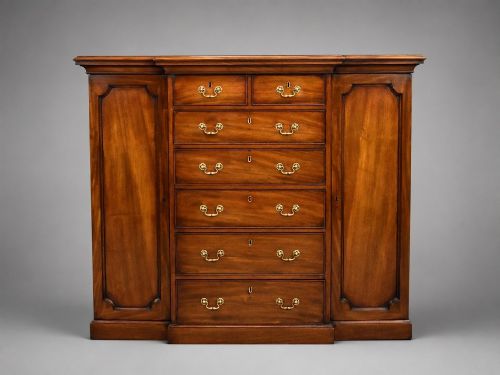
- A piece of furniture where the central section projects forward from the flanking cabinets. This architectural arrangement creates depth and shadow across the front elevation.
- Brass gallery
- A decorative metal rail mounted along the top rear edge of a sideboard. It originally served to prevent serving dishes or glassware from sliding backward off the surface.
- Marquetry
- The art of forming decorative patterns by fitting together contrasting wood veneers. Artisans utilised this technique to create intricate floral or geometric motifs on cabinet fronts.
Antique Pedestal Credenza: Frequently Asked Questions
Where were pedestal credenzas used?
These large timber pieces were traditionally placed in formal dining rooms or entrance halls to store heavy tableware, linens, and serving platters. Their broad top surfaces also served for displaying silver and serving food during large gatherings.
Today, they function similarly in spacious modern dining areas or large living rooms, providing substantial enclosed storage while serving as a commanding focal point against a wall.
How do I date an antique sideboard?
Dating relies upon examining the timber species, secondary woods used in drawer construction, and the prevailing decorative style. Regency and Georgian pieces often display lighter inlay and brass galleries, whereas Victorian examples tend toward heavier carved oak and mirror backs.
Hardware styles, joint construction methods, and timber preparation techniques also offer clear indicators of whether a piece originates from the late eighteenth century or the mid-nineteenth century.
How do I care for flame mahogany?
Mahogany surfaces benefit from regular dusting with a soft, dry cloth and occasional application of traditional beeswax to nourish the timber and protect the veneer. Keeping the wood away from direct heat sources and strong sunlight prevents the finish from drying and the veneer from lifting.
Using coasters and placemats on the top surface safeguards the polish against moisture rings and heat marks from everyday use.
What is the difference between a sideboard and a credenza?
While the terms often overlap in modern usage, traditional sideboards generally feature a long surface with drawers and cupboards designed specifically for dining room service. Credenzas historically describe low cabinets featuring cupboards without lower legs, though many nineteenth-century variations blend these characteristics.
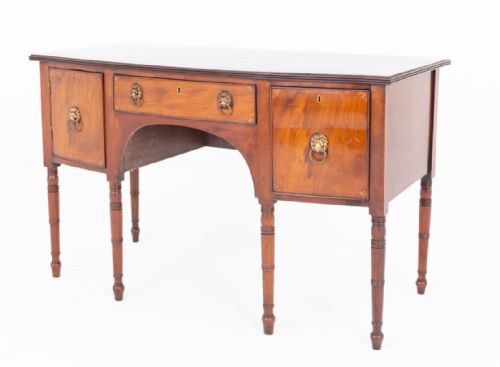
Pedestal versions incorporate distinct side pillars that extend down to the floor, creating a more architectural and enclosed silhouette than standard open-legged sideboards.