


Victorian Pedestal Server
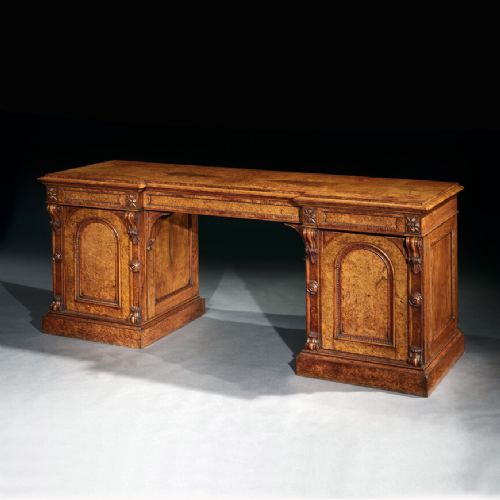
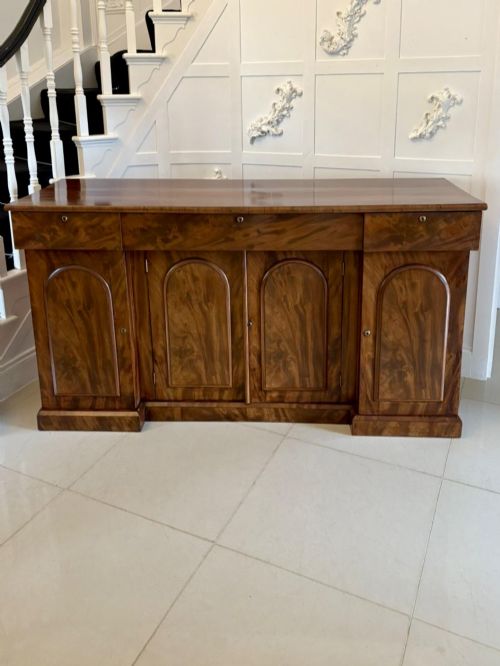
A victorian pedestal server offers imposing dining room storage, combining substantial timber cabinetry with deep flanking cupboards.

Victorian Pedestal Server
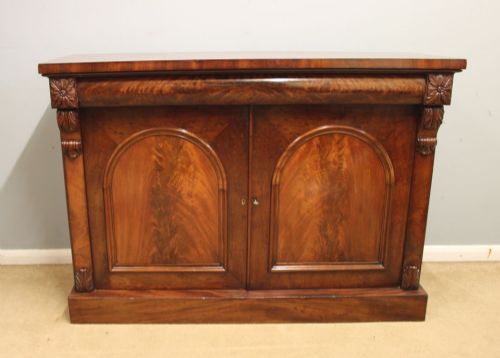
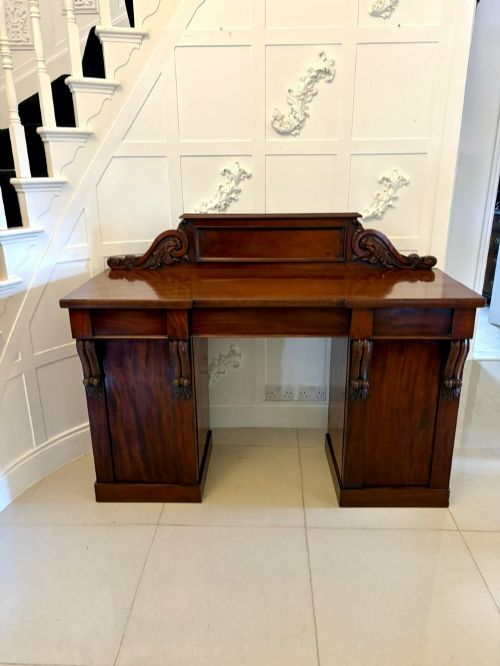
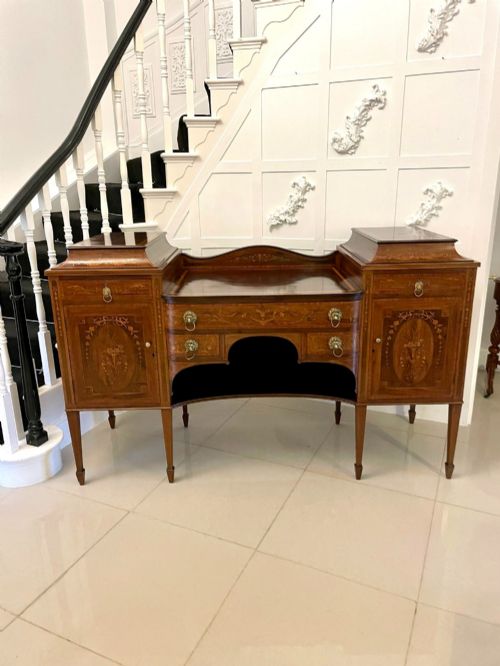
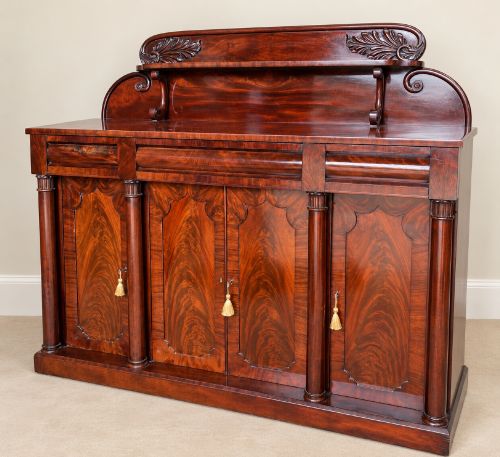
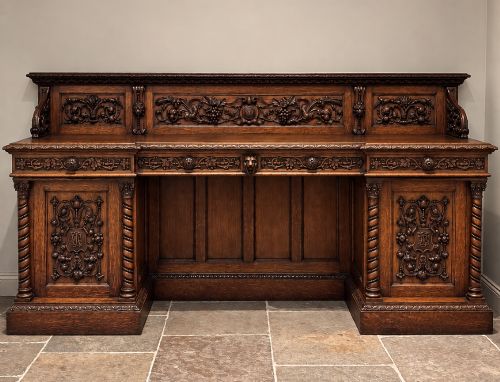
A victorian pedestal server typically presents as a heavy sideboard equipped with twin columnar cupboards flanking a central recess or doors, originating predominantly from the 19th century. Buyers searching for a victorian pedestal server generally encounter substantial timber case pieces shaped by Victorian, William IV, or Georgian revival design preferences. These dining room cabinets often incorporate large mirror backs, carved oak details, or breakfront configurations designed to anchor a formal interior.
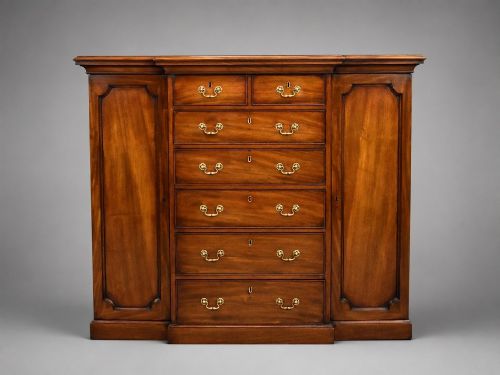
Makers and workshops of the period utilised robust proportions, ranging from compact examples to grand country house formats. The evidence shows these serving pieces emerging in mahogany, flame mahogany veneer, and carved oak, sometimes featuring Pollard oak or padouk timbers. Alongside conventional sideboards, related dining furniture such as chiffoniers and occasional serving tables appear within the broader stylistic category.
Assessing Craftsmanship and Proportion
Proportion and structural integrity further divide the range, as master cabinet makers maintained balanced sightlines even on grand, monumental scales. Fine detailing in the mouldings and crisp execution of structural carvings separate standard utility items from pieces bearing refined stylistic ambition.
Listings for this phrase frequently span the Victorian period, with examples also drawing on Georgian and William IV design traditions.
Hewetsons London·Daniel and Arter of Birmingham·Copeland and Garrett
The Victorian Pedestal Server Glossary
- Pedestal sideboard
- A large dining room cabinet featuring two enclosed cupboards flanking a central section, often standing on plinth bases.
- Flame mahogany veneer
- A thin slice of mahogany timber displaying a distinctive swirling, flame-like grain pattern, prized for decorative cabinet fronts.
- Chiffonier
- A lower-bodied sideboard or cabinet equipped with enclosed shelving below, frequently topped with a mirror or small superstructure.
- Pollard oak
- Timber taken from trees that have been pollarded, yielding a dense, knotty grain structure with high decorative appeal.
- Marquetry
- The art of applying small pieces of veneer to a structure to form decorative patterns and pictures.
Victorian Pedestal Server: Frequently Asked Questions
What is a victorian pedestal server used for?
These large cabinets served as practical dining room furniture designed for storing silver, linen, and serving dishes during large meals.
The flat top surface functioned as a staging area for laying out food, decanters, and heavy serving pieces before service at the dining table.
How do I identify a Victorian sideboard?
Victorian sideboards are characterised by heavy timber construction, predominantly in mahogany or oak, often featuring deep pedestal cupboards and elaborate scrolling carvings.
Many examples incorporate large architectural mirror backs or breakfront plinths that reflect the revivalist tastes of the nineteenth century.
Are these pieces suitable for modern dining rooms?
Their substantial proportions require significant wall space and sturdy floor support, making them best suited to larger dining rooms or spacious entrance halls.
Inside, the deep cupboards and drawers provide practical storage for modern tableware, serving platters, and linens.
What timber was commonly used?
Mahogany is the predominant wood seen across these serving pieces, frequently enhanced by figured flame mahogany veneers that highlight the natural grain.
Oak also appears regularly in heavy, carved iterations, alongside occasional use of Pollard oak and exotic padouk timbers.