
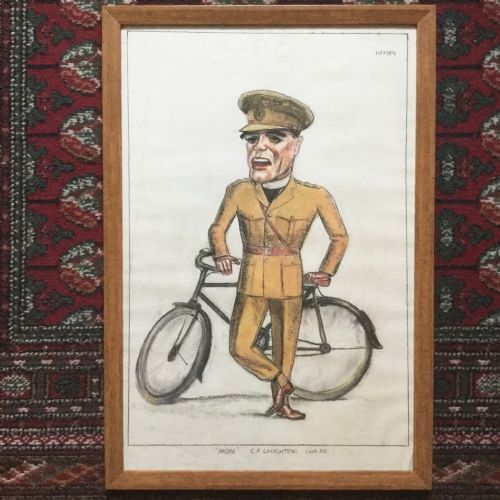
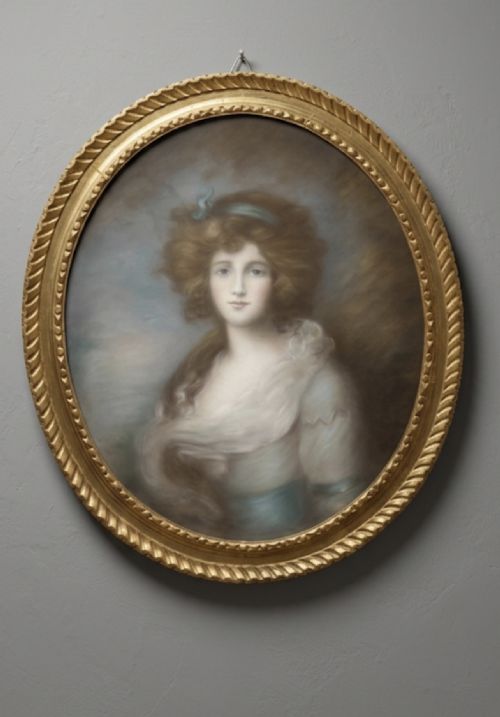
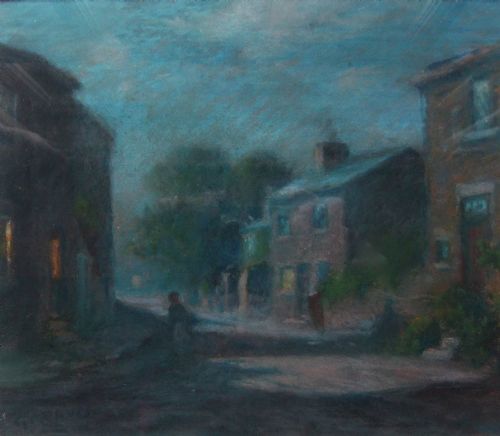

Antique Pastel on Paper
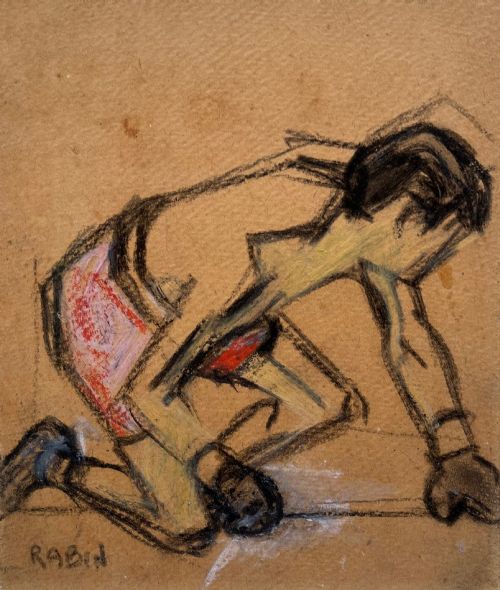
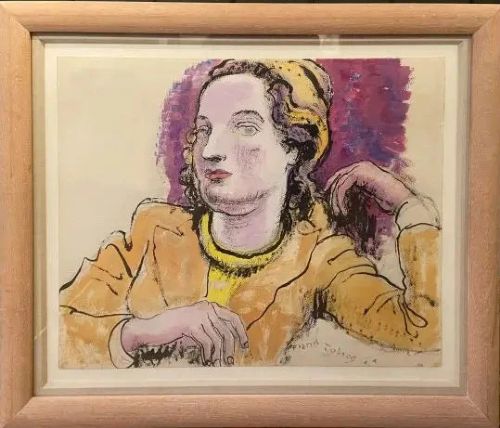
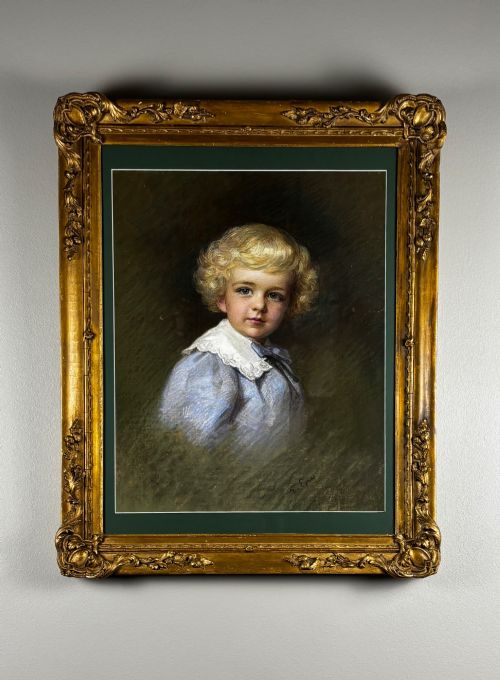
These antique pastel on paper works combine pigment and paper to capture fleeting expressions and light with remarkable immediacy.
Antique Pastel on Paper
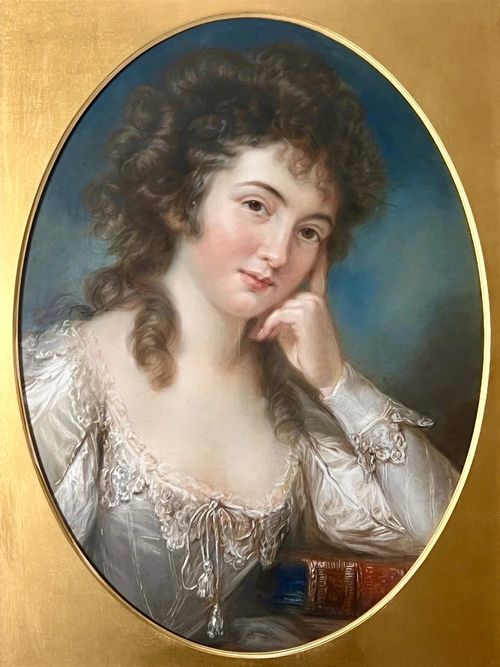
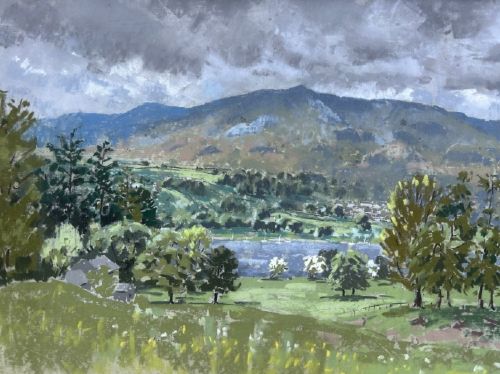
An antique pastel on paper work is a fine art piece created with ground pigment sticks applied to a paper support, spanning centuries of portraiture and landscape depiction. When searching for this phrase, collectors encounter framed wall art that ranges from eighteenth-century society portraits to twentieth-century cityscapes.
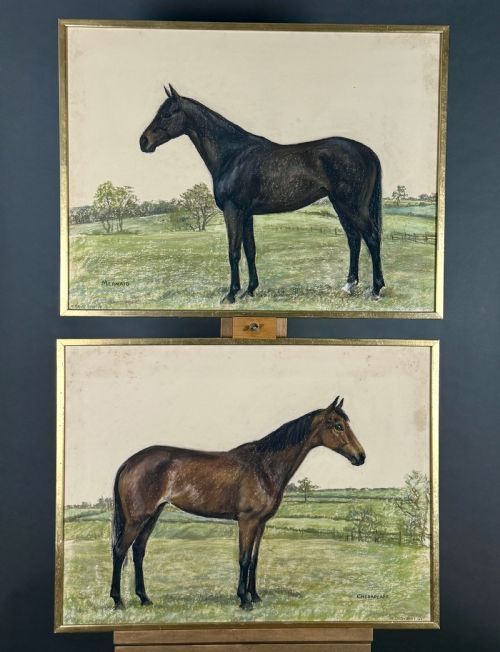
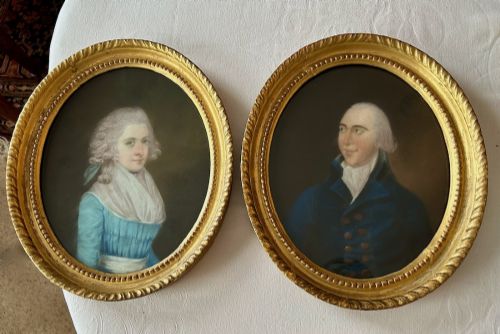
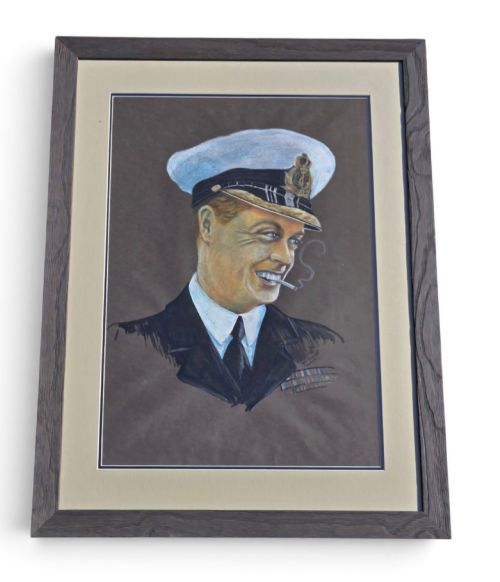
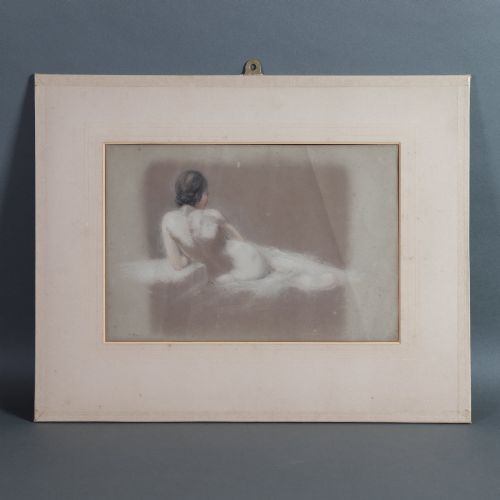
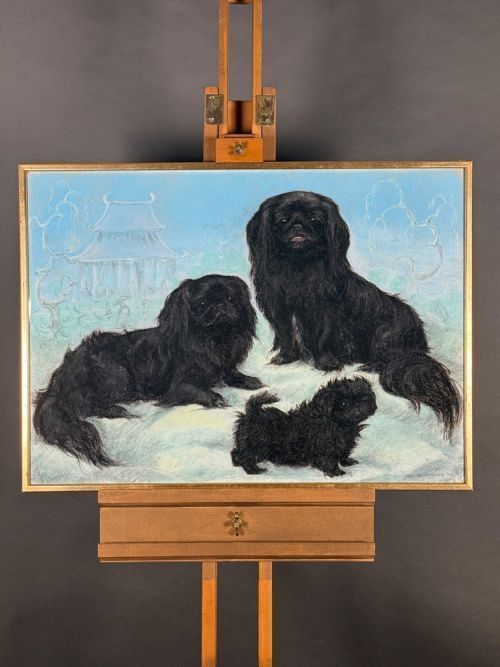
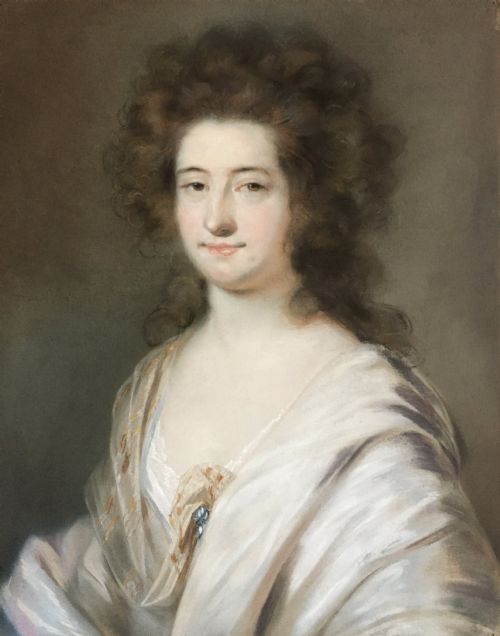
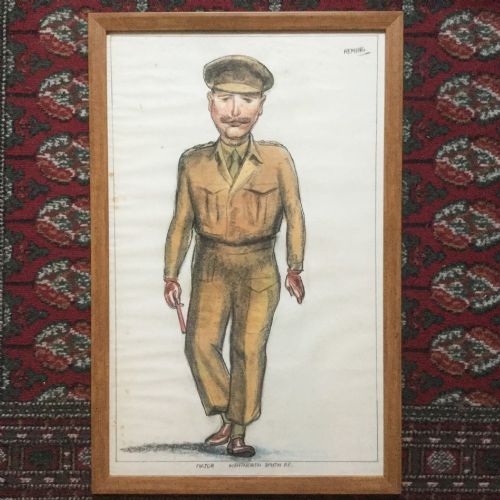
The pieces on this page appear in various formats, including individual sheets and paired portraits framed behind glass. Subjects stretch from domestic animals and botanical scenes to military officers and elegant ladies, often preserved in period wood or giltwood frames.
Materials and Technique
Makers utilised finely ground pigments bound into sticks, applying them directly to paper supports alongside charcoal, chalk, or gouache to build up rich tones and soft transitions.
Many works combine pastel with watercolour or mixed media, relying on the dry texture of the pigment to create depth before framing the finished drawing securely behind glass for protection.
Subjects range from solemn military officers and noble princes to nursery poodles and three black Pekingese dogs.
Variations in Quality
Quality rests upon the certainty of the draughtsmanship and the artist's ability to capture the sitter's likeness or atmospheric light without heavy reworking. Superior examples display confident handling of chalk and pigment where the texture of the paper supports the composition.
The preservation of the delicate pigment surface beneath original glass and within period frames distinguishes pieces that retain their intended vibrancy from those compromised by poor storage or light damage.
William Etty·Emily Eyres·William Greaves·Nathaniel Bermingham·George Richmond
The Antique Pastel on Paper Glossary
- Pastel
- A dry medium composed of powdered pigment and a binder, shaped into a stick for drawing. It produces rich, velvety surfaces with high colour saturation.
- Giltwood
- Wood carved and coated with gold leaf or gold paint, frequently utilised for decorative antique picture frames. This finish provides a bright border around works on paper.
- Gouache
- An opaque water-based paint often combined with pastel in mixed media works. It adds solid highlights and dense opaque colour to paper supports.
- Support
- The physical foundation upon which an artwork is executed, in this case consisting primarily of paper. The texture and weight of this material influence how the pigment adheres.
Antique Pastel on Paper: Frequently Asked Questions
How should I clean antique pastel on paper?
You should leave cleaning to professional conservators because the loose pigment particles lift away easily from the paper support.
Opening the frame or attempting to dust the surface can cause permanent loss of material and ruin the delicate balance of the drawing.
Why are pastels framed under glass?
Glass protects the fragile pigment layer from physical touch, airborne dust, and moisture which would otherwise degrade the dry material.
Pastel lacks the protective varnish of oil paintings, making physical barriers essential for long-term preservation on paper.
How do I date an antique pastel?
Dating relies upon stylistic markers in the subject's clothing, the framing materials, and any signatures or inscriptions found on the paper.
Comparison with documented works from specific periods such as the eighteenth or nineteenth century helps narrow down the timeframe.
Are pastels considered drawings or paintings?
Art historians classify pastels as drawings because the medium employs dry sticks applied directly to a support rather than liquid paint applied with a brush.
Despite this classification, heavily worked pieces with complete colour coverage are frequently referred to as pastel paintings.