


French Pastel Drawing
These French pastel drawing works on paper bring soft colour and delicate portraiture into a room.
French Pastel Drawing
A french pastel drawing captures subjects ranging from formal portraiture to bustling city streets and quiet landscapes. These works appear in periods spanning the nineteenth century through to the mid-twentieth century, including Art Deco and post-impressionist examples.
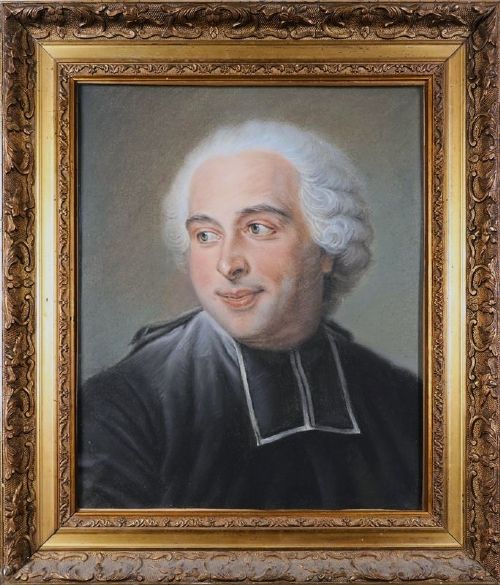
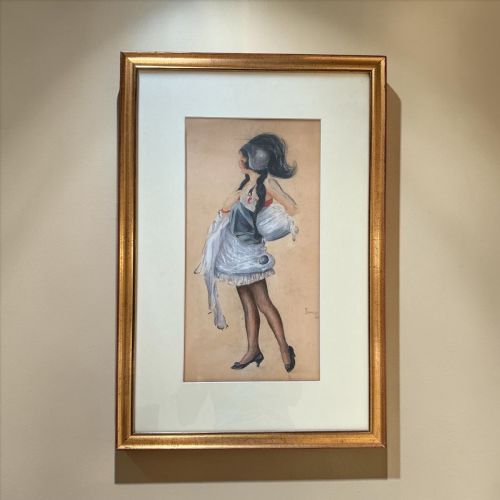
Buyers will encounter oval portraits, framed fine art, and landscape views executed on paper or board. The subjects include young ladies, historical figures like l'abbé Pommyer, and dancers such as an Art Deco French ballerina.
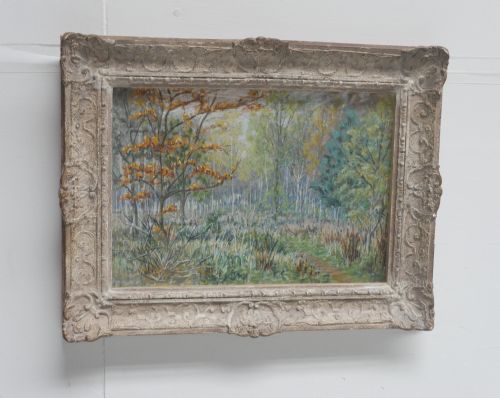
The aesthetic shifts from nineteenth century French school traditions to impressionist cityscapes and pastoral scenes. Each piece demonstrates the versatility of pastel pigment applied to a prepared surface.
Materials and construction
Artists apply dry pastel pigment directly onto paper or board to build up layers of rich colour and subtle tone. Many examples are secured beneath glass to protect the fragile pigment from disturbance.
Listings feature works created across the nineteenth and twentieth centuries, utilising pastel on paper or board within giltwood and glass enclosures.
What separates the fine examples
The integration of the original giltwood or gilt wood frame adds to the historical integrity of the piece. Works that retain their crisp pastel application without heavy fading represent the higher tier of the range.
The French Pastel Drawing Glossary
- Pastel
- A dry medium composed of powdered pigment and a binder, shaped into sticks for drawing. It creates velvety textures and soft colour transitions.
- Giltwood
- Wood that has been treated with a thin layer of gold leaf or gilt. This finish is common on antique picture frames.
- Impressionist
- A style focusing on accurate depiction of light and fleeting moments. These works often feature visible brush or pastel strokes and everyday subject matter.
- Post-Impressionism
- An artistic movement following impressionism that explores emotional resonance and structural form. It builds upon impressionist techniques with bolder colour choices.
French Pastel Drawing: Frequently Asked Questions
How should I frame a pastel drawing?
Pastel drawings require framing under glass with a spacer to ensure the fragile pigment does not touch the glazing surface. This prevents the delicate powder from smudging or adhering to the glass over time.
Traditional giltwood or wood frames complete the presentation while keeping the work secure and properly sealed from environmental moisture.
What subjects appear in these works?
The subjects range from detailed portraiture of individuals like young ladies and historical figures to scenic landscapes and city views. Examples include ballet dancers, woodland scenes, and winter harbours.
Artists also recorded architectural settings and evening landscapes, offering a diverse array of visual themes across different decades.
Are these works executed on paper?
The primary support material is paper, though select pieces utilise board as a foundation for the pigment. Pastel on paper remains the standard method for works from the nineteenth and twentieth centuries.
The ground provides the necessary tooth for the dry pastel particles to adhere securely before being placed under protective glass.
How do I date an antique pastel?
Dating relies on stylistic clues, framing techniques, and specific inscriptions or dates recorded within the titles or signatures of the works. Pieces span from the nineteenth century through the Art Deco era and into the mid-twentieth century.
Examining the materials of the backing and the style of the giltwood frame also helps establish the period of creation.