

Antique Parlour Chair
An antique parlour chair brings Victorian and Edwardian reception rooms into focus with rich timber frames and plush upholstery.
What an antique parlour chair is
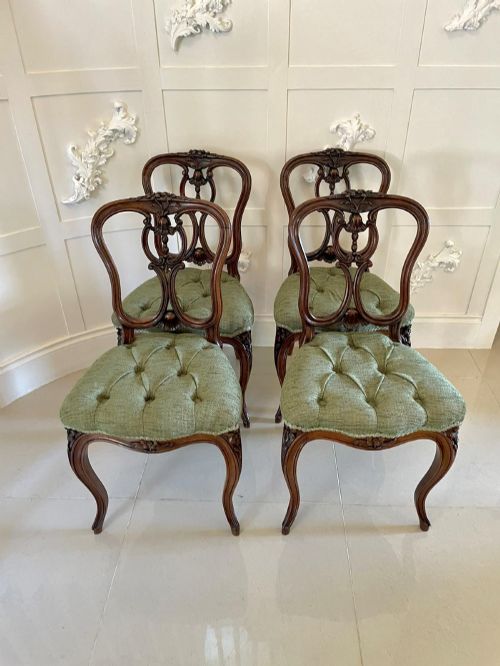
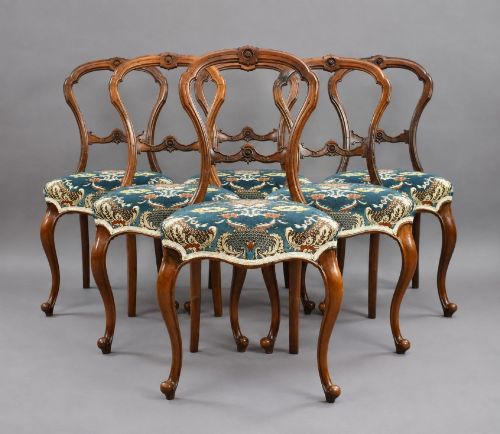
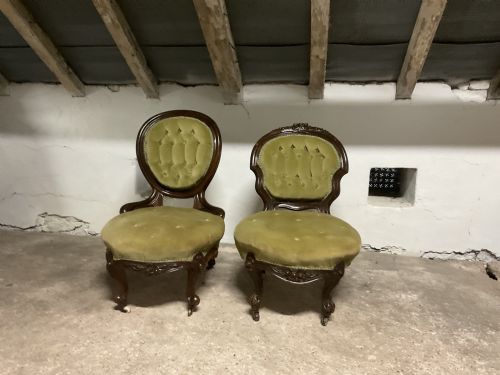
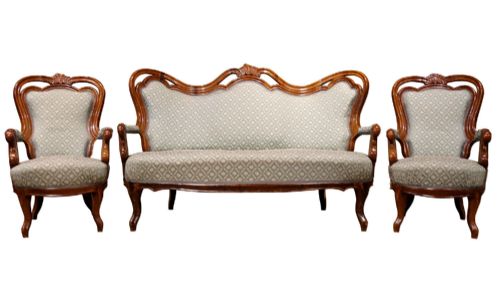
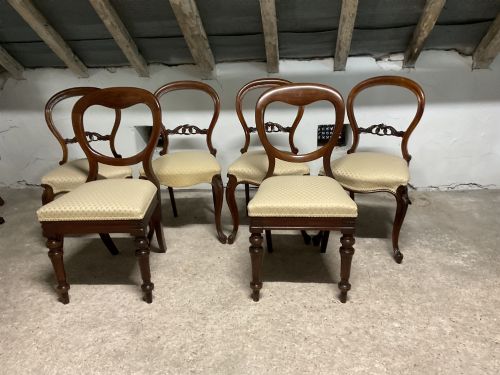
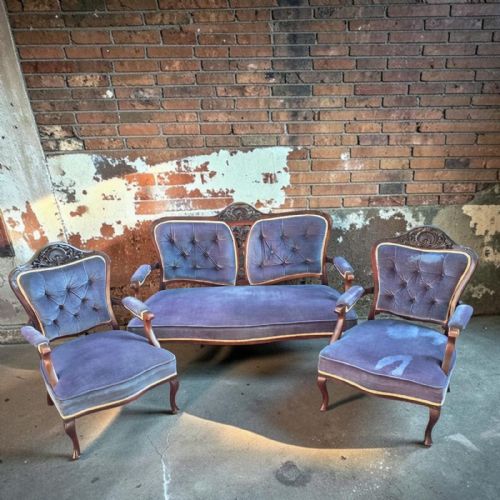
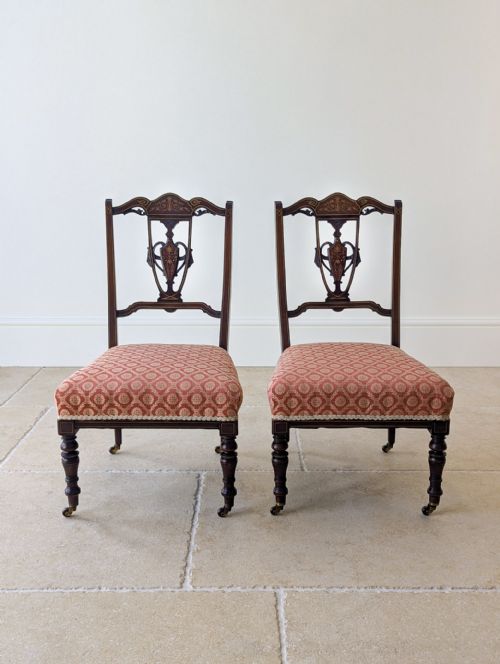
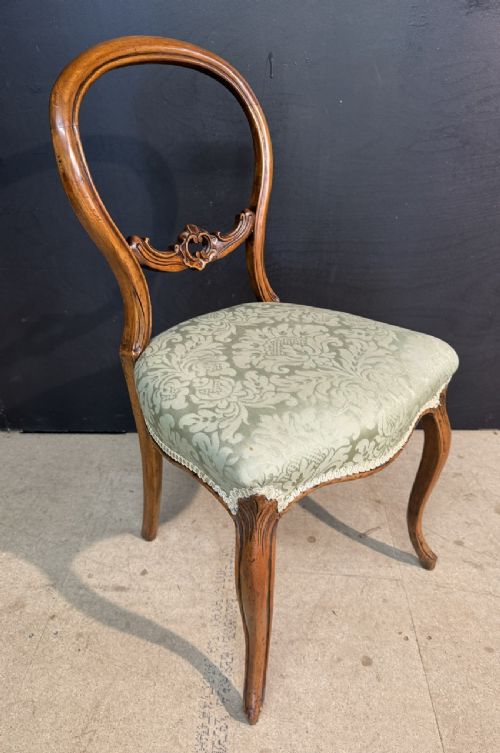
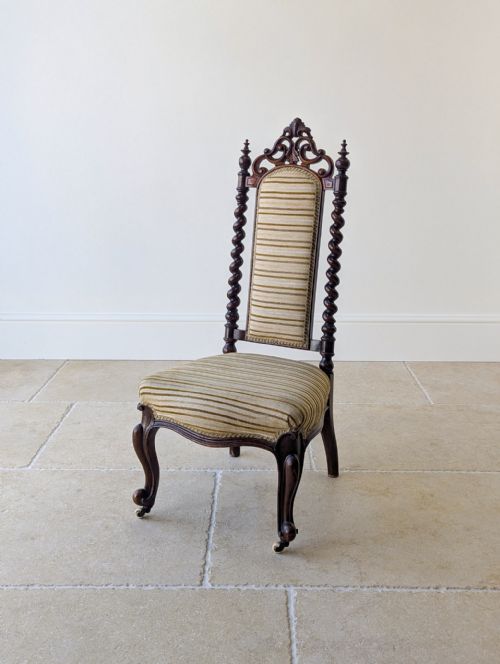
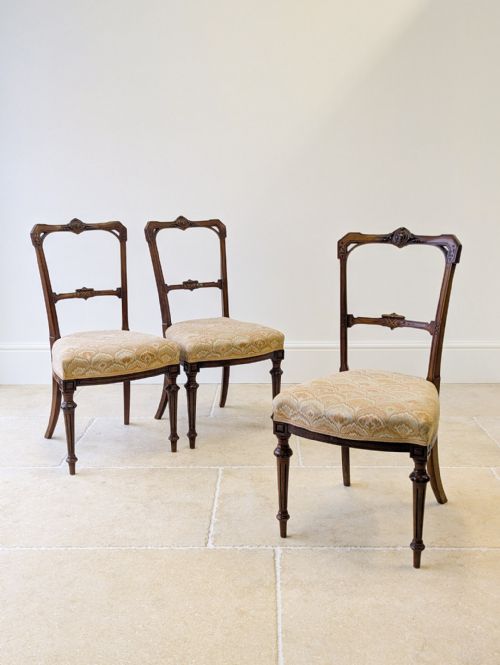
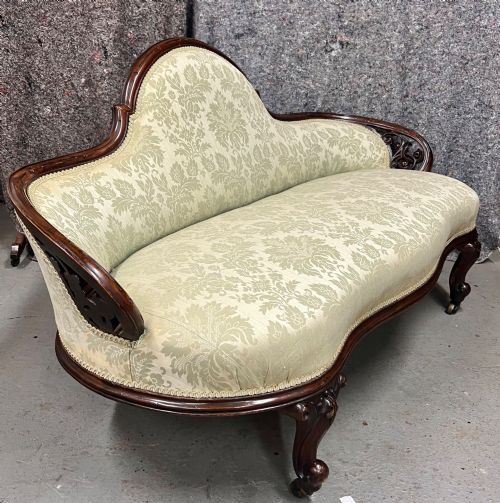
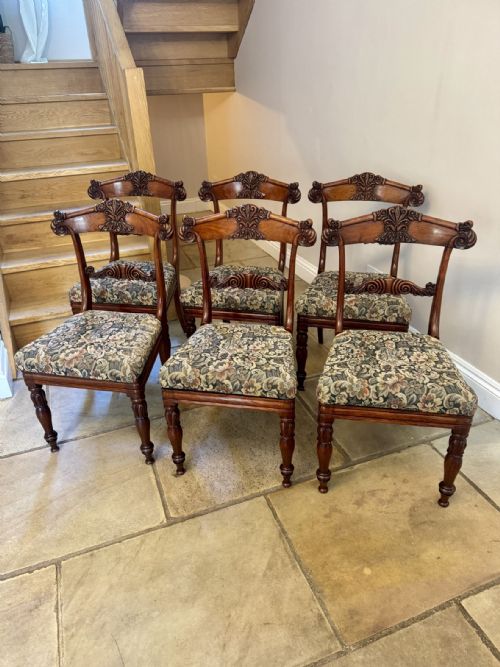
An antique parlour chair is a seated reception piece designed for formal entertaining during the nineteenth and early twentieth centuries. These chairs appear in several forms across the Edwardian and Victorian periods, including armchairs, occasional chairs, side chairs, and balloon chairs. Most examples on this page date from the Victorian era or the subsequent Edwardian period.
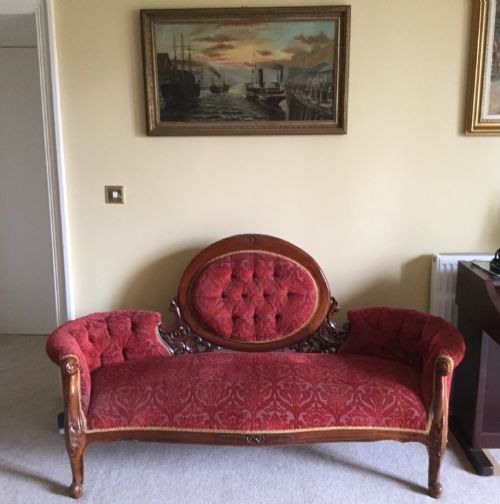
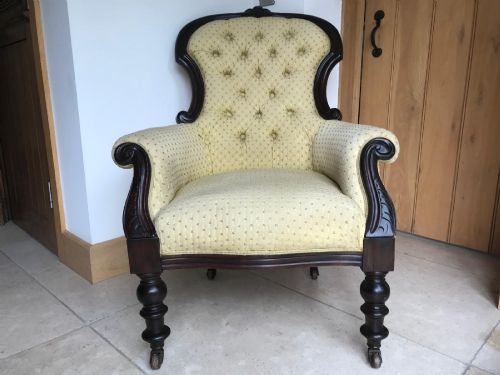
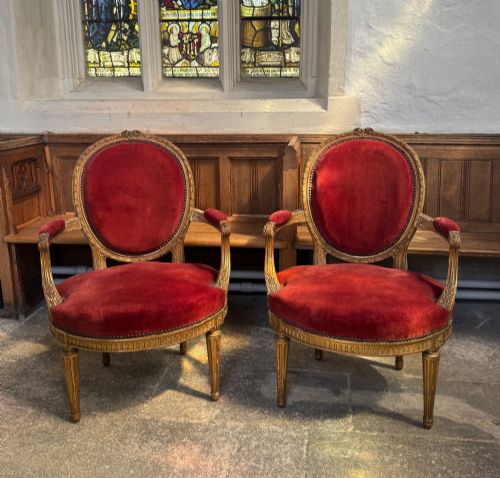
The timber frames utilise rosewood, walnut, mahogany, and beech, often shaped into showwood frames or scroll backs. Upholstered versions feature velvet, satin, fabric, damask, and button back finishing. Buyers encounter these pieces as single items, pairs, small sets, or part of larger salon suites alongside sofas.
How they were made
Cabinet makers constructed these frames using dense hardwoods such as mahogany, rosewood, walnut, and beech. Many frames incorporate carved showwood details and floral inlay work set into the timber. Brass components occasionally provide structural or decorative support.
Upholstery techniques involved durable textiles including velvet, satin, fabric, and damask. Makers frequently applied button back finishing to the padded sections to secure the internal stuffing and create a tailored surface.
Retail Price Guide 2026
Typical UK retail prices for parlour chair, calculated from the Sellingantiques database of over a million retail prices indexed since 2003. This retail price guide relies exclusively on Sellingantiques data; no external sources or auction records are used, so the figures do not describe the wider market.
Materials span hard timbers including rosewood, walnut, mahogany, and beech, paired with brass and soft textiles.
What varies in quality
Quality rests in the selection of timber and the precision of the carved elements on the showwood frame. Dense woods like rosewood and walnut with crisp, deep carving represent higher tiers of craftsmanship than simpler beech frames.
The choice of upholstery material and the execution of details such as floral inlay and button back work separate standard utility seating from finer salon pieces.
The Antique Parlour Chair Glossary
- Showwood
- Timber framing left exposed around the upholstered portions of a chair. This technique displays the grain and carved details of woods like walnut or rosewood.
- Balloon Chair
- A Victorian chair style featuring an oval or rounded open backrest shaped like a balloon. These frames are typically formed from mahogany or walnut.
- Occasional Chair
- A lightweight, movable seating piece designed to be placed around a room as needed. Edwardian examples often feature beech frames and floral inlay.
- Damask
- A reversible figured fabric traditionally woven on a jacquard loom. Parlour chairs utilise damask for formal upholstered panels and replacement covers.
Frequently Asked Questions
Where were parlour chairs used?
These seats belonged in the formal reception rooms and parlours of nineteenth and early twentieth century homes. Families used them for receiving guests and social gatherings.
Today they function effectively as accent seating in living spaces, bedrooms, and studies where a compact decorative chair is required.
How do I date a parlour chair?
Dating relies on identifying timber choices, stylistic markers, and construction methods. Victorian pieces frequently employ rosewood or walnut with balloon backs or carved showwood.
Edwardian alternatives often turn to lighter beech frames combined with inlaid decoration and floral motifs.
Are parlour chairs comfortable?
These chairs were built for upright formal posture during Victorian and Edwardian social visits rather than lounging. Their padding and sprung bases offer firm support.
Upholstered variants with button backs provide a more cushioned sit while maintaining a neat architectural profile.
Can I mix styles in a room?
Mixing these pieces across periods is common practice because Victorian and Edwardian seating shares complementary timber tones and formal proportions. Pairing a walnut armchair with a mahogany side chair adds textural depth.
Keeping scale and wood finishes relatively balanced helps disparate chairs sit comfortably together.