




Antique Parian Figures
Antique parian figures capture the smooth, unglazed surface of classical sculpture in miniature, offering Victorian interiors a taste of ancient marble.
Antique Parian Figures
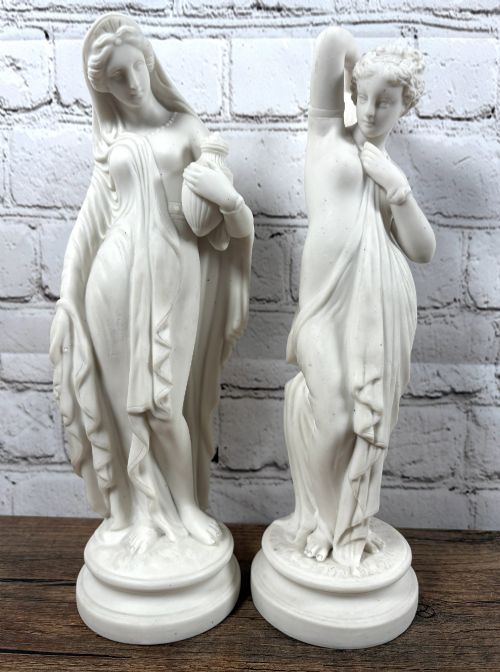
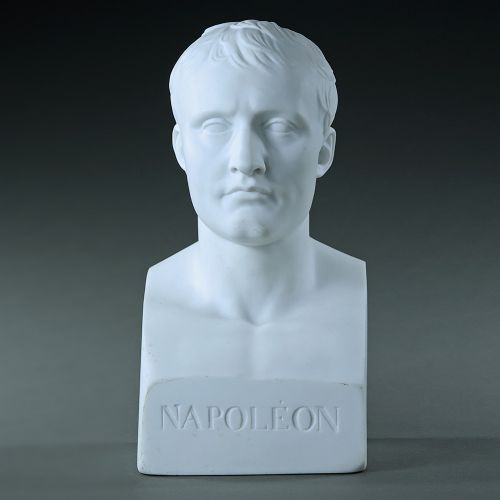
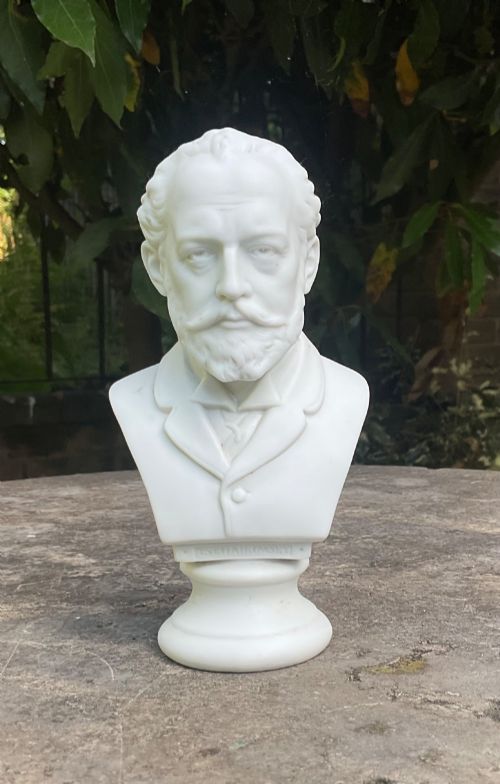
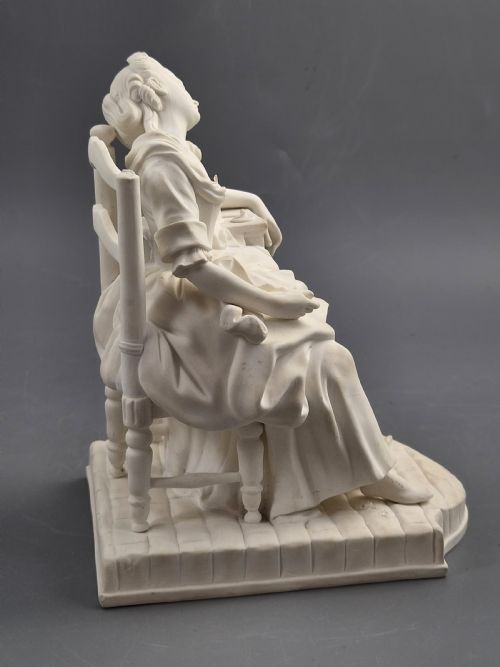
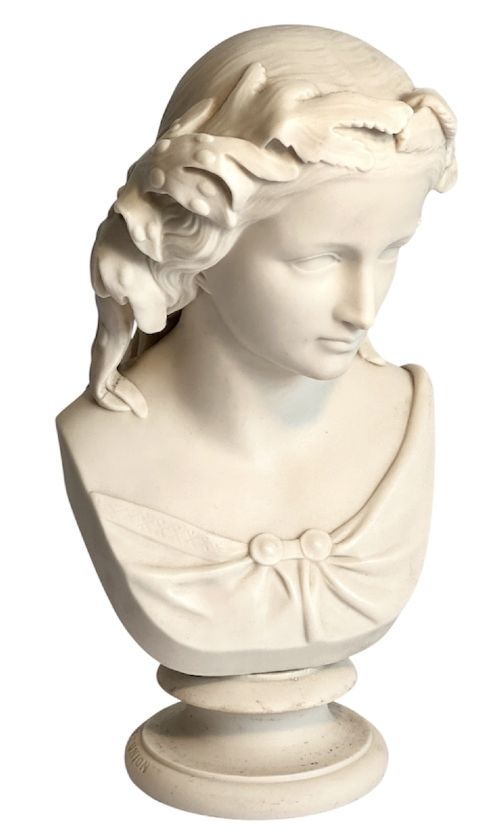
When you search for antique parian figures, you encounter a distinct sculptural tradition that flourished across the nineteenth century. These pieces predominantly take the form of classical maidens, literary heroines, historical busts, and allegorical groups modelled after famous works. You will most frequently meet Victorian interpretations of mythological subjects, alongside portraits of royalty and statesmen.
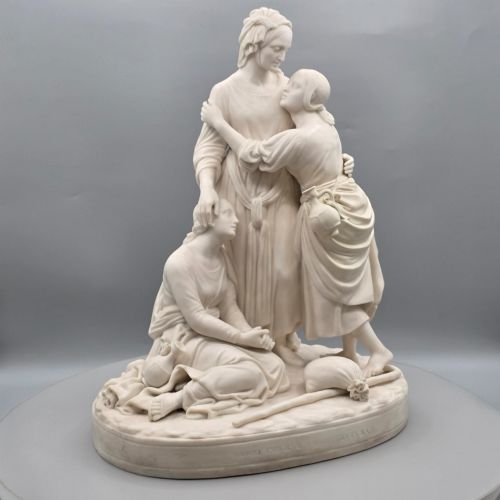
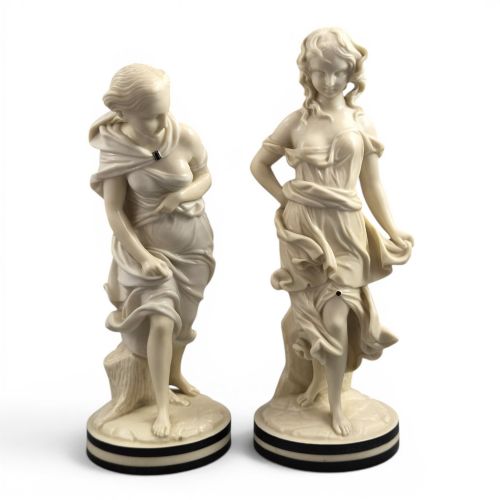
The objects span individual statuettes, matched pairs, and larger scale sculptural studies designed for domestic display. Manufacturers employed the medium to reproduce museum-quality sculpture for middle-class drawing rooms, bridging high art and home decoration. The forms range from simple single figures with baskets or doves to complex narrative figure groups with multiple characters.
How they were made
Makerstook fine white porcelain slip and poured it into multi-piece plaster moulds, avoiding the glossy glaze of standard tableware. This unglazed firing process produced a matte, biscuit surface that closely mimics carved marble.
Some pieces incorporate selective enamel painting, gilding, or celadon tinting to highlight garments or details, while others rely entirely on the pure white body. The resulting material required precise temperature control in the kiln to prevent warping across large sculptural forms.
Antique Parian Figures Retail Price Guide 2026
Typical asking prices for parian figures among the pieces listed under this phrase on Sellingantiques today, from the lower quarter to the upper quarter. They describe what is for sale here now, not the wider market.
Listings demonstrate that nineteenth-century manufacturers frequently reproduced works by renowned sculptors like Johann Heinrich Dannecker and Michel Victor Acier.
What varies in quality
The sharpness of the modelling distinguishes superior work from routine factory output. Finer pieces retain crisp facial expressions, delicate drapery folds, and clean fingers without the softening typical of worn moulds.
The ambition of the subject and the fidelity to the original sculptor dictate the status of an object. Works modelled after named artists or produced by major potteries exhibit more sophisticated anatomical understanding and balanced composition than anonymous factory designs.
Sèvres·Minton·Copeland·Royal Worcester·Triebner Ens And Co
The Antique Parian Figures Glossary
- Parian ware
- A type of fine unglazed white porcelain developed in the nineteenth century to imitate marble. It derives its name from the Greek island of Paros, renowned for its white classical marble.
- Biscuit porcelain
- Unglazed ceramic ware fired once before any decoration is applied. It yields a porous, matte texture that absorbs light softly.
- Neoclassical
- A style originating in the mid-eighteenth century inspired by the art and culture of ancient Greece and Rome. It emphasises severe lines, classical drapery, and heroic or mythological subjects.
- Caryatid
- A carved female figure serving as an architectural support in place of a column or pillar. In decorative arts, it appears as a structural shaft on candlesticks and furniture.
- Celadon
- A pale grey-green glaze applied to ceramics to mimic jade. Certain Victorian manufacturers utilised this tone on porcelain figures alongside standard white bodies.
Antique Parian Figures: Frequently Asked Questions
What is parian ware?
Parian ware is a type of unglazed white porcelain developed in the 1840s to imitate carved marble. It gained immense popularity in Victorian Britain for reproducing classical sculptures in domestic settings.
The material fires to a smooth, matte finish that highlights delicate modelling and anatomical detail without the reflection of a traditional glossy glaze.
How do I clean these figures?
Because the surface is unglazed and porous, these pieces absorb dirt and moisture readily. Dust them gently with a soft, dry brush rather than washing them with water.
Avoid using liquid cleaners or detergents, which can penetrate the biscuit body and leave permanent staining within the microscopic pores of the porcelain.
Who made these sculptures?
Major nineteenth-century British and European potteries produced these works, frequently collaborating with leading sculptors of the era. Factories such as Minton, Copeland, and Royal Worcester employed skilled modellers to translate large marble statues into miniature porcelain.
Many pieces bear impressed factory marks or the name of the sculptor and the title of the work on the base or reverse.
Why are some pieces tinted?
While most examples appear in uniform white to emulate marble, certain makers introduced coloured clays, enamel paints, or gilding. These additions highlighted specific garments, floral elements, or background details on the figures.
Coloured parian allowed manufacturers to offer more ornate decorative options that appealed to changing Victorian tastes later in the century.