


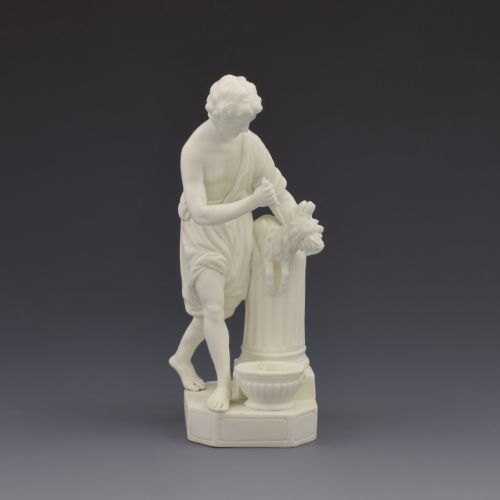


Biscuit Porcelain Classical Figures
These biscuit porcelain classical figures capture the enduring appeal of antiquity through matte, unglazed ceramic.
Biscuit Porcelain Classical Figures
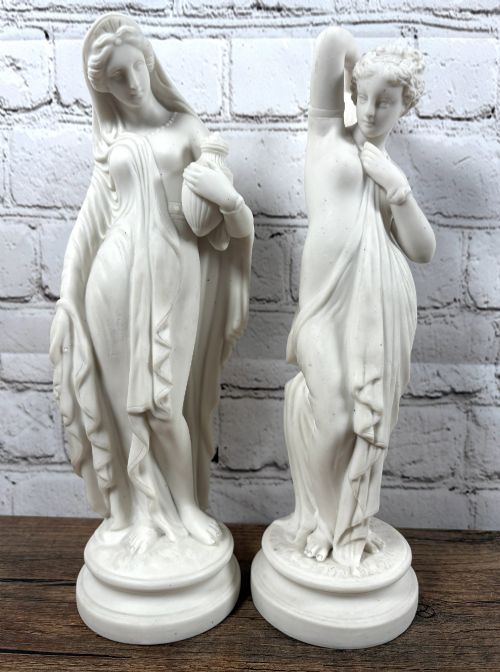
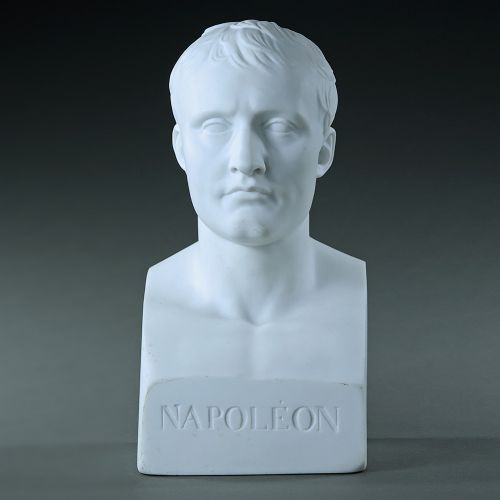
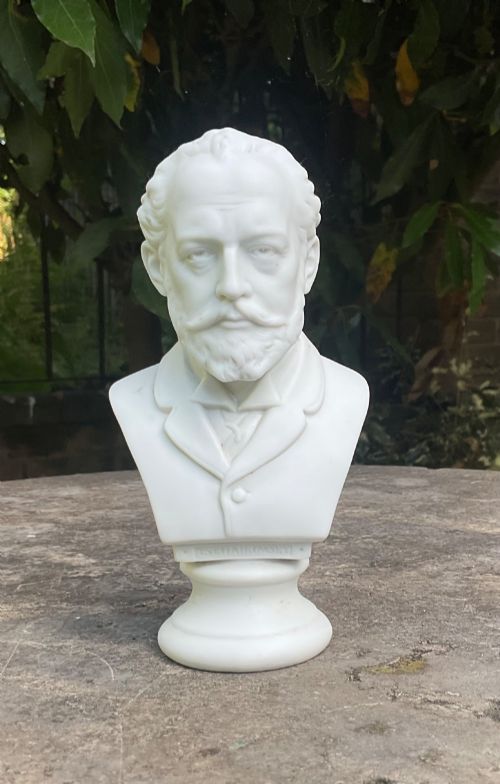
Biscuit porcelain classical figures represent mythological deities, literary heroines, and historical busts rendered in unglazed ceramic. When searching for biscuit porcelain classical figures, collectors encounter works spanning the eighteenth century through the Edwardian period, often reflecting neoclassical tastes.
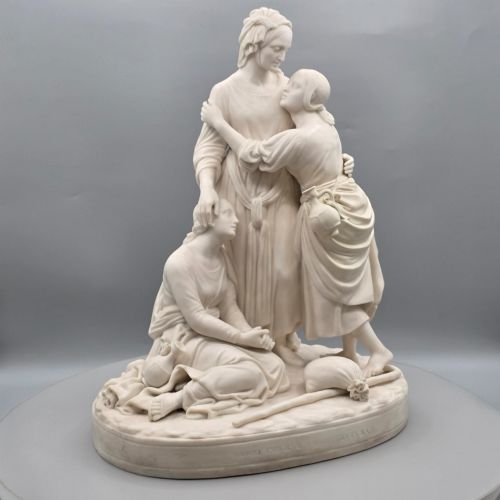
The inventory on this page ranges from large Swedish studies after Johann Heinrich Dannecker to delicate English figurines from Derby and Worcester. Sculptures take the form of standing maidens, mythological groups, and portrait busts modelled after classical statuary.
These pieces served as cabinet ornaments and table centerpieces for middle-class and aristocratic interiors alike. They bring a sculptural gravity to a room without the reflective sheen of traditional glazed ceramics.
How they were made
Makers utilised hard-paste and soft-paste porcelain, along with specialised Parian bodies developed in the nineteenth century to imitate carved marble. The pieces are fired without a glaze, leaving a porous, matte surface that reveals the crisp details of the original mould.
Some works incorporate subtle gilding to highlight drapery borders or bases, contrasting with the stark white biscuit body. Figures such as the Grand Tour candlestick combine ceramic shafts with gilt bronze mounts.
Biscuit Porcelain Classical Figures Retail Price Guide 2026
Typical asking prices for biscuit porcelain classical figures among the pieces listed under this phrase on Sellingantiques today, from the lower quarter to the upper quarter. They describe what is for sale here now, not the wider market.
The selection includes classical subjects after renowned sculptors like Johann Heinrich Dannecker alongside allegorical groups and portrait busts.
What varies in quality
The finesse of the modeling separates superior sculptures from basic commercial production, visible in the articulation of hands, hair, and facial expressions. Master modelers captured realistic tension in muscles and softness in cloth, whereas lesser pieces exhibit flattened details and heavy-handed retouching.
The purity and texture of the porcelain body itself dictate the visual success of the piece. High-grade Parian ware achieves a translucent, marble-like finish, while inferior ceramics appear chalky and opaque.
Scale and ambition also define the upper tier of these works, such as monumental figures or multi-figure groups like the Three Graces. Larger, more complex compositions required superior firing controls to prevent warping and shrinkage in the kiln.
Sèvres·Minton·Royal Dux·Derby·Royal Worcester
The Biscuit Porcelain Classical Figures Glossary
- Biscuit porcelain
- Unglazed ceramic fired at high temperatures to produce a matte, porous finish resembling marble. It is also known as bisque porcelain.
- Parian ware
- A fine-grained, self-coloured porcelain developed in the nineteenth century specifically to imitate white marble statuary. It takes its name from Parian marble found on the Greek island of Paros.
- Neoclassical
- A style spanning the eighteenth and nineteenth centuries that revived classical Greek and Roman motifs, architectural forms, and heroic subjects. It emphasises proportion, restraint, and classical mythology.
- Soft-paste porcelain
- An artificial porcelain composition fired at lower temperatures than hard-paste, common in eighteenth-century English factories such as Derby. It has a warmer tone and a slightly softer surface.
- Grand Tour
- Cultural travel undertaken by wealthy Europeans in the eighteenth and nineteenth centuries, resulting in the acquisition of classical art, bronzes, and miniature sculptures. Pieces associated with this tradition often replicate famous antique monuments.
Biscuit Porcelain Classical Figures: Frequently Asked Questions
What is the difference between biscuit and Parian porcelain?
Biscuit porcelain is any ceramic fired without a glaze, used widely across the eighteenth and nineteenth centuries for portrait busts and decorative figures.
Parian ware is a specific nineteenth-century porcelain body containing a high feldspar content that vitrifies during firing to create a dense, marble-like texture.
How do I clean unglazed porcelain figures?
Because biscuit and Parian porcelain have porous, unglazed surfaces, they readily absorb dirt and oils from handling. Dust them gently with a soft, dry artist brush rather than using water or chemical cleaners.
For stubborn marks, a dry natural rubber sponge can lift grime without damaging the matte texture.
Why are some figures marked while others are unmarked?
Many major factories stamped or impressed their marks into the clay before firing, while smaller workshops and Continental potteries often left pieces unsigned. Absence of a mark does not diminish the quality of the modeling or the age of the porcelain body.
Stylistic cues and comparative cataloguing help identify origin when factory stamps are missing.
How can I tell an eighteenth-century figure from a nineteenth-century copy?
Early pieces from factories like Derby utilise soft-paste porcelain bodies that feel warmer and display subtle surface variations from hand-modelling. Nineteenth-century and Victorian reproductions often employ harder, heavier ceramic compositions with mechanical precision.
Examine the base for firing scars, glaze test spots, and historical factory impressions to determine the manufacturing era.