





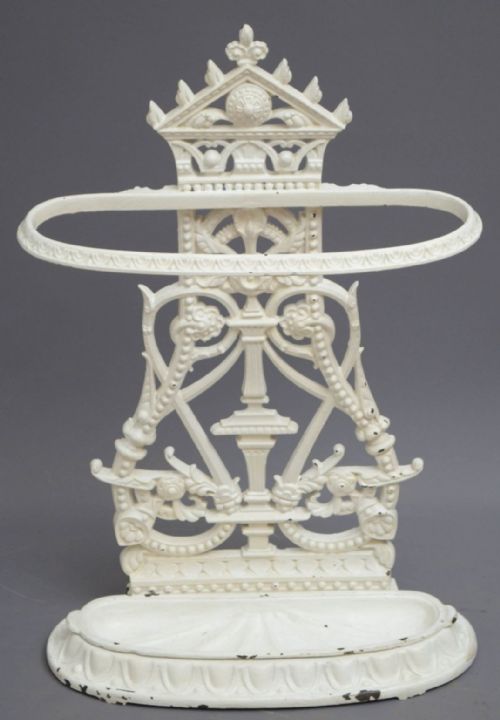


Antique Painting Rack
An antique painting rack provides a dedicated framework to store or display canvases, bringing period character and practical order to an artist's studio or collector's study.
Antique Painting Rack
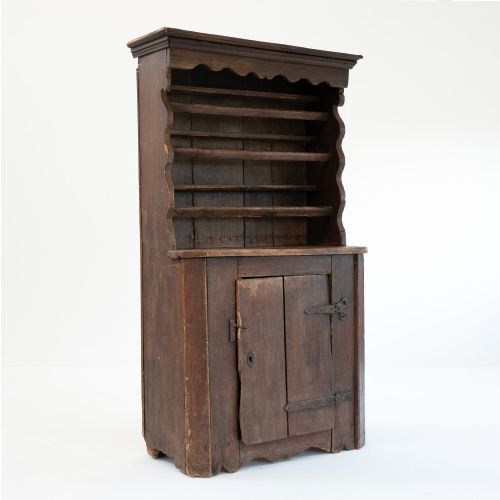
When searching for an antique painting rack, buyers encounter a diverse selection of upright storage frames, display stands, and shelving units designed to hold canvases or artwork securely. The pieces seen here typically emerge from the nineteenth and early twentieth centuries, spanning Victorian, Edwardian, and French industrial styles.
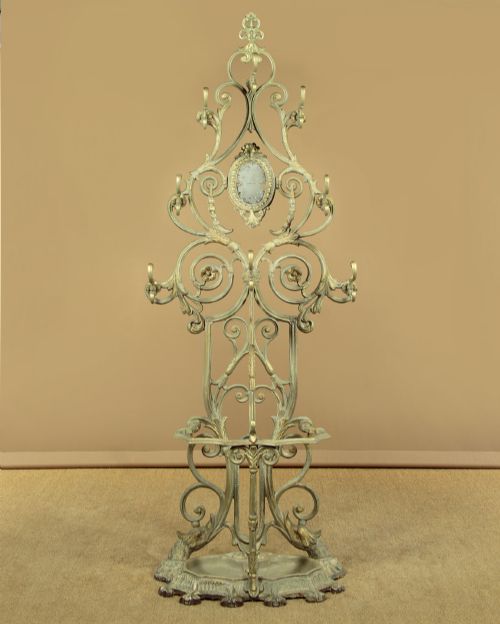
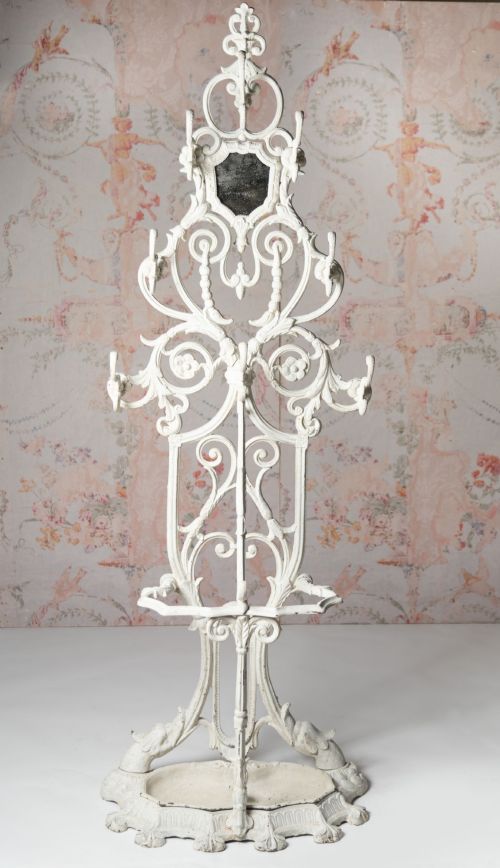
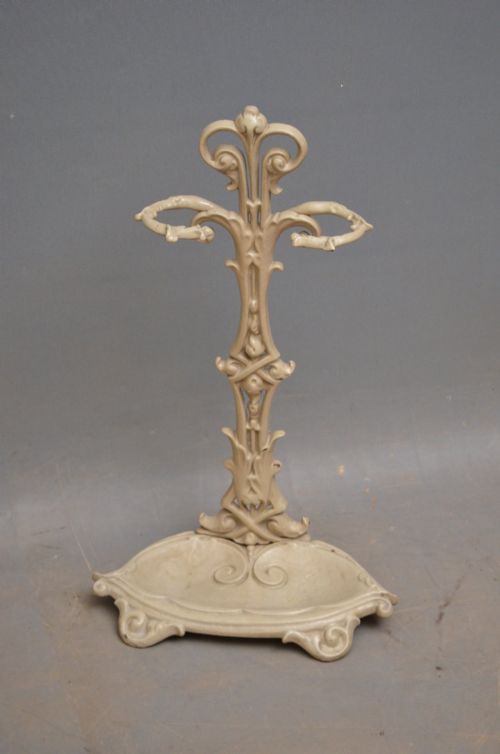
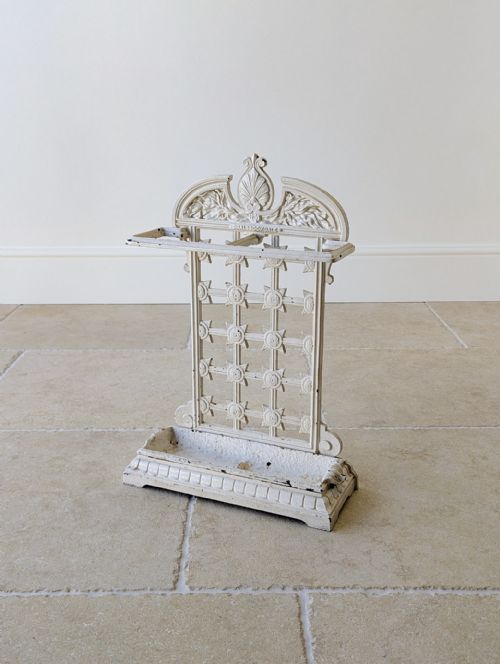
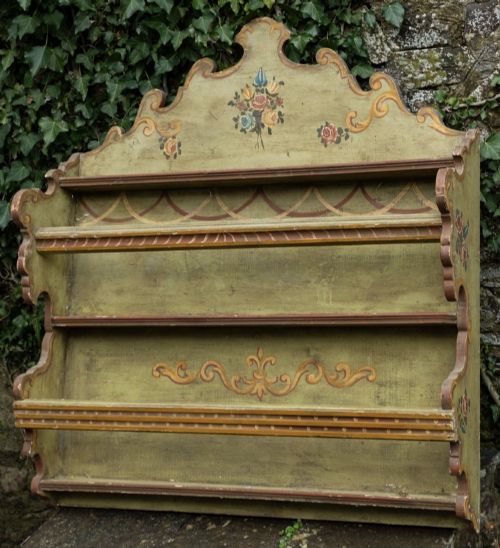
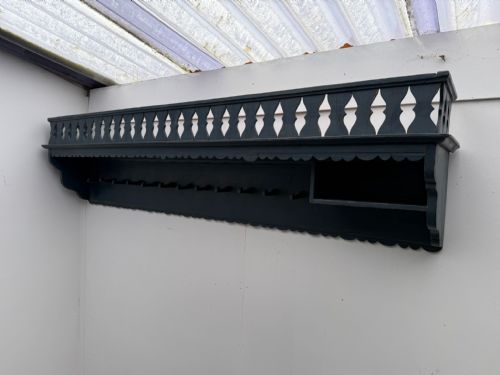
While the literal term often points to heavy-duty studio furniture or bakers' frames, the marketplace frequently groups these alongside related display furniture such as wall shelves, bookcases, and umbrella stands constructed from painted wood and cast iron.
Materials and construction
Makers relied heavily on sturdy timbers like pine and mahogany, often enhanced with decorative painted finishes, lacquer, or ebonisation to suit domestic interiors. Structural elements frequently incorporated durable metals, utilising cast iron and brass for stability in heavy-use environments such as hallways or active workshops.
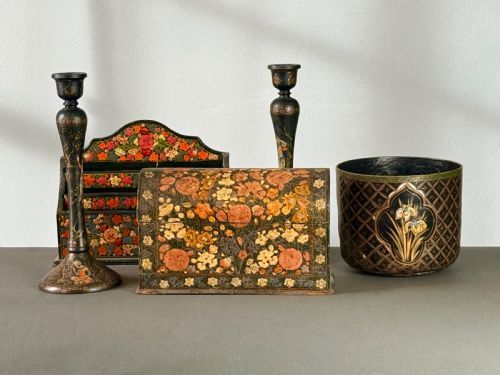
Construction techniques balanced functional utility with aesthetic appeal, combining pegged joints in vernacular furniture with intricate cast metalwork from foundries like Coalbrookdale. Surfaces received hand-applied paints or specialist finishes, including Chinoiserie details and distressed patinas that reflect their period of origin.
Some Victorian households stored everything from walking sticks to drying laundry on the exact same multi-purpose iron frames.
Assessing quality and merit
Distinction across the range rests upon the integrity of the original materials and the sophistication of the surface decoration, whether hand-applied paint or fine lacquer. Pieces retaining their untouched period finish and robust structural hardware command greater interest than those subjected to modern alterations or stripping.
The refinement of the casting in iron components or the joinery in timber frames separates standard utility items from more ambitious workshop productions. Superior examples demonstrate a careful balance between utilitarian strength and decorative proportion, maintaining stability without losing visual lightness.
Coalbrookdale·Dubois of Lyon
The Antique Painting Rack Glossary
- Cast iron
- An iron-carbon alloy poured into a mould to create rigid, decorative forms. It appears frequently in Victorian stands and structural frames.
- Chinoiserie
- European imitation of Chinese artistic styles, typically featuring painted motifs on lacquered surfaces. It surfaces on decorative desk accessories and small furniture.
- Ebonisation
- A chemical or paint process applied to timber to imitate costly ebony wood. This dark finish gained popularity during the late nineteenth century.
- Pine
- A softwood commonly utilised in vernacular farmhouse furniture and painted dressers. It provides a lightweight yet serviceable base for decorative finishes.
- Lacquer
- A durable resin or varnish applied in multiple layers to create a smooth, polished surface. It protects underlying woodwork while adding decorative sheen.
Antique Painting Rack: Frequently Asked Questions
How were antique painting racks used originally?
These frames served primarily in studios to organise wet canvases, dry finished works, or store reserve pieces safely out of the way.
They allowed artists and dealers to sort through inventories efficiently without damaging the painted surfaces.
Are these racks sturdy enough for heavy canvases?
Many surviving examples were built for heavy industrial or workshop use, utilising robust pine, oak, or cast iron.
Their foundational stability depends on the original materials, with metal-reinforced and hardwood versions offering the highest load-bearing capacity.
How do I date a painted wooden rack?
Dating relies on examining the construction joinery, underlying timber types, and the composition of the painted surface layers.
Period pigments, wear patterns, and regional construction methods help distinguish eighteenth-century vernacular pieces from later revival items.
Can these racks fit into modern home interiors?
Their vertical orientation makes them efficient for displaying artwork or storing flat items in contemporary living spaces.
They function equally well as standalone display furniture or practical storage units in studies and hallways.