
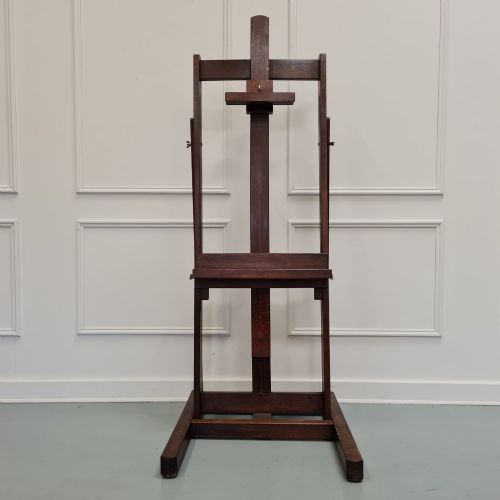
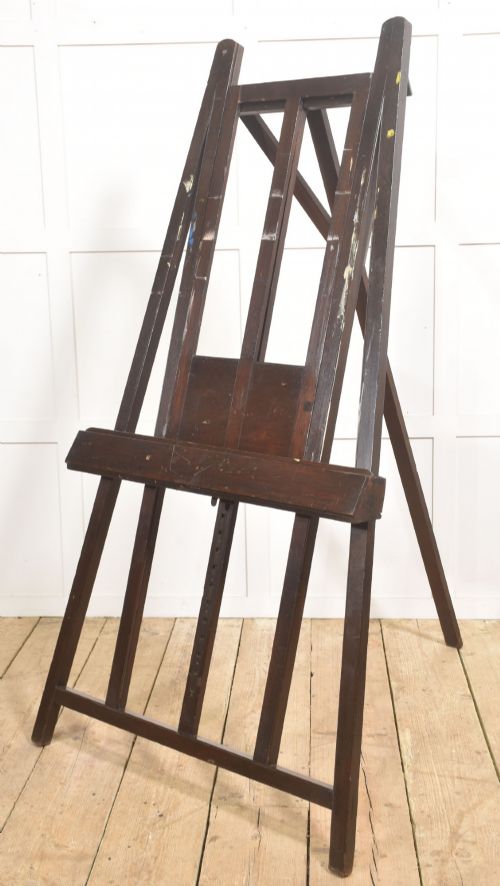


Adjustable Picture Easel
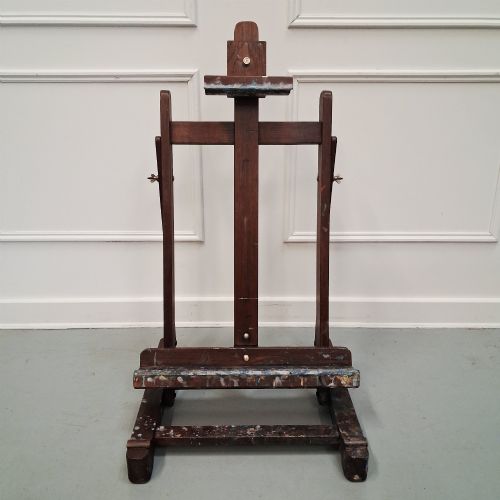
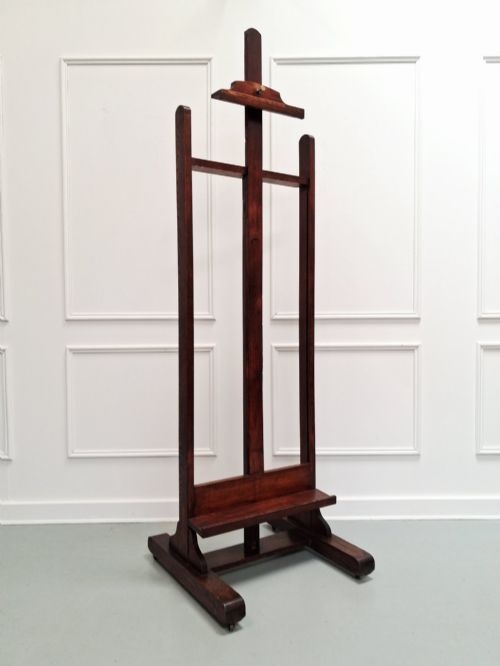
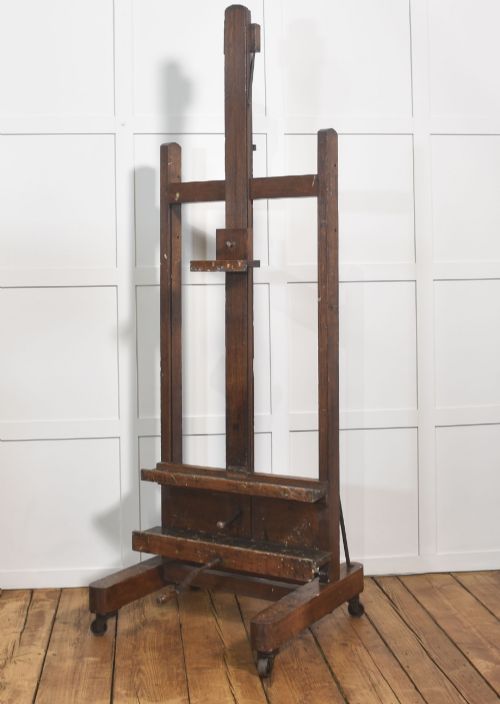
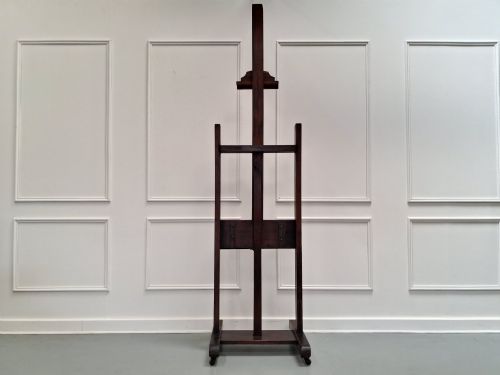
An adjustable picture easel holds your canvas or display work at the exact height and angle you need.
Adjustable Picture Easel
When you search for an adjustable picture easel, you encounter substantial studio models and compact tabletop versions designed for practical use or display. These pieces originate from periods spanning the Georgian and Regency eras through to the nineteenth century and the nineteen-thirties, with French and English examples appearing most often.
The selection ranges from large studio formats in oak and mahogany to gallery pieces and folio stands. You are likely to meet nineteenth-century oak studio designs alongside French pitch pine or oak pieces dated around nineteen-hundred and nineteen-thirty.
How they were made
Maker workshops constructed these stands primarily from hardwoods like oak and mahogany, complemented by pitch pine and beech. Metal, brass, iron, and cast iron components provided the mechanical strength needed for the adjustable height and tilt mechanisms.
Construction techniques balanced sturdy framing with functional mobility, employing heavy bases or double-sided galleries to support large canvases safely. Joinery and metal fittings were integrated directly into the timber to withstand regular studio adjustments.
What varies in quality
The distinction between standard examples and superior pieces rests on the complexity of the mechanism and the choice of timber. Robust hardwoods and smoothly operating brass or iron adjustments indicate higher workshop capability.
Detailing also separates the ranges, such as the inclusion of double-sided galleries, architectural proportions, or decorative cast elements like swan designs. Refined proportions in Regency and Georgian pieces distinguish them from utilitarian alternatives.
Windsor and Newton
The Adjustable Picture Easel Glossary
- Studio easel
- A large, heavy-duty stand designed to hold substantial canvases for working artists. These pieces usually feature mechanical adjustments for height and inclination.
- Tabletop easel
- A compact version built to sit on a desk or table for smaller works. They offer similar adjustability on a reduced scale.
- Folio stand
- A hinged rack designed for storing and displaying large flat works, prints, or architectural drawings. They share the wood and brass construction common to painting stands.
- Gallery easel
- A display stand featuring a viewing ledge to exhibit finished pictures. Double-sided versions allow simultaneous presentation from both directions.
Adjustable Picture Easel: Frequently Asked Questions
What is an adjustable picture easel?
An adjustable picture easel is a stand built to support paintings or drawings at variable heights and angles. They were primarily used by artists in studios to accommodate different canvas sizes.
Over time, collectors and decorators also adopted them to display framed artwork and mirrors in domestic settings.
How do I use one at home?
You position the easel against a wall or in a corner to display a favourite painting, photograph, or folio. The mechanical adjustments allow you to tilt the piece for optimal lighting.
Ensure the base rests on an even surface and use the height controls to secure your displayed item at eye level.
How do I tell studio and tabletop easels apart?
Studio easels are large, freestanding structures built with heavy timber frames to support substantial floor-standing canvases. They often incorporate heavy iron or brass control screws.
Tabletop easels are significantly smaller pieces intended to rest on furniture, designed for portable use or modest artworks.
How do I identify a Regency period piece?
Regency pieces often display refined mahogany timbers and precise cabinetmaking details characteristic of the early nineteenth century. They frequently take the form of architectural picture racks or folio stands.
Look for classical restraint in the woodwork, balanced proportions, and period brass fittings.