
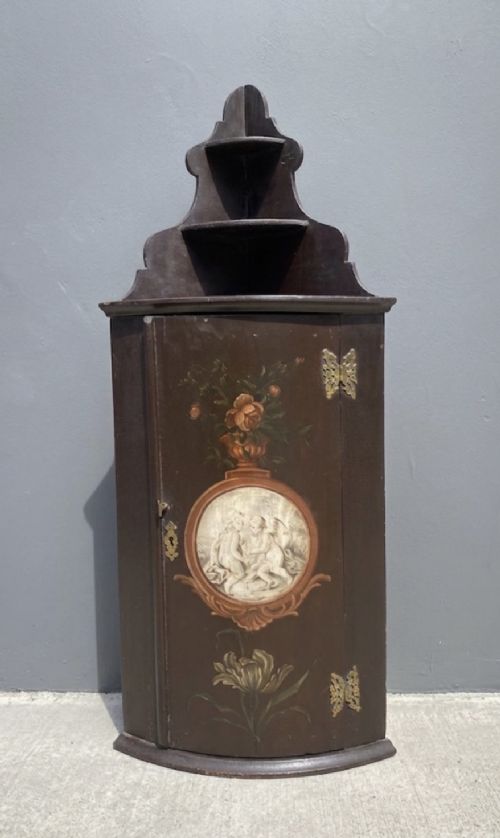


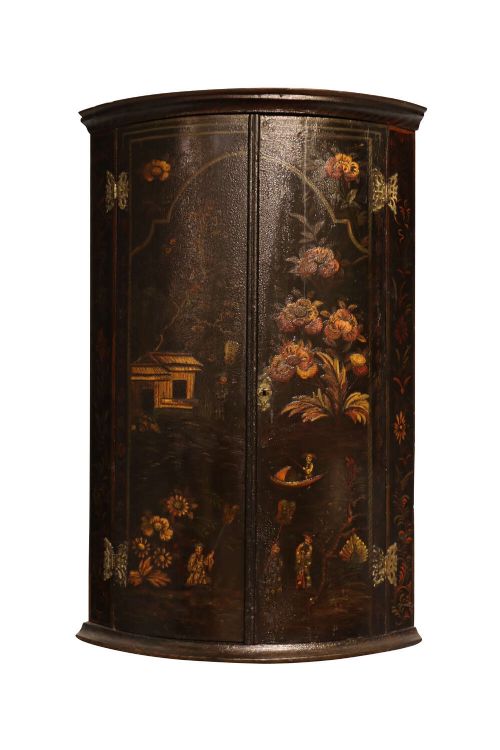


Antique Painted Wall Cupboard
An antique painted wall cupboard brings colour and compact storage to a room, drawing the eye with surface decoration and timber grain.
Antique Painted Wall Cupboard
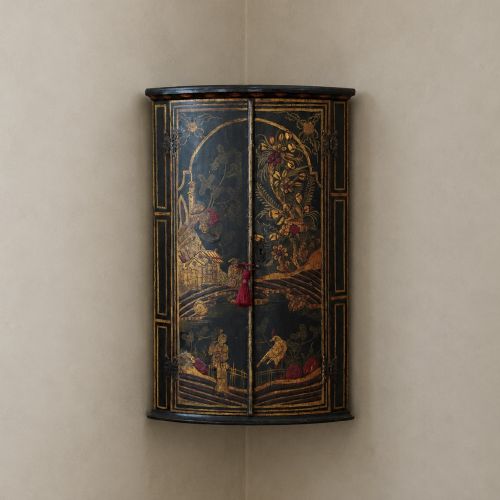
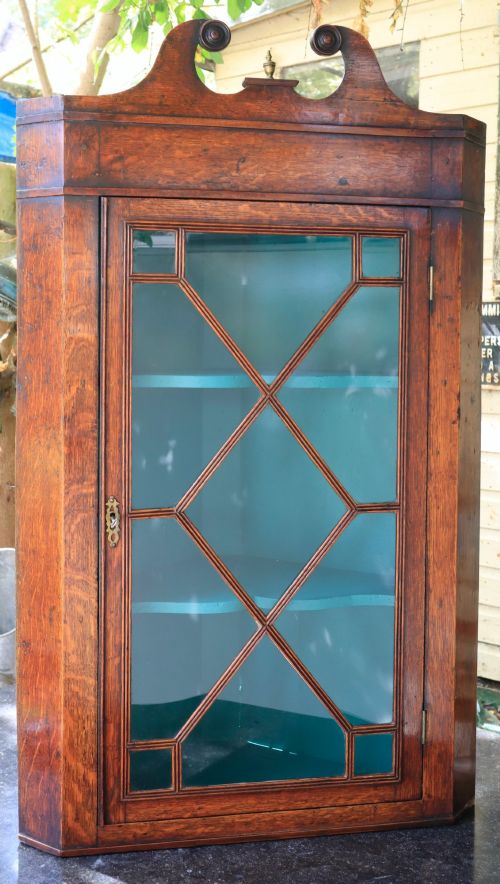
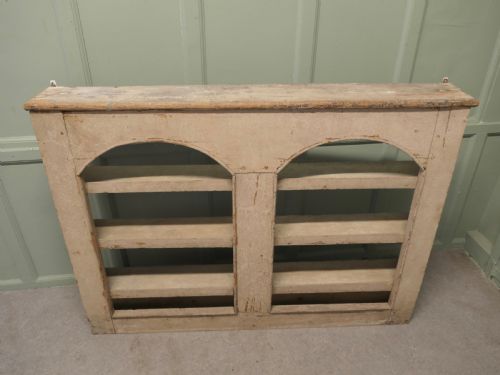
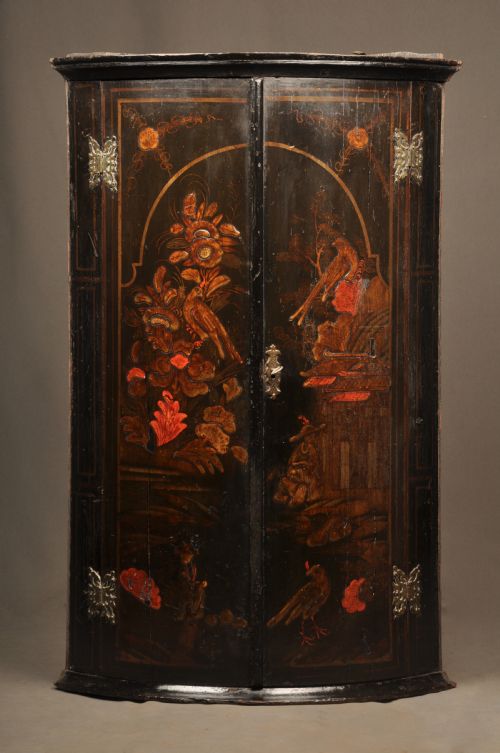
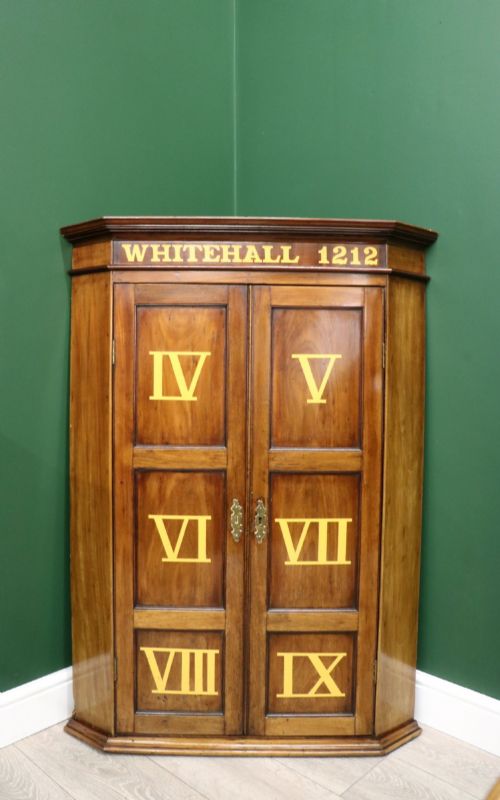
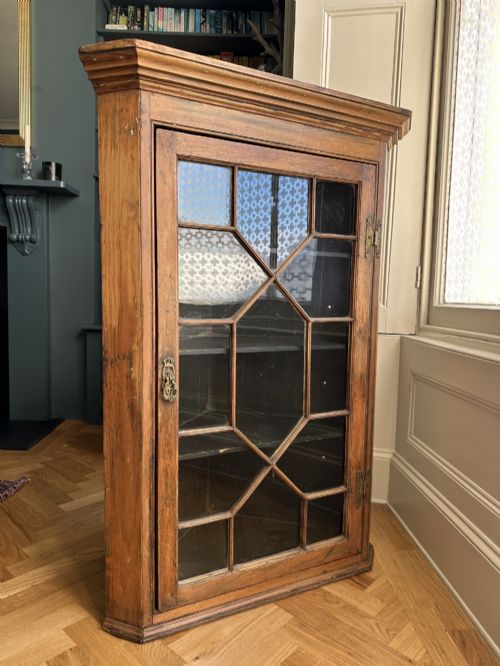
An antique painted wall cupboard is a hanging or wall-mounted storage piece designed to fit corners or flat expanses, serving utility and decoration in domestic interiors. These cabinets range from simple pine boxes to sophisticated display units with glazed doors.
The pieces on this page heavily feature corner cabinets and wall-mounted cupboards spanning several centuries. English, French, Austrian, Finnish and Swedish origins appear frequently across the selection.
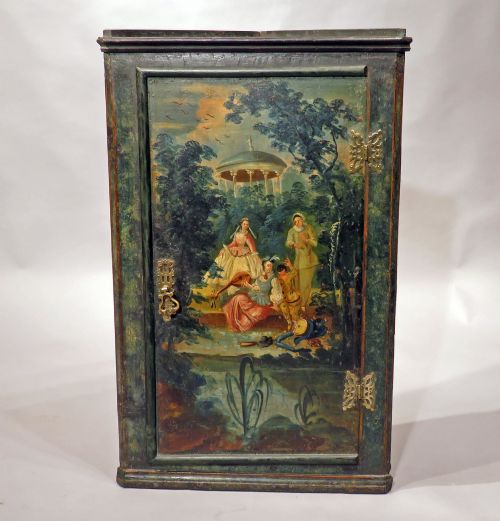
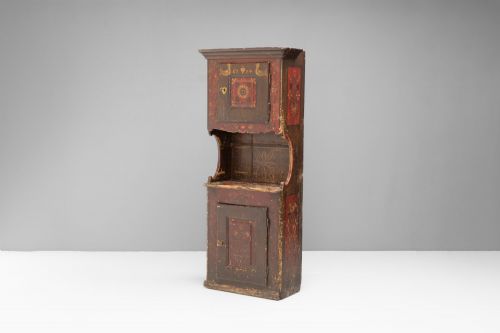
Makers shaped these items from solid woods, applying decorative schemes including japanning, lacquer, faux tortoiseshell and folk art painting. Many examples retain shelves, iron hinges and brass fittings to complete their structure.
How they were made
Joiners constructed these cabinets primarily using pine, oak and general wood timbers, frequently framing them with iron hinges and brass hooks or escutcheons. Carpenters shaped doors to open flat or bow outwards to suit room corners.
Craftsmen applied surface finishes directly onto timber bases, employing layers of paint, lacquer or japanning to build decorative schemes. Specialised techniques like faux tortoiseshell or pokerwork added texture and visual depth to the wood.
Makers integrated architectural mouldings, carved details and internal shelving to give structural stability and functional division inside each compact cabinet.
Periods represented reach from the 17th century through Georgian and Victorian eras into the early 20th century.
What varies in quality
The integrity of the original paint surface determines a substantial portion of the aesthetic value, distinguishing pieces with untouched historical pigments from those with later overpainting. Depth of colour and subtlety in decorative motifs reflect the skill of the original decorator.
Carpentry construction and timber selection dictate durability, where tight corner joints, well-hung doors and properly seated brass or iron hardware show superior workshop practice. Simple utilitarian pine boxes sit at a different level of refinement compared to elaborate japanned or architectural pieces.
The Antique Painted Wall Cupboard Glossary
- Japanning
- A European imitation of East Asian lacquerwork, created by applying layers of dark varnish and raising metallic designs in relief. This technique gained popularity on 18th-century cabinets and corner cupboards.
- Bow front
- A convex, curved cabinet front that projects outward from the corners. This shape softened room angles and provided extra internal depth.
- Pokerwork
- A decorative method using heated metal tools to burn designs into wood surfaces. It appears on Arts and Crafts pieces.
- Alcove shelving
- Recessed shelving built into wall recesses or framed as dedicated display areas. These units often paired with cupboard sections below.
- Escutcheon
- A protective plate surrounding a keyhole, usually made of brass or iron. It secured the timber around the lock mechanism.
Antique Painted Wall Cupboard: Frequently Asked Questions
How do I hang a wall cupboard safely?
Wall cupboards require secure fixing directly into masonry or timber studs using appropriate brackets or internal screw points, given the combined weight of solid wood and stored contents. Consulting a professional ensures the wall structure bears the load safely.
Distributing weight evenly inside the cabinet prevents undue strain on the historic hinges and frame joints over time.
How do I care for original painted wood?
Original painted surfaces require gentle dusting with a soft, dry cloth and protection from direct sunlight or excessive moisture fluctuation. Avoid chemical cleaners or modern polishes that can lift or dissolve historic paint layers.
Maintaining a stable indoor climate prevents the underlying pine or oak from expanding and cracking the decorative finish.
How do I identify the period of a painted cupboard?
Dating relies on examining construction marks, nail types, hinge styles and the chemical composition or visual style of the paint layer. Georgian and 18th-century pieces often show hand-planed timbers and distinct japanned or lacquer motifs.
Later 19th-century examples from Scandinavia or France frequently display folk art palettes or simpler pegged pine construction.