


Antique Painted Screens
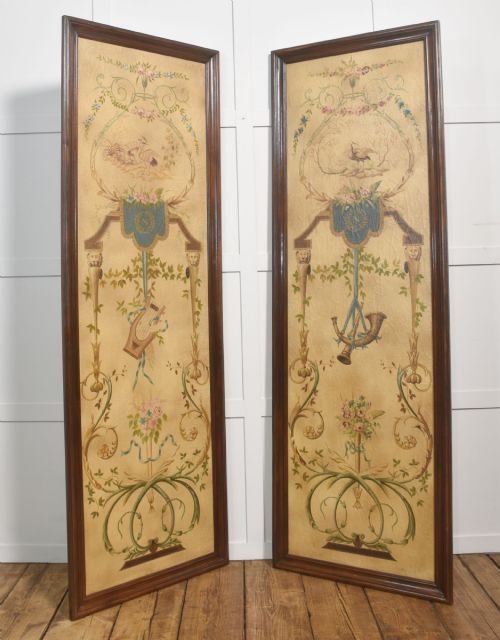
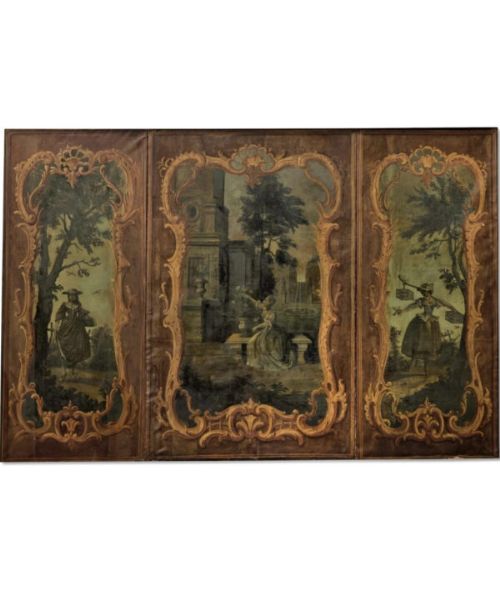
Antique painted screens bring spatial division and hand-applied artistry into a room, spanning folding room dividers, fire screens and decorative panels.
Antique Painted Screens
When searching for antique painted screens, buyers encounter a variety of forms designed to divide spaces or manage hearth heat, originating from the eighteenth, nineteenth and early twentieth centuries.
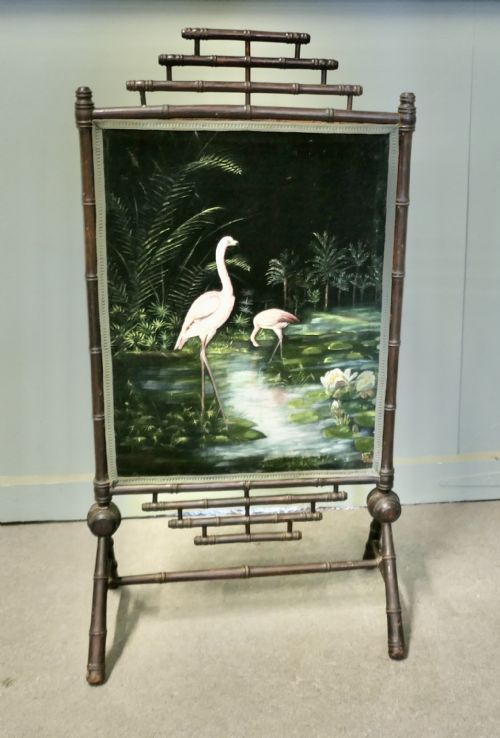
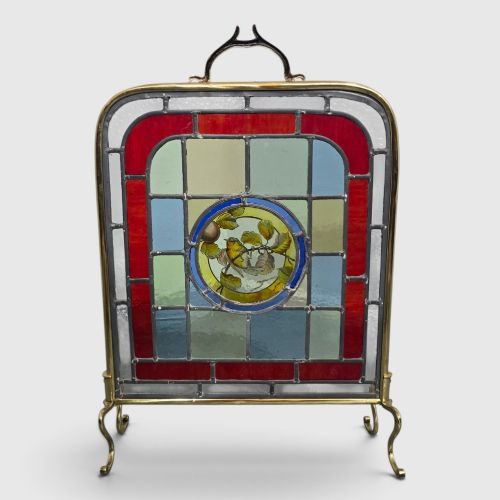
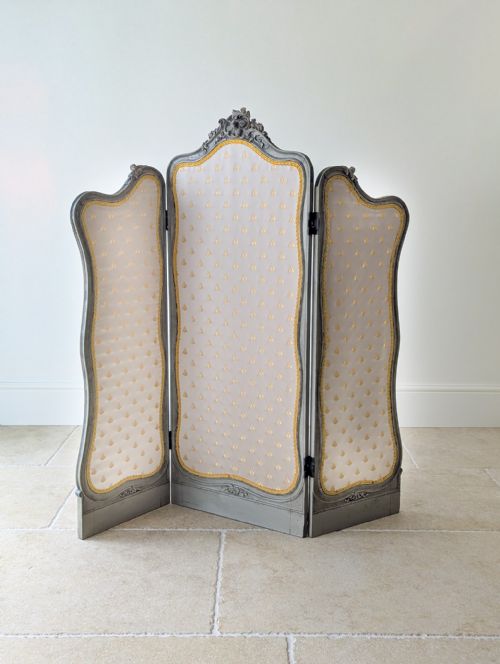
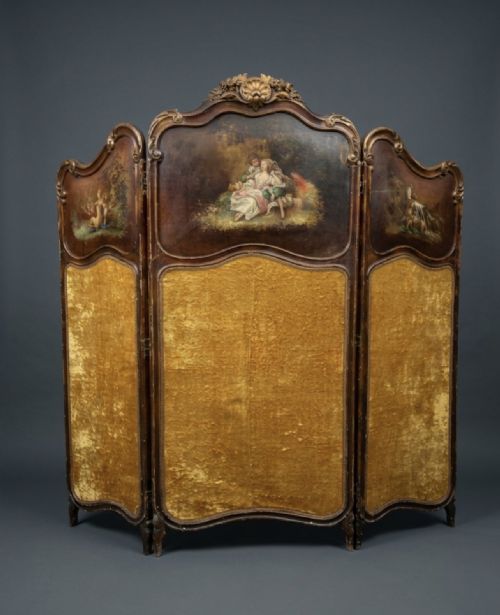
The most common versions on this page include multi-fold room dividers and freestanding folding screens, alongside smaller brass or wooden fire screens.
These pieces draw on diverse traditions, encompassing English, French, Chinese, Japanese and Burmese aesthetics, utilising materials from canvas and leather to lacquer and wood.
How they were made
Maker construction relies on timber frames of mahogany, walnut, pine or brass to support flexible hinges for multiple folds.
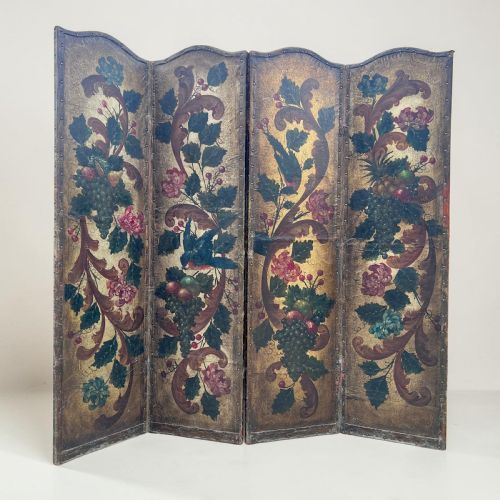
Surfaces receive coats of paint, oil paint, gouache, lacquer or gilt embossing applied to canvas, pith paper, wood or leather panels.
Listings feature screens from the 18th, 19th and early 20th centuries, utilising canvas, leather, lacquer, brass and wood across multiple folding panels.
What varies in quality
Quality rests on the integrity of the structural frame and the execution of the hand-applied painted surface, distinguishing confident brushwork from simpler decoration.
The preservation of original materials, such as early leather, lacquer or canvas, defines the standing of each piece.
Raymond Subes·Paul Sormani
The Antique Painted Screens Glossary
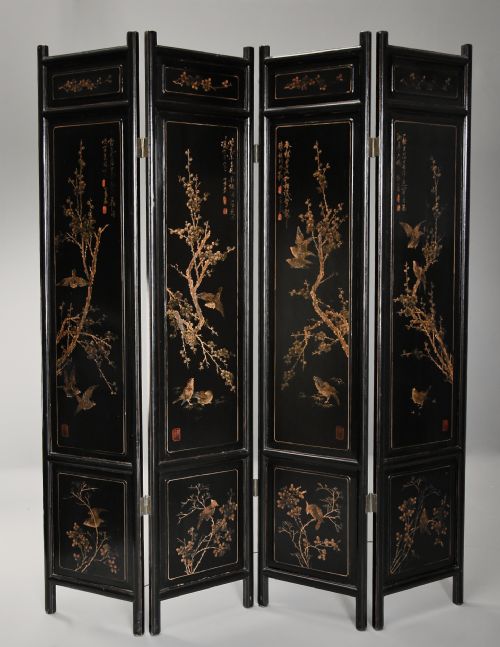
- Chinoiserie
- European interpretations of Chinese and East Asian artistic traditions, often featuring figures, landscapes and pavilions.
- Gouache
- An opaque water-based pigment used to create flat, matte areas of colour on paper or canvas.
- Grisaille
- A painting executed entirely in shades of grey or neutral monochrome to resemble sculpture or relief.
- Pole screen
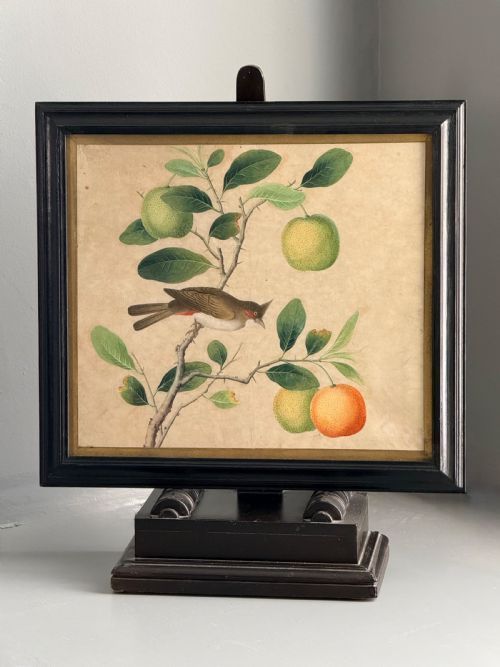
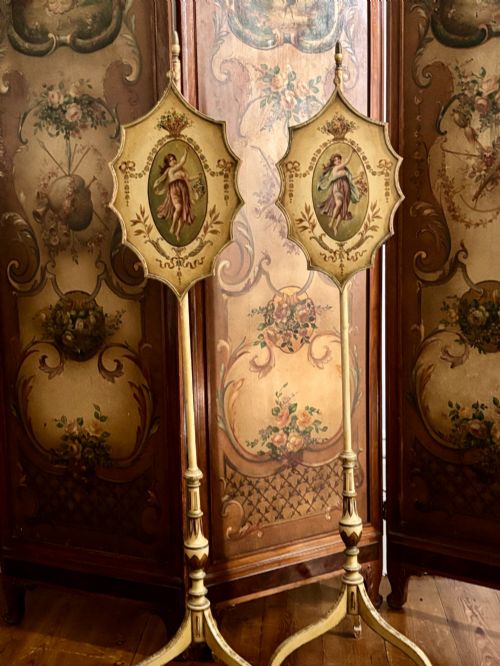
- A freestanding screen with an adjustable panel mounted on a vertical wooden pole, designed to shield a person's face from hearth flames.
- Lacquer
- A durable resin finish applied in multiple layers and polished, typical of Asian export and European imitation screens.
Antique Painted Screens: Frequently Asked Questions
What is the difference between a room divider and a fire screen?
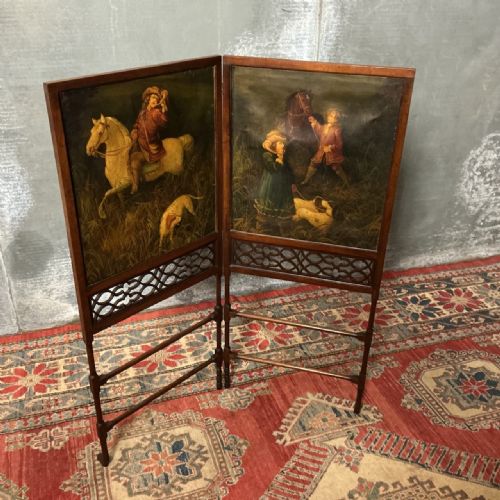
Room dividers are tall, multi-fold panels intended to partition interior spaces or provide privacy. Fire screens are smaller, single-panel pieces placed near a fireplace to block radiant heat.
Fire screens often feature adjustable pole mounts or stable feet, whereas room dividers rely on hinges to stand upright in zig-zag configurations across a floor.
How were leather screens decorated in the eighteenth century?
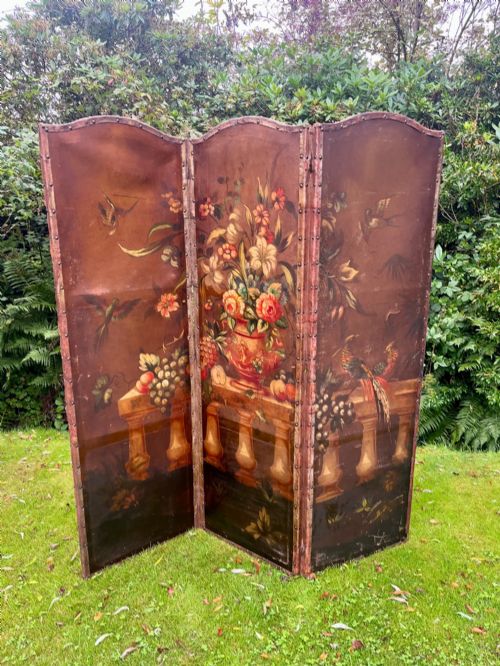
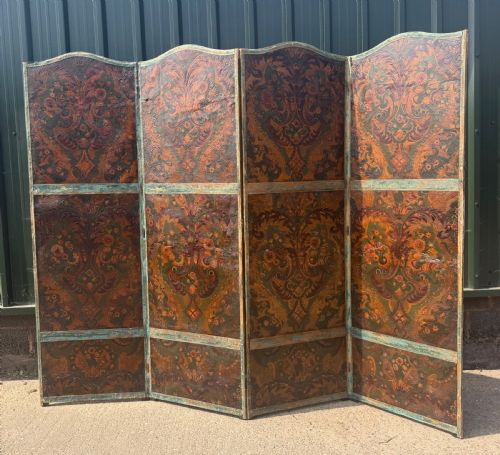
Leather screens from the eighteenth century, such as those in the Cordoban style, typically involved hand-painting and gilt embossing on heavy hides. Artisans tooled the leather and applied metallic leaf alongside polychrome pigments to achieve rich, textured surfaces.
These panels were then mounted onto wooden frames to create durable, decorative partitions for grand interiors.
What periods do these screens cover?
The selections span from the eighteenth century through the Victorian and Edwardian eras into the early twentieth century. Pieces reflect distinct design revivals, including French Rococo, Neoclassical and Chinoiserie styles.
Materials and construction methods evolve across these decades, moving from embossed leather and hand-painted canvas to lacquered finishes and industrial iron elements.
How do you place a folding screen in a modern room?
Folding screens work well to zone open-plan areas, create a backdrop for furniture, or conceal unused corners. Their multi-fold design allows them to angle securely against walls or stretch across wider spaces.
Because surfaces feature delicate paint, lacquer or leather, placement should avoid direct, prolonged sunlight and excessive moisture.