
Antique Painted Chest
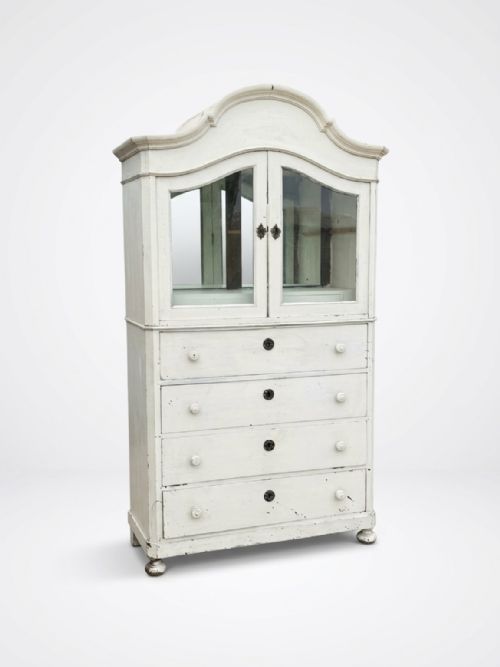
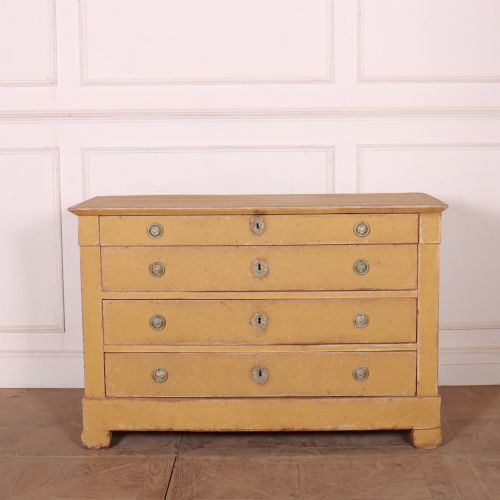
An antique painted chest brings characterful pigment and storage to a room, ranging from simple country pine to formal commodes.

What an antique painted chest is
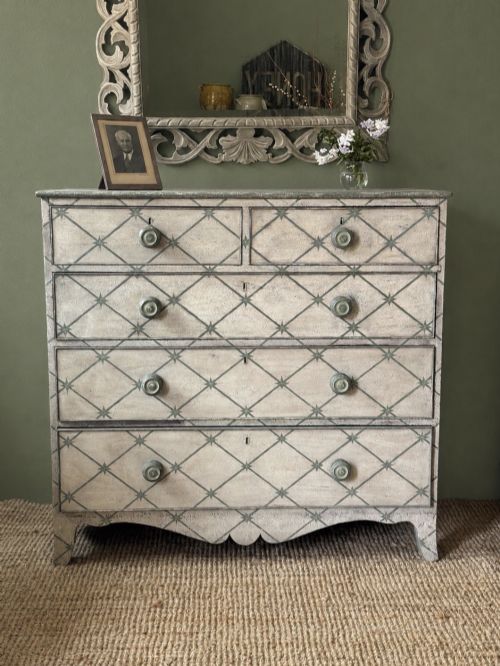
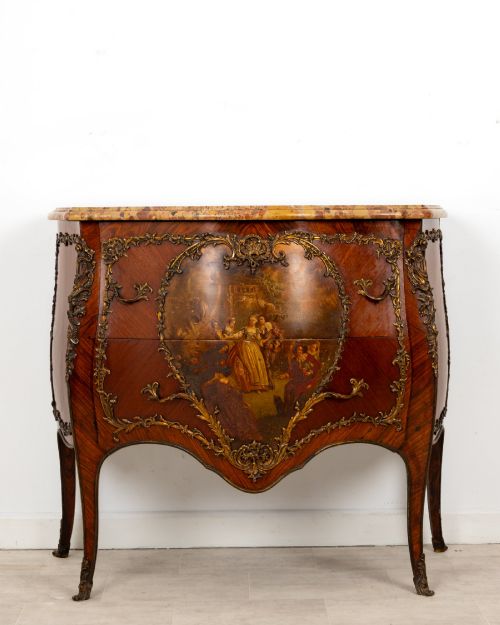
The evidence spans English, French, Italian, Welsh, Hungarian, Indian, and Tyrolean origins, reflecting diverse local traditions of decorating domestic wood. Pieces range from large Georgian and Regency examples to Victorian utilitarian pieces and folk art furniture.
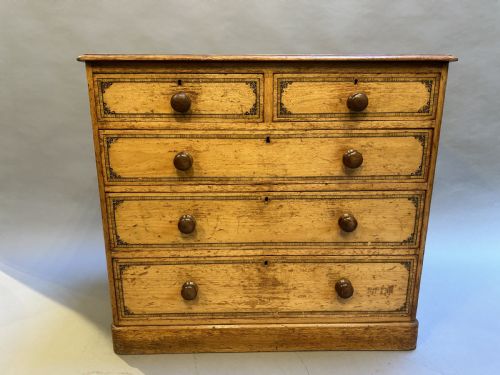
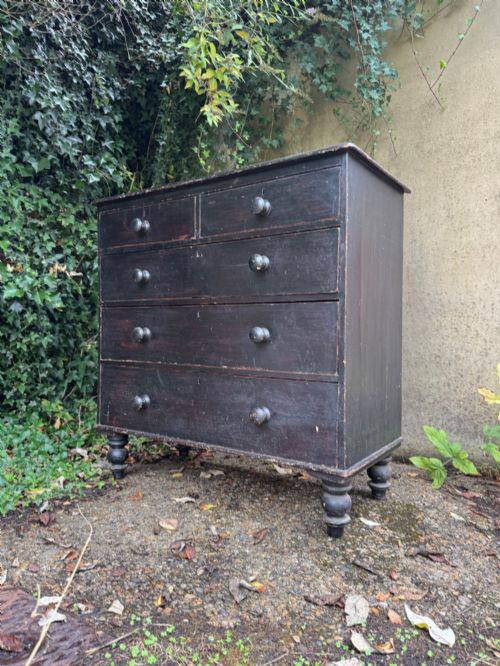
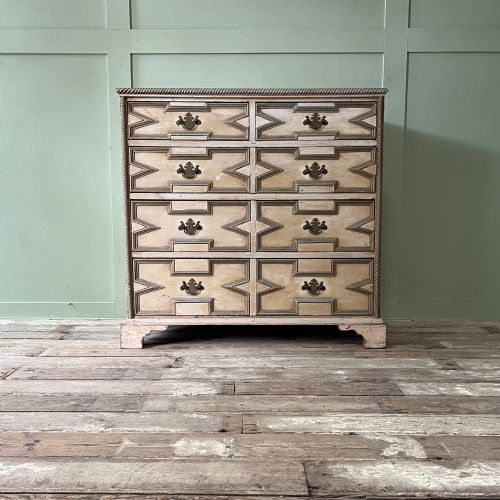
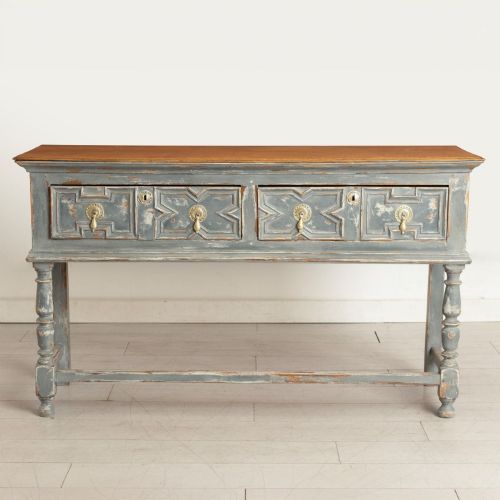
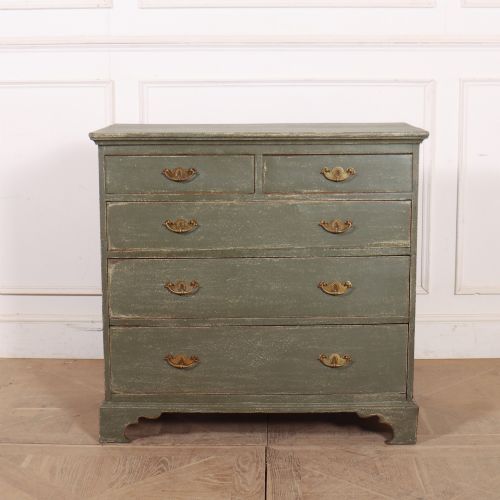
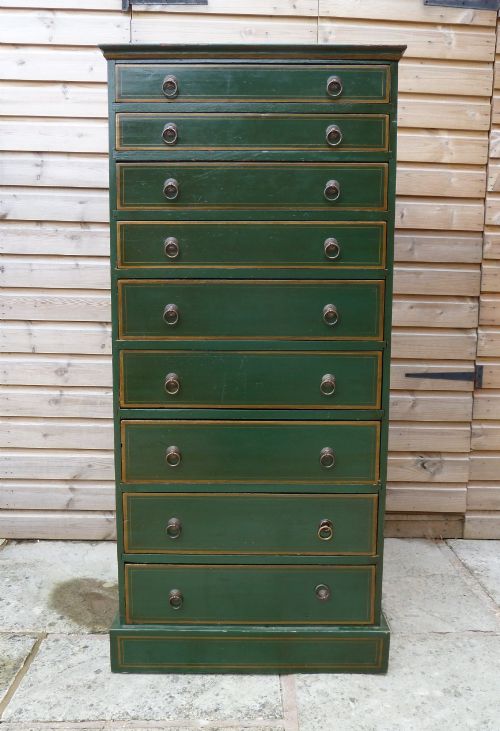
Forms include standard chests of drawers, tall chest-on-chest configurations, low wide drawer units, bow front designs, and dowry or marriage chests. Surfaces show everything from plain country paint and sign writing to faux marble and simulated bamboo.
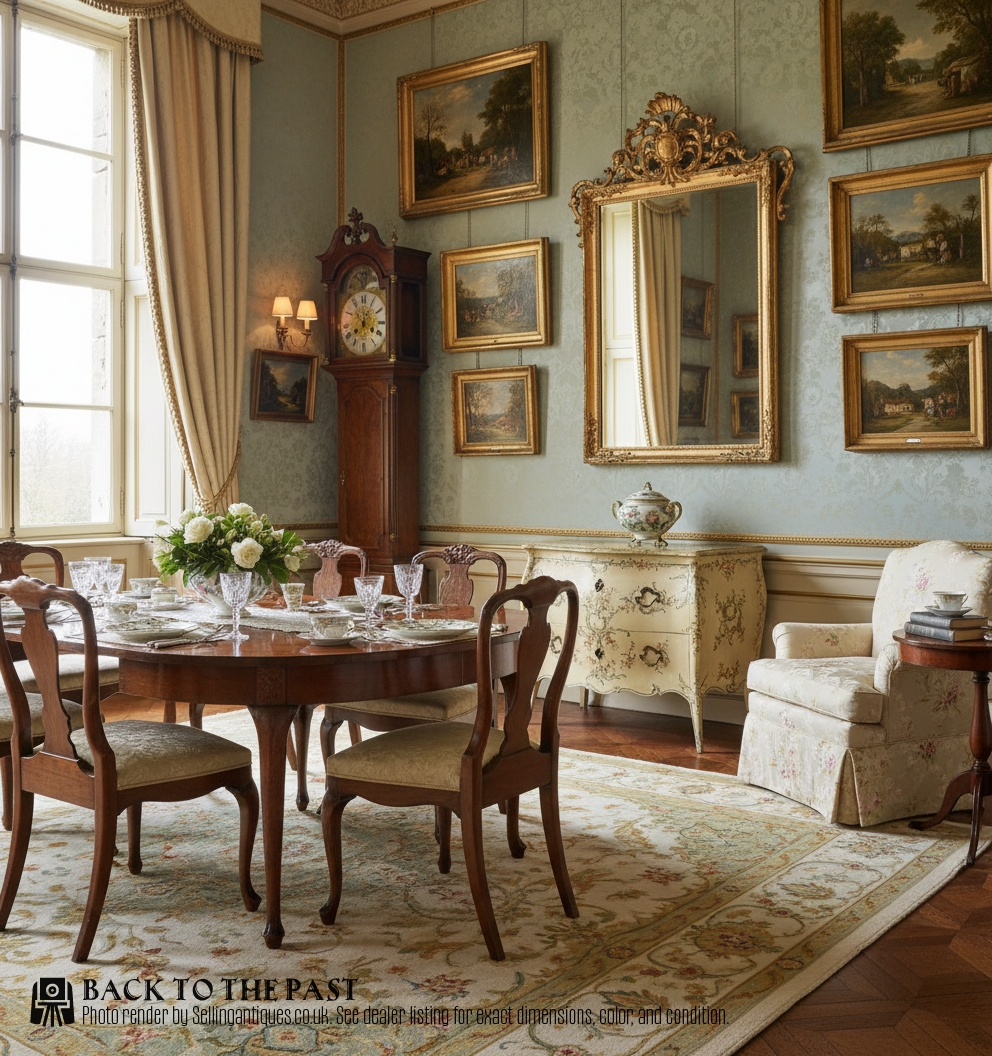
How they were made
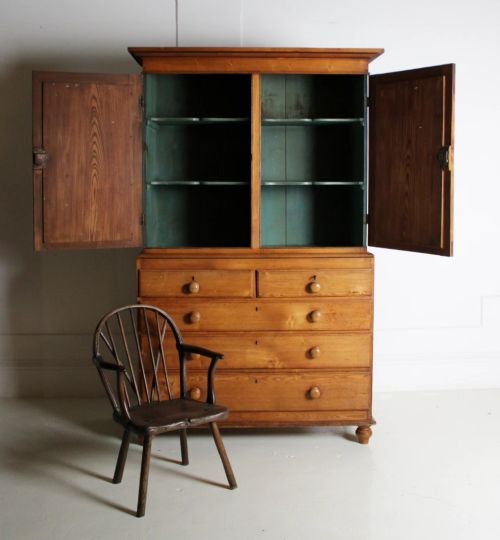
Construction relies primarily on timber carcases, with pine and ash appearing alongside general painted wood. Hardware elements such as brass fixtures provide structural and decorative detail on specific drawer units.
Finishes involve hand painting, sign writing, and decorative treatments like simulated bamboo and faux marble effects. Historic pieces often display layers of original or subsequent hand applied pigment in colours such as cream, blue, white, black, and Swedish grey.
Retail Price Guide 2026
Typical UK retail prices for painted chest, calculated from the Sellingantiques database of over a million retail prices indexed since 2003. This retail price guide relies exclusively on Sellingantiques data; no external sources or auction records are used, so the figures do not describe the wider market.
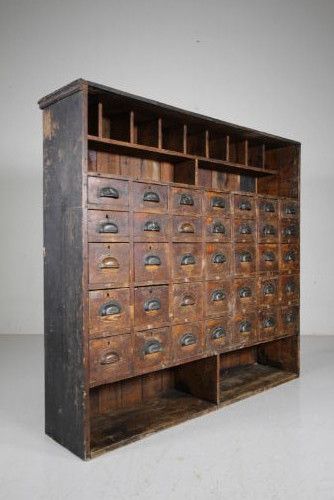
One surviving Victorian pine chest carries hand sign writing for the Bluecoat School in Liverpool.
What varies in quality
Quality differences lie in the integrity of the original surface finish and the distinction of the maker or regional workshop. Pieces retaining untouched early paintwork stand apart from later redecorated examples.
Cabinetmaking standards shape the overall value, distinguishing robust regional folk pieces from formal cabinet work like Georgian chest-on-chest structures or signed maker pieces. The sophistication of decorative techniques, such as faux marble or detailed sign writing, further elevates specific examples.
Edwards and Roberts·Heals
The Antique Painted Chest Glossary
- Commode
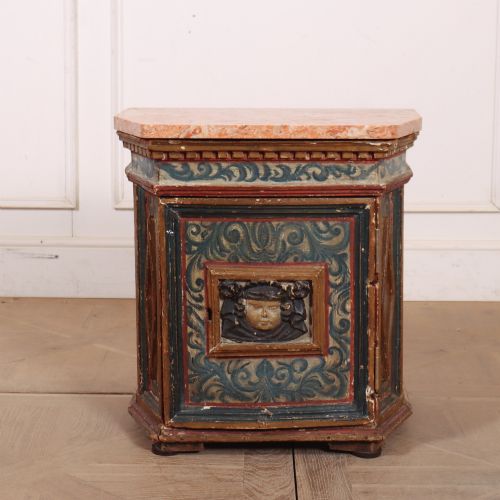
- A decorative chest of drawers or cabinet, often associated with French or Italian styles. These pieces typically feature more formal proportions and painted decoration than basic utility chests.
- Chest-on-chest
- A tall storage unit formed of one chest stacked directly upon a larger lower chest. This Georgian form maximises vertical storage capacity.
- Dowry chest
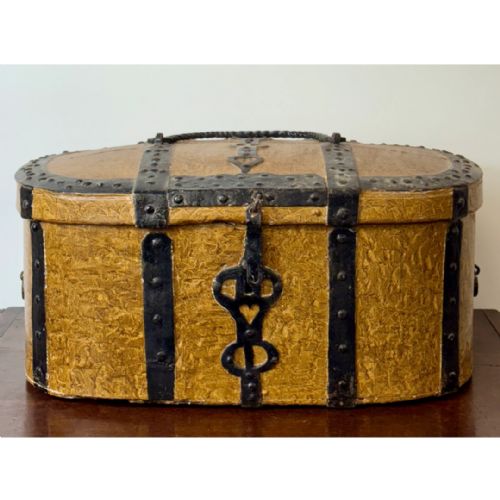
- A traditional box or trunk made to hold a bride's household possessions before marriage. Often heavily painted or decorated with folk motifs.
- Simulated bamboo
- A decorative technique where wood is carved or painted to imitate bamboo stalks. This style appeared on Regency furniture influenced by Asian design trends.
- Bow front
- A cabinet front that curves outward in a convex shape. This configuration softens the boxy outline of a standard chest of drawers.
Frequently Asked Questions
What is an antique painted chest?
An antique painted chest is a wooden storage unit, typically a chest of drawers or a box finished with decorative paint rather than a clear wood polish.
These pieces range from simple country pine furniture to formal Continental commodes and regional folk chests.
How were antique painted chests used?
They served as primary domestic storage for clothing, linens, and personal valuables in bedrooms and living spaces.
Specialist examples like marriage or dowry chests held household goods for newly wed couples.
How do I live with an antique painted chest?
These chests function well as practical storage units in hallways, bedrooms, or living rooms while adding colour and texture to a interior.
Keep them away from direct heat sources and strong sunlight to protect the historic painted surfaces.
How can I tell periods apart?
Periods are identified through structural proportions, decorative styles, and construction details.
Georgian and Regency pieces often show formal lines or specific treatments like simulated bamboo, whereas Victorian examples include utilitarian pine or school storage items.