

Antique Padded Seat Chairs
Antique padded seat chairs bring comfort and traditional craft into a room, spanning formal library seats to relaxed country house armchairs.
Antique Padded Seat Chairs
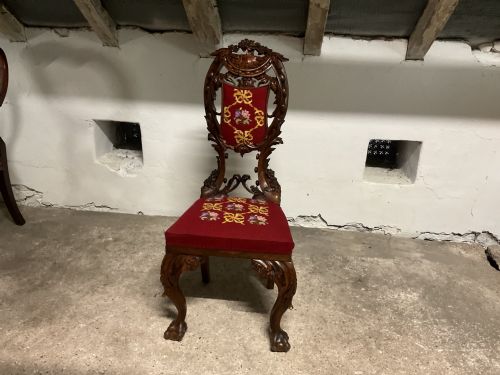
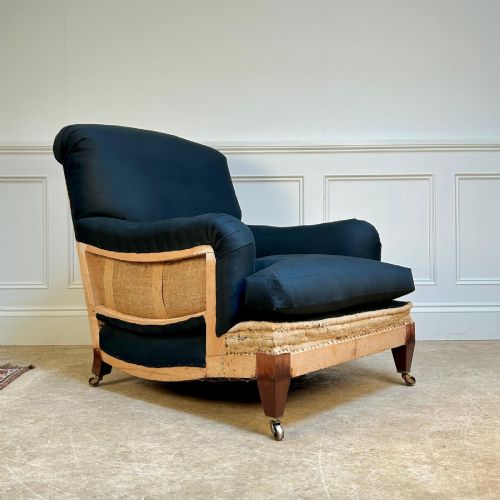
When searching for antique padded seat chairs, buyers encounter a diverse range of forms including armchairs, dining chairs, library chairs, stools, and rocking chairs. The selection spans centuries of design, reflecting the aesthetic preferences of the Georgian, Victorian, and Edwardian eras.
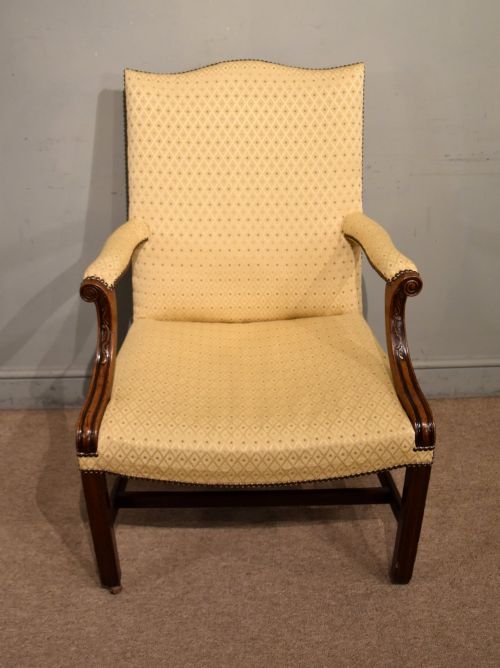
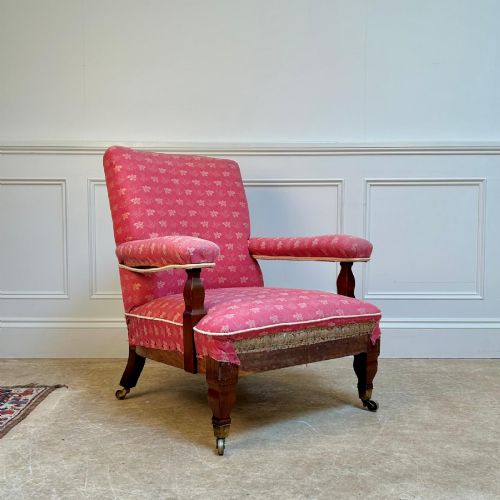
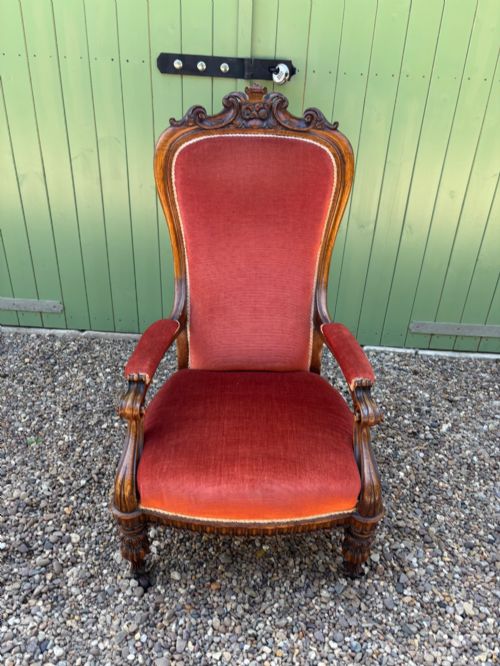
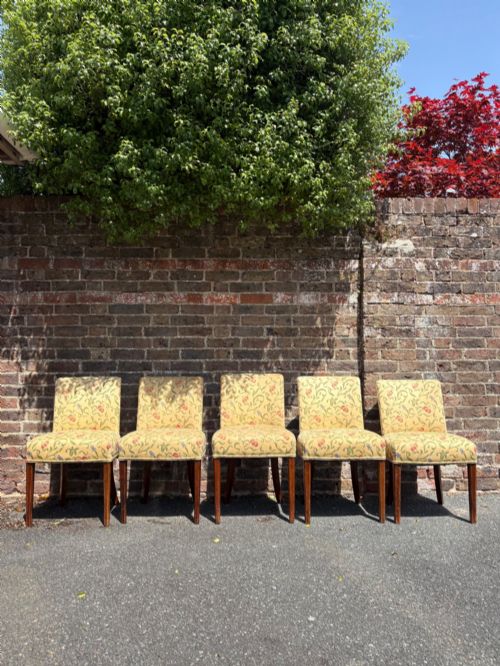
The most common versions met on this page include mahogany and walnut framed seating from the eighteenth and nineteenth centuries, alongside oak and beech examples. These pieces range from formal dining sets to substantial library and Gainsborough armchairs with upholstered seats.
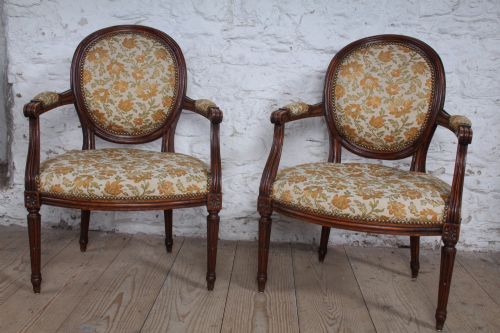
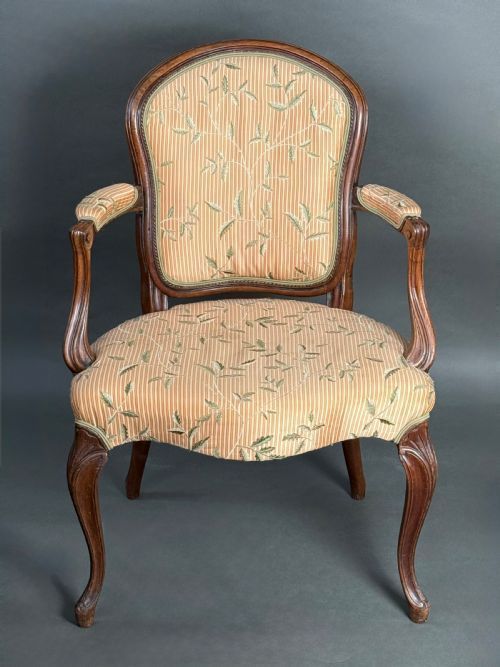
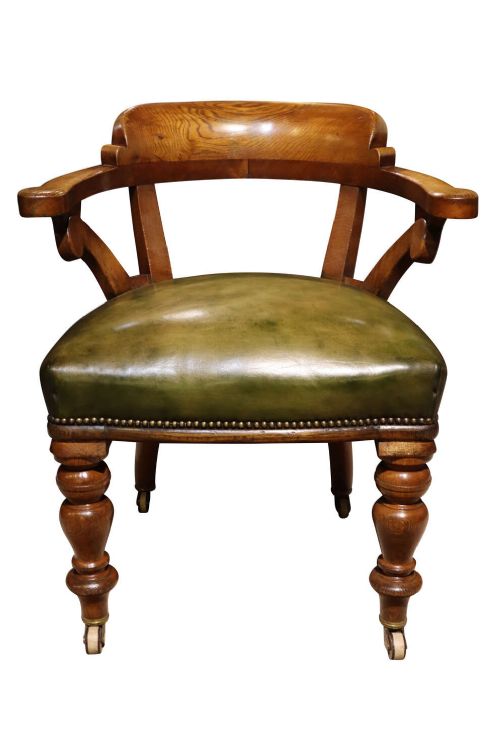
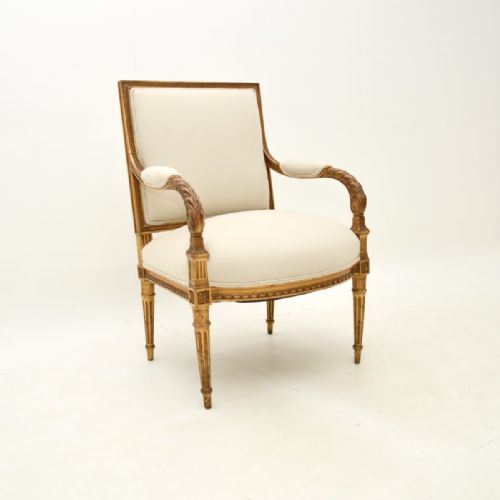
Makers and specific styles such as Victorian Rococo Revival, Louis XVI, and Queen Anne appear frequently across the inventory. Buyers also find specialist seating types like bergères, footstools, and gentleman's chairs featuring various fabric, leather, and needlepoint coverings.
Materials and construction methods
Frames are constructed from dense hardwoods such as mahogany, walnut, oak, beech, and yew wood, sometimes finished with gilding or painted details. Joinery relies on traditional techniques suited to the period, supporting the structural integrity of chairs subject to regular use.
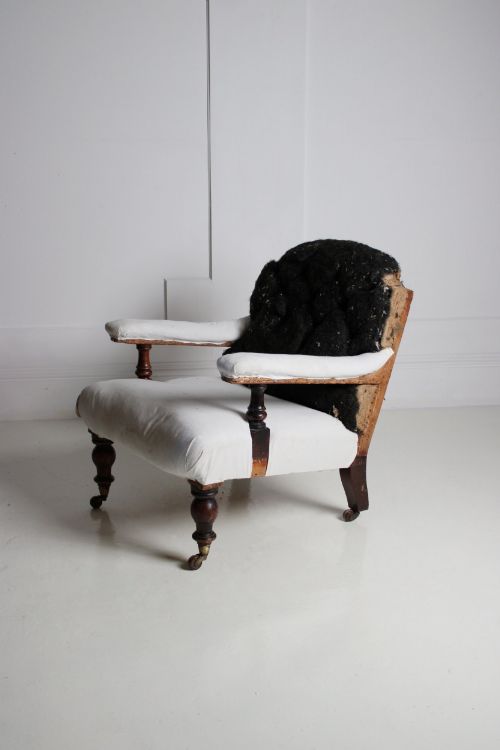
Upholstery relies on supportive internal padding paired with top coverings of fabric, velvet, leather, silk, or needlepoint. Materials like cane and twisted rope also appear on specific seat bases and panels, complemented by brass hardware where appropriate.
Assessing quality in padded seating
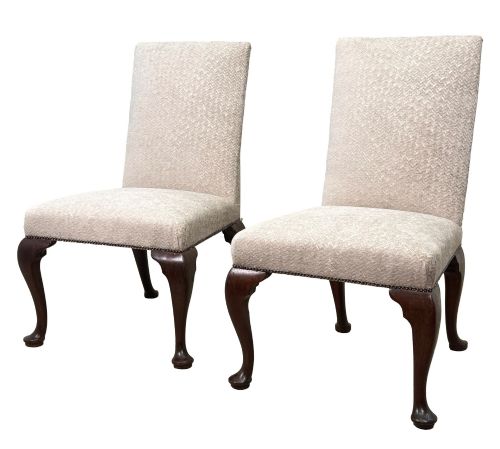
Quality rests in the crispness of the wood carving, the proportion of the frame, and the selection of timber grain. Superior examples display fluent hand-carved details, balanced legs such as cabriole designs, and robust structural joinery.
The standard of upholstery and the preservation of original or sympathetic textile coverings distinguish finer pieces. Chairs retaining period materials or high-grade replacement silks and leathers demonstrate superior curation and craftsmanship.
Colefax and Fowler·George Jack for Morris and Co·Howard and Sons·Blyth and Sons
The Antique Padded Seat Chairs Glossary
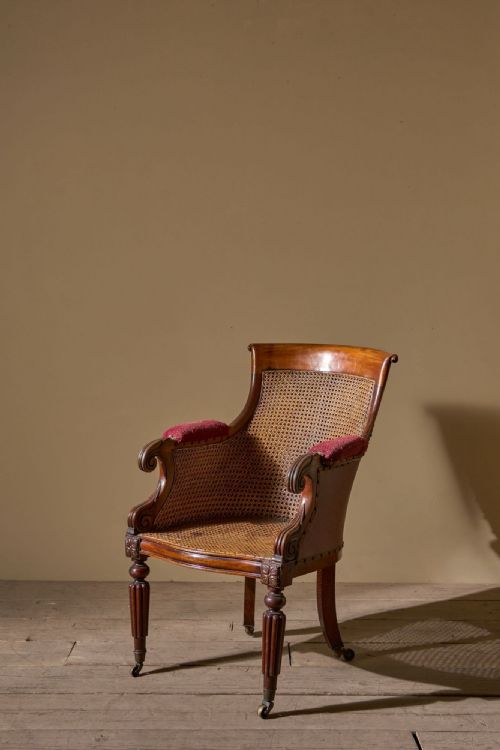
- Bergère
- An enclosed upholstered armchair with wooden framing exposed around the sides and back, often featuring cane panels. This French seating form became popular in various iterations during the eighteenth and nineteenth centuries.
- Gainsborough armchair
- A wide, open-armed English chair designed for a library or writing desk, typically featuring a padded seat and back with mahogany framing. These chairs date predominantly from the Georgian period.
- Fauteuil
- An open-arm armchair with an exposed wooden frame originating in France, associated with Louis periods. The arms generally feature padded elbow rests.
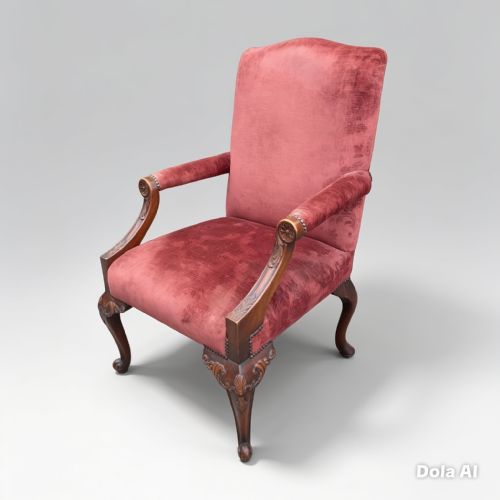
- Cabriole leg
- A furniture leg that curves out at the knee and tapers inward to an ankle, frequently terminating in a pad or claw foot. This form draws inspiration from animal limbs and appears on many eighteenth-century chairs.
- Needlepoint
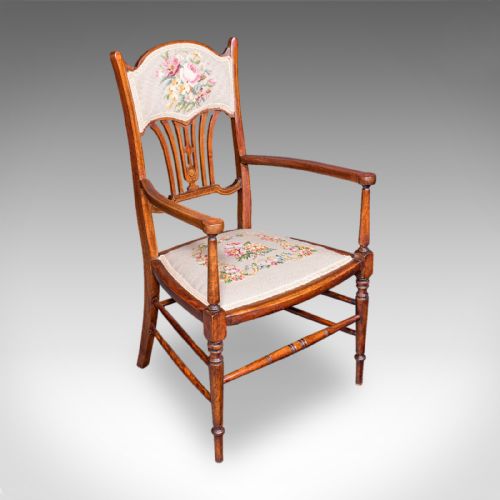
- A type of canvas work embroidery utilised for covering chair seats and footstools. It provides a durable and decorative textured surface seen on Victorian and earlier seating.
Antique Padded Seat Chairs: Frequently Asked Questions
How do I identify a Georgian padded chair?
Georgian chairs typically feature solid mahogany or walnut frames with restrained carving, straight or cabriole legs, and traditional drop-in or upholstered seats. Look for classical proportions and timber patination characteristic of the eighteenth century.
Interior spaces benefit from pairing these formal seats with neutral walls or antique mahogany tables to highlight their architectural lines and craftsmanship.
What is a library Gainsborough chair?
A Gainsborough chair is a spacious eighteenth-century armchair designed for writing desks or libraries, featuring upholstered armrests and padded seating enclosed in a solid wood frame. They offer a comfortable upright posture.
Placing one beside a fireplace or writing desk creates a traditional focal point in a study or drawing room.
How should I care for antique leather upholstery?
Antique leather requires gentle cleaning with specialist balms to prevent drying and cracking, avoiding harsh modern detergents entirely. Regular dusting keeps abrasive particles from settling into the grain.
Keep leather seats away from direct sunlight and heat sources to preserve the supple texture and historical tone of the material.
Are Victorian padded chairs suitable for daily use?
Victorian chairs built from robust timbers like oak and walnut are structurally sound for everyday seating when joints remain tight and stable. Many feature durable upholstery suited to modern living.
Regularly check the underside webbing and frame stability to ensure the piece supports regular weight safely over time.