

Antique Oval Folding Table
An antique oval folding table provides clever space-saving flexibility through drop-leaf and gateleg designs spanning the seventeenth to twentieth centuries.
Antique Oval Folding Table
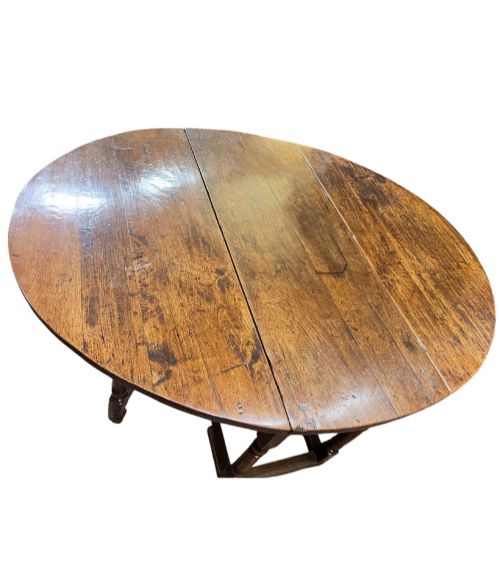
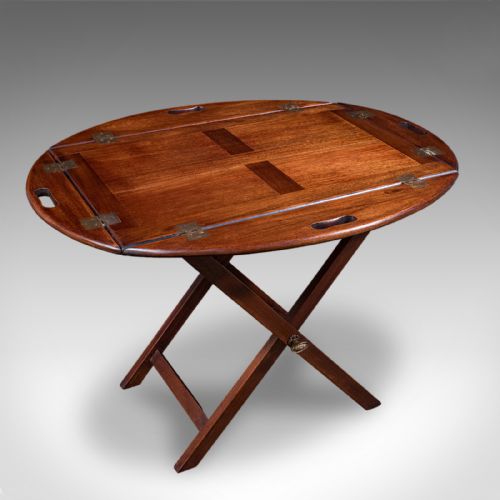
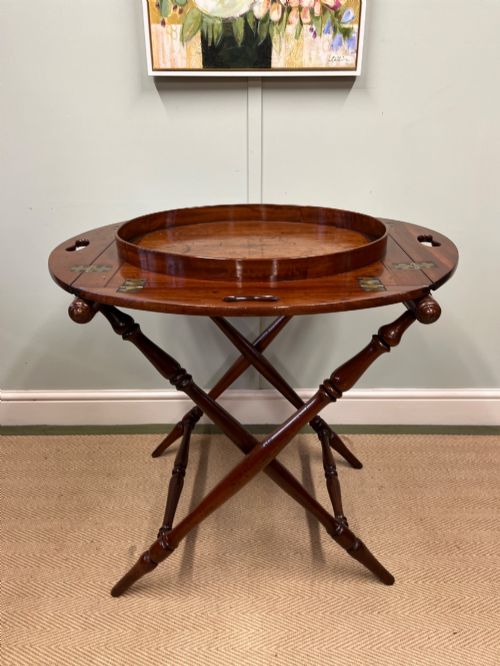
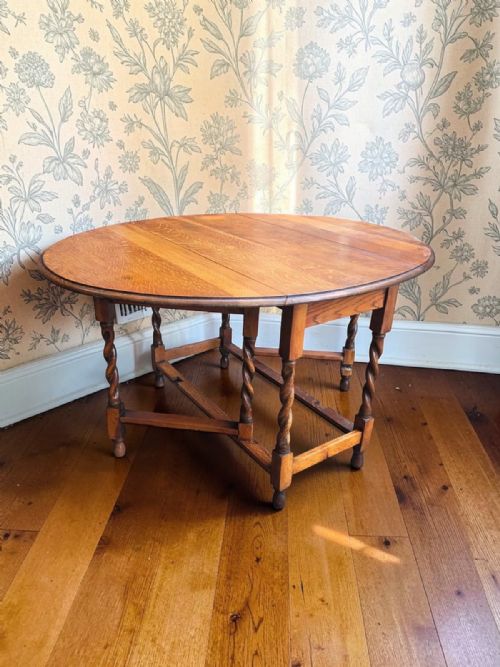
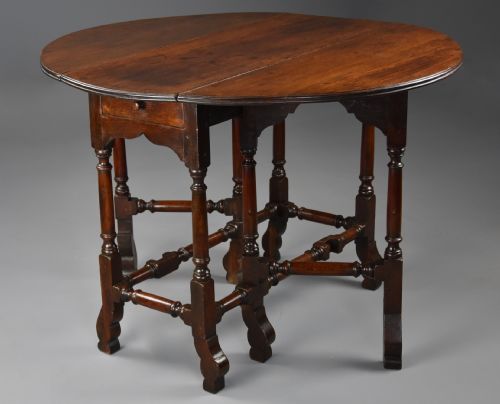
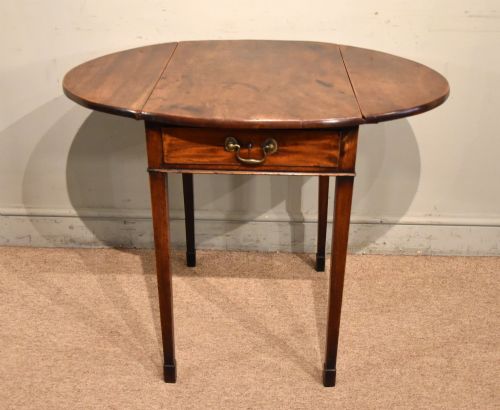
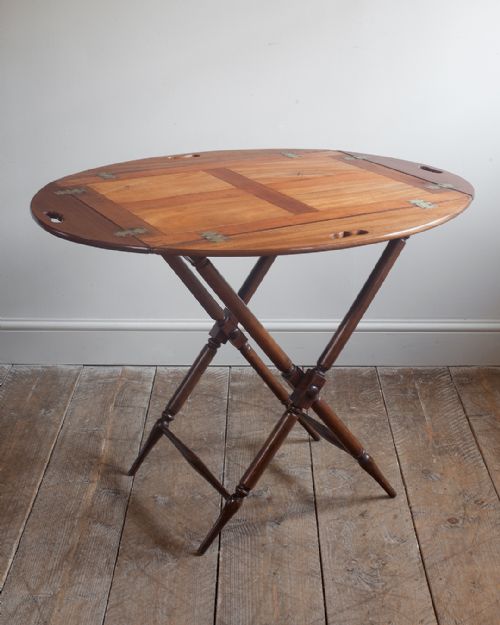
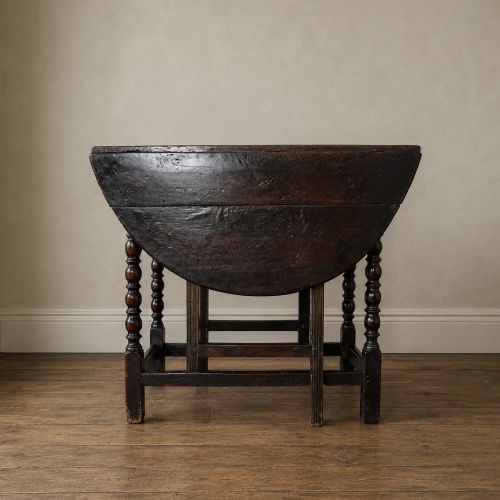
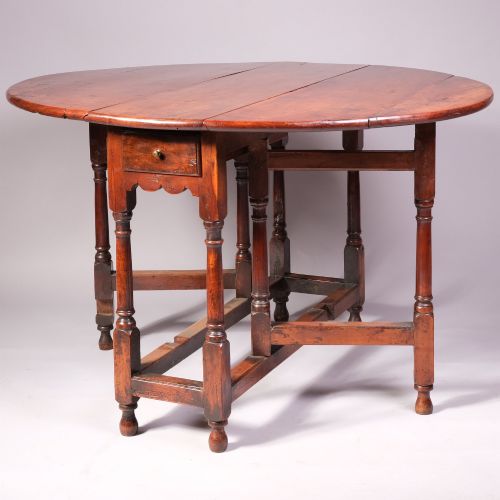
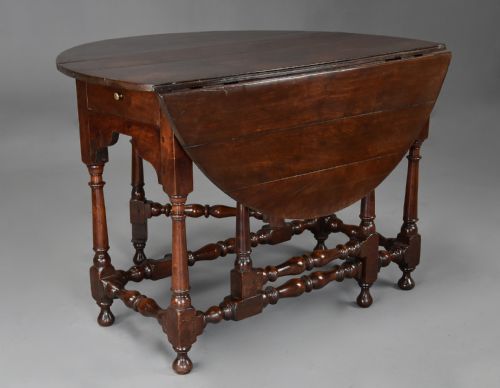
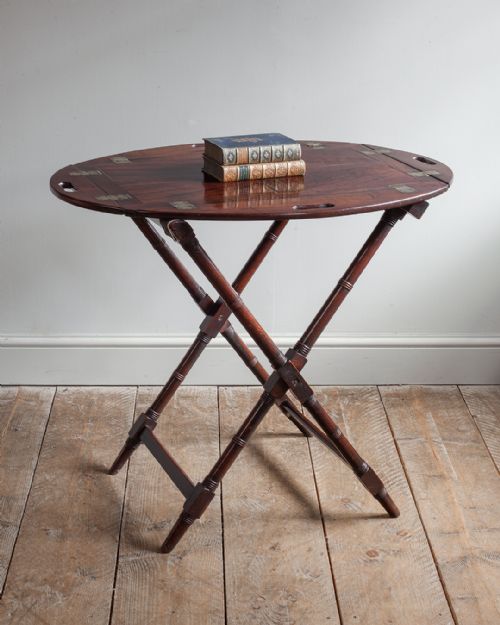
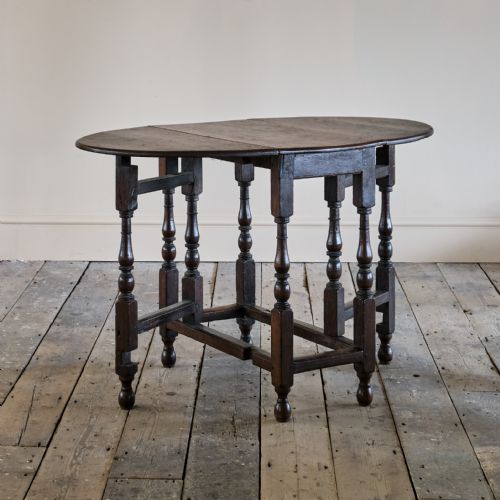
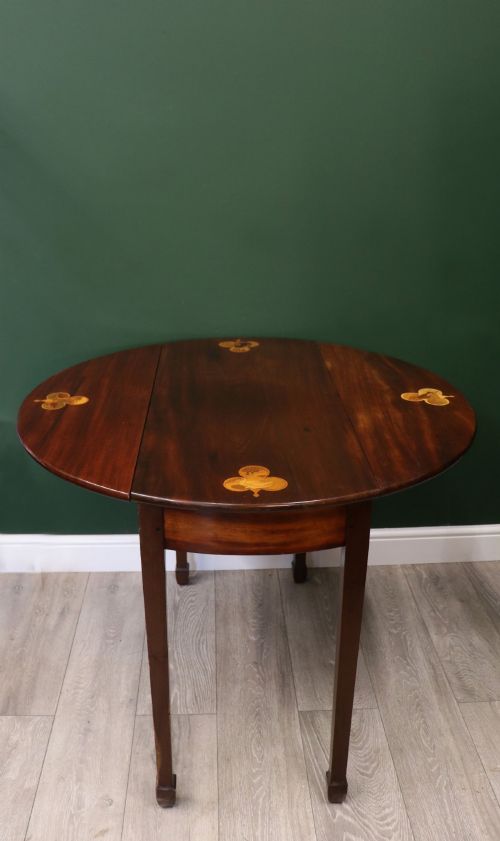
When searching for an antique oval folding table, buyers encounter a diverse range of forms including gateleg dining tables, drop-leaf Pembroke tables, and removable butler's trays on folding stands. These versatile furnishings served for dining, serving, and occasional use across centuries of domestic life.
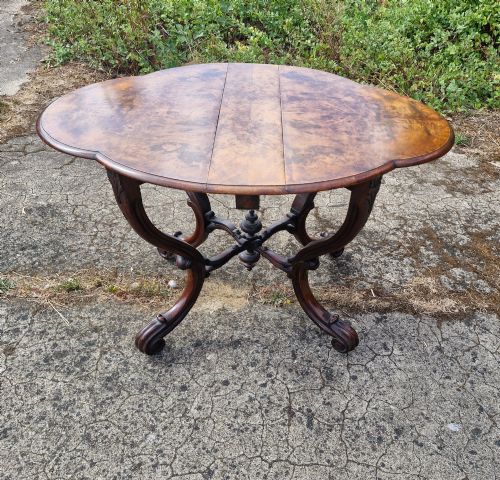
Oak and mahogany versions dominate the selections, appearing alongside walnut, burr walnut, and fruitwood examples. The folding mechanisms rely on hinged flaps and swinging legs that allow the surface area to expand or contract according to immediate needs.
Originating from periods spanning the late seventeenth century through the Edwardian era and the 1930s, these pieces reflect changing social habits and interior requirements. Gateleg dining tables and compact occasional pieces represent the most common variants found on this page.
What varies in quality
The degree of refinement in timber selection and joinery distinguishes finer examples from utilitarian pieces, with choice burr veneers and rich natural patina marking out superior work. Subtlety of proportion, particularly in the scaling of turning work and the integration of folding mechanisms, determines the visual balance of the table.
The integrity of the folding action and the survival of original hardware, such as brass hinges and supporting gate mechanisms, heavily influence the character of each piece. Tables that retain their original finish and structural harmony demonstrate greater craftsmanship than those altered by later restorations.
Materials range from solid oak and mahogany to burr walnut, fruitwood, and boxwood inlay.
The Antique Oval Folding Table Glossary
- Gateleg table
- A table with hinged leaves supported by one or more legs that swing outward like a gate. This design provides robust support for drop leaves.
- Pembroke table
- A small rectangular or oval table with two hinged drop leaves on opposite sides. It frequently includes one or more small drawers.
- Butler's tray
- A removable wooden tray with hinged or fixed sides, typically placed upon a folding stand for serving. Georgian and Victorian examples in mahogany are common.
- Sutherland table
- A narrow drop-leaf table with exceptionally slim leaves and gatelegs that fold down almost flat. This Victorian form maximises space conservation.
- Patina
- The surface sheen and mellowing developed by wood over long periods of handling and age. Fine patina is a key indicator of undisturbed historical surfaces.
Antique Oval Folding Table: Frequently Asked Questions
How do I use a gateleg table daily?
Gateleg tables function effectively in compact rooms by keeping one or both leaves dropped against the sides until extra surface area is required. Raising the leaves and swinging the supporting legs outward creates a stable dining or work surface.
To preserve the mechanism, avoid placing excessive weight on the unsupported outer edges of the dropped leaves. Regular gentle polishing maintains the timber finish without building up heavy wax residues on the hinges.
What is the difference between a gateleg and a Pembroke table?
A gateleg table relies on swinging legs positioned specifically to hold up large drop leaves, often extending across the entire length of the frame. These pieces frequently serve as primary dining tables.
Pembroke tables feature smaller drop leaves attached to a fixed central structure, typically with slender legs and occasional drawers. They are designed for lighter use as side or breakfast tables rather than heavy family dining.
How do I date an oak folding table?
Dating relies on examining construction marks, timber choice, and leg turning styles. Seventeenth and early eighteenth-century pieces often feature heavy oak frames, hand-planed boards, and pegged joinery.
Later Edwardian and 1920s reproductions or adaptations frequently incorporate machine-cut elements and distinct decorative turns like barley twists. Comparing the hardware and general proportions to documented period examples helps confirm the era of origin.
Can I use a butler's tray table as a coffee table?
Butler's tray tables adapt well to modern living rooms when paired with a matching or compatible folding stand. Their removable trays offer convenient portability for serving drinks or displaying decorative objects.
When positioning them, ensure the folding stand locks securely into place to prevent shifting. Using coasters protects the antique timber surface from moisture rings.