



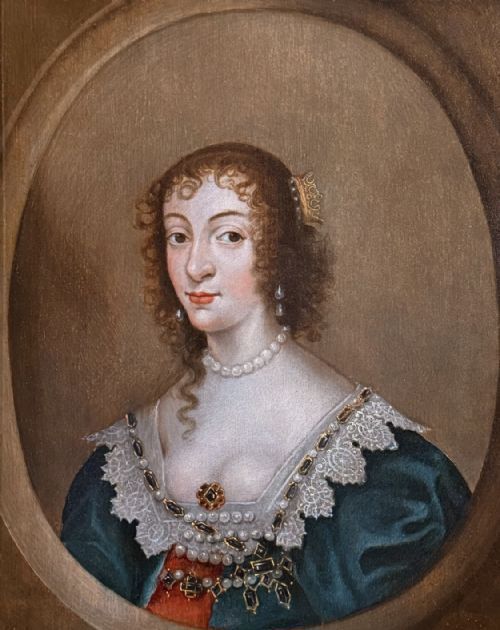
Antique Oval Female Portrait
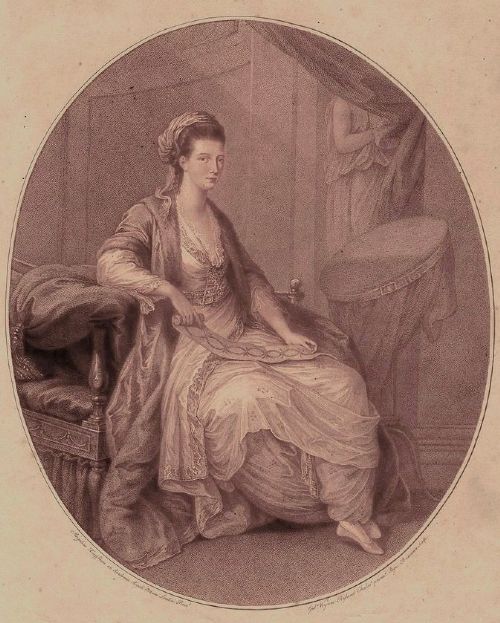
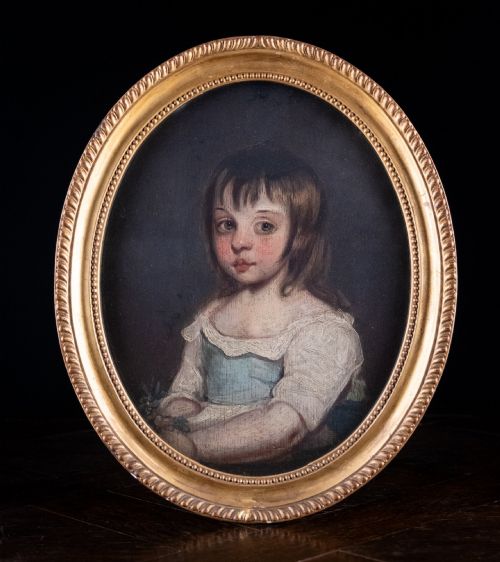
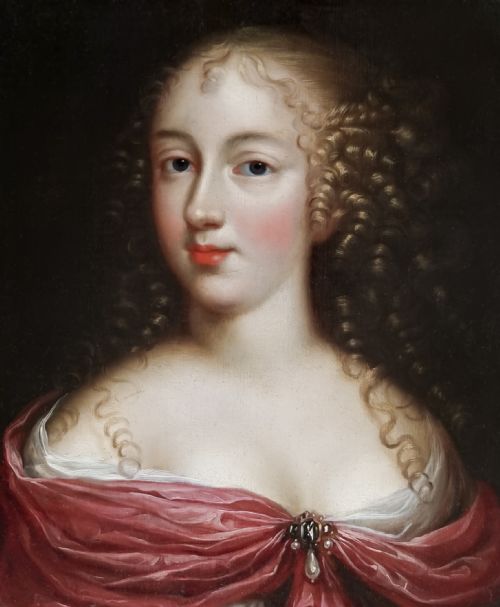
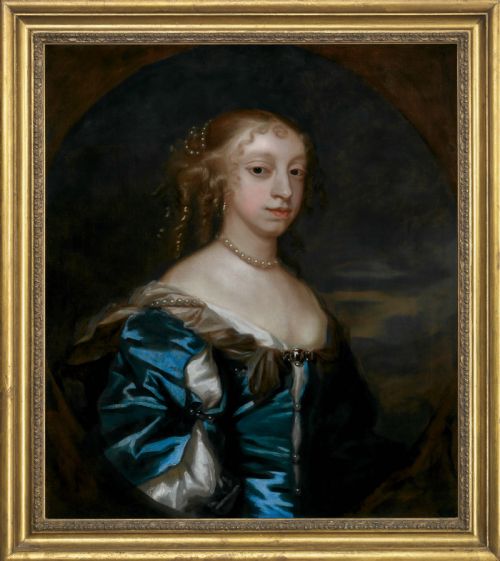
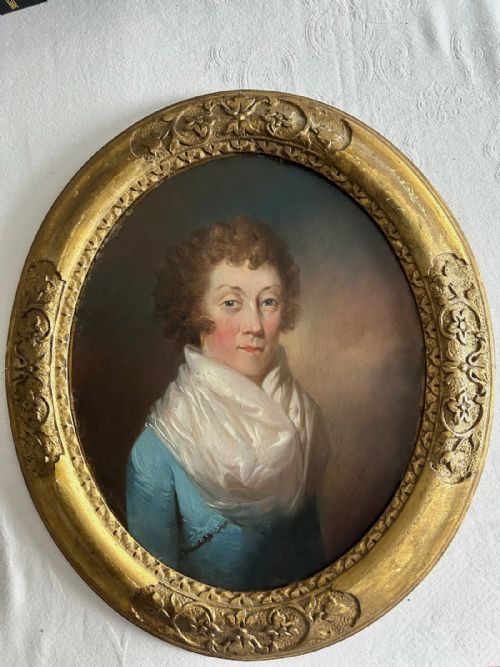
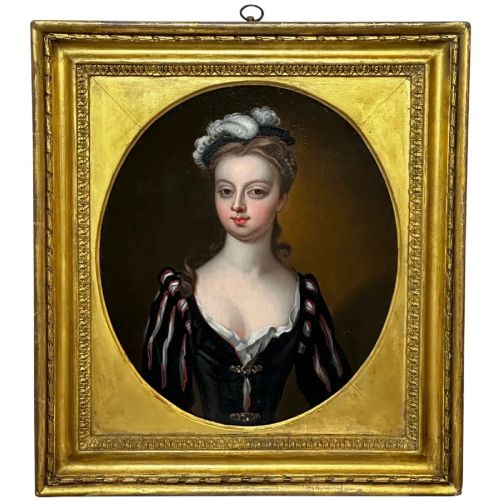
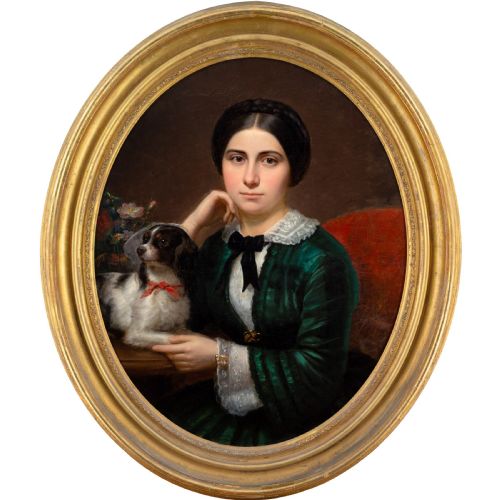
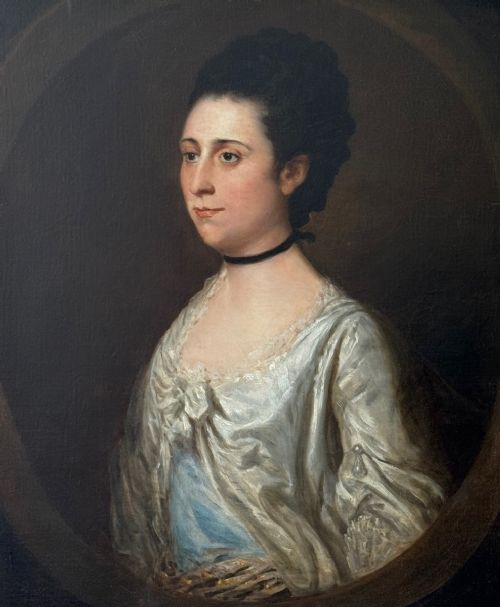
An antique oval female portrait captures the character of a woman from past centuries through intimate painted, drawn or printed likenesses.
Antique Oval Female Portrait
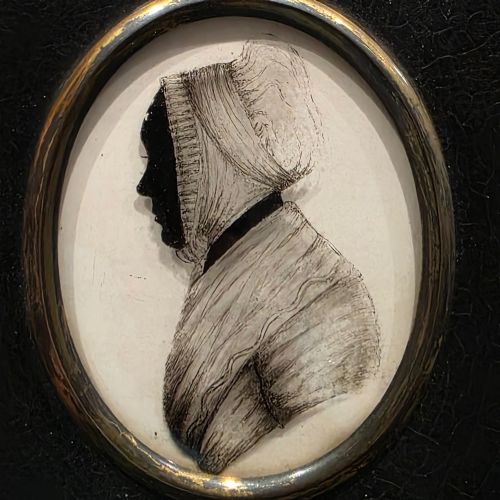
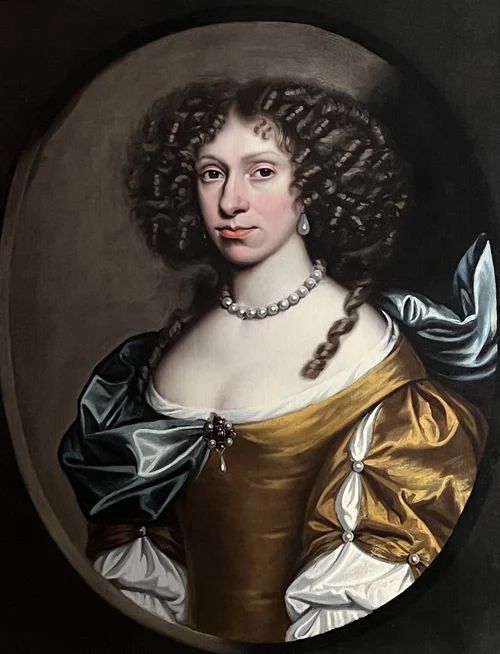
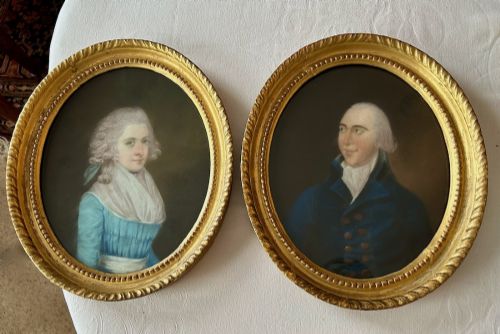
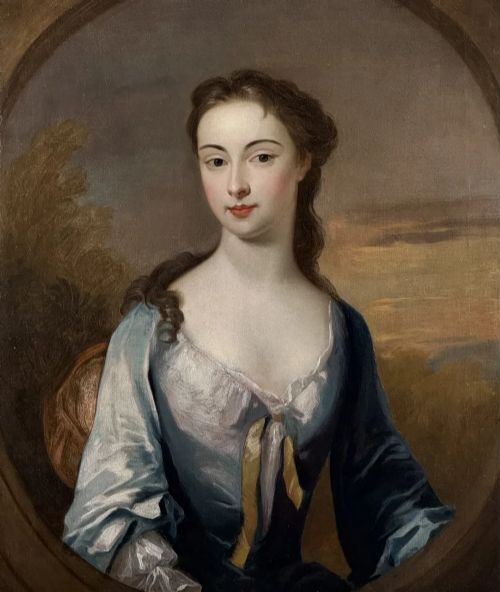
When searching for an antique oval female portrait, collectors encounter diverse expressions of historic likeness across several centuries. The selection spans oil paintings on canvas and panel, delicate pastel drawings, watercolour miniatures, engravings and silhouettes.
Many of these works arrive framed in giltwood or brass surrounds that complement the curved format. The subjects range from named sitters of nobility to anonymous country girls and elegant beauties.
Pieces from the seventeenth and eighteenth centuries sit alongside nineteenth-century French and Regency examples. This variety allows buyers to choose works that reflect distinct historical periods and artistic approaches.
Materials and Techniques
Artists painted these subjects using oil on canvas or wood panel, while others employed pastel and watercolour on paper or vellum. Silhouette makers utilised reverse painting on glass or delicate paper cutouts.
Materials recorded across the selection include glass, paper, oil on canvas, giltwood, wood, watercolour, and brass.
Distinctions in Quality
The sophistication of the brushwork or drawing defines the upper tier of these portraits. Skilled handling of light on fabric, flesh and hair separates master work from simpler output.
Provenance and attribution to documented artists add significant depth to a piece. Original framing in period giltwood also enhances the integrity of the object.
David Scougall·Charles Jervas·Pierre Mignard·Thomas Beach·Cornelius Johnson·Allan Ramsay·John Russell·Louis Icart
The Antique Oval Female Portrait Glossary
- Miniature
- A small-scale portrait painted on ivory, vellum, card or copper. These objects were frequently designed to be carried personally or worn as pendants.
- Reverse painting on glass
- A technique where the artist applies pigment to the rear side of a glass sheet, viewing the finished image from the front. This method creates a glossy surface finish.
- Pastel
- A medium consisting of powdered pigment combined with a binder and shaped into sticks. Artists valued it for soft colour blending and lifelike skin tones.
Antique Oval Female Portrait: Frequently Asked Questions
How do I date an oval portrait?
Examine the costume, hairstyle and framing materials of the subject. Sitters often wore fashions specific to their decade, which provides a reliable chronological anchor.
Supporting evidence from signatures, inscriptions on the reverse, or historical records of the sitter further clarifies the period of creation.
Where were these portraits displayed?
Historic owners typically hung portrait miniatures and small oils in private chambers, drawing rooms or intimate galleries. Larger canvases found places in formal reception rooms.
Today, collectors place these works in studies, hallways or mixed gallery walls alongside other historic art.
Why are portraits oval?
The curved format gained popularity during the seventeenth and eighteenth centuries to soften the corners of formal compositions. This shape suits the intimate scale of facial studies and miniature art.
Makers designed matching wood and gilt frames specifically to enclose these curved boundaries.
Are these portraits signed?
Some pieces bear artist signatures or contemporary inscriptions naming the sitter on the reverse of the canvas or frame. Unsigned works frequently rely on stylistic attribution to particular schools or workshops.
Documentation in historical archives or exhibition labels often helps identify the creator of unsigned examples.