


Antique Ornate Dressing Mirror
An antique ornate dressing mirror brings tactile, historic glamour to a room, offering both practical reflection and sculptural presence.
Antique Ornate Dressing Mirror
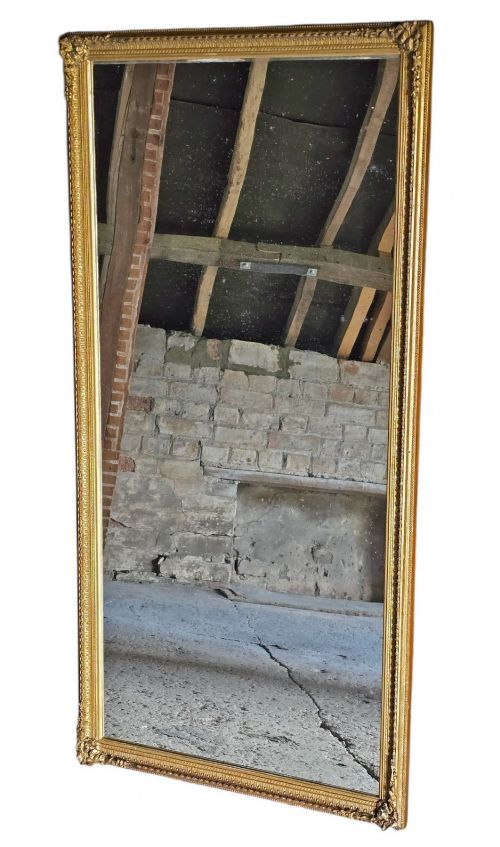
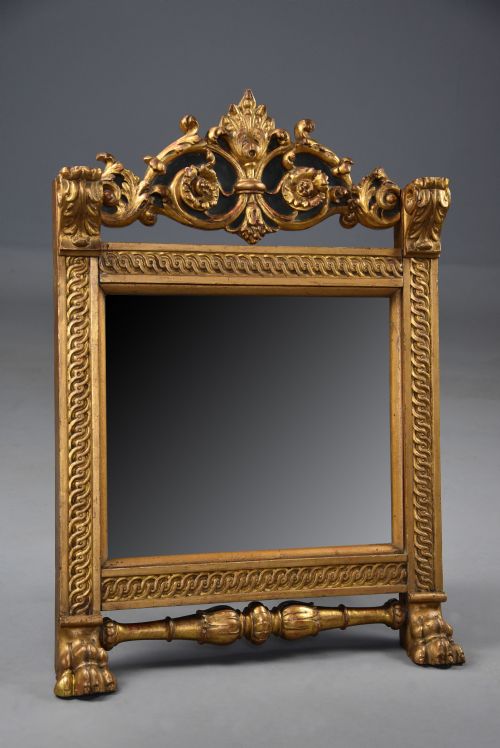
When you search for an antique ornate dressing mirror, you encounter everything from compact tabletop versions with easel backs to imposing floor-standing cheval mirrors and wall-mounted pieces. The pieces listed span the nineteenth century and the early twentieth century, capturing periods such as Victorian, Edwardian, and the interwar years of the 1930s. Styles lean heavily towards French Rococo Revival, Neoclassical, and French Chateau aesthetics, bringing decorative carving and elaborate frames into domestic spaces.
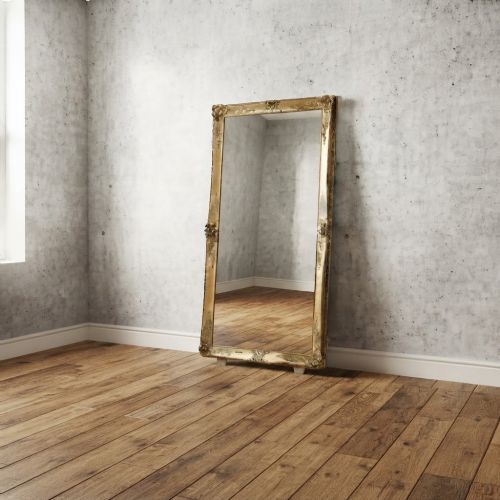
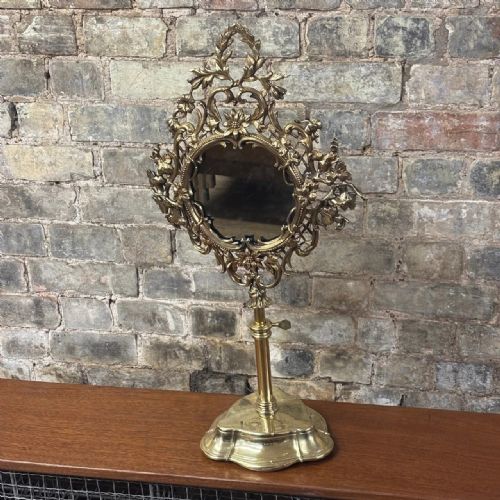
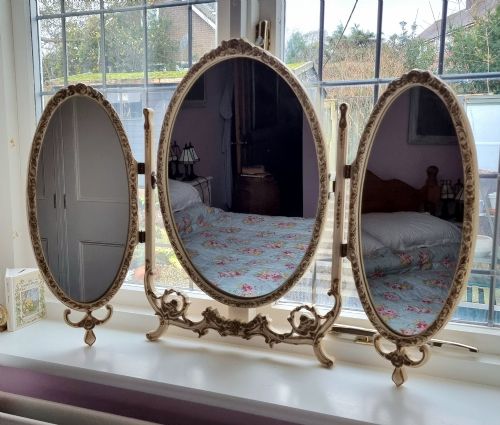
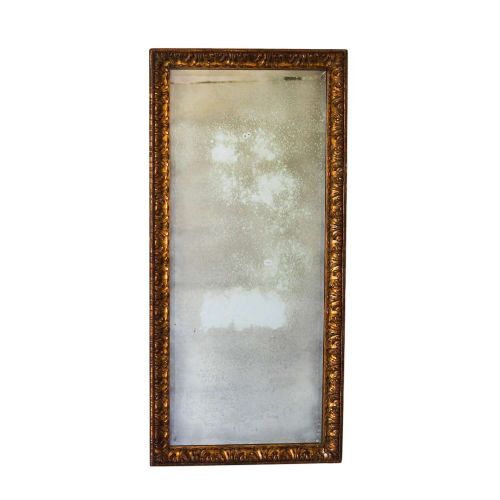
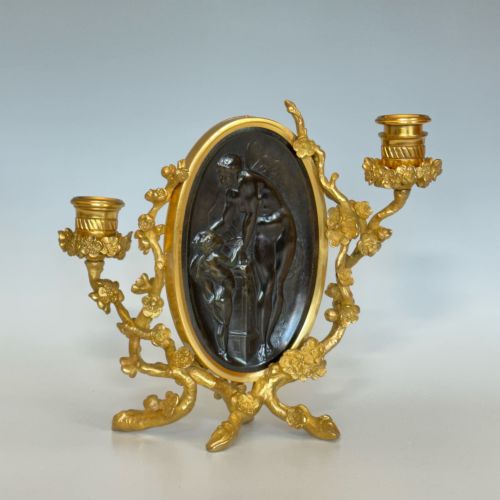
Table mirrors and vanity mirrors dominate the smaller formats, often designed with folding panels or pivoting glass supported by sturdy brass, gilt bronze, or carved wooden frames. Full-length leaner mirrors and taller floor-standing options offer grander proportions, utilising carved giltwood, gesso, walnut, and mahogany to anchor a bedroom or dressing room scheme. Continental factories and makers across France, Italy, Russia, and Vienna contributed varied regional interpretations of ornate decorative design to this selection.
How they were made
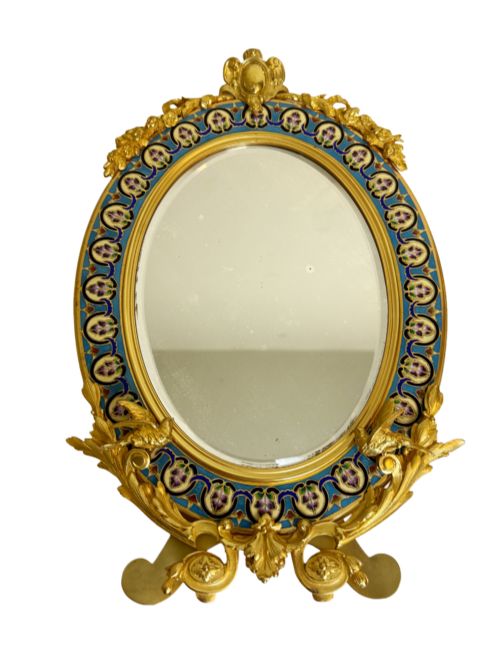
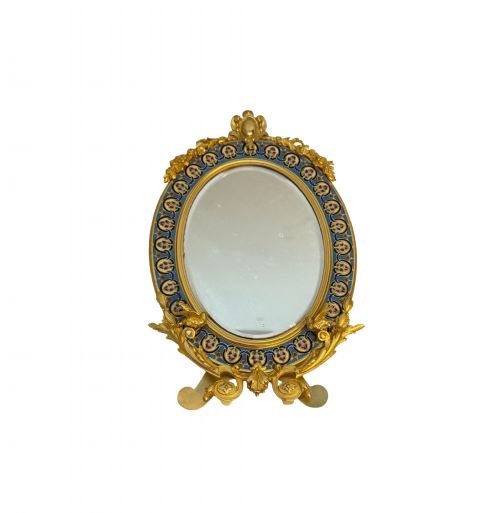
Frames rely on traditional woodworking, carving, and moulding techniques applied to timber foundations such as walnut, mahogany, and general wood. Craftsmen then layered gesso onto carved wooden surfaces to build up intricate relief details before applying delicate gold leaf in giltwood pieces, or painting the finished frames. Cast metals like brass and gilt bronze provided strong structures for smaller table and easel mirrors, frequently incorporating champleve enamel panels.
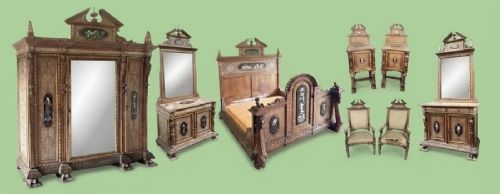
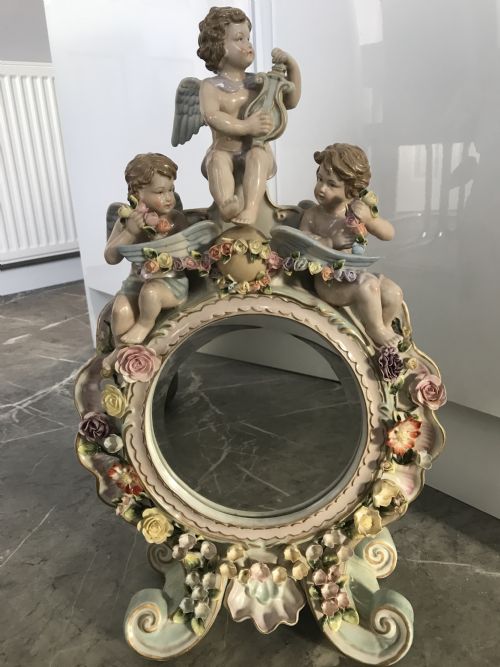
Decorative embellishments often include porcelain elements, such as applied cherubs and flowers, alongside bevelled glass plates set securely into the frames. Joinery methods varied from traditional cabinet making in bedroom suites to specialised easel mechanisms and pivoting brass screws designed to tilt table mirrors smoothly.
The listings feature mirrors spanning the 1860s to the 1930s, utilising materials such as walnut, brass, gilt bronze, and enamel.
What varies in quality
The standard of carving and surface decoration dictates the visual impact of each piece, distinguishing mass-produced items from masterworks. Crisp hand-carving in giltwood or deep relief work in gesso shows an artisan's control over ornament, whereas softer, shallower moulding suggests a simpler production process. The weight and finish of cast brass or gilt bronze mounts, alongside the inclusion of detailed champleve enamel or porcelain flowers, elevate certain examples above standard domestic wares.
The integrity of the reflective glass plate and its interaction with the frame also marks out superior pieces. Original bevelled glass and heavy timber backboards secured with period fixings retain historical authenticity, while well-engineered pivoting hardware ensures a table or cheval mirror functions as intended without slipping.
Waring & Gillows·Thiebaut Freres
The Antique Ornate Dressing Mirror Glossary
- Cheval mirror
- A full-length mirror hung in a frame that allows it to swing or tilt. These freestanding floor mirrors became essential bedroom furnishings during the nineteenth century.
- Giltwood
- Timber that has been coated with a thin layer of gold leaf or gold paint. It provides the brilliant, reflective frame surface seen across many Rococo and Neoclassical revival mirrors.
- Champleve
- An enamelling technique where troughs or cells are carved into the surface of a metal object and filled with vitreous enamel. This colourful decoration appears frequently on late nineteenth-century bronze frames.
- Gesso
- A plaster-like mixture applied to wood frames to create a smooth surface for gilding or to be moulded into relief ornaments. It allows for intricate scrolling and floral details.
- Easel mirror
- A smaller table mirror supported by a hinged prop or leg at the rear. This design allows the glass angle to be adjusted easily on a dressing table.
Antique Ornate Dressing Mirror: Frequently Asked Questions
Where should I place a dressing mirror?
Tabletop versions sit comfortably upon dressing tables, chests of drawers, or sideboards where they offer a close-up reflection for daily routines. Floor-standing and leaner mirrors suit bedrooms, dressing rooms, or hallways, where their height helps bounce light around the space.
Larger wall-mounted examples can also anchor a room visually, functioning much like a piece of decorative art above a mantelpiece or console.
Are dressing mirrors fragile?
While the heavy timber frames, brass structures, and thick glass plates are robustly built, these pieces require careful handling during placement and moving. The delicate gesso work and applied porcelain elements on certain frames benefit from gentle dusting with a soft, dry cloth.
Ensuring that easel backs, wall fixings, or floor supports are secure will keep heavy mirrors stable and safe in regular use.
What is a pier mirror?
A pier mirror is a tall, narrow glass designed specifically to fit the narrow wall space between two windows. These architectural mirrors often feature elaborate giltwood or carved frames that match the grandeur of nineteenth-century interiors.
Their elongated proportions reflect additional light into darker sections of a room.