

Rococo Mirror and Table
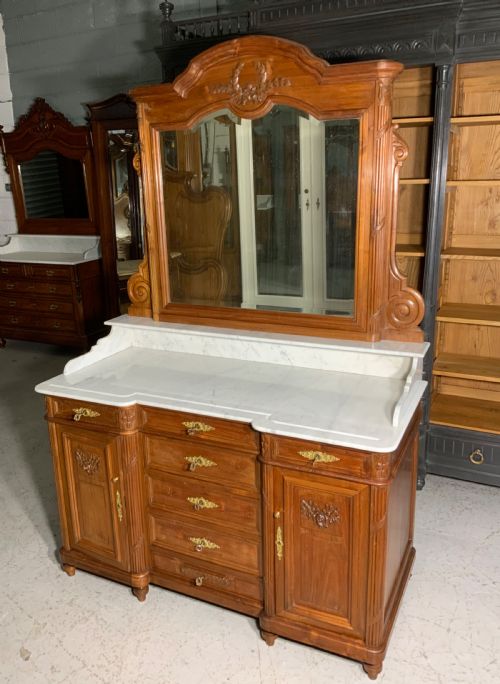
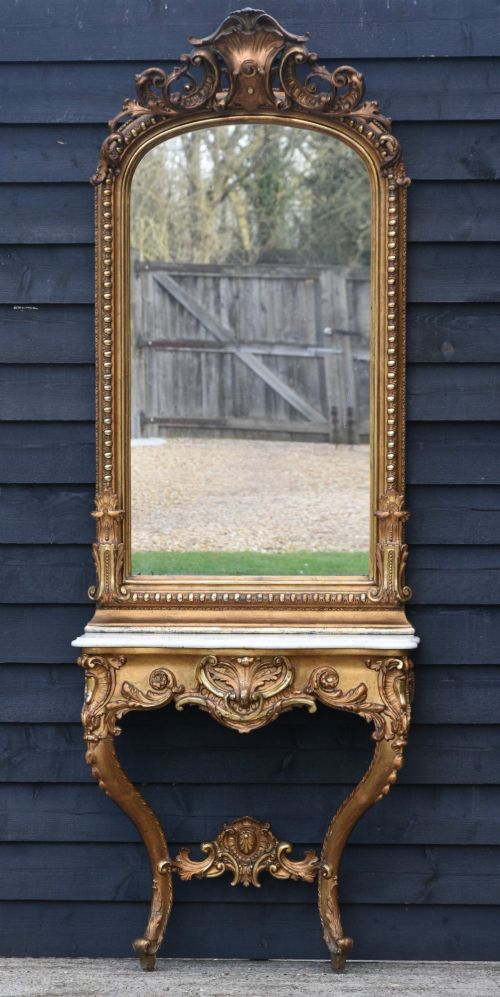
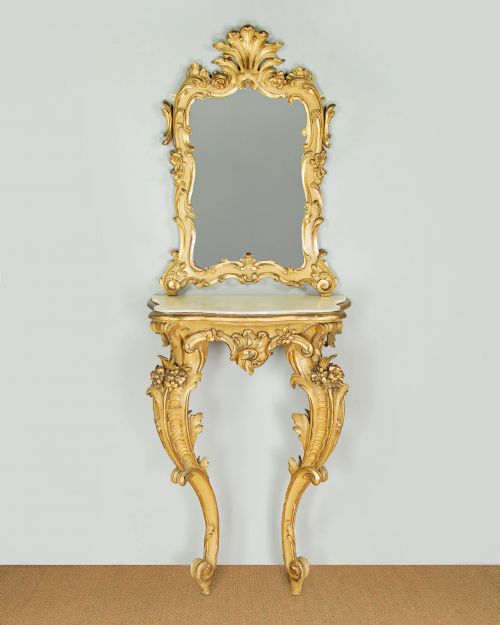
A rococo mirror and table brings dramatic carved asymmetry and grand proportion into a room through gilded wood and marble.
Rococo Mirror and Table
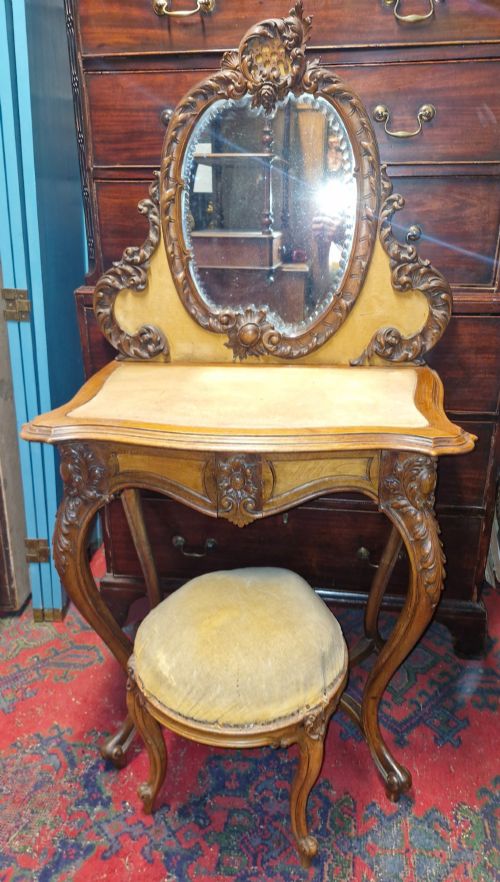
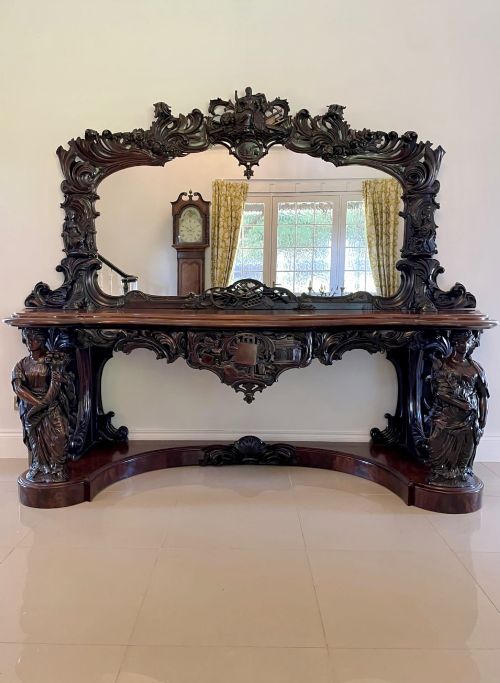
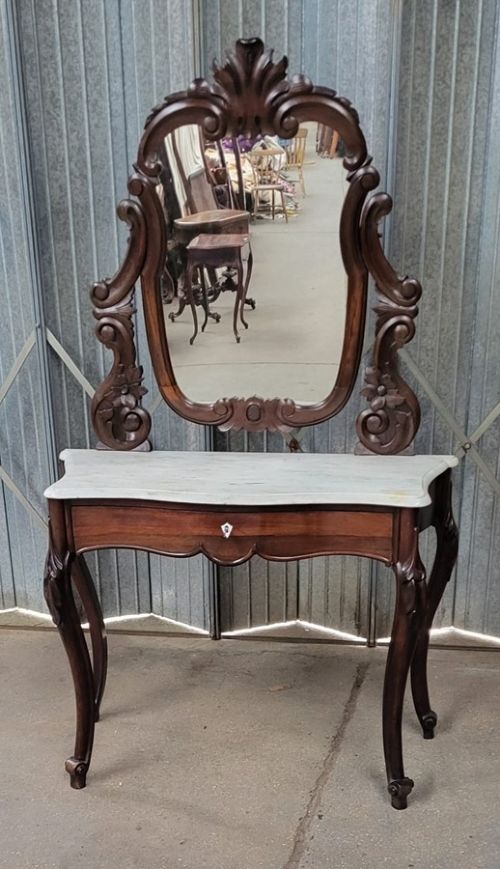
A rococo mirror and table combination pairs a large wall mirror or pier glass with a matching console or dressing table, designed to anchor a formal interior. These sets frequently date from the nineteenth century, drawing heavily on French Rococo Revival and Louis XV design idioms.
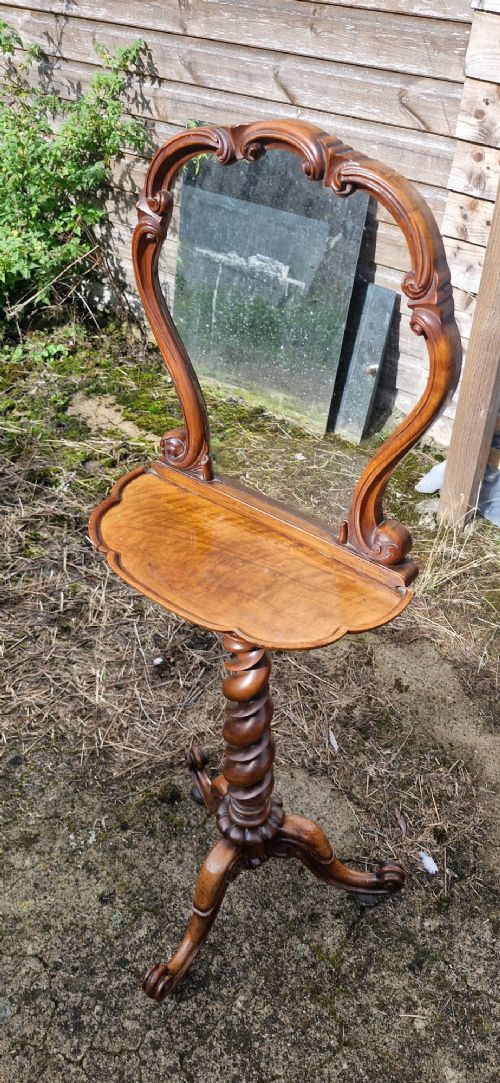
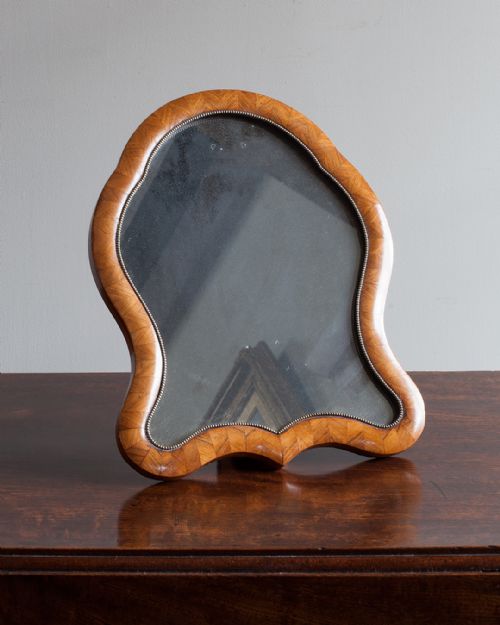
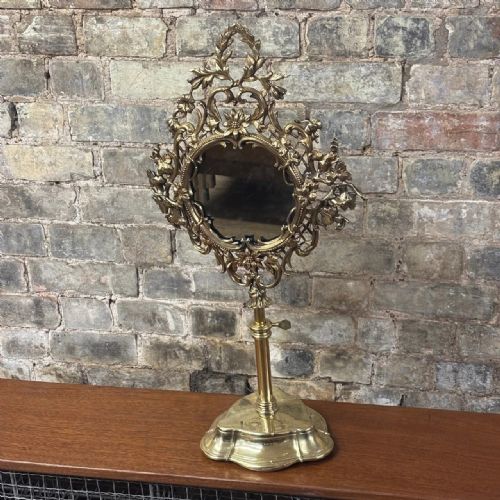
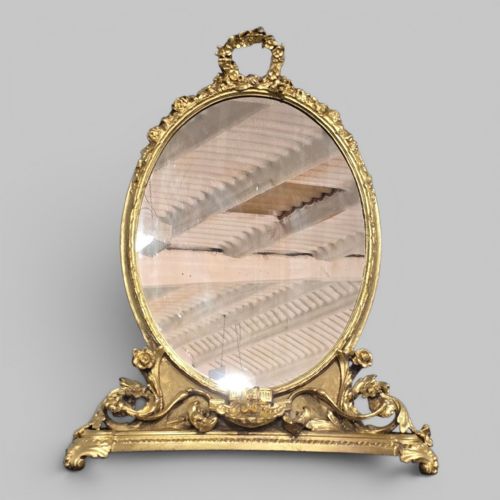
Stylistic influences span Victorian adaptations, Venetian painted pieces, and Italian giltwood work, reflecting diverse European interpretations of the rococo aesthetic. The forms range from compact table mirrors with easel backs to exhibition-quality console pieces.
How they were made
Frames and tables rely on carved giltwood, gesso, and solid timbers such as walnut and mahogany, shaped with characteristic C-scrolls and floral motifs. Gilding is applied over prepared gesso grounds to create the reflective surfaces typical of the style.
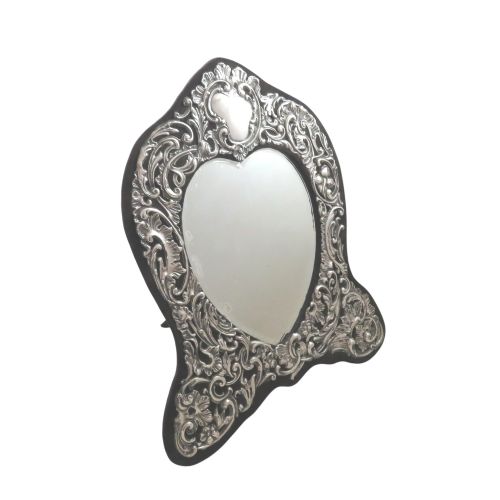
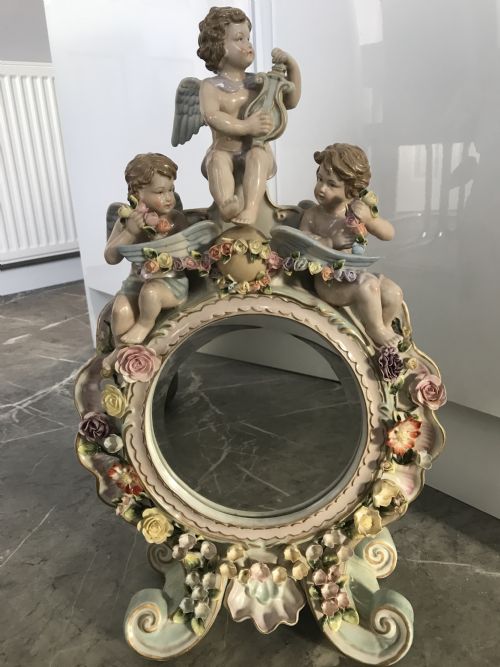
Metalwork utilises cast brass and sterling silver mounts, often incorporating bevelled mirror glass and silver deposit decoration on porcelain. Marble tops provide durable, polished surfaces for console and dressing tables.
Listings span the nineteenth and early twentieth centuries, featuring materials from giltwood and marble to solid walnut, brass, and porcelain.
What varies in quality
The depth and crispness of the wood carving distinguish superior items, where artisans shape intricate flora and scrolls directly into the solid timber or thick gesso. Softer, shallower definition indicates hurried production or later secondary casting.
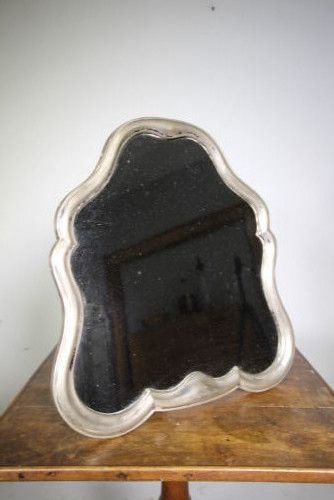
Material selection dictates overall weight and presence, seen in dense hardwoods, genuine marble slabs, and heavy cast brass frames rather than lighter composite substitutes. Original mercury or bevelled glass plates hold greater integrity than modern replacements.
Pauly et Cie·Jean Gille
The Rococo Mirror and Table Glossary
- Giltwood
- Wood that has been coated with fine gold leaf or gold powder over a prepared base. This technique protects the timber underneath while providing a brilliant, luminous finish.
- Console Table
- A table designed to stand flat against a wall, frequently supported by ornate scroll brackets or legs. These tables often carry heavy marble tops.
- Pier Glass
- A tall mirror specifically designed to hang on the wall between two windows, often placed directly above a matching console table. It helps to bounce light around formal rooms.
- Gesso
- A plaster-like mixture applied to wood surfaces to create a smooth layer for carving and gilding. It allows craftsmen to model sharp, detailed relief ornamentation.
- Bevelled Glass
- Mirror glass with edges cut and polished at an angle to create a framed border effect. This treatment catches the light and adds depth to the reflection.
Rococo Mirror and Table: Frequently Asked Questions
How do I style a console table and mirror set?
Mount the mirror securely to the wall directly above the console table to create a cohesive vertical focal point. Keep the tabletop surface uncluttered to let the carved woodwork and marble top remain visible.
Position the set in an entrance hall or living room where it can reflect natural light from nearby windows. Pair it with low-profile seating or leave the floor space entirely open.
What is the difference between a dressing mirror and a console mirror?
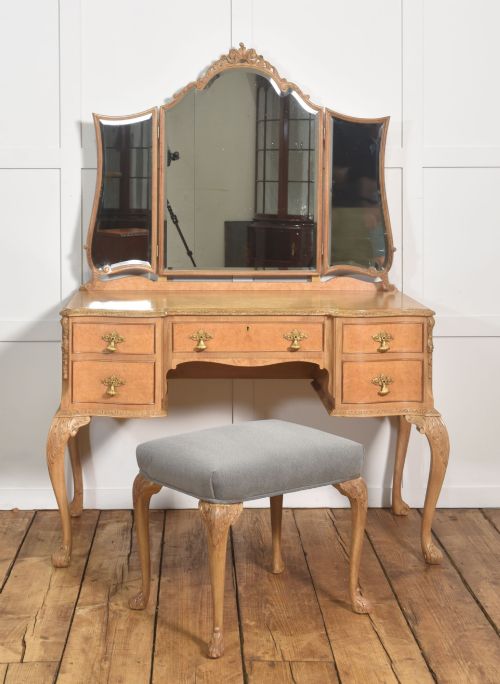
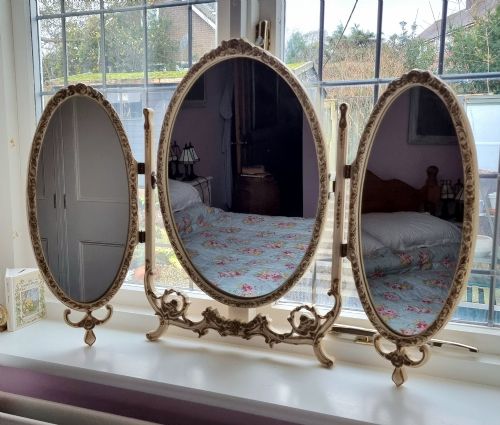
Dressing mirrors are smaller, portable pieces intended for tabletops, often featuring swing frames or folding triple panels for personal grooming. Console mirrors are large wall-hung plates meant to coordinate with a fixed table underneath.
Console setups serve a primarily decorative and architectural role in a room layout. Dressing variants focus on functional utility within bedrooms and boudoirs.
Are marble-topped tables difficult to maintain?
Marble provides a durable and heat-resistant surface that requires only simple wiping with a damp cloth. Avoid acidic liquids like citrus juice or vinegar, which can etch the polished stone finish.
Use coasters under glasses and protect the stone from heavy impacts. Periodic gentle buffing keeps the natural polish intact.