

Antique Ormolu Vases
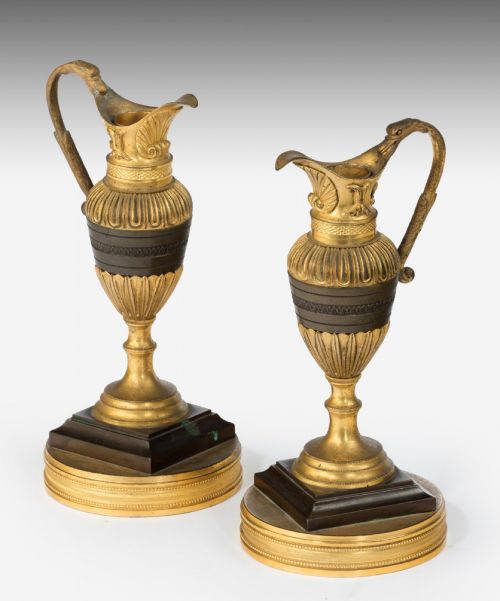
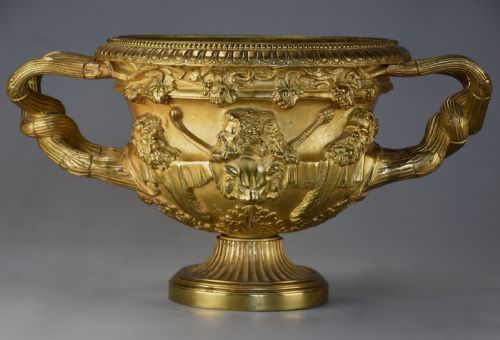
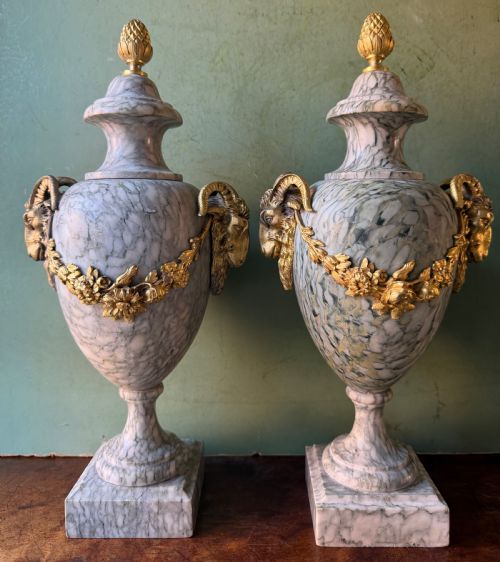
These antique ormolu vases combine gilded bronze mounts with ceramic, stone or glass, bringing nineteenth-century French and neoclassical grandeur into domestic interiors.
Antique Ormolu Vases
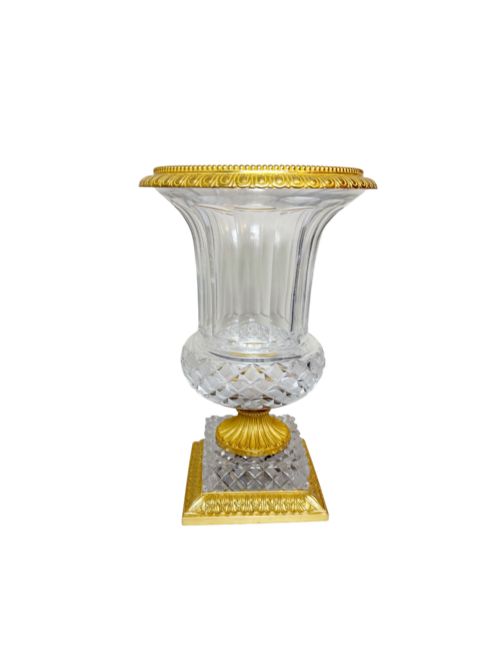
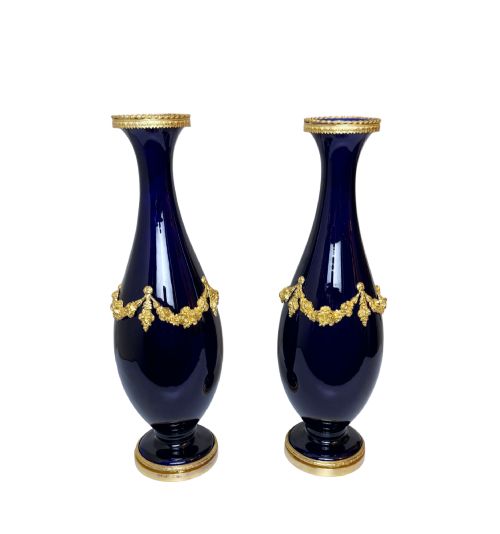
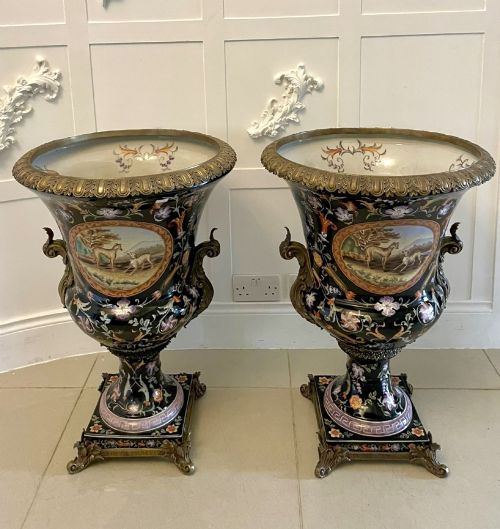
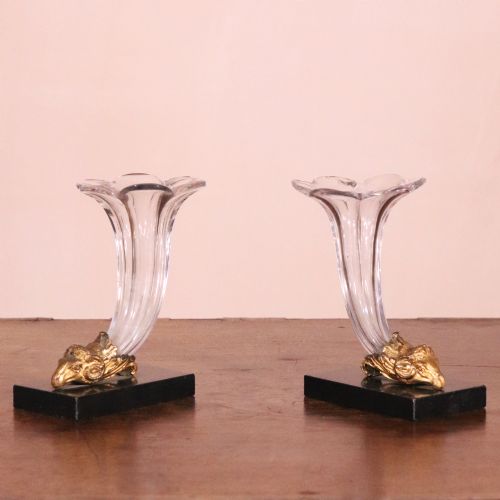
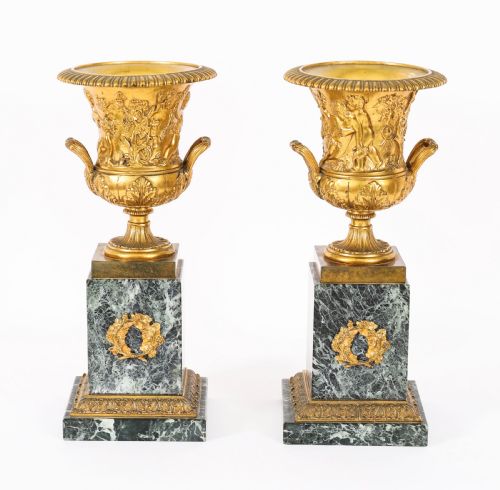
When you search for antique ormolu vases, you encounter decorative vessels, urns, and cassolettes that integrate cast metal with porcelain, marble, or onyx. The nineteenth century dominates these selections, particularly pieces displaying French Rococo Revival, Empire, and Louis XVI styles.
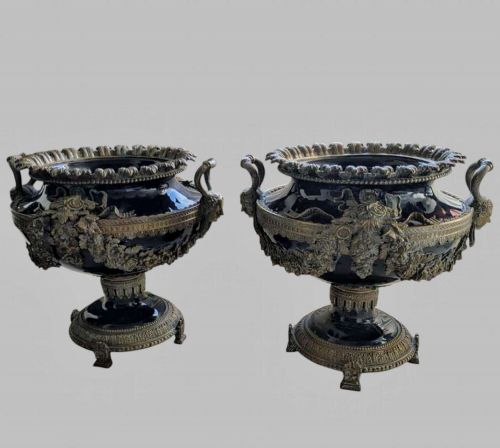
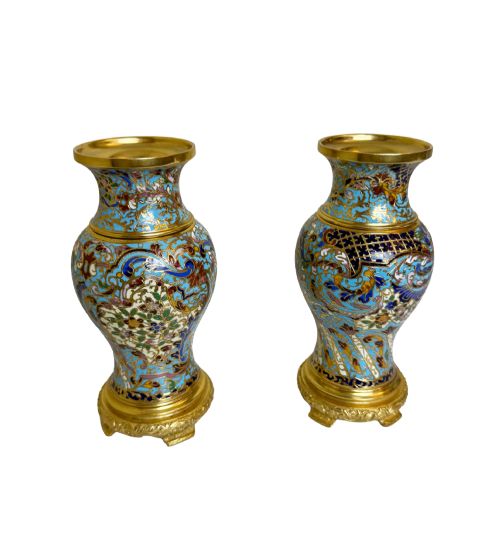
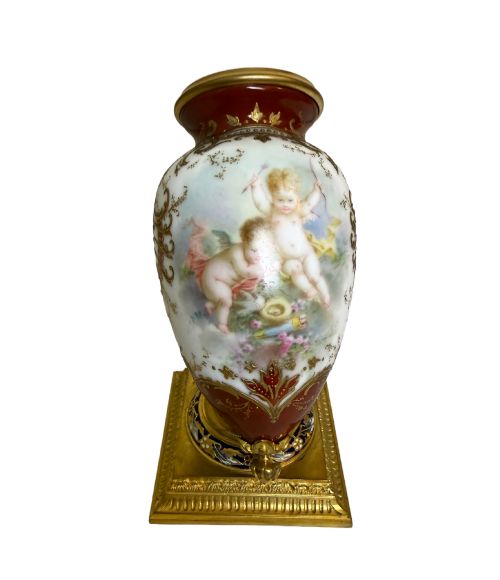
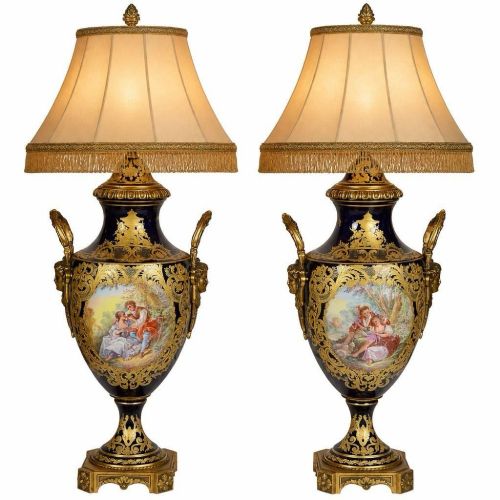
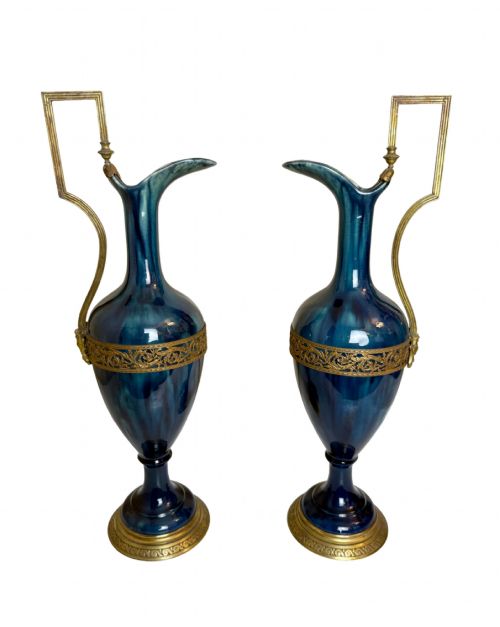
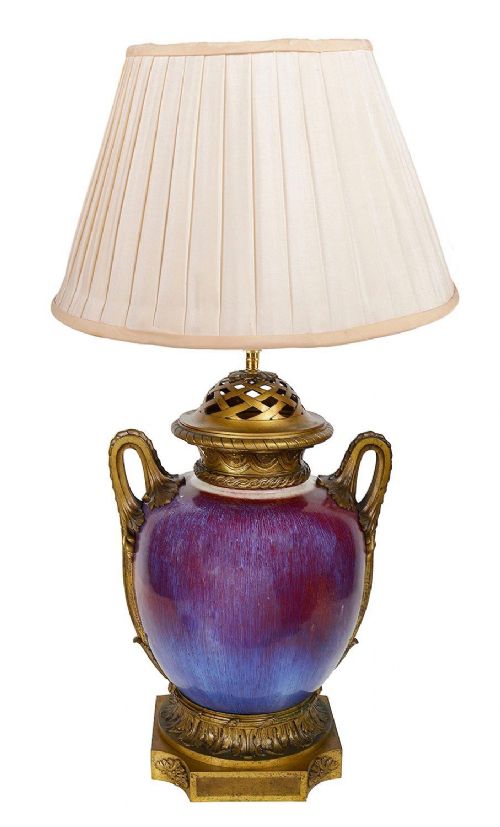
Many examples function as pairs of decorative mantel or table objects, whilst others arrive converted into table lamps. The bodies incorporate blue ceramic, faience, champlevé enamel, and Cantonese or Sevres style porcelain.
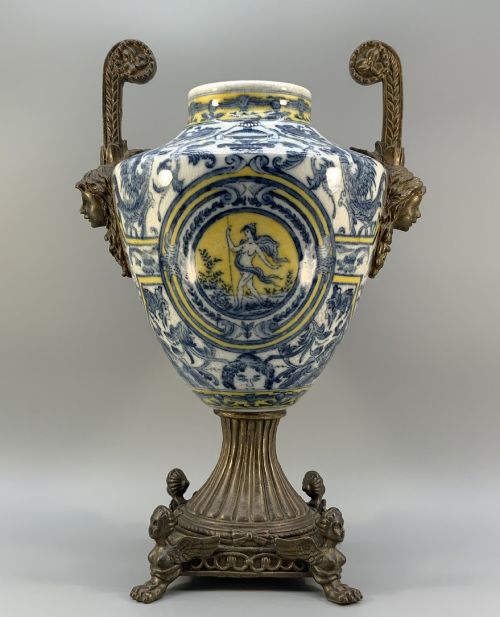
Origins trace largely to French workshops producing Grand Tour souvenirs, classical revival items, and exhibition pieces. The mounts secure the ceramic or stone bodies with cast scrollwork, handles, and feet.
Assessing quality and craftsmanship
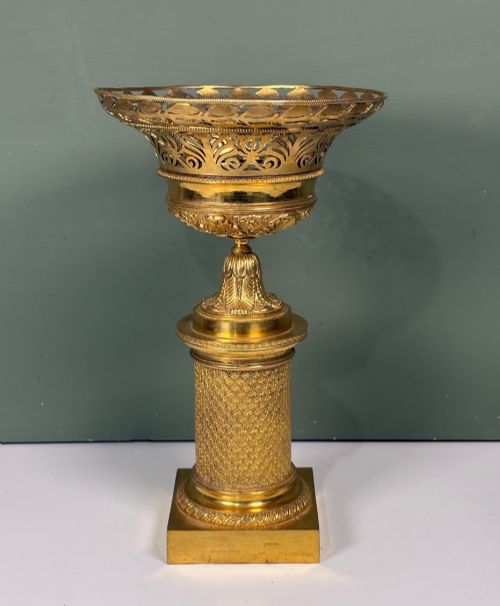
The distinction between standard production and top-tier pieces rests on the crispness of the bronze channelling and the depth of the hand-chased detail in the mounts. Superior ormolu shows sharp relief work rather than soft, flat casting edges.
The integration between the metal mounts and the porcelain or marble body indicates the maker's skill. Fine examples align the mounts precisely with the contours of the ceramic or stone without excessive securing pins or gaps.
Antique Ormolu Vases Retail Price Guide 2026
Typical asking prices for ormolu vases among the pieces listed under this phrase on Sellingantiques today, from the lower quarter to the upper quarter. They describe what is for sale here now, not the wider market.
Listings feature 19th-century French production predominantly, spanning materials like gilt bronze, marble, porcelain, and champlevé enamel.
The Antique Ormolu Vases Glossary
- Ormolu
- Gilt bronze, derived from the French term indicating ground gold. It describes the metallic mounts applied to furniture, clocks, and vases during the eighteenth and nineteenth centuries.
- Cassolette
- A decorative vessel designed to function as a perfume burner or vase, often featuring a reversible lid. These typically incorporate marble or porcelain bodies with classical ormolu mounts.
- Champlevé
- An enamel technique where troughs or cells are hollowed out of a metal surface and filled with vitreous paste before firing. This ornamentation appears frequently on nineteenth-century bronze mounts.
- Grand Tour
- A cultural journey undertaken by wealthy young Europeans to view classical antiquities. It inspired the production of miniature bronze reductions and decorative vases sold to travellers.
- Garniture
- A set of matching decorative objects, usually comprising three or five vases and urns, designed for display on a mantelpiece.
Antique Ormolu Vases: Frequently Asked Questions
What are antique ormolu vases made of?
These decorative objects consist primarily of cast bronze mounts treated with a gold wash, combined with bodies formed from porcelain, marble, onyx, or glass.
Additional materials include champlevé enamel and ceramic elements decorated in styles referencing Sevres, Meissen, or Chinese traditions.
How do I identify French nineteenth-century styles?
Pieces from this era often display specific historical revivals, such as the symmetrical restraint of Louis XVI design or the exuberant curves of Rococo Revival.
Look to the cast bronze mounts for clues, as classical motifs like acanthus leaves, urn shapes, and stiff leaf borders typify the nineteenth-century neoclassical output.
Were these vases used as lamps originally?
Most of these vessels started as decorative mantel urns, garnitures, or cassolettes rather than lighting fixtures during the nineteenth century.
Many examples underwent conversion to table lamps later in their existence, often incorporating fabric shades while retaining their original ceramic and ormolu bodies.
How should I clean ormolu mounts?
Preserving the surface requires dusting gently with a soft, dry cloth to prevent accumulation of debris within the chased details of the bronze.
Avoid abrasive polishes or chemical cleaners entirely, as these substances strip away the historic gold wash and damage the underlying bronze surface.