



Antique Oriental Watercolours
Antique oriental watercolours bring delicate brushwork and rich cultural history into a room, offering a window into traditional Eastern artistry.
Antique Oriental Watercolours
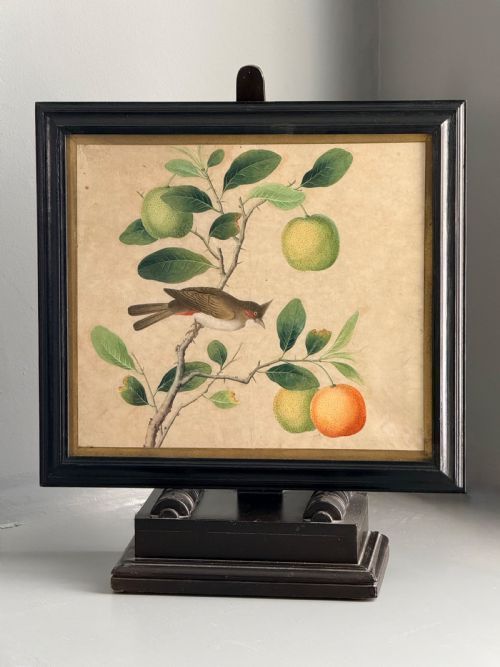
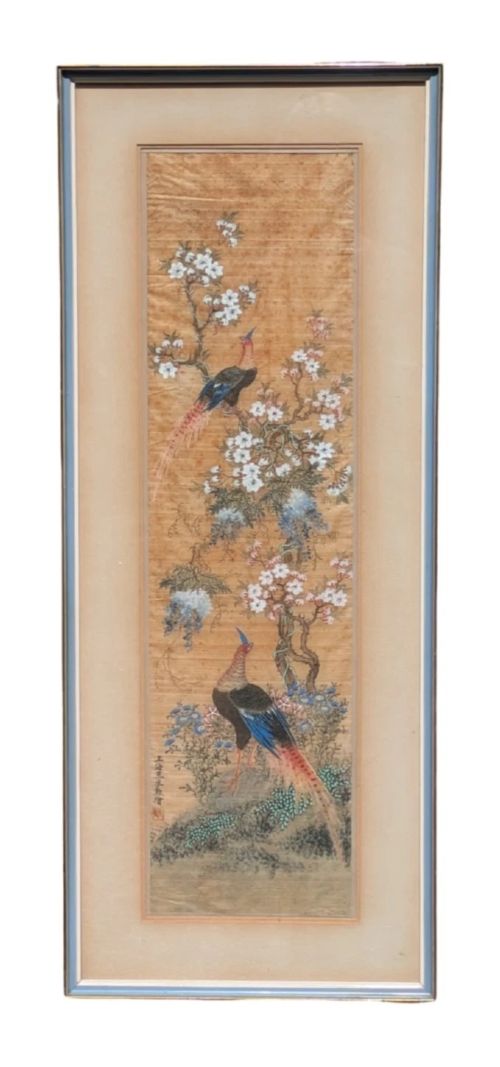
When you search for antique oriental watercolours, you encounter delicate paintings on paper, silk, and pith paper originating from China, Japan, and the Mughal tradition. These works range from intricate botanical studies and figural scenes to expansive landscapes.
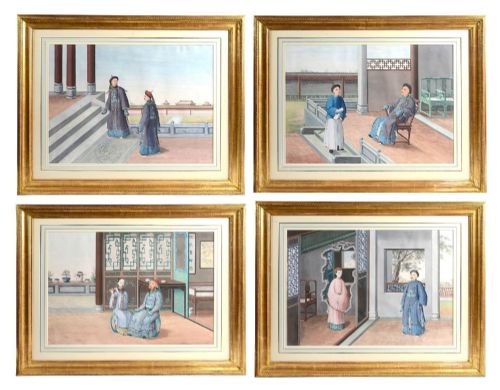
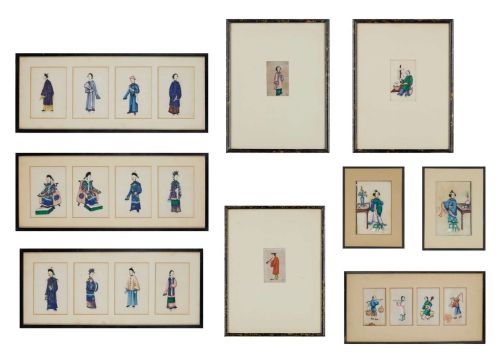
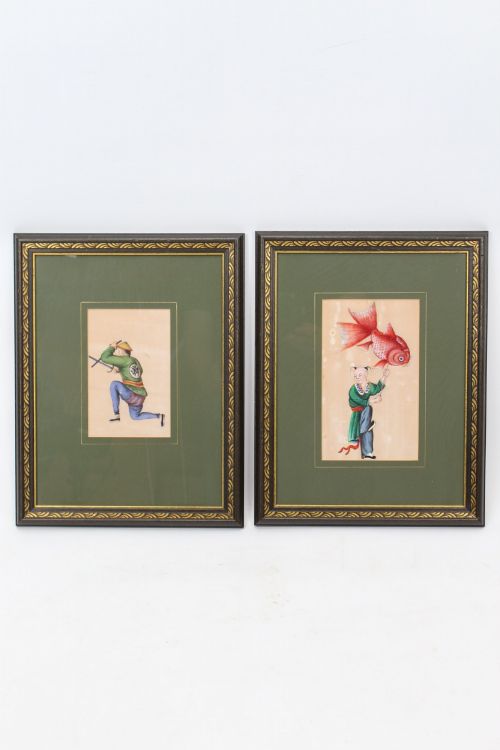
The pieces you are most likely to meet on this page date from the nineteenth century and the early twentieth century. Examples frequently appear in framed formats or as sets of export art produced for Western and domestic markets.
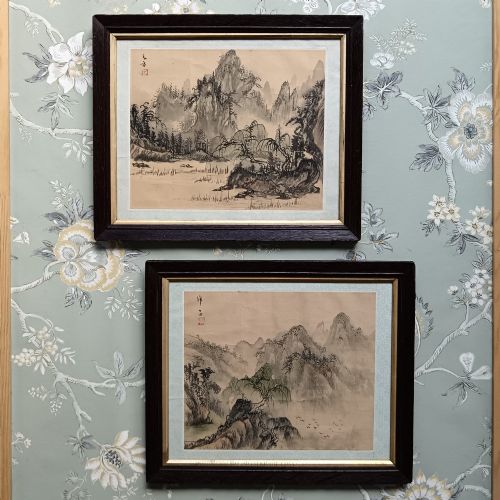
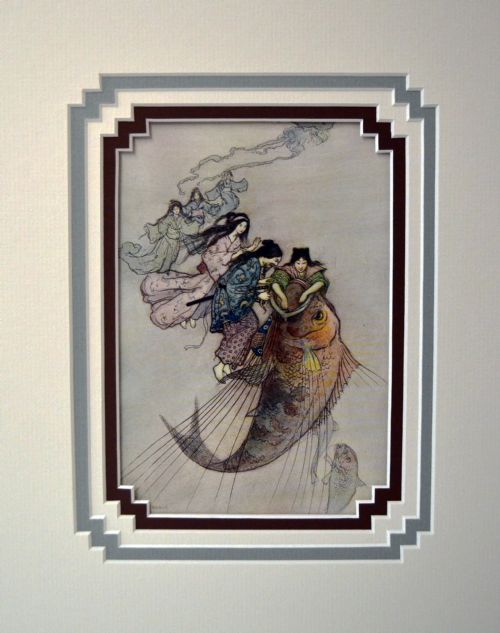
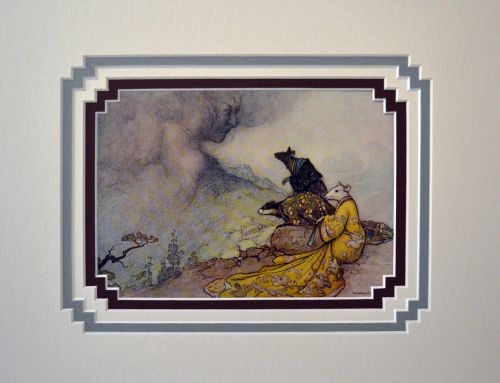
Subjects encompass traditional Chinese shan shui landscapes, Japanese fairy tales, and detailed portraits of figures such as Mughal emperors. These artworks reflect distinct regional aesthetics across various historical periods.
How they were made
Artists painted primarily using watercolour, gouache, and ink applied to delicate supports including silk, paper, and fragile pith paper. Pith paper, often mislabelled as rice paper, provides a unique velvety surface that absorbs pigments with exceptional luminosity.
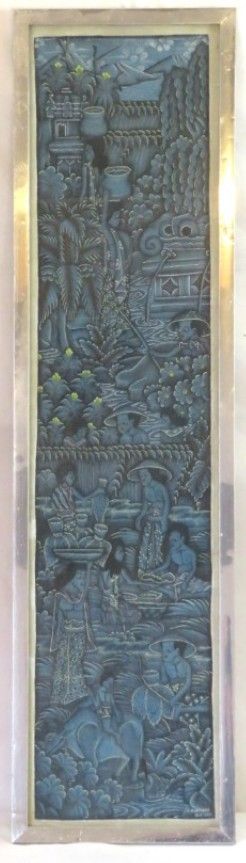
Many works incorporate fine wooden frames and glass protection to preserve the fragile media from environmental damage. Silk paintings often feature specialised mounting techniques to maintain tension and prevent fabric distortion over time.
Antique Oriental Watercolours Retail Price Guide 2026
Typical asking prices for oriental watercolours among the pieces listed under this phrase on Sellingantiques today, from the lower quarter to the upper quarter. They describe what is for sale here now, not the wider market.
The selection spans multiple eras, including eighteenth-century gouache, nineteenth-century Qing dynasty export art, and early twentieth-century Japanese prints.
What varies in quality
The refinement of the brushwork and the precision of the detail separate masterworks from commercial export pieces. Superior examples display confident, expressive lines and harmonious colour palettes that retain their vibrancy.
The condition of the delicate support medium significantly influences the merit of a piece. Works executed on pith paper or silk that remain free from severe staining, cracking, or fading represent the higher tier of survival.
Warwick Goble·Takashi Nakayama
The Antique Oriental Watercolours Glossary
- Pith paper
- A delicate material formed from the spongy interior of the Tetrapanax papyrifer plant, commonly used in nineteenth-century Chinese export paintings. It yields a distinctive velvety texture when painted upon.
- Shan shui
- A traditional style of Chinese painting featuring scenery or natural landscapes using brush and ink rather than conventional western oil paints. These compositions typically portray mountains, rivers, and waterfalls.
- Gouche
- An opaque water-based paint consisting of pigment, water, and a binding agent such as gum arabic, frequently combined with watercolour in these works. It provides heavier coverage and brighter highlights.
- Portrait miniature
- A small, highly detailed painting executed on a portable surface, such as the depiction of Mughal Emperor Akbar II found in nineteenth-century pieces. These require immense skill to achieve microscopic precision.
- Qing dynasty
- The final imperial dynasty of China, spanning from sixteen forty-four to nineteen twelve, which encompasses many of the export paintings and pith works seen here. Pieces from the late nineteenth century frequently bear this attribution.
Antique Oriental Watercolours: Frequently Asked Questions
How should I display these watercolours?
Keep them away from direct sunlight to prevent the pigments and delicate silk or paper supports from fading. UV-protective glass and stable indoor humidity levels help preserve these fragile historic works.
Mount them securely in appropriate frames that allow the paper or silk to breathe without pressing directly against the glazing. Proper framing ensures long-term stability for nineteenth-century export art.
What is pith paper?
Pith paper is a delicate, spongy material cut from the pith of a specific Asian shrub rather than pressed rice stalks. Artists utilised its unique absorbent qualities to create vibrant gouache and watercolour paintings during the nineteenth century.
Because the material is exceptionally fragile, surviving examples require careful handling. The surface possesses a slight cushion that gives the applied pigments a distinct velvety depth.
How do I identify Japanese silk paintings?
Look for fine woven fabric grounds that display traditional subjects such as folktales, flora, or narrative battle scenes. Signatures, seals, and period mounting styles often provide clues to their precise origin.
Meiji period and early twentieth-century examples frequently exhibit meticulous brush control and distinctive compositional framing. The interplay of ink and watercolour on woven silk creates a luminous quality distinct from paper works.
Are these paintings original?
The listings comprise authentic period works, including nineteenth-century export art and early twentieth-century prints. Hand-painted details, natural ageing of the paper or silk, and period framing techniques confirm their historic origin.
Examining the medium under magnification reveals the genuine brushstrokes and pigment absorption characteristic of antique execution. These indicators distinguish genuine period pieces from modern reproductions.