

Antique Oriental Silver
Antique oriental silver spans intricate export wares, ceremonial weapons and decorative objects shaped by Asian workshops across centuries.
Antique Oriental Silver
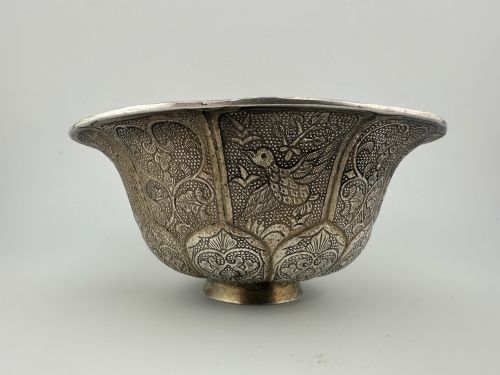
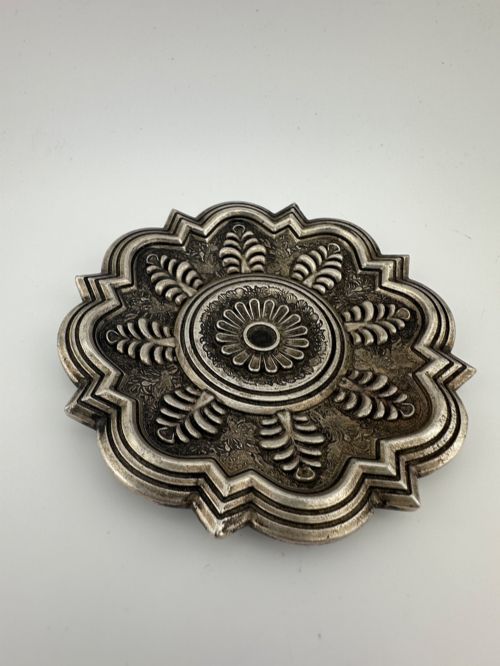
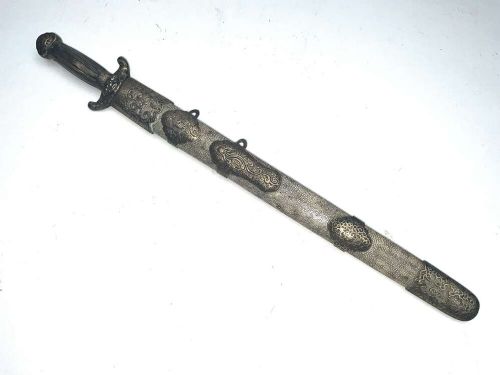
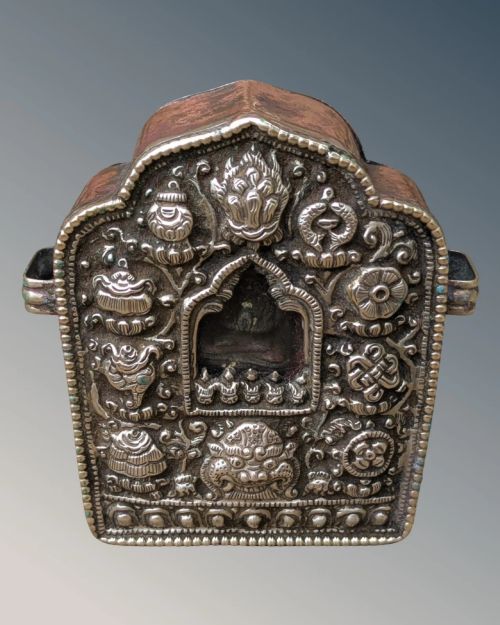
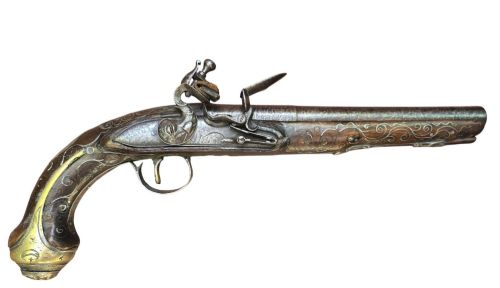
Antique oriental silver encompasses a wide assortment of utilitarian and ornamental items originating from various Asian regions and trading hubs. Buyers encounter everything from Chinese export silver hollowware and Japanese cloisonné vessels to Middle Eastern daggers mounted in white metal and Indian ceremonial boxes.
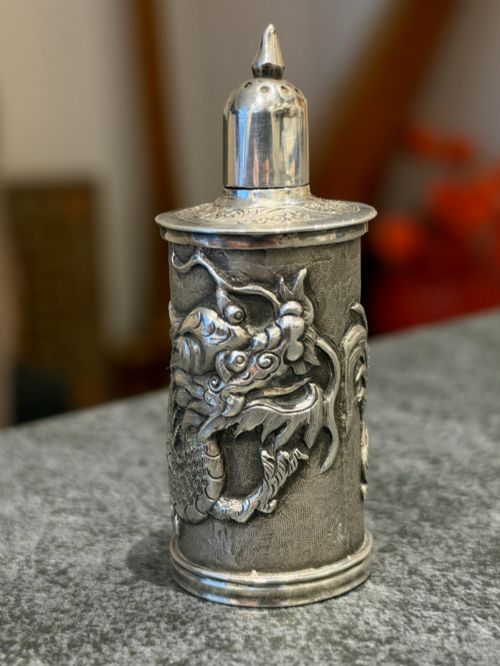
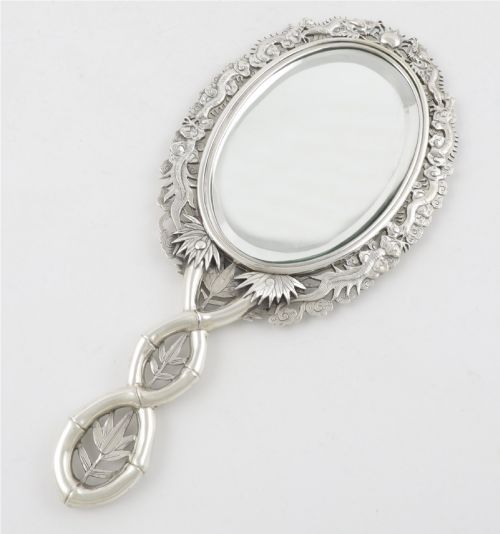
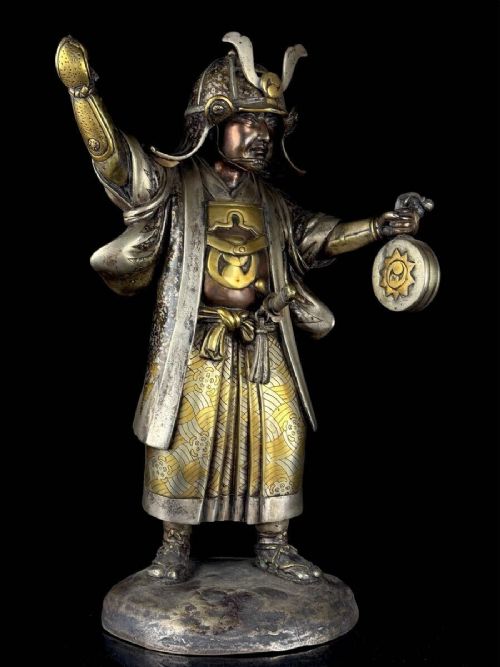
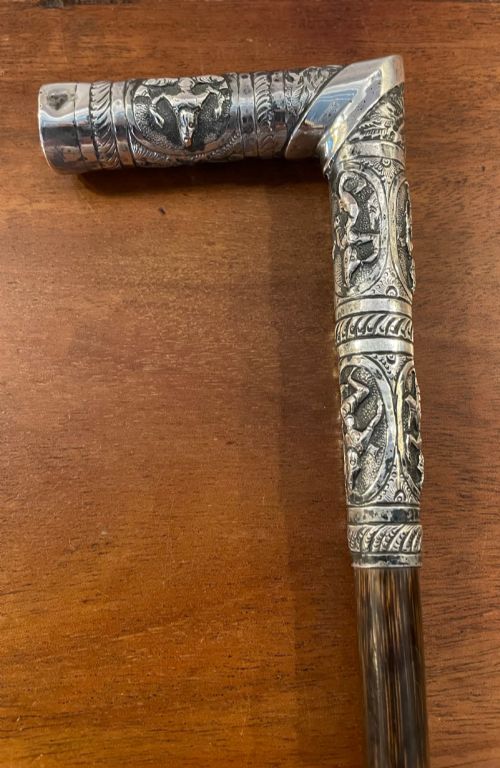
The selection on this page leans heavily toward Chinese export silver and Japanese metalwork created during the nineteenth and early twentieth centuries. Objects range from small compacts, ashtrays and pepper shakers to substantial dragon-decorated cigarette boxes, goblets and walking stick handles.
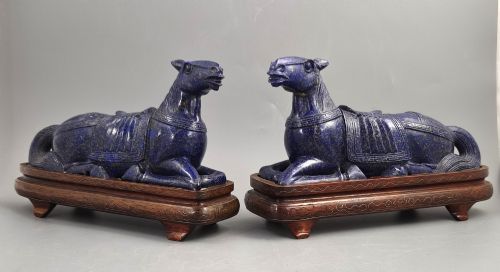
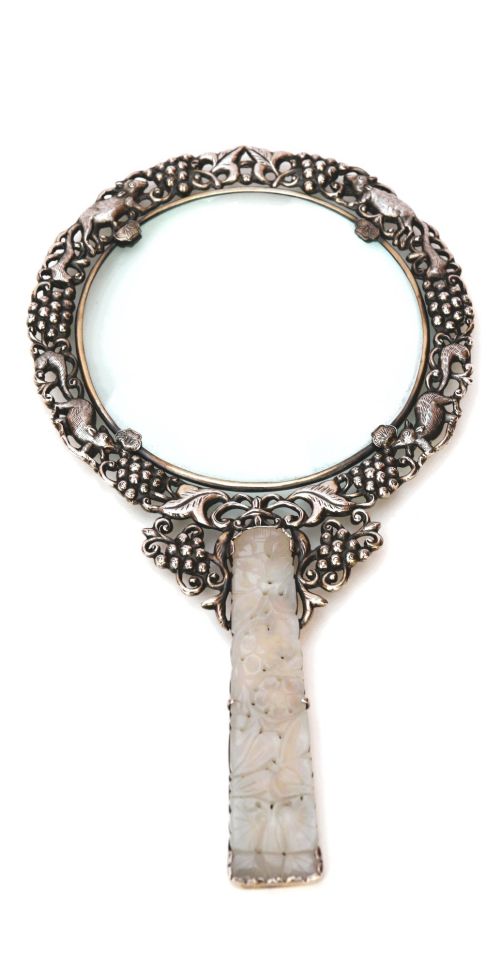
Pieces frequently incorporate mixed media, combining silver and white metal with materials such as enamel, jade, wood, glass and bronze. This diversity reflects both regional domestic tastes and items specifically tailored for Western export markets during the late Qing and Meiji periods.
How they were made
Silversmiths and metalworkers utilised traditional techniques including repousse, chasing, engraving and wire cloisonne to ornament their surfaces. Artisans shaped sheet metal and cast alloys, frequently soldering intricate dragon motifs, floral panels and bamboo-patterned handles onto bodies of silver, white metal or bronze.
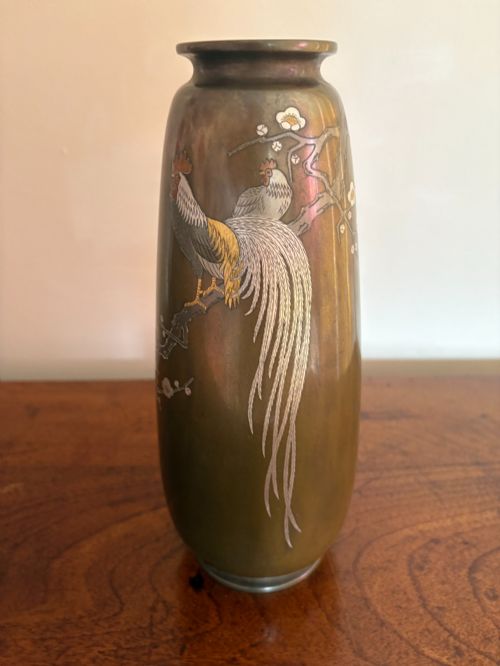
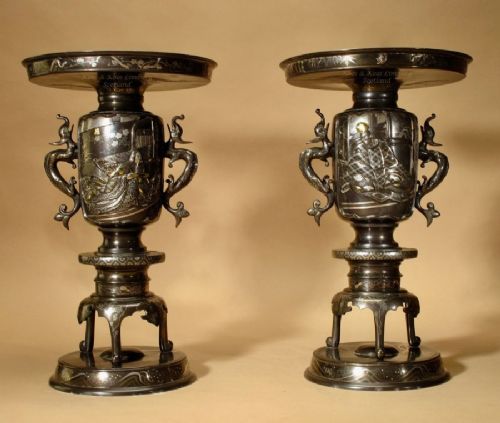
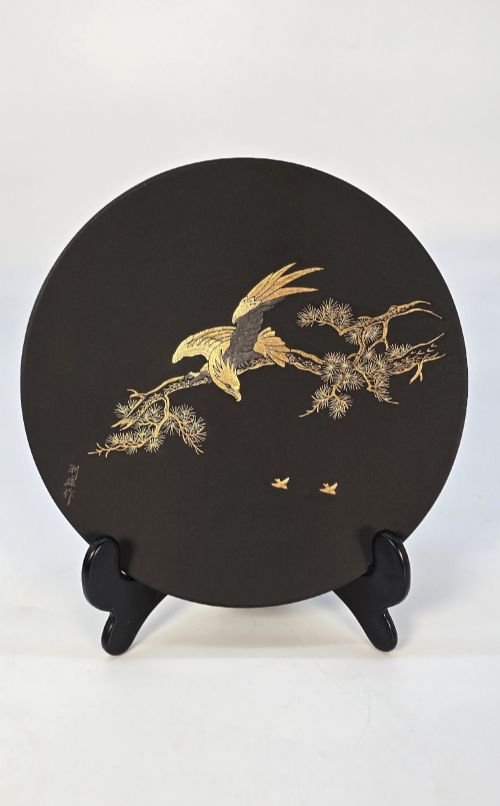
Specialised decorative methods define many of the finest items, such as translucent basse-taille enamel over guilloche grounds and inlaid gold and silver on patinated iron or bronze. Structural elements often integrated organic materials, pairing silver mounts with cherry wood, malacca cane, velvet or carved jade.
Antique Oriental Silver Retail Price Guide 2026
Typical asking prices for oriental silver among the pieces listed under this phrase on Sellingantiques today, from the lower quarter to the upper quarter. They describe what is for sale here now, not the wider market.
Listed object forms include walking sticks, pocket daggers, tobacco boxes, mirrors, censers, ewers and tabletop cigarette cases.
What varies in quality
The standard of craftsmanship shows considerable divergence between mass-produced export pieces and bespoke workshop output. Superior examples display crisp relief in repousse work, tightly packed wire enamel cells without pooling, and secure, balanced structural joints on items like boxes and walking sticks.
Maker signatures and retail marks provide a clear guide to origin and standing, separating anonymous workshop pieces from documented creations associated with notable makers and prominent export houses. The integration of precious secondary materials, such as carved jade rims or high-grade enamels, further elevates the distinction of individual pieces.
Wang Hing & Co·Ando Jubei·Luen Hing·Zee Wo·Kanasawa
The Antique Oriental Silver Glossary
- Chinese Export Silver
- Silverware produced in China primarily for Western buyers during the nineteenth and early twentieth centuries. These objects typically bear artisan or retail stamps alongside traditional motifs.
- Repousse
- A metalworking technique where the artisan hammers the metal from the reverse side to form a raised design in relief. Details are subsequently refined from the front using chasing tools.
- Cloisonne
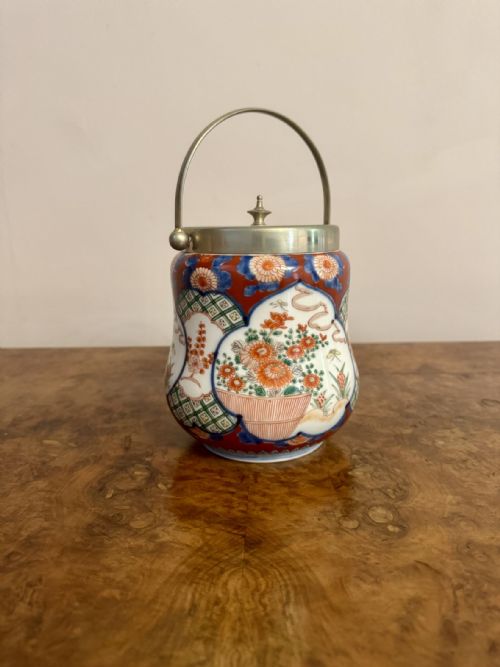
- An enamelling method where fine metal wires are soldered to a metal base to create compartments which are then filled with coloured enamel paste and fired.
- Basse-Taille
- A translucent enamelling technique where the metal ground is engraved or hammered in low relief so that light passes through the coloured enamel to show the pattern beneath.
- White Metal
- An alloy of various non-precious metals often used in Asian export items where standard sterling purity was not applied. It frequently resembles silver in appearance.
- Kindjal
- A traditional double-edged dagger originating from the Caucasus region, commonly featuring fitted metal scabbards and decorative mounts.
Antique Oriental Silver: Frequently Asked Questions
How do I identify Chinese export silver?
Look for artisan stamps, character marks or pseudo-hallmarks stamped near the base or rim of the piece. These stamps frequently combine traditional Chinese characters with Western-style maker initials.
Export pieces also tend to feature distinct hybrid design elements, merging traditional Asian dragons and floral scenes with European vessel forms like goblets and cigarette boxes.
What is Japanese Meiji period metalwork?
The Meiji period covers the reign of Emperor Meiji, spanning from eighteen sixty-eight to nineteen twelve. Metalwork from this era is celebrated for technical mastery in bronze casting, iron patination and intricate silver wire cloisonne.
Artisans during this time produced highly detailed sculptures, vases and plaques that gained immense popularity in international exhibition markets.
Are these items made of solid silver?
Not all items are solid silver, as listings include pieces made from white metal, silver-plated brass, copper alloys and patinated iron with precious metal inlays. Items specifically marked as Chinese export silver generally adhere to local standard silver purities.
Examining the weight, overall construction and any existing hallmarks helps clarify the primary metal composition of each specific object.
How should I clean antique silver and metal?
Dust items gently with a soft, dry cloth to remove surface particles without abrasive friction. Avoid harsh chemical dips, particularly on pieces with enamel, patinated iron or wooden components.
Preserving the natural age patina is generally preferred by collectors, so intensive polishing should be avoided unless strictly necessary to prevent obscuring fine engraved or repousse details.