
Antique Oriental Figurine
An antique oriental figurine brings centuries of craftsmanship into a room, capturing mythological figures, animals and daily life in bronze, porcelain and carved hardwood.
Antique Oriental Figurine
When you search for an antique oriental figurine, you meet small sculptures and statues originating from China, Japan and India. These works portray deities, scholars, dancers, animals and folkloric characters.
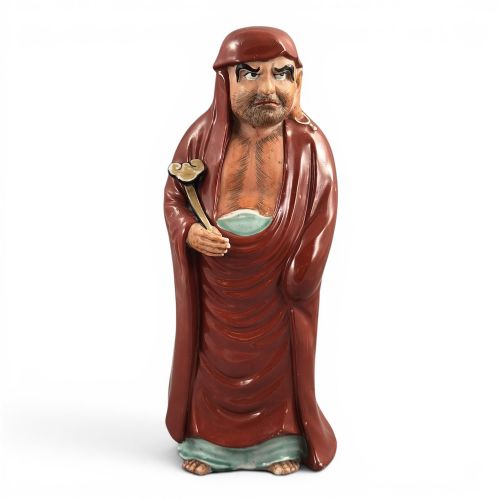
The pieces on this page span several centuries, with particular strength in late nineteenth-century productions, Meiji period Japanese bronzes and Chinese export works. Forms range from utilitarian pottery and porcelain deities to intricate mixed-metal okimono and boxwood carvings.
Makers and regional styles vary widely, encompassing everything from imperial Satsuma porcelain to village soapstone carvings and Indian bronze deities. Each object reflects the specific aesthetic and cultural traditions of its origin.
Materials and methods
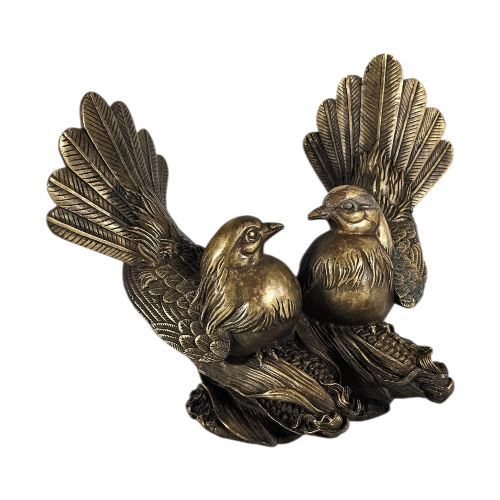
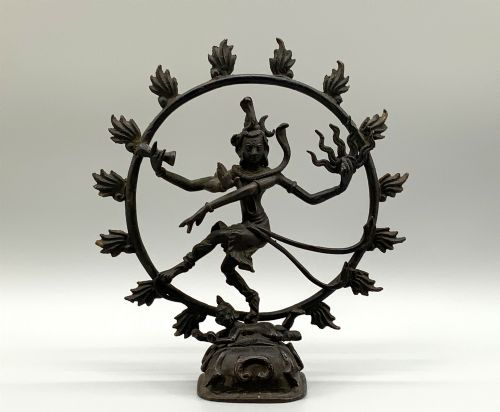
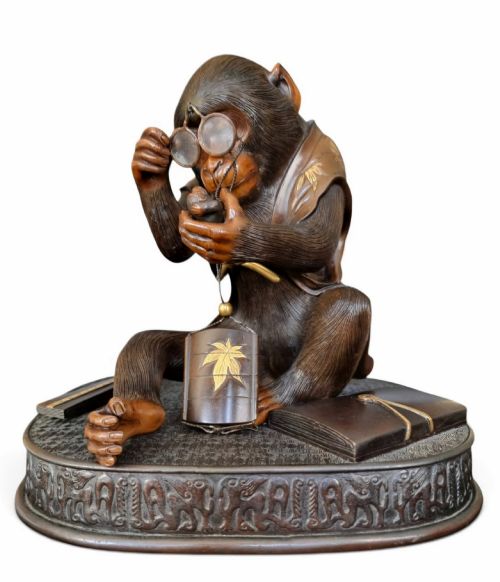
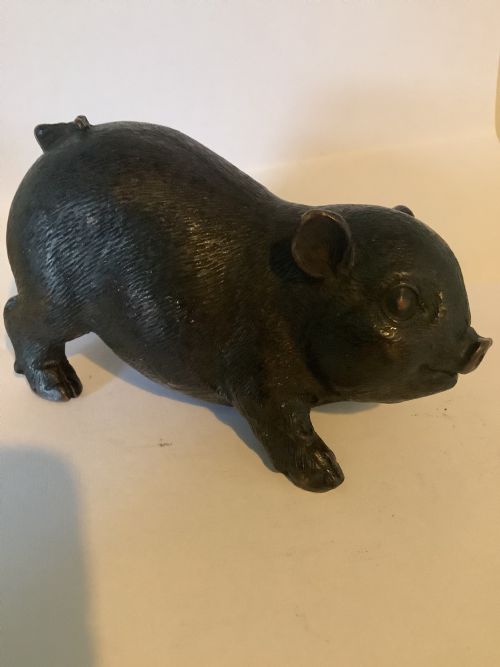
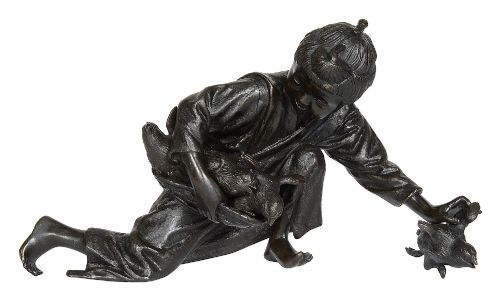
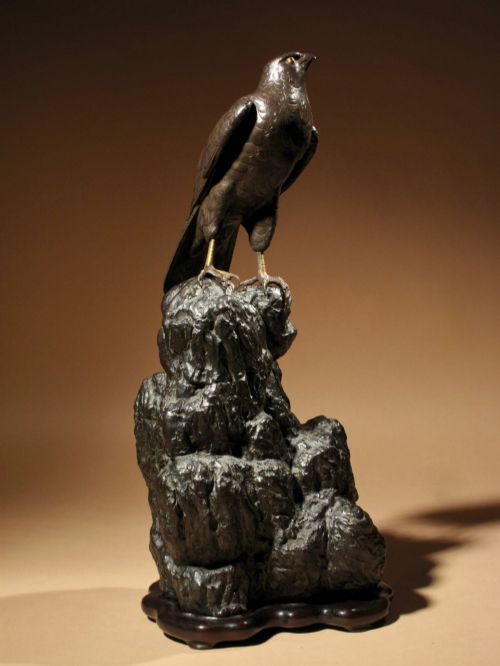
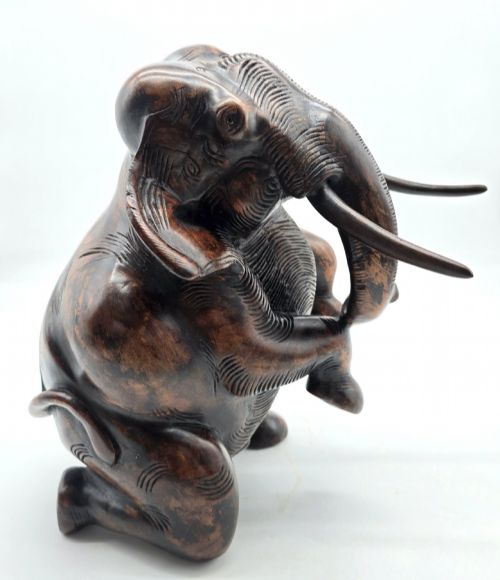
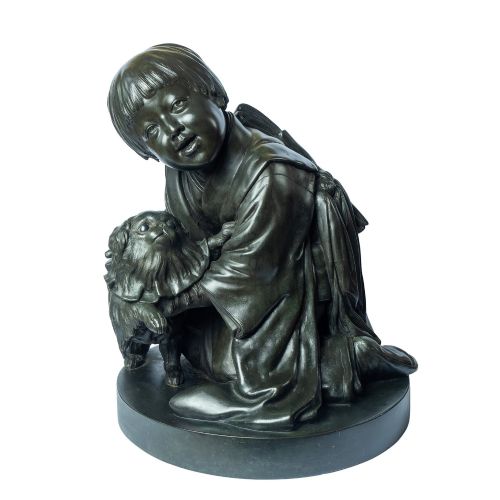
Foundry casting dominates the metal pieces, utilising bronze with patinations, gilding or mixed-metal inlays to achieve tonal depth and fine surface detail. Artisans employed lost-wax casting and direct working methods to shape animals, figures and narrative scenes.
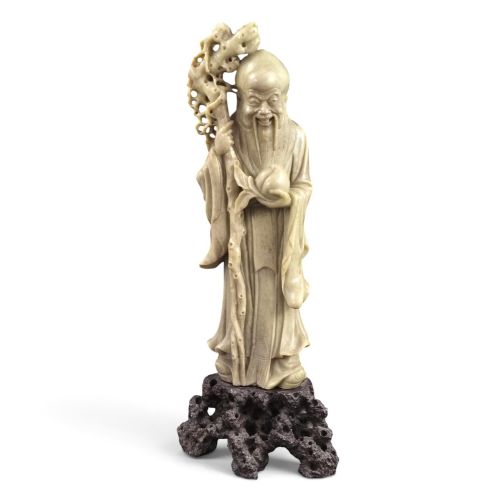
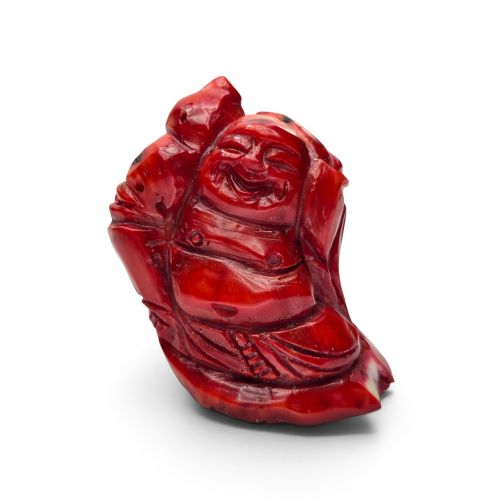
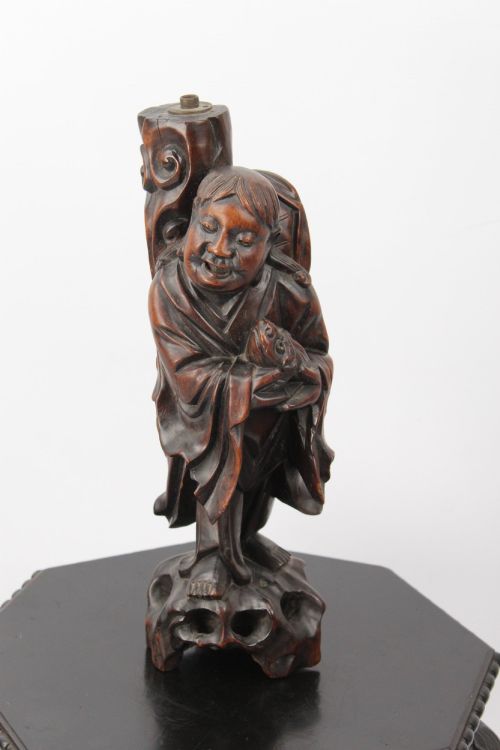
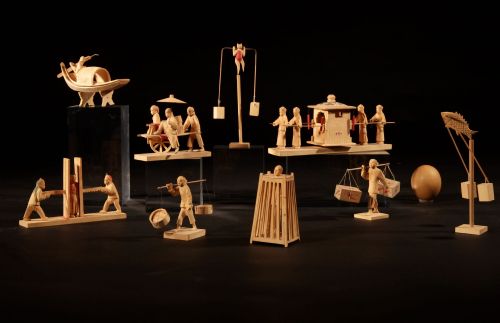
Carvers worked across diverse organic and mineral substrates, utilising hardwood, boxwood, soapstone, agate, red coral and stone. These sculptures rely on patient hand-cutting to exploit the natural grain and colour variations of the raw material.
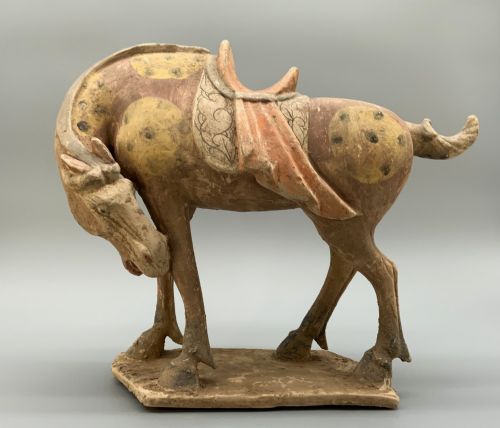
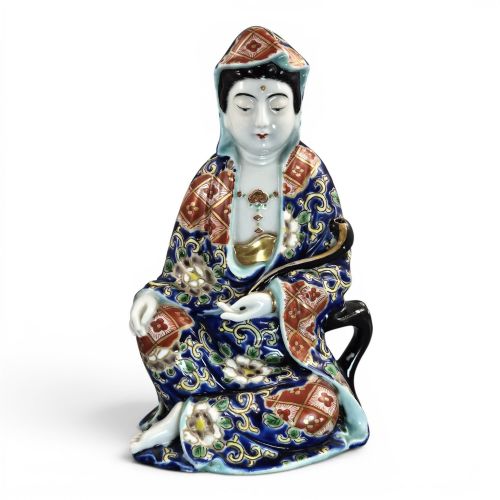
Ceramic and porcelain works incorporate hand-enamelling, underglaze painting and polychrome decoration, often associated with specific kilns such as Kutani or Arita. Artisans applied pigments and glazes before high-temperature firing to secure permanent colour.
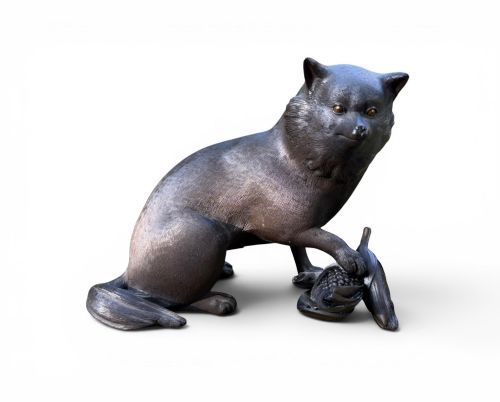
A bronze tanuki stands ready with a mischievous expression, reminding viewers that Japanese folklore holds badger-dogs to be masters of disguise.
Markers of quality
Material selection dictates the upper tier of the market, where flawless hardstone, dense hardwoods and rich bronze patinas demonstrate superior craftsmanship. The precision of applied gold leaf, enamel work and mixed-metal inlay further distinguishes workshop output.
The integrity of the surface finish and preservation of original patination preserve the maker's intent. Pieces that retain their crisp carving lines and complete polychrome or metallic details without aggressive later restoration command greater attention.
Masaaki·Kunio Itô·Zhu Mao Ji·Makuzu Kozan II·Haruyama Shunzan
The Antique Oriental Figurine Glossary
- Okimono
- A Japanese freestanding ornamental carving or sculpture designed for display in a household alcove or on a shelf. These objects often depict animals, legendary figures or scenes from daily life.
- Meiji Period
- The era in Japanese history spanning from 1868 to 1912, characterised by rapid modernisation alongside the creation of exceptional decorative arts for export. Works from this time frequently demonstrate advanced metalworking and carving techniques.
- Famille Rose
- A prominent palette of Chinese porcelain enamels introduced in the Qing dynasty, distinguished by opaque pink or rose colours mixed with other soft tones. This technique allowed for shaded depictions of robes, flowers and skin.
- Soapstone
- A relatively soft, talc-based metamorphic rock utilised extensively in Chinese carving for figures, seals and landscape groups. Its soapy texture permits intricate undercut details.
- Kutani
- A style of Japanese porcelain traditionally produced in Ishikawa Prefecture, known for bold designs and rich overglaze enamels. Common motifs include figures, birds and floral patterns executed in greens, reds and gold.
Antique Oriental Figurine: Frequently Asked Questions
How do I care for bronze figures?
Bronze sculptures require minimal intervention beyond occasional dusting with a soft, dry cloth to prevent grime accumulation. Avoid using chemical cleaners or abrasive polishes that can strip the original historical patina.
Keep the pieces away from excessive moisture and direct sunlight to maintain the stability of the metal surface.
How are Chinese export pieces identified?
Chinese export figures are typically recognised by materials, decorative styles and manufacturing techniques tailored for Western markets during the late Qing and Republic periods. Common indicators include famille rose enamelling, specific export marks and subjects designed to appeal to foreign buyers.
These items bridge traditional domestic iconography with the stylistic preferences of international collectors.
What is a netsuke compared to an okimono?
A netsuke is a small toggle used to fasten a pouch or basket to a traditional Japanese kimono sash, featuring perforated channels for a cord. An okimono is strictly a larger display sculpture meant for a shelf or tabletop.
While both share similar subject matter and carving techniques, their historical functions in daily Japanese dress and interior decoration differ completely.