


Traditional Japanese Sculpture
Traditional Japanese sculpture gathers carved wood figures, intricate netsuke, and bronze okimono from the nineteenth century for collectors seeking tactile craft.
Traditional Japanese Sculpture
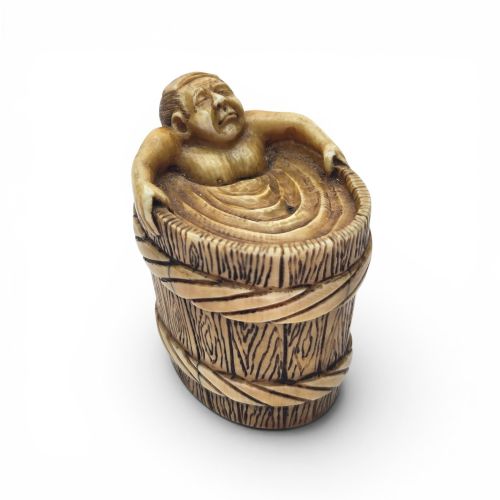
Traditional japanese sculpture encompasses hand-carved boxwood figures, stag antler netsuke, and bronze statues produced across the nineteenth century. These objects bridge utilitarian items, such as pipe case holders and fastening toggles, with standalone decorative sculptures and wall plaques.
Buyers browsing this selection encounter subjects ranging from mythological figures like Fukurokuju to geisha figures, animals, and folk art carvings. The forms reflect the distinct aesthetic priorities of the Edo and Meiji periods through meticulous hand-carving.
Most examples originate from the nineteenth century, utilising organic materials shaped by traditional artisans. Each piece demonstrates specific regional techniques, whether applied to a small toad netsuke or a larger bronze musician statue.
How they were made
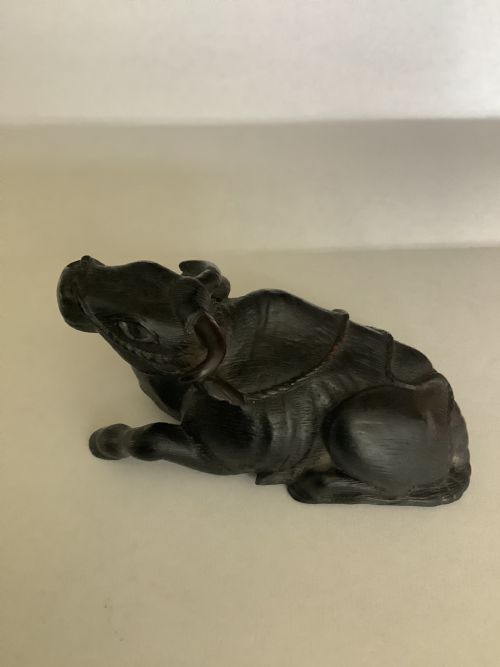
Artisans shaped these pieces primarily from carved wood, boxwood, and stag antler using specialised hand tools. Boxwood allowed for minute, intricate detailing on netsuke and okimono, while softer woods served for larger animal and human sculptures.
Metalwork pieces involved bronze casting, sometimes enhanced with gold leaf and enamel details as seen on Satsuma figures. Sculptures like the geisha in the nata-tsukuri style utilised deliberate chisel marks to retain a raw, textured surface finish.
Organic materials required careful seasoning and carving to prevent splitting over time. Carvers exploited the natural grain of boxwood and the dense structure of stag antler to give durability and depth to miniature forms.
Several carvings depict deities and animals sharing quiet moments, reminding us that nineteenth-century carvers possessed a keen sense of humour.
What varies in quality
Quality rests upon the precision of the carving and the depth of expression in the subject matter. Finer pieces demonstrate mastery over anatomical proportions, subtle facial expressions, and naturalistic textures in hair or fabric.
The choice of material dictates the potential fidelity of the carving, with dense boxwood and well-preserved stag antler allowing for sharper, more enduring detail than coarser woods. Signed works and items attributed to known studios command attention through superior execution.
Preservation of the original surface patina directly influences the integrity of a piece. Wear patterns should feel natural to the handling of toggles and figures rather than obscure the original chisel or casting work.
Miyao bronze
The Traditional Japanese Sculpture Glossary
- Netsuke
- A small carved toggle used to secure a pouch or container to a traditional kimono sash. These pieces feature a hole or channel for cord threading.
- Okimono
- A standalone Japanese decorative display figurine meant for placement in a traditional room setting. They lack practical utility and focus entirely on sculptural presence.
- Boxwood
- A dense, pale wood prized by carvers for its fine grain and ability to hold microscopic detail without splintering. It is frequently utilised in netsuke production.
- Sashi netsuke
- A long, slender form of toggle thrust directly behind the obi sash rather than secured with a cord and bead. They often served as pipe case holders.
- Meiji period
- The era of Japanese history spanning from eighteen sixty-eight to nineteen twelve, characterised by opening trade and refined metal and wood craftsmanship.
Traditional Japanese Sculpture: Frequently Asked Questions
What is a netsuke used for?
A netsuke functioned as a practical toggle for hanging small containers, such as medicine boxes or tobacco pouches, from a kimono sash. The carver drilled small holes through the object to thread the cord.
Over time, these functional items evolved into highly collectible miniature sculptures prized for their intricate detail and tactile qualities.
How do I care for wooden sculptures?
Wooden and boxwood sculptures require stable indoor humidity levels to prevent the natural material from drying out and splitting. Keep them away from direct sunlight and heat sources.
Dust the surface gently with a soft, dry brush. Avoid using liquid cleaners or oils, which can damage the historic patina.
What distinguishes Edo from Meiji pieces?
Edo period items often reflect traditional domestic aesthetics, focusing on utility objects like toggle carvings and folk art. The craftsmanship prioritizes organic materials and personal use.
Meiji period pieces frequently display greater emphasis on international exhibition standards, incorporating advanced bronze casting and elaborate decorative finishes.
Are these sculptures signed?
Certain carved wood and boxwood pieces feature artist signatures or studio marks inscribed into the base or back. Signatures indicate the maker's pride in the execution of the work.
Unsigned pieces remain common, particularly in folk art and utilitarian categories, where the quality of the carving stands on its own.