


Antique Oriental Enamelware
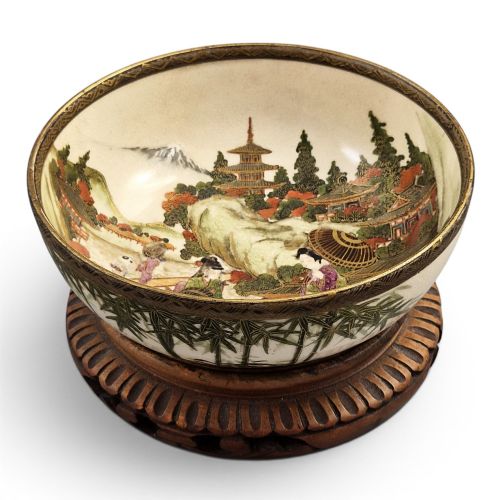
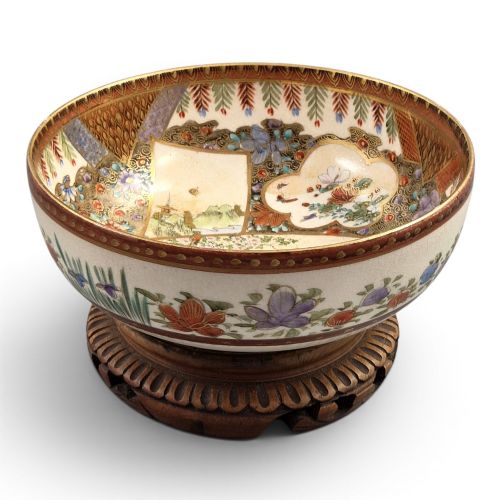
Antique oriental enamelware brings together intricate metal vessels and vibrant glass pastes from Chinese and Japanese workshops.
Antique Oriental Enamelware
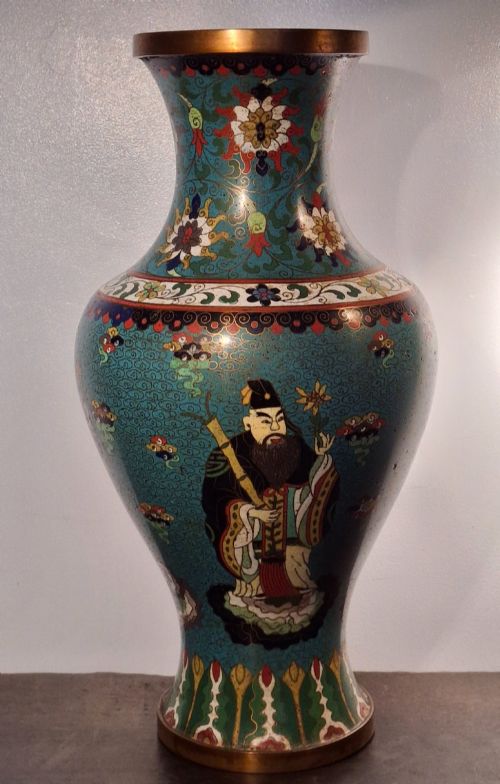
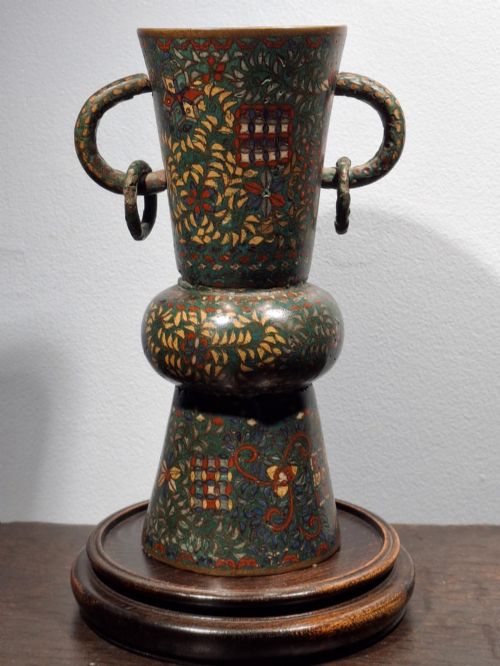
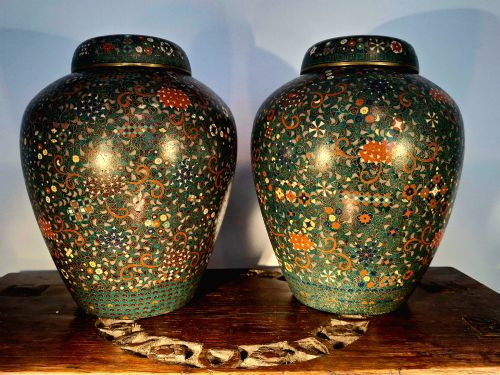
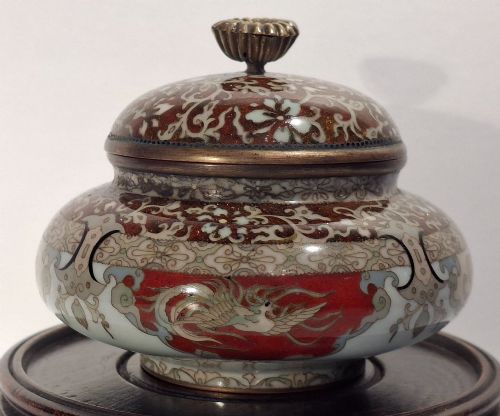
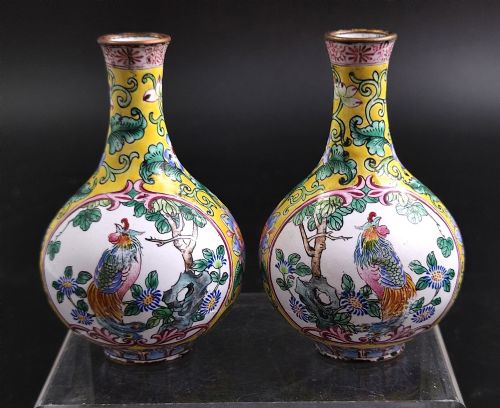
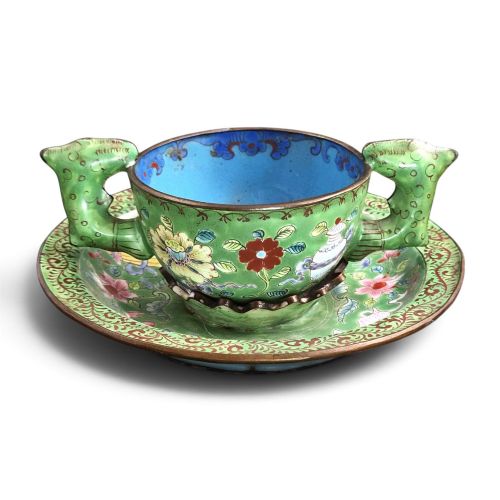
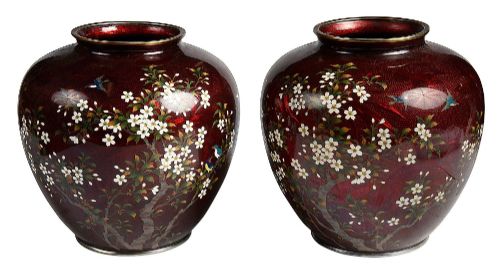
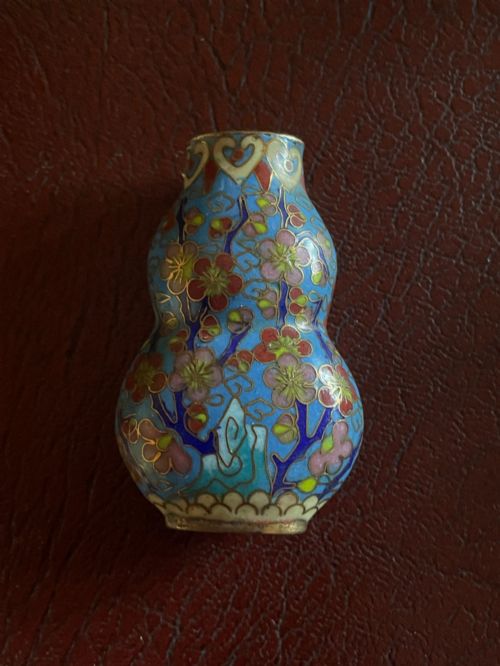
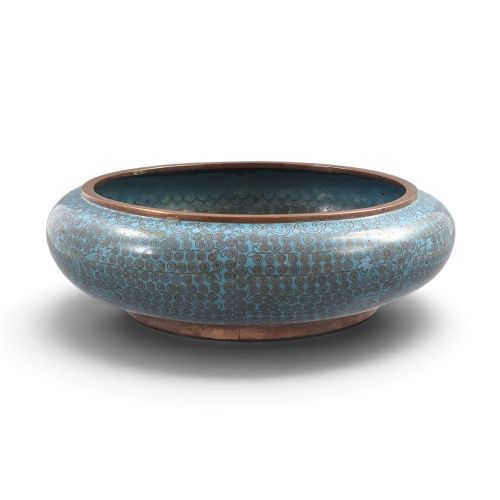
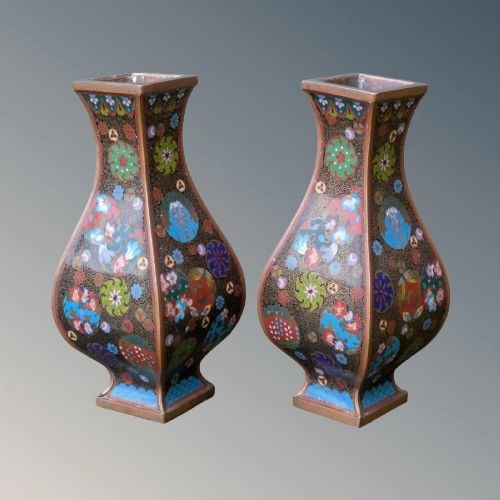
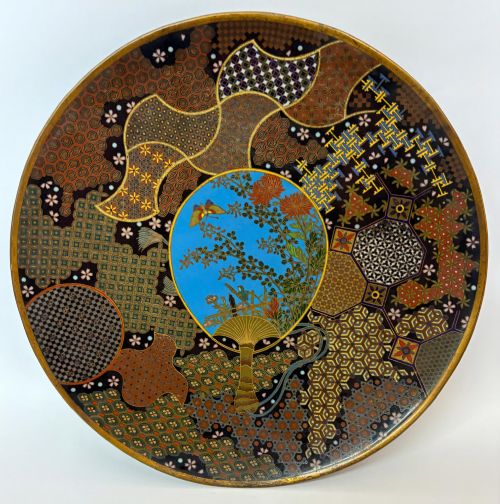
These pieces encompass a range of decorative objects, including vases, chargers, lidded jars, incense burners, and scholar's brush washers originating from Asian export and domestic markets. Antique oriental enamelware spans several centuries, with particular strength in pieces from the Qing Dynasty and the Japanese Meiji period. Buyers will frequently encounter lidded ginger jars, bird-decorated bowls, and large dragon chargers produced during the late nineteenth century.
Forms vary from miniature ritual vessels and wine cups to substantial octagonal trays and lamps. Japanese items often reflect the distinct aesthetic movements of the Meiji and late Edo periods, showcasing naturalistic motifs such as chrysanthemums, butterflies, and ho-o birds. Chinese pieces similarly demonstrate traditional artistry, ranging from Beijing enamel snuff boxes to Canton enamel vases and cloisonne elephants.
Materials and construction techniques
Artisans built these vessels primarily upon metal foundations of copper, brass, or bronze, occasionally incorporating earthenware or wood components. Metal wires were soldered onto the body to form raised compartments, known as cloisons, which delineated the intricate patterns.
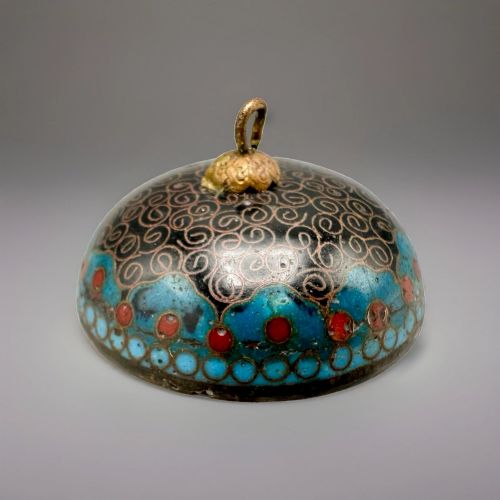
Coloured enamel paste filled these individual cells before the pieces underwent high-temperature firing and extensive polishing. Artisans frequently applied gold leaf or gilt metal accents to enhance the finished surface and highlight decorative borders.
Several dragon chargers and lidded jars feature tiny hidden frogs sitting quietly among chrysanthemum petals.
Assessing craftsmanship and execution
Quality rests upon the precision of the wirework and the evenness of the coloured enamel filling within each cell. Finer examples display exceptionally delicate cloisons that maintain strict symmetry and flawless fusion during the firing process.
The sophistication of the painted or inlaid iconography also dictates the standing of a piece, with masterworks exhibiting detailed rendering of subjects like samurai, dragons, and landscapes. Superior items frequently bear signatures from renowned makers or workshops, indicating elevated technical execution.
Tsukamoto Hikokichi·Kozan
The Antique Oriental Enamelware Glossary
- Cloisonne enamel
- A decorative technique where metal wire is soldered to a metal base to create cells filled with enamel paste. These compartments trap the coloured glass material before firing.
- Champleve enamel
- A method where troughs or cavities are carved directly into a thick metal base to hold the coloured enamel. The metal surface remains visible between the filled channels.
- Koro
- A traditional Japanese incense burner typically supported on three legs with a pierced lid. These vessels were utilised for burning aromatic woods and resins.
- Meiji Period
- A significant era in Japanese history spanning from eighteen sixty-eight to nineteen twelve. This period produced highly detailed metalwork and decorative arts for international export.
- Qing Dynasty
- The final imperial dynasty of China, lasting from sixteen forty-four to nineteen eleven. Objects from this era often feature rich colour palettes and symbolic Buddhist or imperial motifs.
Antique Oriental Enamelware: Frequently Asked Questions
How do I date antique cloisonne?
Dating relies on examining the weight of the metal base, the brightness of the enamel colours, and the complexity of the wirework patterns. Earlier pieces often display thicker copper foundations and softer, more muted tonal palettes.
Later Victorian and Edwardian examples tend to feature brighter chemical dyes and lighter brass or bronze substrates. Stylistic clues in the motifs, such as Meiji period naturalism, help narrow the production decade.
What is a koro used for?
A koro functioned as a traditional incense burner in Japanese households and temples. The pierced cover allowed fragrant smoke to drift into the room during rituals or quiet contemplation.
Today, collectors appreciate these vessels as sculptural desktop or shelf objects. Their intricate lidded designs make them distinct focal points within an interior display.
How should I clean antique enamelware?
Maintenance requires only a soft, dry cloth to gently remove accumulated dust from the metal wire and enamel surfaces. Avoid harsh chemical cleaners or abrasive polishes that might scratch the vitreous glass paste.
Moisture should be kept away from the exposed metal seams to prevent oxidisation. Professional conservation is recommended if deeper cleaning becomes necessary.
Are Chinese and Japanese pieces different?
Chinese enamelware frequently employs heavier copper bases with deep blue or turquoise ground colours and auspicious symbols. Japanese pieces, particularly from the Meiji period, often utilise finer wirework to depict asymmetrical natural scenes with photographic precision.
Both traditions mastered the cloisonne technique but developed distinct aesthetic rules. Examining the subject matter and wire density usually reveals the regional origin.