



Antique Oriental Centrepiece Bowl
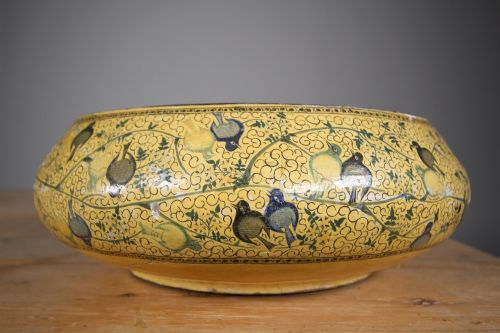
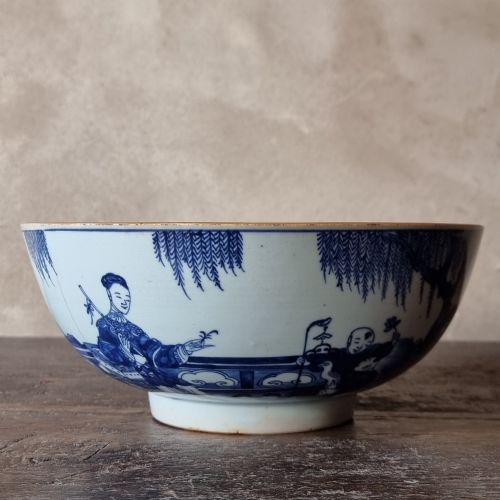
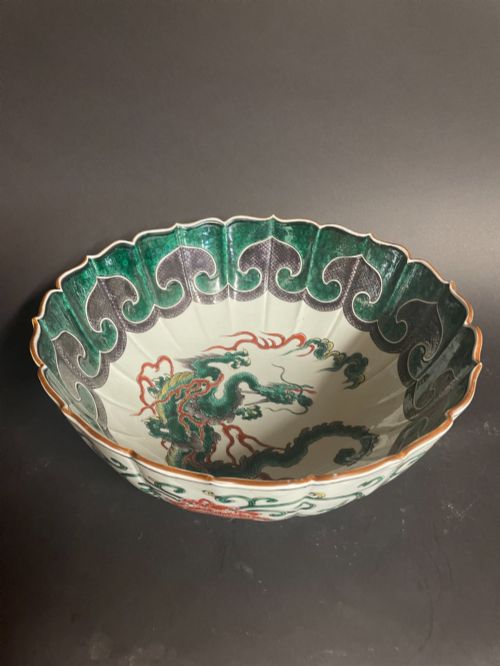
An antique oriental centrepiece bowl brings grand proportion and intricate hand-painted detail to a table, combining centuries of decorative tradition.
Antique Oriental Centrepiece Bowl
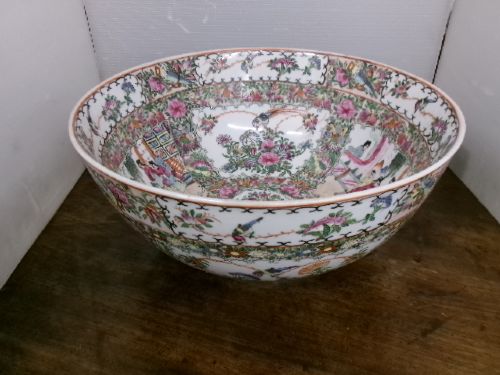
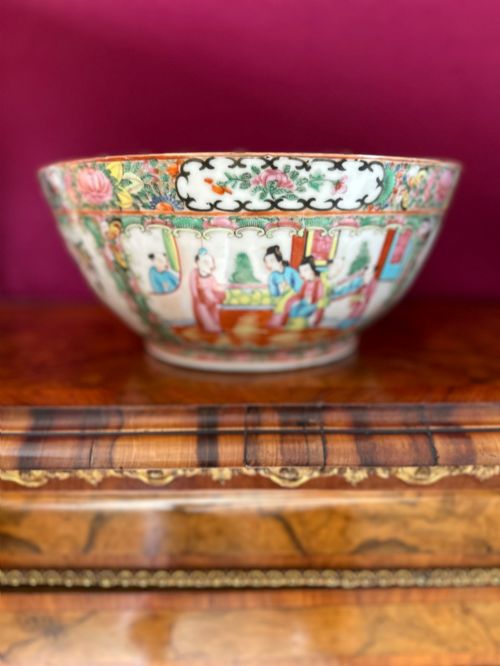
Forms range from large punch bowls and decorative vessels to baskets and footed bowls originating in the nineteenth and eighteenth centuries. These pieces function visually as anchors within a room, offering bold colour palettes and narrative scenes.
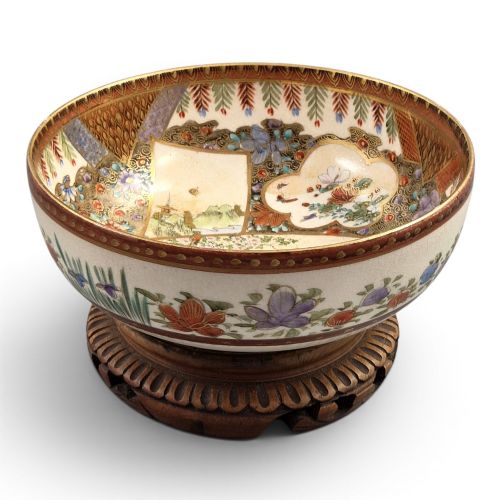
Japanese Satsuma and cloisonné enamel bowls also appear frequently, representing distinct regional aesthetics from the Meiji and Edo periods. Buyers frequently choose these items to anchor a dining table or sideboard with historic character.
How they were made
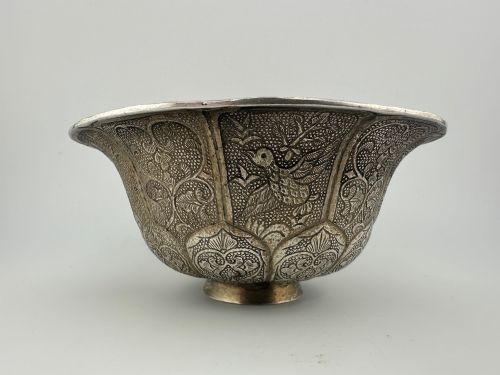
Potters and metalsmiths shaped these objects using porcelain, earthenware, bronze, and white metal, applying gold leaf, enamel, and copper accents. Porcelain bodies were thrown and hand-painted with cobalt blue or polychrome palettes before being fired at high temperatures.
Cloisonné pieces utilised fine metal wires soldered to a metal base to create cellular compartments, which artisans then filled with enamel pastes and fired repeatedly. Bronze bowls involved intricate casting techniques, sometimes incorporating applied panels or inlaid wire.
A bronze bowl can weigh up to two and a half kilos, making it a formidable paperweight if you happen to live in a gale.
What varies in quality
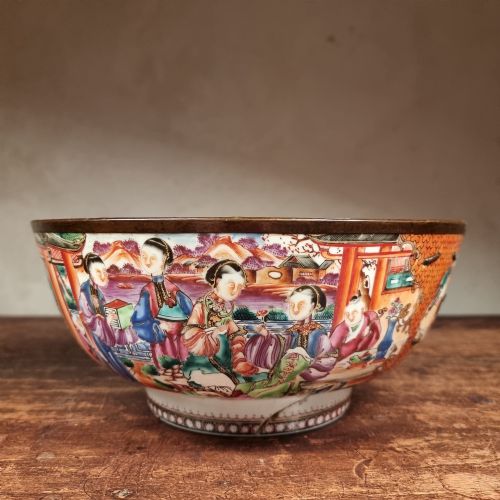
The distinction between average and exceptional pieces rests upon the precision of the hand-painting, the complexity of the palette, and the crispness of the metallic or enamel work. Master artisans demonstrated superior control in brushwork, creating layered botanical, avian, and figural compositions that remain sharp and vibrant.
Weight and structural balance also separate standard production wares from substantial exhibition pieces, particularly in heavy bronze and large porcelain punch bowls. Signature marks from recognised artists or workshops elevate the standing of individual examples.
Kozan·Ryuzan
The Antique Oriental Centrepiece Bowl Glossary
- Famille Rose
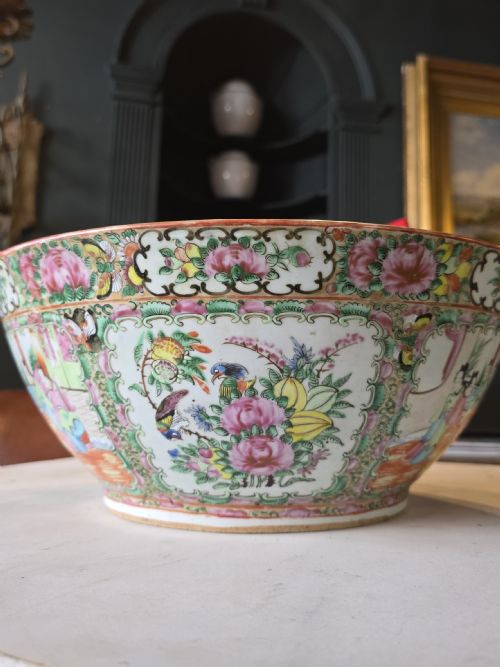
- A major palette of Chinese ceramic glazes introduced in the eighteenth century, distinguished by an opaque pink or rose enamel derived from colloidal gold. This palette allowed for nuanced shading in floral and figural motifs.
- Imari
- A type of Japanese porcelain decorated in underglaze blue and overglaze red, gold, and green, originating from the town of Arita. These wares gained immense popularity in Europe for their rich decorative schemes.
- Cloisonné
- An enamelling technique where decorative designs are formed on a metal object by placing flat metal wires on the surface to create compartments. These areas are filled with coloured enamel paste and fired.
- Satsuma
- Japanese earthenware pottery characterised by a ivory-coloured, crackle-glazed surface decorated with finely detailed polychrome enamels and gilt. It developed a major export market during the late nineteenth century.
- Punch Bowl
- A large, deep vessel traditionally used for mixing and serving communal drinks at social gatherings. In ceramic form, these bowls often feature expansive interior and exterior pictorial friezes.
Antique Oriental Centrepiece Bowl: Frequently Asked Questions
What were antique oriental centrepiece bowls used for?
These large vessels served practical roles on dining tables and sideboards, particularly punch bowls used for communal drinks and large bowls holding fruit or flowers. Wealthy households displayed them as symbols of taste and global connection.
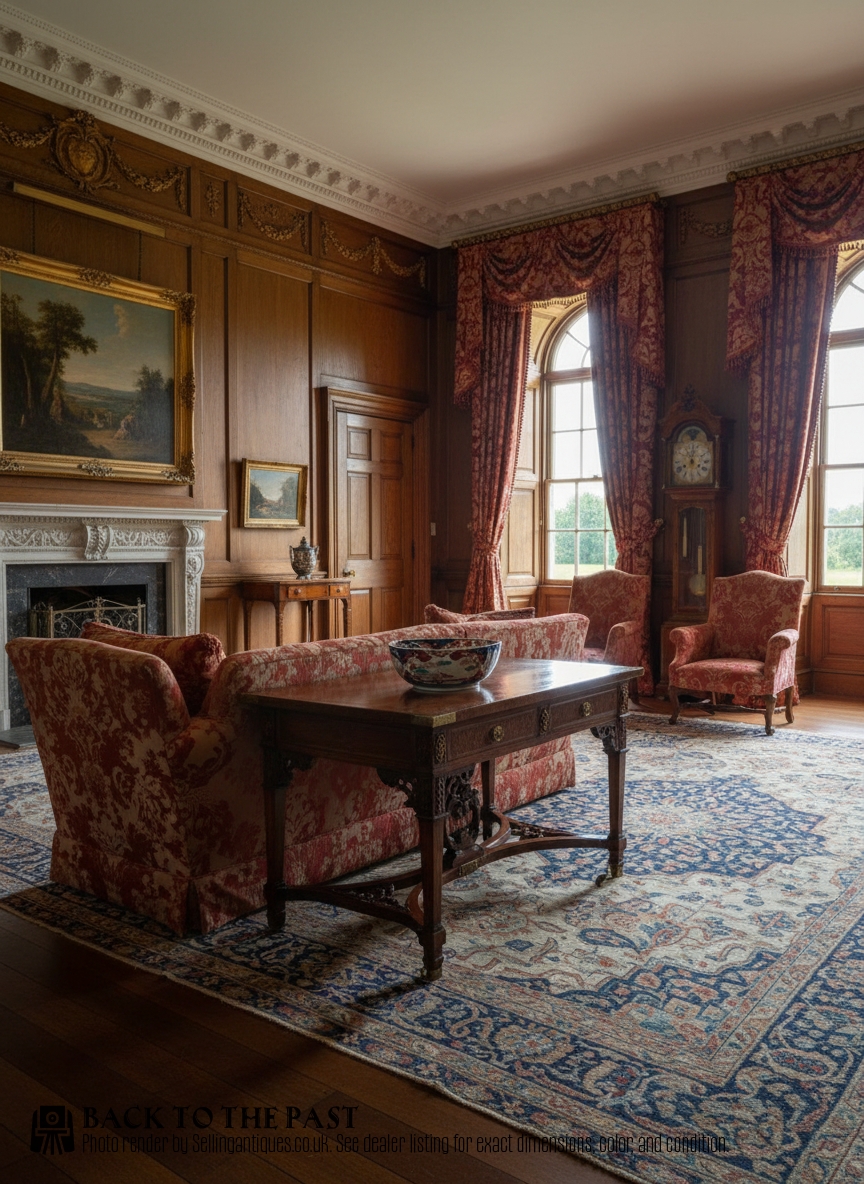
Over time, their primary function shifted toward pure decorative display, occupying prominent positions in drawing rooms and reception spaces where their intricate hand-painted scenes could be appreciated.
How do I identify a Meiji period bowl?
Meiji period pieces date from the late nineteenth to the early twentieth century, a time when Japanese craftsmanship expanded for international export. Look for characteristic Satsuma earthenware with fine crackle glazes or intricate cloisonné enamel designs.
Many pieces from this era exhibit exceptional technical precision in their gilt and polychrome decoration, often accompanied by artist signatures on the base.
How do I care for an antique porcelain bowl?
Keep delicate porcelain and enamel bowls away from direct sunlight to prevent fading of the overglaze enamels and gold leaf. Dust them gently with a soft, dry cloth rather than using commercial cleaning liquids.
Avoid submerging pieces with metallic mounts, bronze elements, or delicate cloisonné wires in water, as moisture can damage the structural adhesives and exposed metal surfaces.
What is the difference between Chinese Canton and Japanese Imari?
Chinese Canton bowls typically feature expansive hand-painted scenes in the Famille Rose palette, often incorporating figures in courtyard settings surrounded by floral and bird borders. Their porcelain bodies tend to be heavy and thickly potted.
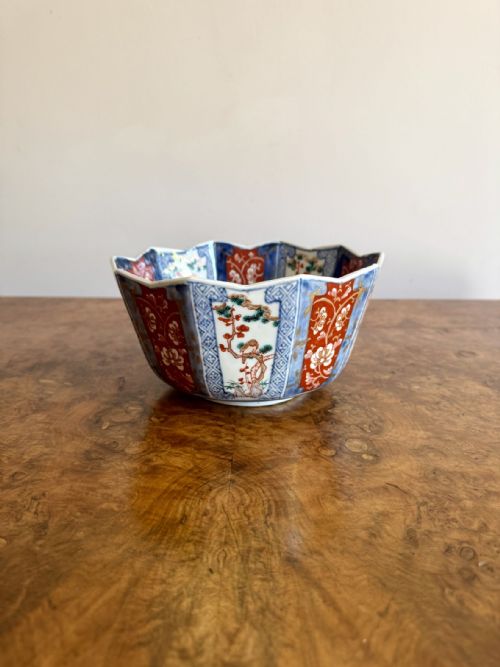
Japanese Imari wares rely on a distinct palette dominated by cobalt blue, iron red, and gilt, featuring geometric and botanical panels rather than narrative figural scenes. They originate from the Arita region and display a crisp, dense aesthetic.