





Antique Oriental Caddy
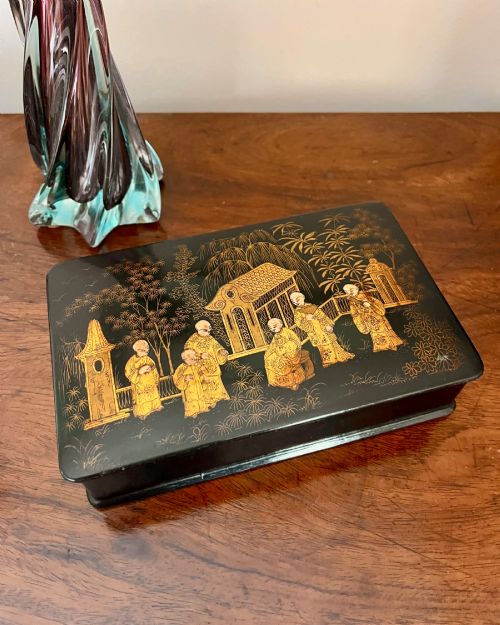
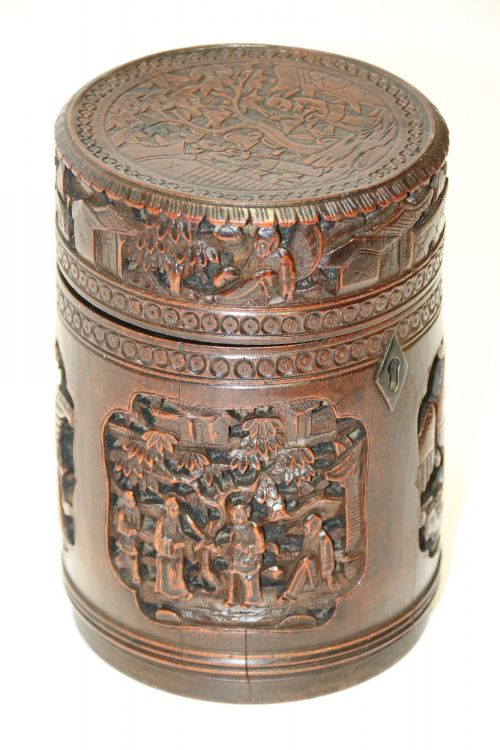
An antique oriental caddy brings rich decorative lacquer, carved bamboo and handpainted porcelain together to hold dry leaf.
Antique Oriental Caddy
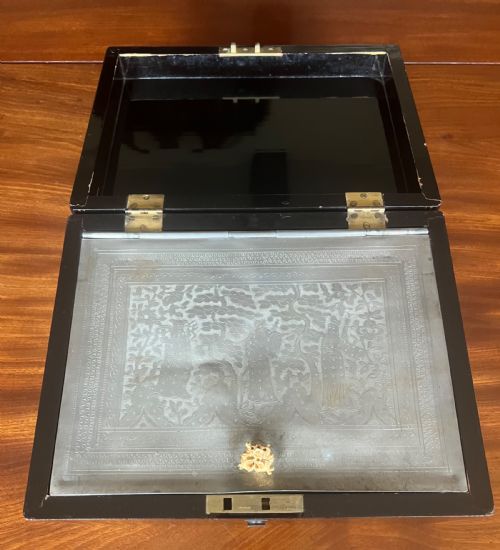
When you search for an antique oriental caddy, you encounter vessels built to store and preserve valuable tea leaves. The pieces on this page span the nineteenth century, the Edwardian era, the Victorian period and the early twentieth century, taking forms such as tea caddies, tea canisters, ginger jars and decorative boxes.
You meet items styled in Chinoiserie, Chinese Export, Qing Dynasty, Regency, Asian Antique, East Asian, Japanese Meiji and Anglo-Indian designs. Materials range from lacquer, wood, gold leaf and brass to porcelain, metal, enamel and pewter.
The primary forms found here are tea caddies and tea canisters alongside decorative boxes and ginger jars. These items reflect both native eastern craftsmanship and Western interpretations through nineteenth century and Regency styling.
How they were made
Artisans constructed these vessels using hardwoods, bamboo and ceramic bodies finished with lacquer, gold leaf and enamel. Carving, handpainting and glazing techniques define the surface decoration across wooden and porcelain examples.
Makers applied layers of red lacquer and gold leaf to wood structures, or shaped bamboo into detailed caddies. Ceramic pieces like Satsuma and Kutani jars utilised intricate handpainted motifs and crackle glazes.
What varies in quality
The refinement of the carving and the precision of the lacquerwork separate ordinary containers from exceptional ones. Depth of relief in bamboo and wood indicates the skill of the carver.
On porcelain and pottery, the clarity of the handpainting and the integrity of the glaze dictate the standing of the piece. Preservation of original gold leaf and metal fittings also influences overall character.
Tokyo Taizan·Herend
The Antique Oriental Caddy Glossary
- Chinoiserie
- European artistic style reflecting Chinese motifs and techniques. This aesthetic heavily influenced Regency and nineteenth-century British decorative arts.
- Satsuma
- Japanese pottery style characterised by a crackle-glaze earthenware body decorated with polychrome enamels and gilding. Pieces often depict figurative scenes.
- Kutani
- Japanese porcelain known for bold colour palettes and detailed pictorial designs. These wares were widely produced for export during the nineteenth century.
- Qing Dynasty
- The final imperial dynasty of China, spanning from the seventeenth to the early twentieth century. Objects from this period feature distinct porcelain glazes and imperial motifs.
Antique Oriental Caddy: Frequently Asked Questions
What were antique oriental caddies used for?
These vessels served primarily to store high-value loose tea leaves safely away from light and moisture in the home. Wealthy households kept them locked to protect expensive imports.
Over time, many functioned equally as decorative boxes on mantelpieces or tables, holding small trinkets once their original tea-keeping days ended.
How do I care for a lacquered caddy?
Keep wooden and lacquered caddies away from direct sunlight and extreme humidity to prevent the finish from cracking. Dust them gently with a dry, soft cloth.
Avoid using liquid cleaners, polishes or modern solvents on antique lacquer surfaces, as these can strip the original gold leaf and delicate finishes.
How do I distinguish Regency Chinoiserie from later styles?
Regency Chinoiserie pieces typically date from the early nineteenth century and display specific British interpretations of Asian motifs on lacquered wood bases. They often feature distinct japanned decoration.
Later Victorian and Edwardian examples incorporate different mounting techniques and material combinations, reflecting changing tastes in imported decorative arts.
Are porcelain caddies durable for daily use?
Ceramic ginger jars and porcelain tea canisters from the nineteenth century are sturdy but remain susceptible to chipping if mishandled. Their handpainted glazes require careful handling.
Display them securely on stable surfaces rather than using them for active daily kitchen storage to preserve their decorative handpainted details.