


Antique Olive Pot
These antique olive pot examples bring practical Mediterranean utility indoors, offering tactile earthenware forms shaped by generations of rural use.
Antique Olive Pot
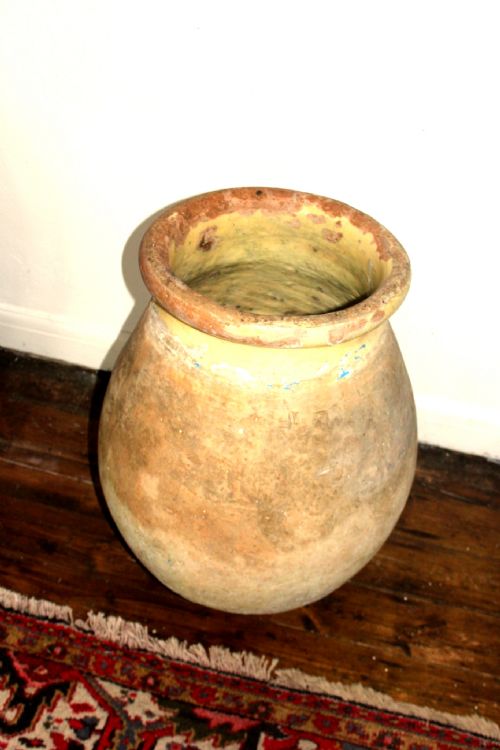
An antique olive pot is a utilitarian vessel originally shaped for storing and transporting oil, water, or olives across the Mediterranean landscape. These forms range from substantial French Biot jars and Portuguese jars to Turkish water pots and amphora vessels.
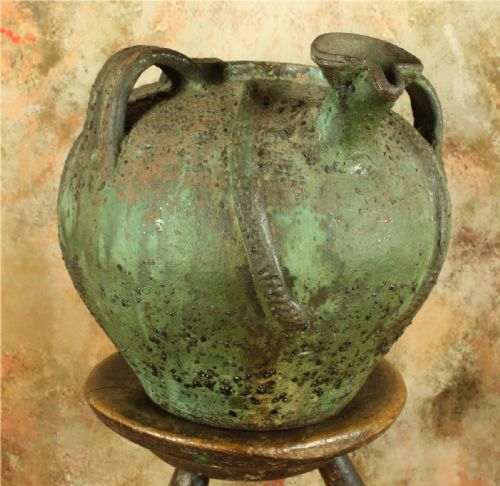
You are most likely to meet nineteenth-century terracotta and earthenware pots on this page, often showing aged patinas or painted surfaces. Forms span garden planters, three-handled jugs, and large storage vessels suited to rustic European interiors.
The historical spread includes eighteenth-century walnut oil jugs alongside later nineteenth and early twentieth-century earthenware vessels. Makers and workshops shaped these pieces for enduring daily service rather than decorative display.
How they were made
Potters shaped these vessels primarily from terracotta, clay, and earthenware, utilising traditional throwing and hand-forming methods suited to heavy utility ware. Surfaces frequently received a partial or full ceramic glaze, particularly on pieces originating from French and Mediterranean workshops.
Structural additions include wrought iron mounts or stands on select decorative examples, adding stability to heavy bodies. Firing took place in traditional kilns, leaving natural variations in the clay and glaze that record the hand of the maker.
Listings feature terracotta, earthenware, and clay bodies spanning the eighteenth to the early twentieth century.
What varies in quality
Quality in an antique olive pot rests in the balance of form, surface wear, and structural integrity. Vessels retaining original glazed surfaces or early painted finishes present greater visual depth than plain terracotta exposed to centuries of weather.
The proportion of the handles, the thickness of the earthenware walls, and the honesty of the aged patina separate standard utility vessels from pieces possessing exceptional sculptural presence.
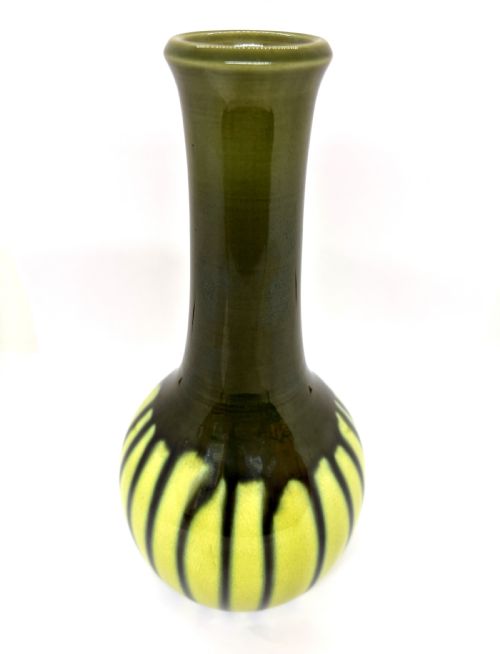
Burmantoft's Pottery
The Antique Olive Pot Glossary
- Terracotta
- Fired, unglazed or partially glazed clay of a brownish-red colour, commonly used for Mediterranean storage jars and garden planters. It provides a porous, durable body well suited to heavy agricultural use.
- Amphora
- A two-handled jar with a narrow neck used in antiquity and later traditions for storing oil or wine. These vessels often feature tapered bases designed to stand upright in sand or special frames.
- Biot Jar
- A heavy terracotta storage vessel originating from the French village of Biot, celebrated for distinctive proportions and weathered surfaces. They frequently display historical maker stamps or textural glaze drips.
- Earthenware
- Pottery fired at relatively low temperatures which remains porous unless glazed. It forms the primary material body for nineteenth-century rustic Mediterranean vessels.
- Confit Jar
- A rounded earthenware pot traditionally employed in rural France for preserving meats, featuring characteristic handles and often a glazed upper section. Collectors prize them for their soft, organic silhouettes.
Antique Olive Pot: Frequently Asked Questions
What is an antique olive pot?
An antique olive pot is a utilitarian clay or terracotta vessel made in regions like France, Portugal, and Turkey for agricultural storage.
Over time, these heavy earthenware jars transitioned from practical agrarian workhorses to decorative elements used in gardens and rustic interiors.
How were olive pots used originally?
These vessels served primarily to store, settle, and transport agricultural goods such as olive oil, water, and preserved foods.
Their thick walls helped maintain stable internal temperatures, protecting the contents from heat during long storage periods in rural farmhouses.
How do I style an antique olive pot?
These pots work naturally as sculptural floor pieces, empty focal points in a hallway, or robust containers for large dried botanicals.
Their weathered terracotta and painted surfaces complement both traditional rustic rooms and minimalist architectural spaces.
How do I tell periods apart?
Earlier eighteenth-century pieces often display hand-thrown irregularities and multiple handles suited to walnut oil production, while nineteenth-century examples show standardised trade forms.
Glazing techniques, iron fittings, and surface patination also offer clues to the approximate decade of manufacture.