
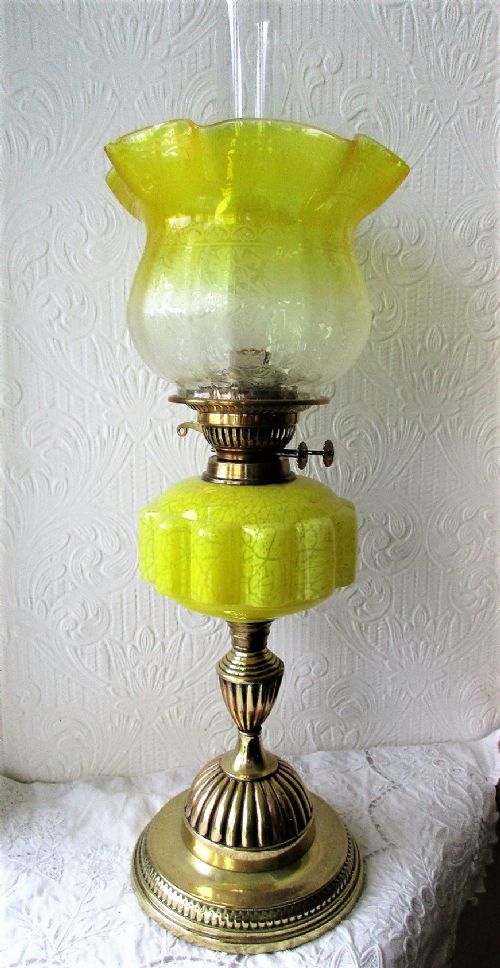
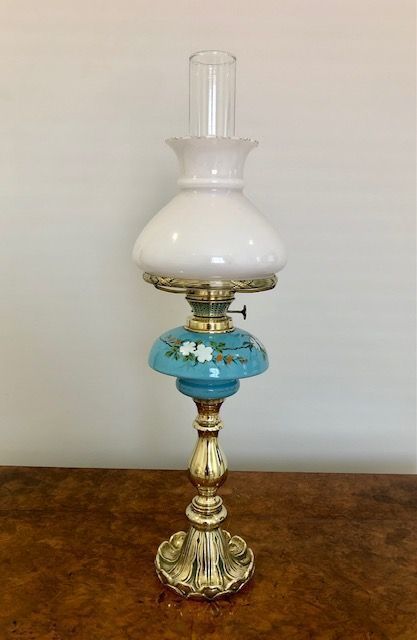
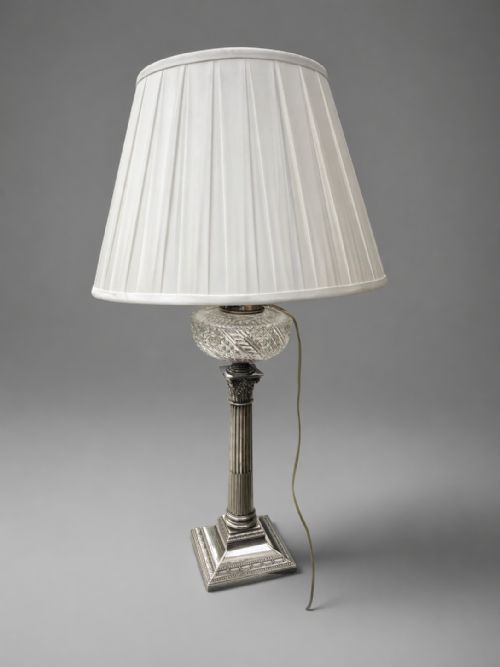


Antique Oil Lighting Fixture
An antique oil lighting fixture brings period warmth and tactile metalwork to a room, offering genuine nineteenth-century utility transformed into gentle illumination.
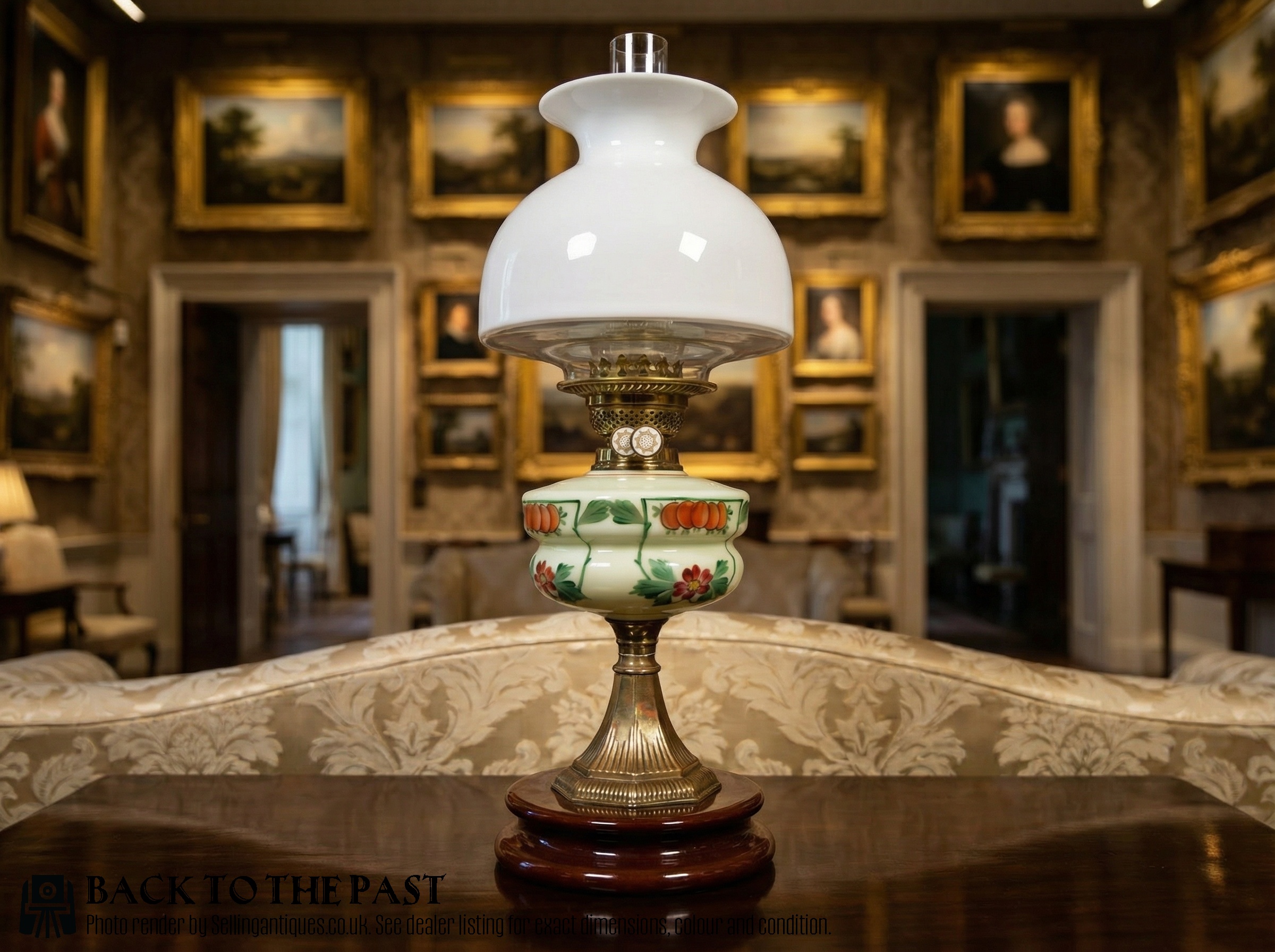
Antique Oil Lighting Fixture
An antique oil lighting fixture encompasses nineteenth-century and early twentieth-century table lamps, hanging lights, and lanterns designed to burn paraffin or colza oil. These pieces frequently combine robust metal bases with decorative reservoirs.
The Victorian period dominates the selections, alongside Edwardian examples and specific style variations such as Art Nouveau, Chinese Export, and Regency. Buyers frequently encounter standard brass table lamps alongside ceramic and glass variations.
Many items retain their original proportions while some have undergone conversion for modern electricity. Form follows domestic function, spanning tall adjustable stands, hand-painted vessels, and heavy hanging ceiling lights.
Materials and construction
Makers utilised cast and spun brass extensively for structural integrity, pairing metal with cut glass, opaline glass, and ceramic reservoirs. Copper, silver plate, and gilt bronze appear in specific high-status examples.
Vessels feature hand-painted decoration, enamelling, and mounted glass shades, including vaseline glass. Heavy weighted bases ensure stability for tall burners and adjustable stands.
Certain heavy brass stands feature adjustable height mechanisms designed to illuminate a reader's book from precisely the correct angle.
Distinctions in quality
Quality rests upon the weight and finish of the metalwork, the clarity of cut glass or crystal, and the presence of hand-painted detail on ceramic reservoirs. Superior examples display crisp casting and substantial brass components rather than thin stamped sheet metal.
The integrity of original glass shades, burners, and matching components elevates an object. Signed mechanisms from recognised makers add discernible distinction over unmarked production pieces.
Young's·A Benson
The Antique Oil Lighting Fixture Glossary
- Colza oil
- A vegetable oil pressed from rapeseed, utilised as fuel in nineteenth-century lamps before paraffin gained widespread use. It required specific heavy hanging or table mechanisms to burn efficiently.
- Vaseline glass
- A pale yellow-green glass coloured with uranium oxide that glows under ultraviolet light. It appears frequently in Edwardian lamp shades.
- Opaline glass
- A semi-opaque white glass popular during the Victorian era for lamp bases and shades. It diffuses light with a soft, milky quality.
- Paraffin lamp
- A domestic lighting device adapted to burn refined petroleum rather than vegetable oil. These units largely superseded older colza fuel systems.
Antique Oil Lighting Fixture: Frequently Asked Questions
How do I date an oil lamp?
Dating relies upon stylistic markers, material combinations, and burner patents associated with specific decades. Victorian and Edwardian examples carry distinct manufacturing signatures.
Changes in glass technology and metal casting techniques further help narrow the period of production.
Were these lamps converted to electricity?
Many surviving fixtures have been adapted to hold modern electrical wiring for everyday domestic use. Some retain their original burners and oil reservoirs untouched.
Conversions allow historical metalwork and glass shades to function safely in contemporary interiors.
What fuels did original lamps burn?
Earlier nineteenth-century pieces utilised vegetable oils such as colza, while later Victorian and Edwardian examples shifted to paraffin or kerosene. Burner mechanisms changed to match the viscosity of the fuel.
Matching the correct fuel type matters only if returning a converted lamp to working oil status.
How do I care for brass bases?
Brass components require gentle dusting and occasional cleaning with appropriate non-abrasive metal care products. Preserving the natural patina is standard practice among collectors.
Avoid harsh chemical dips that strip away historical surface character.