


Antique Oil Jar
These antique oil jar pieces bring rugged Mediterranean character into your rooms, offering weathered surfaces and monumental scale forged for practical estate use.
Antique Oil Jar
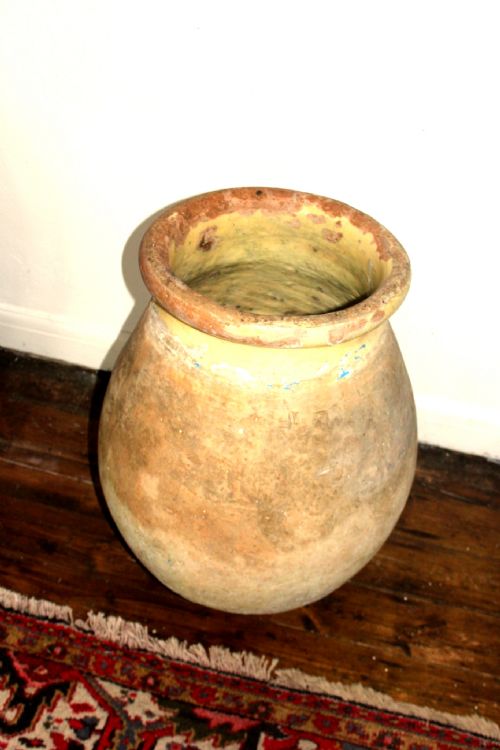
An antique oil jar functions primarily as a substantial storage vessel shaped from heavy earthenware or terracotta, originating mainly from Mediterranean and French rural traditions. When you search for an antique oil jar, you encounter large storage forms designed to hold olive or walnut oil across the eighteenth and nineteenth centuries.
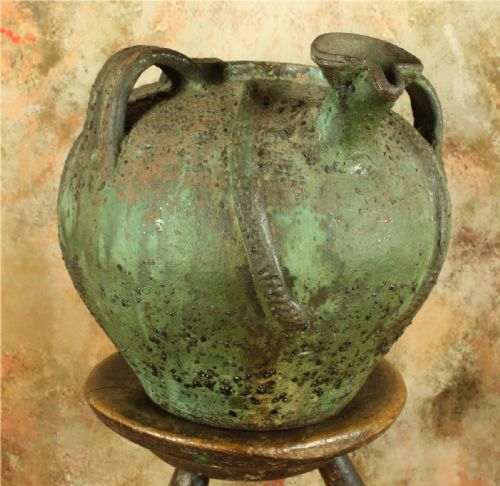
The most common examples on this page are generous French terracotta and earthenware pots featuring aged patinas, alongside Mediterranean painted pottery vessels and Greek terracotta urns. These pieces often display multiple handles or weathered glazes developed from decades of utilitarian service in warm southern climates.
Beyond standard terracotta, the selection extends to related forms such as walnut oil jugs, amphora vessels, and decorative olive jars mounted on wrought iron stands. These larger vessels bring architectural weight to gardens and garden rooms, carrying centuries of agrarian history within their thick walls.
Factors of Quality
Quality rests in the integrity of the heavy earthenware body and the depth of the natural patination acquired through long exposure to the elements. Vessels that retain their original lime wash layers or uncompromised structural surfaces demonstrate superior preservation.
The presence of multiple handles, balanced proportions, and authentic regional French or Mediterranean forms elevates certain examples above simpler utility pieces. Scale also plays a role, with larger nineteenth-century terracotta jars showing the ambitious forming skills of traditional rural potteries.
The listings span from pre-sixteenth-century Roman flasks through eighteenth-century French walnut oil pots to early twentieth-century earthenware jugs.
The Antique Oil Jar Glossary
- Terracotta
- A porous fired red earthenware clay used extensively for large storage vessels and garden urns throughout the Mediterranean. This material develops a characteristic warm hue and chalky surface over centuries.
- Amphora
- A tall ancient storage vessel featuring two vertical handles and a narrow neck designed for transporting oil or wine. These classical forms influenced later nineteenth-century garden pottery.
- Patina
- The surface alteration and mellowing achieved through age, weathering, and handling. On these pots, it appears as chalky lime residue and softened clay textures.
- Earthenware
- Fired pottery that remains porous unless glazed, formed from common clays at lower kiln temperatures. It serves as the primary body material for heavy rural storage jars.
- Tin Glaze
- An opaque white glaze containing tin oxide, providing a smooth surface often painted with polychrome pigments. This technique appears on decorative Mediterranean jugs and vessels.
Antique Oil Jar: Frequently Asked Questions
How are antique oil jars dated?
Datings rely on stylistic traits, potting techniques, and the character of the clay body rather than maker marks. Eighteenth-century examples often display hand-thrown irregularities and distinct regional French forms.
Nineteenth-century pieces tend toward standardised production while retaining the weathered patinas characteristic of prolonged outdoor or agricultural use.
Can these jars stay outdoors?
Most terracotta and earthenware vessels tolerate outdoor placement in mild conditions, provided they are lifted off frozen ground during winter. Porous clays absorb moisture that can expand and crack the vessel wall in freezing temperatures.
Bringing them indoors or protecting them during severe frost preserves the historic clay body and fragile surface patinas.
What caused the surface crust on many jars?
The chalky white or grey coatings on these pots typically result from historical applications of lime wash used to seal the clay or clean storage spaces. Decades of agricultural use, mineral deposits, and weathering add layers of encrustation.
This accumulated residue forms the desired surface patina that collectors prize for authenticity.
Where were these large jars made?
Rural potteries across the Mediterranean basin, particularly in southern France, Greece, and Italy, produced these heavy utilitarian vessels for olive oil and walnut oil production. Local workshops shaped regional clays to meet the demands of agricultural estates.
Each region developed specific handle configurations and body proportions suited to local storage methods.