


Antique Officer Oil Painting
When you search for an antique officer oil painting, you are looking at centuries of military portraiture rendered in pigment on canvas.
Antique Officer Oil Painting
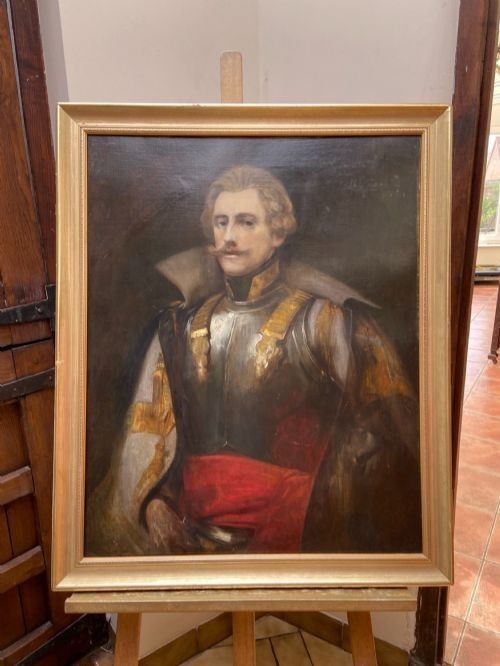
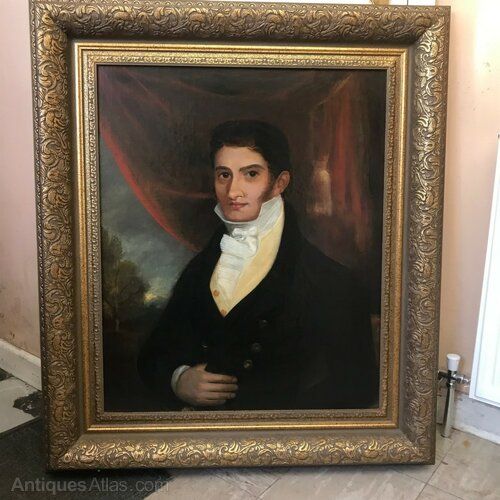
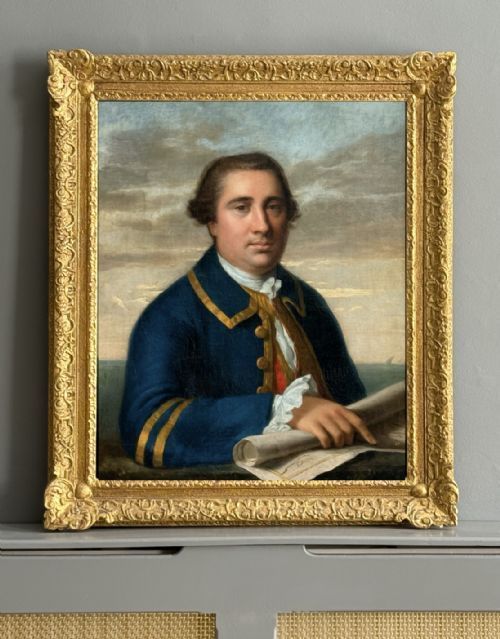
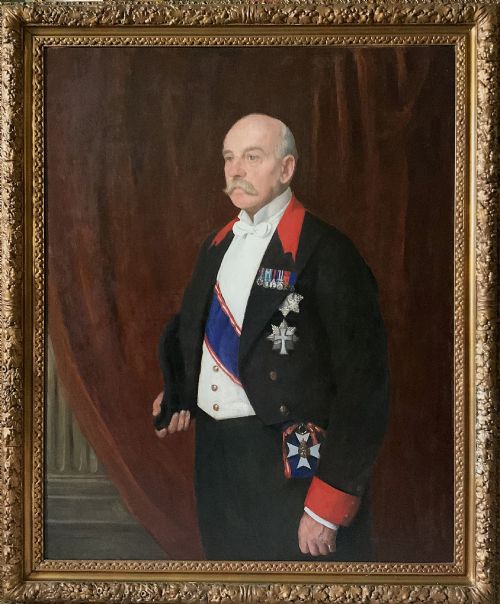
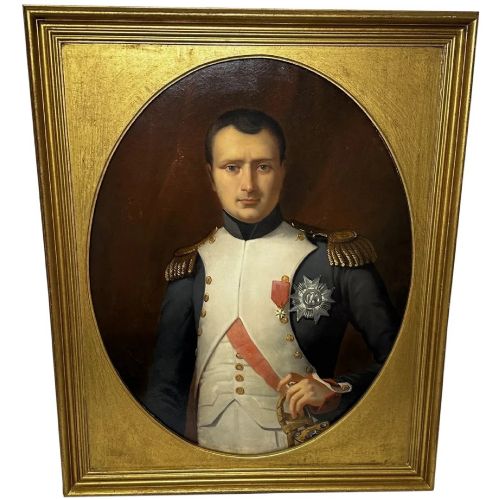
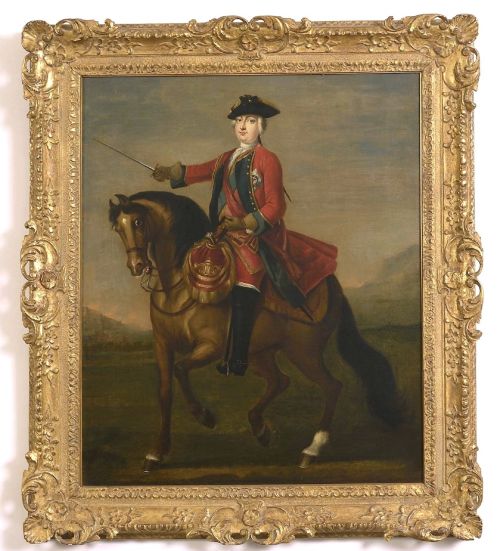
An antique officer oil painting depicts military, naval, and militia personnel ranging from the seventeenth century through to the twentieth century. These works capture captains, generals, admirals, and cavalrymen in formal uniforms, often displaying the specific coats, gorgets, and regalia of their regiments.
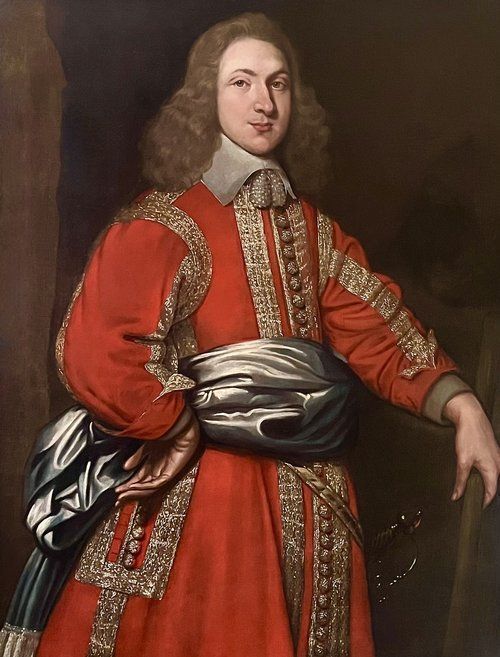
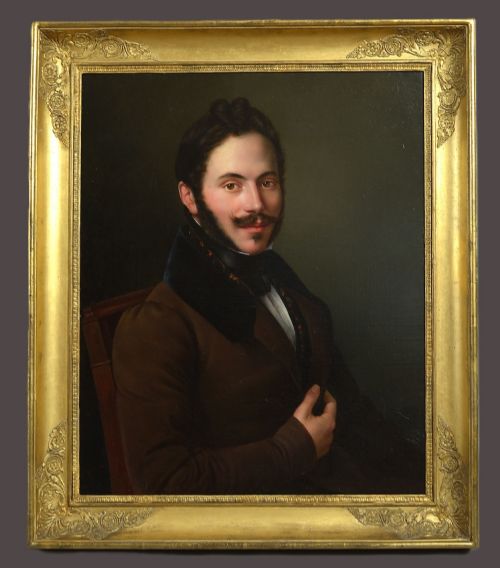
The selections on this page span diverse schools, including Anglo-Dutch, French, and British works, rendered in styles from Baroque to nineteenth-century realism. Subjects appear both as documented historical commanders and as anonymous officers captured in oil on canvas.
Most entries concentrate on eighteenth- and nineteenth-century canvas portraits, reflecting the periods when military commissions were widely recorded through formal portraiture. Buyers encounter everything from modest regimental portraits to monumental depictions of high-ranking generals.
What Varies in Quality
Quality rests in the anatomical precision of the sitter, the skillful handling of uniform details such as lace and medals, and the psychological depth captured in the expression. Master painters render the play of light across armour and fabric with subtlety, whereas lesser works remain stiff and formulaic.
The preservation of the pigment layer and the canvas support heavily influences the character of the piece. Works that retain their original stretcher frames and untouched paint surfaces offer a more direct connection to the period of their creation.
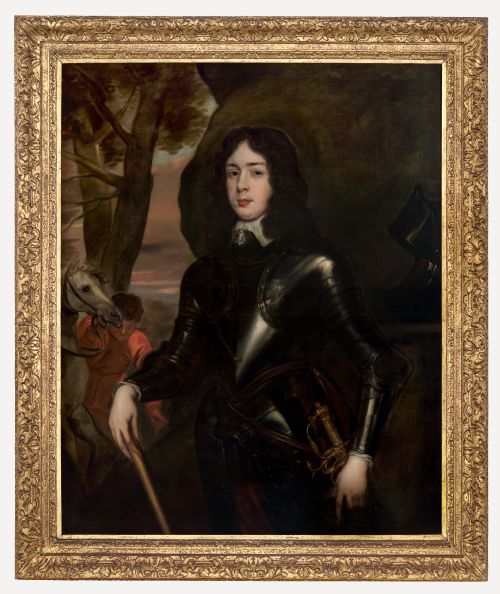
Several officers share canvas space with horses, anchors, and even a groom waiting quietly in the background.
LEMUEL FRANCIS ABBOTT·Edouard Pingret·Sir Thomas Lawrence·John F.H. Dutton·Henry Keyworth Raine
The Antique Officer Oil Painting Glossary
- Giltwood
- Wood carved and coated with gold leaf or metallic paint to create a decorative frame. These frames often accompany formal oil portraits from the eighteenth and nineteenth centuries.
- Oil on Canvas
- Pigment mixed with drying oils applied to a woven fabric support. This combination forms the primary medium for the portraits listed on this page.
- Baroque
- An artistic style prevalent in the seventeenth century characterised by dramatic lighting and deep shadows. Portraiture from this era often shows officers in heavy armour with dynamic compositions.
- Regiment
- A military unit whose specific uniform colours and insignia help identify the branch of service. Contemporary viewers study these details to trace the military history of the sitter.
Antique Officer Oil Painting: Frequently Asked Questions
How do I identify the rank of the officer?
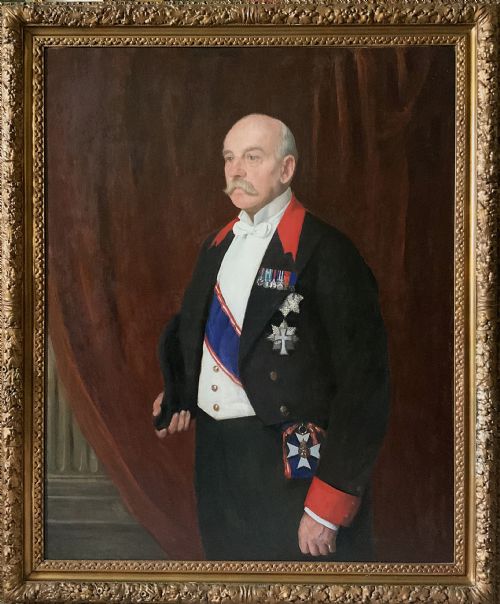
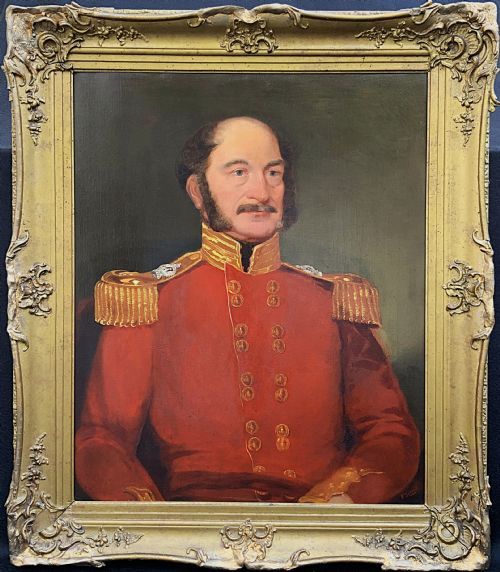
Uniform details, epaulettes, and specific hat styles usually indicate whether the sitter held a junior or senior commission. Insignia and medals painted on the chest also point to the specific responsibilities held during service.
Portrait conventions of the eighteenth and nineteenth centuries often placed higher-ranking commanders beside symbols of authority like maps, anchors, or curtains. Examining the surrounding elements helps clarify the status of the individual within their branch.
Why are many officers painted in red coats?
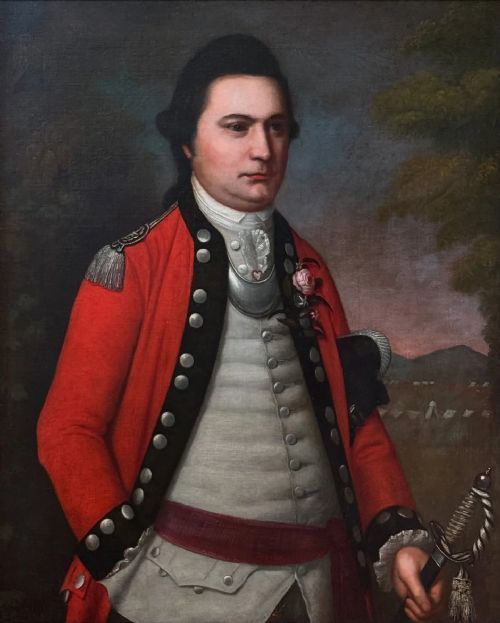
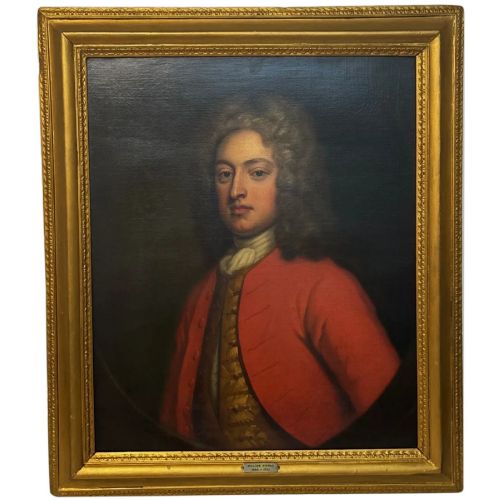
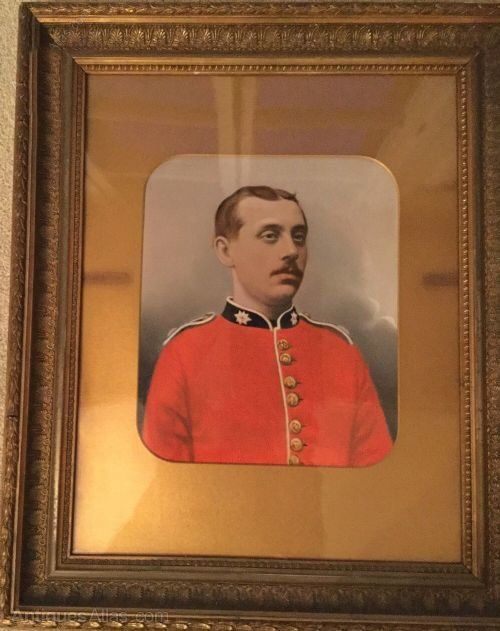
Red coats served as the standard military uniform for British land forces across multiple centuries. Artists frequently highlighted these bright scarlet tunics to create striking visual contrast against darker backgrounds.
These red uniforms also functioned as markers of national allegiance and regimental pride. Surviving canvases capture the exact shade of the wool and the specific cut worn during campaigns or formal sittings.
Can I determine the exact year the portrait was painted?
Some canvases include visible dates, artist signatures, or accompanying biographical inscriptions on the stretcher bars. When explicit dates are absent, the style of the uniform and the hair fashion provide a reliable dating window.
Military regulations changed at defined intervals, allowing historians to narrow down the decade of the uniform. Comparing the artistic technique to known works by the studio or school further refines the timeline.
What is the difference between naval and military portraits?
Naval portraits generally incorporate maritime backdrops, marine flags, or architectural elements associated with ships and harbours. Sitters often wear dark blue jackets with distinctive brass buttons rather than infantry scarlet.
Army portraits lean toward land-based uniforms, cavalry equipment, or field tents. These visual cues immediately separate sea-faring commanders from land-based officers in the historical record.