
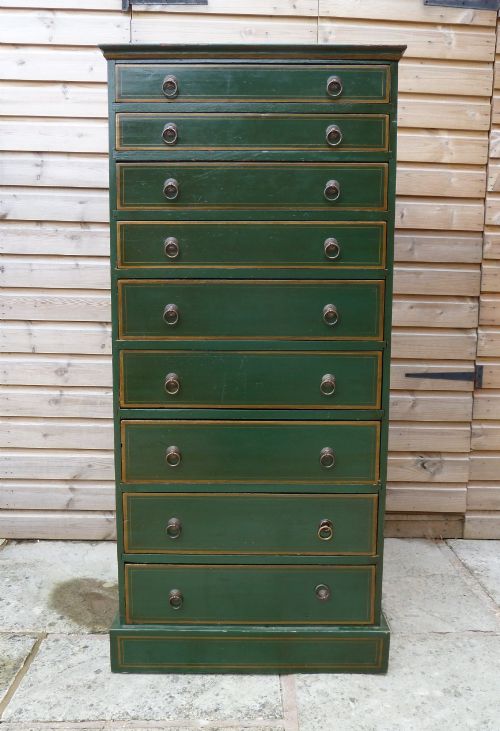
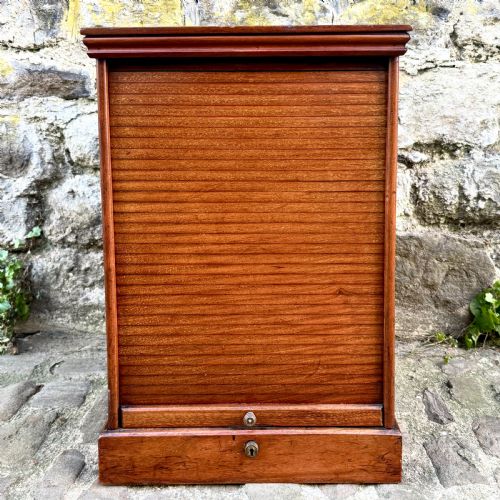
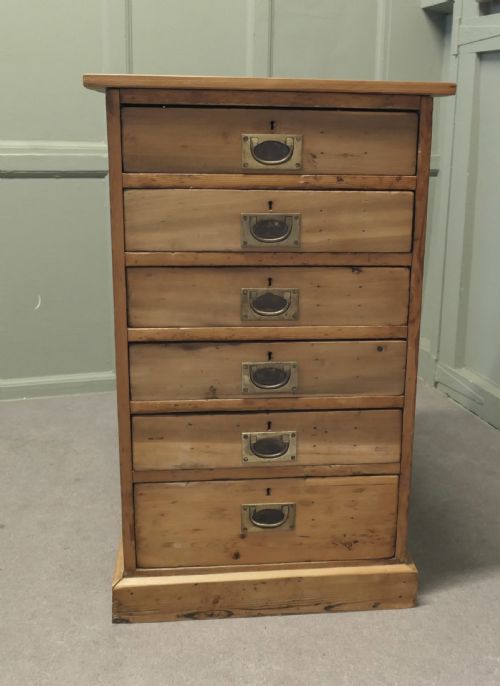
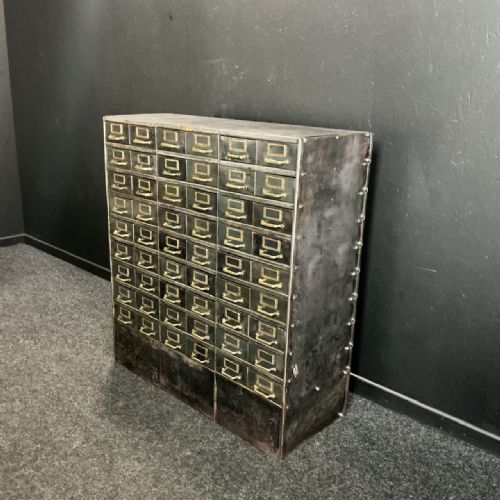
Antique Office Filing Drawers
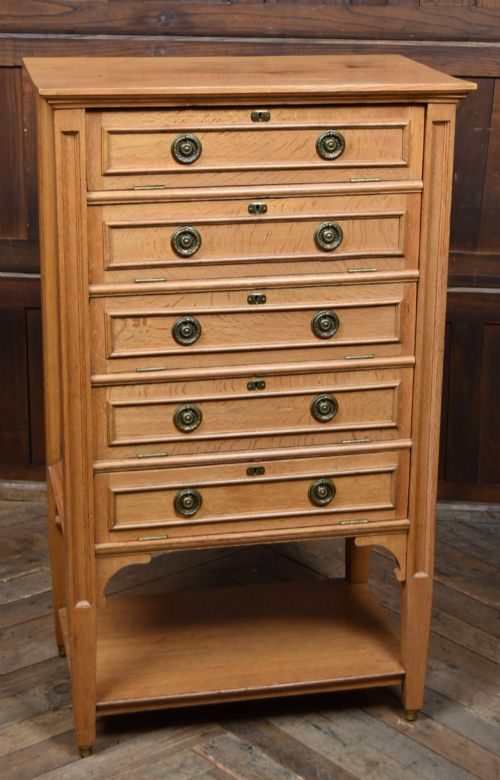
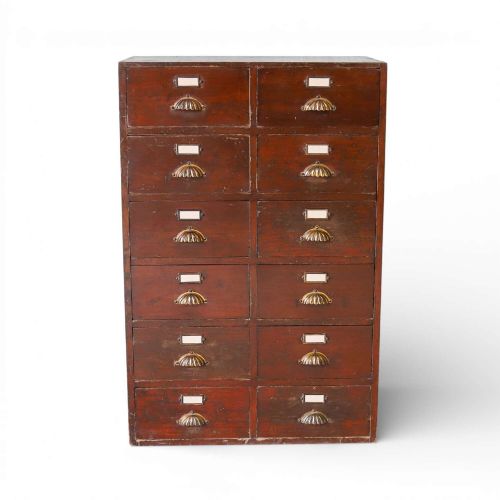
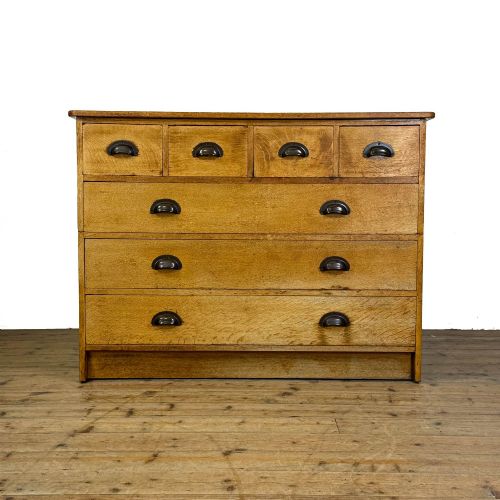
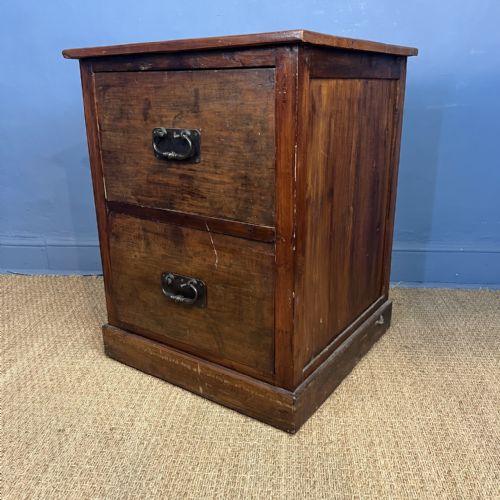
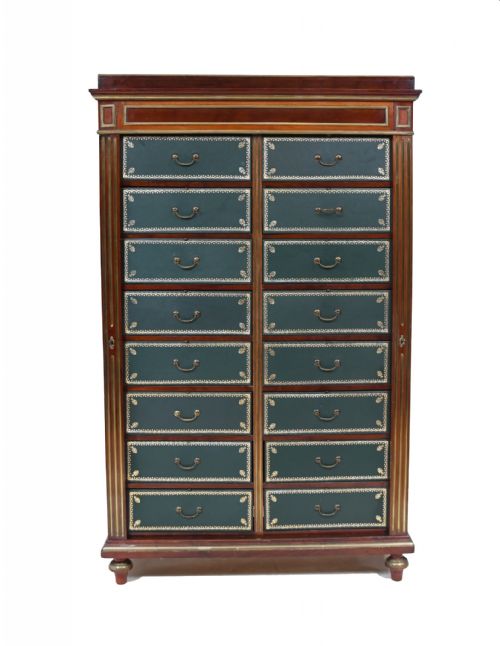
Antique office filing drawers organise paperwork with character, ranging from robust oak cabinets to French walnut cartonnieres.
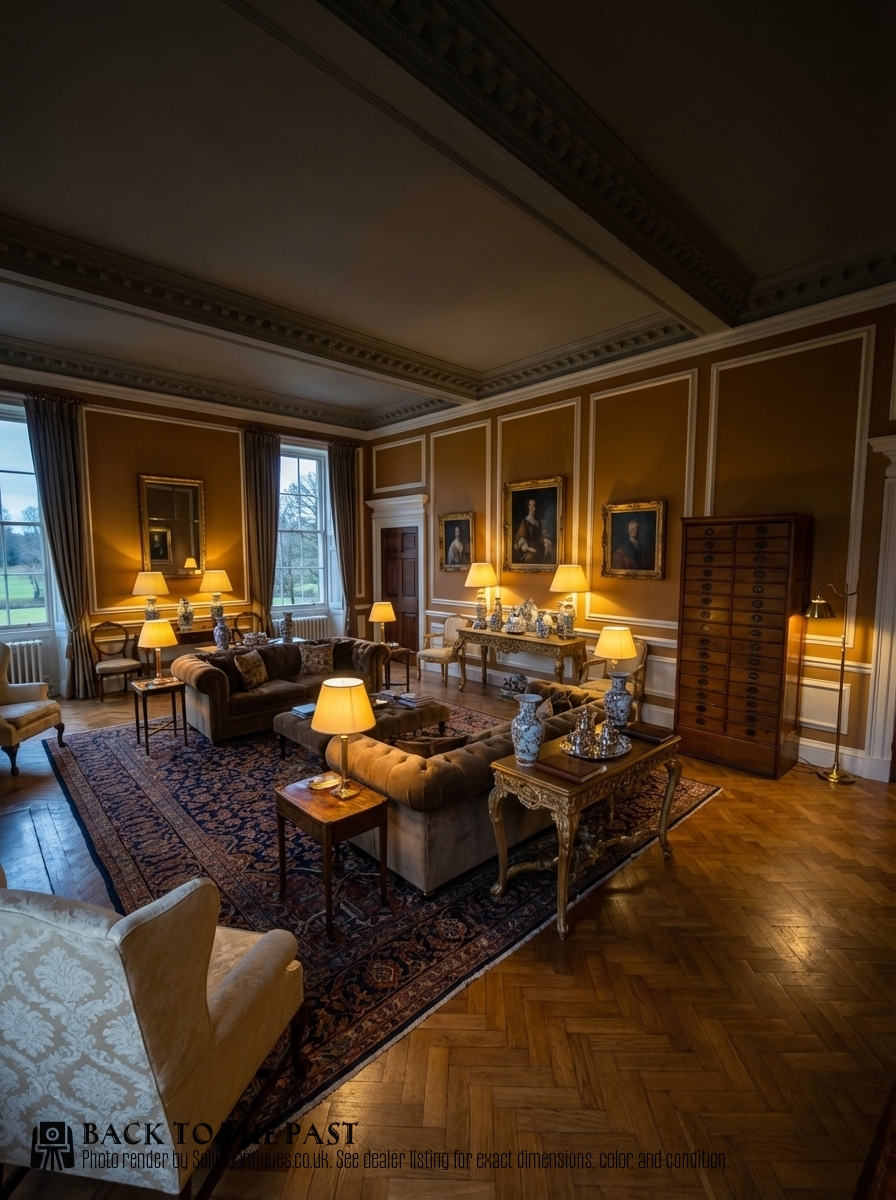
Antique Office Filing Drawers
When you search for antique office filing drawers, you encounter a practical category spanning banks of drawers, filing cabinets, and specialised desk organisers. These pieces originate from domestic, commercial, and industrial settings across the nineteenth and early twentieth centuries.
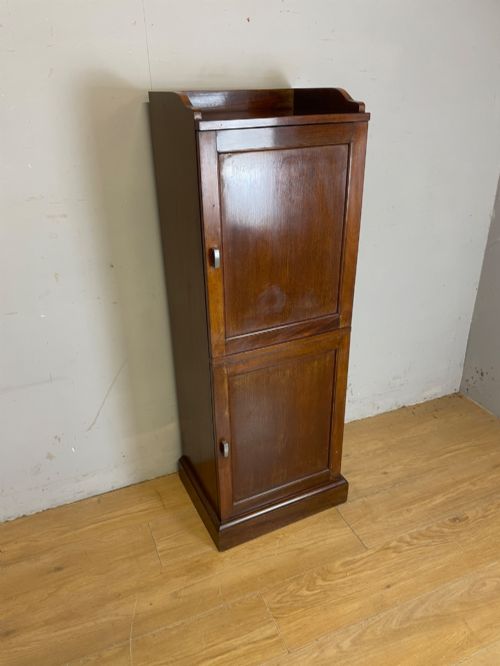
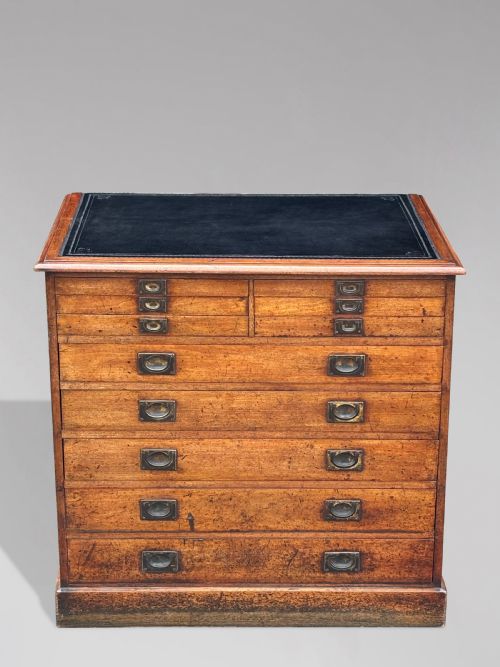
Oak and mahogany versions from the Edwardian period and the 1920s appear most frequently in this selection. Alongside these British examples, French cartonnier cabinets in walnut and mahogany offer alternative ways to sort documents.
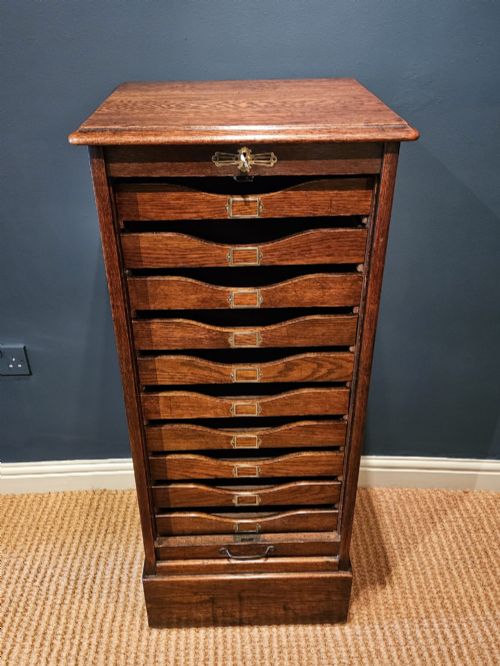
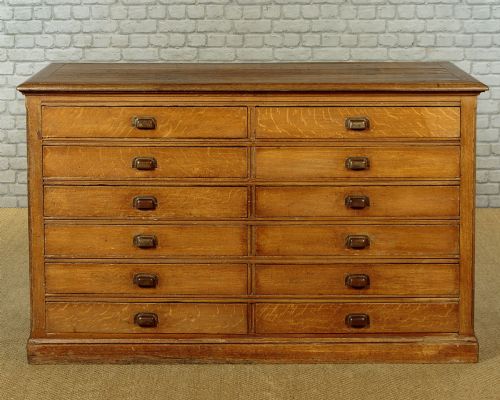
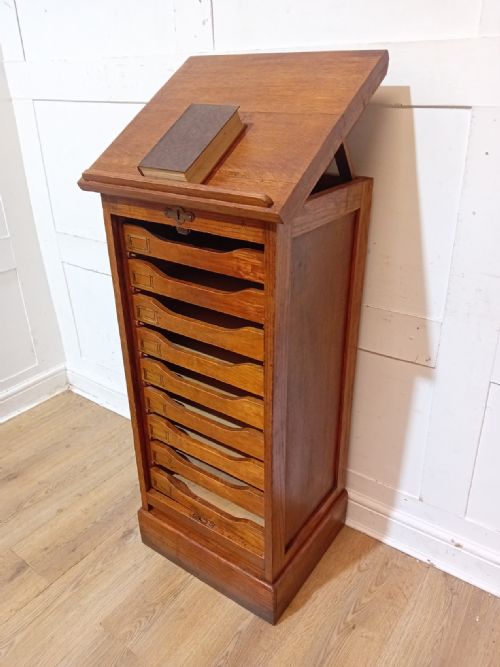
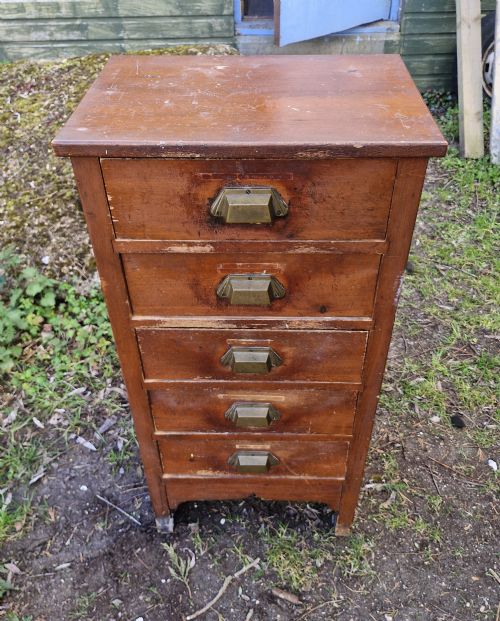
Forms vary significantly, from tall multi-drawer units to shallow pine drawers and tambour front cabinets. Each piece reflects the specific filing requirements of past offices, libraries, and workshops.
Materials and construction
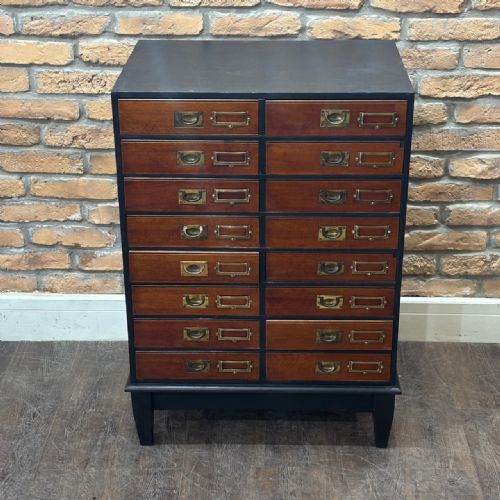
Timbers such as oak, mahogany, walnut, and pine form the primary structure of these cabinets, frequently complemented by brass handles, label holders, and shell pulls. Selected pieces incorporate leather surfaces and steel or metal components for industrial durability.
Joinery methods range from traditional domestic cabinet-making in Victorian and Edwardian workshops to robust construction found in 1920s industrial and workshop pieces. Tambour fronts and patent letter file mechanisms demonstrate mechanical ingenuity applied to workplace storage.
Listings feature woods spanning oak, mahogany, walnut, kingwood, pine, and teak, alongside steel, brass, and leather elements.
Assessing quality and craftsmanship
Quality in these filing pieces rests on the integrity of the timber, the weight of the hardware, and the smoothness of drawer operation. Original brass pulls and intact label holders elevate a piece above replacements fitted later.
Finer examples show considered proportions and specialised mechanisms like tambour shutters or patent letter systems, whereas utility pieces rely on straightforward pine or painted construction designed strictly for functional service.
Maple and Co·Amberg
The Antique Office Filing Drawers Glossary
- Tambour
- A flexible shutter door made of narrow strips of wood glued to canvas, allowing smooth access to enclosed filing compartments.
- Cartonnier
- A French cabinet fitted with tiers of open compartments or drawers specifically designed for holding papers and documents.
- Shell pull
- A stamped or cast brass handle shaped like a half-shell, commonly incorporating a slot for a paper label holder.
- Haberdashery cabinet
- A multi-drawer storage unit originally used in retail shops for small goods, frequently adapted for office filing.
Antique Office Filing Drawers: Frequently Asked Questions
How do I date an office filing cabinet?
Dating relies on timber choices, construction techniques, and hardware styles. Edwardian and 1920s pieces often feature characteristic oak or mahogany with specific brass pull designs.
Patent dates stamped on letter files or locks provide precise chronological markers. Comparing the internal drawer construction to known Victorian or twentieth-century standards confirms the era.
What is a cartonnier cabinet?
A cartonnier is a piece of furniture originating in France designed to hold loose papers, documents, or cartons. They typically feature vertical tiers of shallow drawers or compartments.
These cabinets often use fine woods like mahogany, kingwood, or walnut, sometimes decorated with leather accents or ormolu mounts. They served in studies and administrative offices.
Are tambour front cabinets practical?
Tambour fronts slide smoothly along tracks to conceal the drawers or shelves inside. This mechanism saves space because doors do not swing outward into the room.
They require gentle handling to ensure the wooden slats remain aligned within their tracks. Regular cleaning keeps the mechanism operating as intended.
Can I use antique drawers for modern paper?
Many antique filing drawers accommodate modern paper sizes, particularly larger multi-drawer units and oak cabinets from the early twentieth century. Shallow drawers suit documents and stationery.
Checking internal drawer dimensions before purchase ensures your specific folders or paper sizes fit comfortably. Some specialised card index drawers are built for smaller formats.