



Antique Ocean Painting Framed
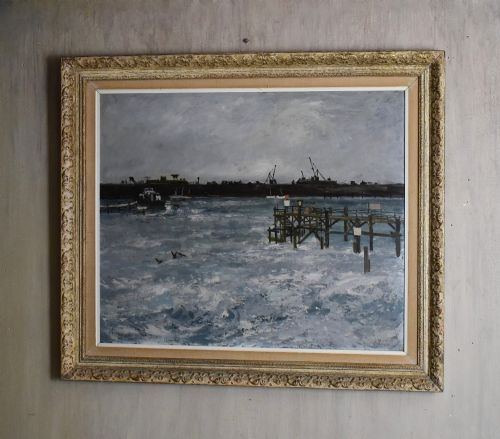
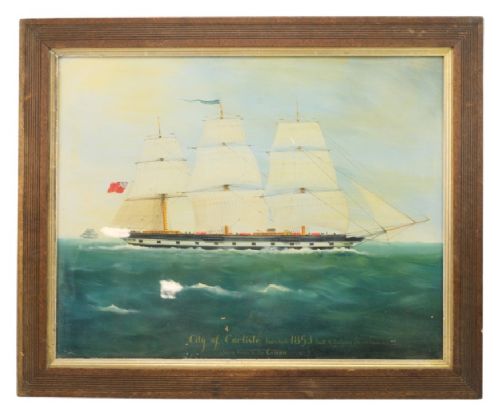
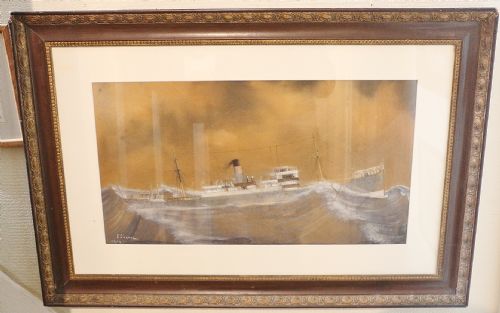
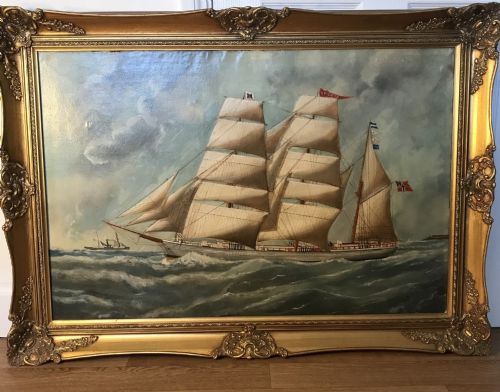
These antique ocean painting framed works capture maritime life and coastal views, offering a glimpse into historic shipping and sea voyages.
Antique Ocean Painting Framed
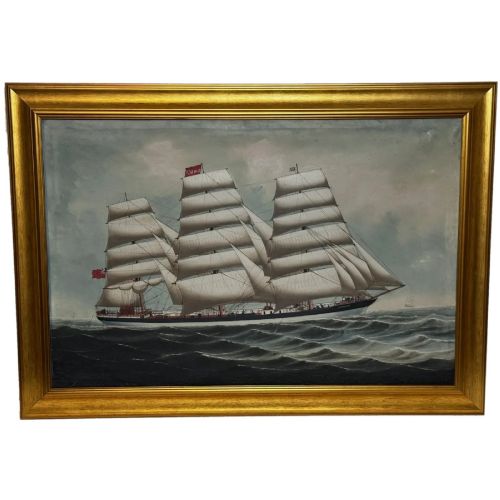
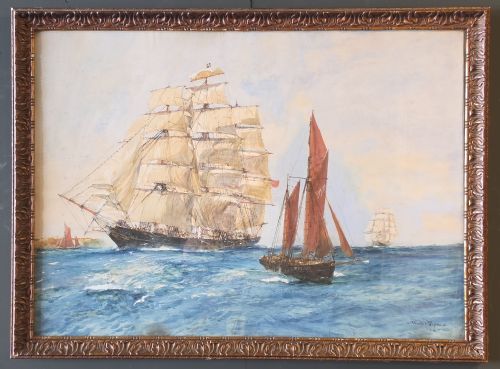
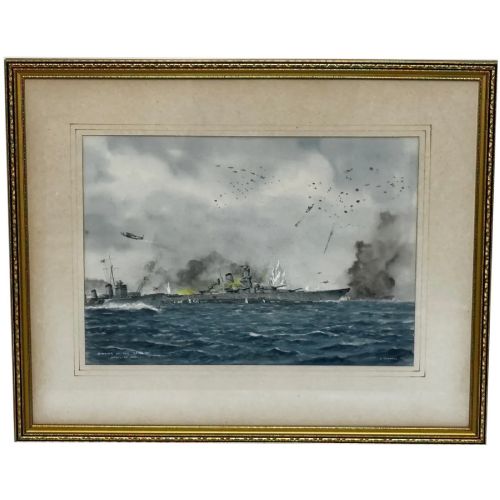
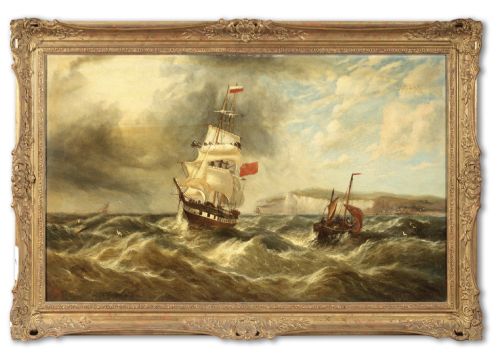
When you search for an antique ocean painting framed, you encounter depictions of ships, coastal scenes, and open waters spanning from the nineteenth century into the twentieth century. These works frequently record specific vessels, such as steamers, barques, and three-masted schooners, alongside dramatic storm scenes and calmer havens.
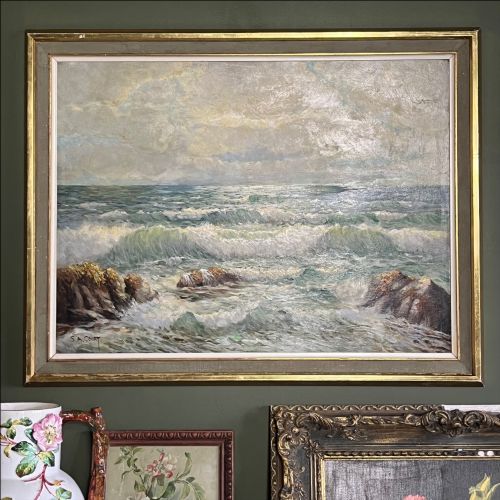
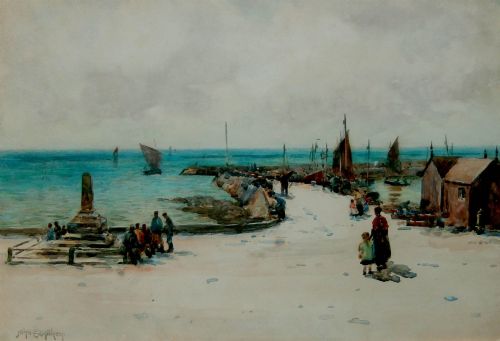
The selections on this page lean heavily towards nineteenth-century and Edwardian examples, taking the form of oil paintings on canvas or board, alongside delicate watercolours and gouache. Such pieces range from intimate depictions of local fishing boats off Cornwall and Scotland to international harbour views and Venetian lagoons.
Many of these artworks arrive in period surrounds, often utilising gilt wood frames that complement the maritime subject matter. Whether portraying merchant ships in heavy seas or quiet anchorages, these works document a rich heritage of marine art across Britain and continental Europe.
Materials and techniques behind the canvas
Artists rendering these coastal and marine subjects relied primarily upon oil on canvas, oil on board, and watercolour on paper, frequently augmenting watercolours with gouache to achieve highlights on crashing waves and ship rigging. These mediums allowed painters to capture the shifting moods of the sea, from translucent light on coastal cliffs to dark, churning storm waters.
The physical housings for these works predominantly consist of wood and gilt wood frames, sometimes original to the period, providing structural support and framing the composition. Canvas supports were routinely stretched over wooden frames, while board supports offered a rigid surface for smaller plein-air studies painted along the coast.
Several Victorian captains commissioned pierhead paintings simply to ensure their prized merchant ships looked appropriately majestic in heavy weather.
Distinctions in craftsmanship and composition
The distinction between standard works and superior examples often lies in the artist's handling of maritime detail, such as the accurate rigging of a sailing ship and the convincing movement of water in a gale. Works by documented painters with established exhibition histories demonstrate a superior command of light, atmosphere, and nautical architecture compared to anonymous school pieces.
The preservation of the painted surface and the authenticity of the accompanying frame contribute significantly to the standing of a piece. Clean canvas conditions free from extensive repainting, combined with period-appropriate gilt wood surrounds, elevate the overall integrity of the artwork.
Reginald Arthur Borstel·Charles Edward Dixon·John E. Aitken·William Banks Fortescue·John Rose Miles·Bonaventura Peeters·F. Corpuz·Lai Fong·John Moore of Ipswich·Nicholas Condy·Thomas Hodgson Liddell·William Henry Williamson·Alexander Harwood·George Stanfield Walters·John Moxon·Charles William Adderton·Charles Napier Hemy·Gustave De Bréanski·Daniel Sherrin·William Greaves·Abraham Hulk Snr·Charles Sim Mottram·Hendrik Willebrord Jansen
The Antique Ocean Painting Framed Glossary
- Gouache
- An opaque watercolour paint that dries to a matte finish, frequently utilised by maritime artists to add dense highlights to foam and sails.
- Barque
- A sailing vessel with three or more masts, commonly depicted in nineteenth-century coastal and open sea paintings.
- Pierhead painting
- A specific genre of maritime art depicting a portrait of a named ship, often commissioned by its captain or owner as it arrived at or departed from a port.
- Plein-air
- Painting executed outdoors in the open air, a method favoured by artists capturing direct observations of coastal cliffs and changing light on the water.
- Seascape
- A work of fine art that depicts the sea, encompassing open ocean views, coastal shores, and shipping activity.
Antique Ocean Painting Framed: Frequently Asked Questions
What is a pierhead painting?
A pierhead painting is a specific type of ship portrait, often commissioned to record a commercial vessel or steamer entering or leaving harbour.
These works prioritise accurate details of the ship's rigging and hull, serving as historical records of maritime trade.
How do I identify a Victorian marine painting?
Victorian marine works typically display the characteristic sailing vessels of the nineteenth century, including three-masted schooners and early steamships caught in heavy seas or docked in British ports.
Signatures, stylistic traits of the period, and framing materials also help determine the age of the canvas or paper.
Were all these paintings created in Britain?
While many pieces document British harbours and coastal scenes, the selection includes continental European views, such as the Venetian lagoon and Dutch coastal waters.
Artists from various nations travelled along shipping routes and painted local maritime activity across Europe.
How should I care for an antique oil painting?
Antique oil paintings require stable indoor environments away from direct sunlight and excessive moisture fluctuations to protect the canvas and paint layers.
Dusting the gilt wood frame gently with a dry cloth helps maintain the presentation without risking the artwork itself.