
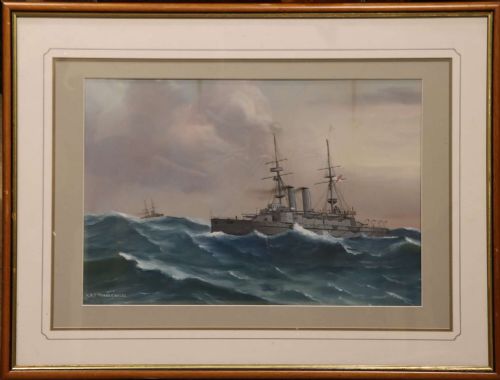





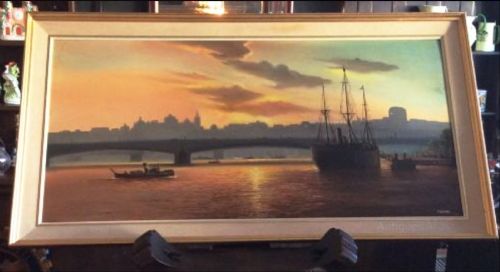

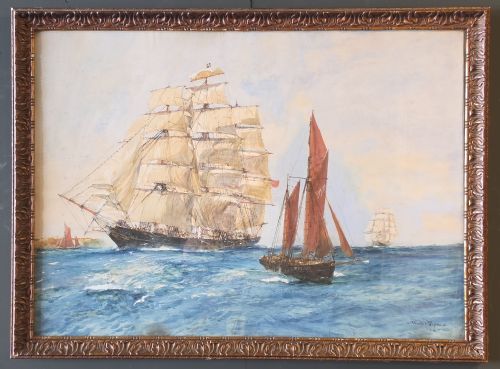

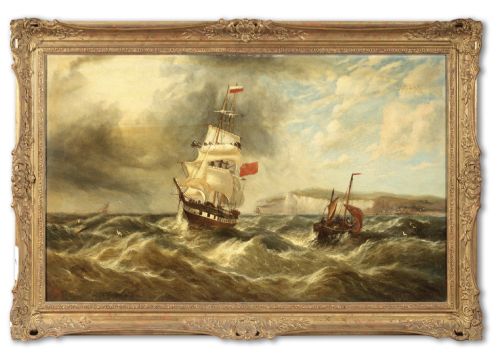
British Seascape Artwork
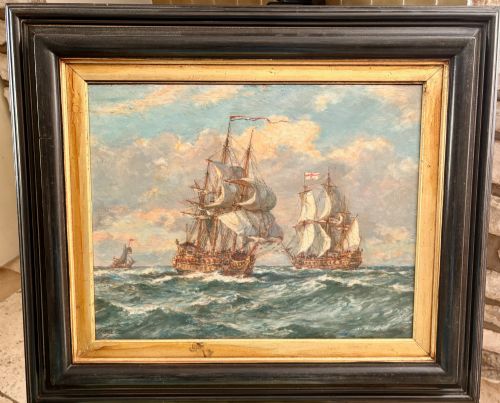
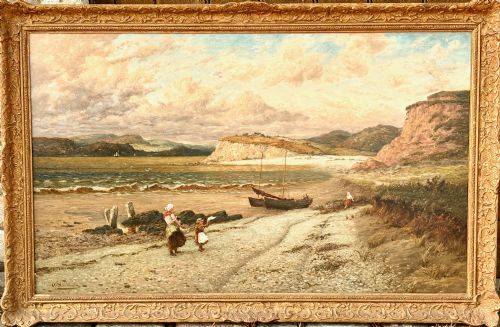
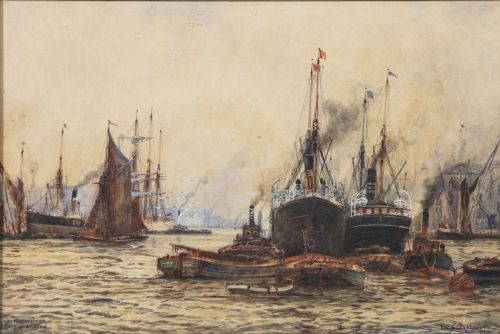
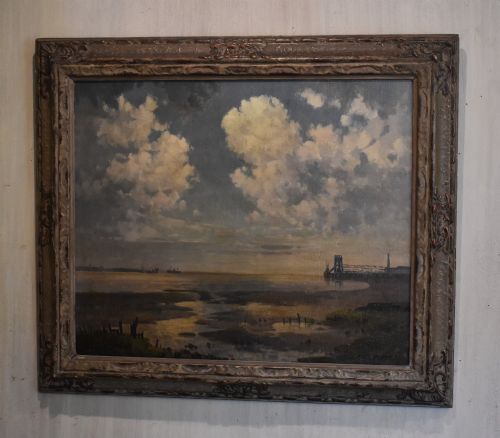
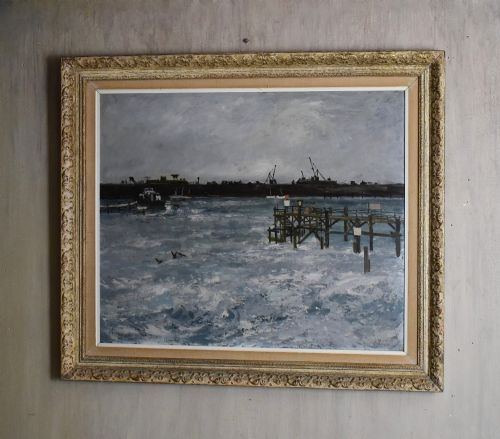
British seascape artwork captures the temper of the coast and the bustle of maritime trade through works spanning from the nineteenth century into the mid-twentieth century.
British Seascape Artwork
A search for british seascape artwork brings together oil paintings, watercolours and gouaches depicting harbours, coastal villages, and open waters. The items span the Victorian era, the Edwardian period, and into mid-twentieth-century Modern British movements.
Buyers will encounter coastal scenes ranging from calm Cornish harbours like St Ives and Looe to dramatic scenes of merchant ships in rough seas. The selection includes works executed both in studio settings and en plein air along the shores of Britain and European waterways.
Materials and Techniques
Artists captured light and movement using oil paint on canvas or board, often building thick impasto surfaces to render turbulent waves and coastal atmospheres. Watercolour on paper was utilised extensively for transparent washes depicting the luminous skies and harbours of ports such as Whitby and Scarborough.
Support materials include traditional canvas, wood panels, and fine paper, frequently preserved within period frames that complement the maritime subject matter.
Several artists braved the nineteenth-century British elements with damp paper and stubborn oils just to capture a moody harbour at low tide.
Distinctions in Quality
The strength of a piece rests in the artist's command of maritime atmosphere, the accurate depiction of rigging and vessel architecture, and the vitality of the brushwork. Works by exhibited members of recognised societies display superior draughtsmanship and handling of light compared to anonymous student pieces.
Compositional balance and the preservation of the original medium without excessive retouching elevate the standing of an artwork within this genre.
Thomas Hodgson Liddell·Henry Barlow Carter·Charles Edward Dixon·George Stanfield Walters·John Wilson Carmichael·Francis Moltino
The British Seascape Artwork Glossary
- Gouache
- An opaque watercolour paint that dries to a matte finish, allowing artists to build dense highlights and deep tones. It was frequently utilised in maritime works for precise detail on ships.
- Impasto
- Paint applied thickly to a canvas or board, standing out in relief from the surface. This technique brings a tactile quality to the churning water and rugged cliffs of coastal views.
- En plein air
- The practice of painting outdoors directly from the subject to capture transient effects of natural light. Coastal scenes painted this way often convey an immediate sense of weather and wind.
- Watercolour
- A painting method in which pigment is suspended in a water-soluble binder, applied in transparent washes. It remains a cornerstone of traditional British landscape and marine art.
British Seascape Artwork: Frequently Asked Questions
How do I identify a Victorian maritime painting?
Victorian marine pieces typically feature meticulous attention to ship rigging and historical accuracy, reflecting Britain's naval dominance during the nineteenth century. They often employ naturalistic palettes and traditional framing suited to the period.
Signatures, exhibition labels on the reverse, and stylistic markers such as detailed harbour architecture help confirm the era of execution.
What is the difference between watercolour and oil coastal art?
Watercolour works on paper offer a luminous, delicate quality well suited to capturing bright coastal skies and calm tidal harbours. Oil paintings on canvas or board allow for heavier textures and richer colour layering.
Oils are frequently chosen for dramatic scenes of rough seas and heavy weather, whereas watercolours excel in atmospheric lightness.
Where should I hang a coastal artwork?
These pieces suit spaces with stable environmental conditions, away from direct sunlight and excessive moisture to protect paper and canvas. Neutral wall backgrounds allow the maritime palette of blues, greys, and earth tones to stand out.
Matching the frame style to your interior can bridge traditional maritime subjects with contemporary living spaces.
How are maritime scenes dated?
Dating relies upon artist biography records, exhibition dates, and stylistic developments within British art history. Depictions of specific vessels or port infrastructure can also provide a reliable window of time.
Signatures combined with archival exhibition records offer the clearest path to establishing a precise decade.