
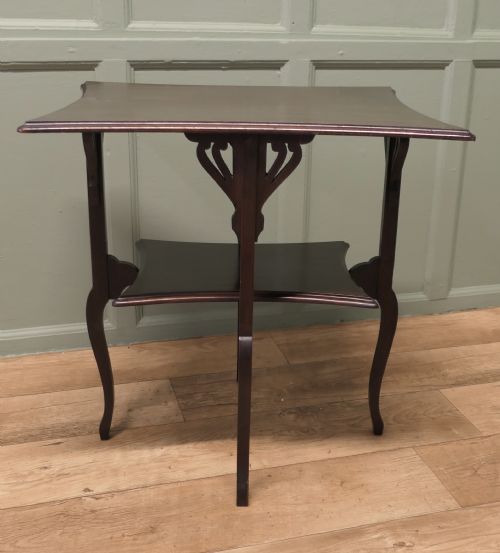
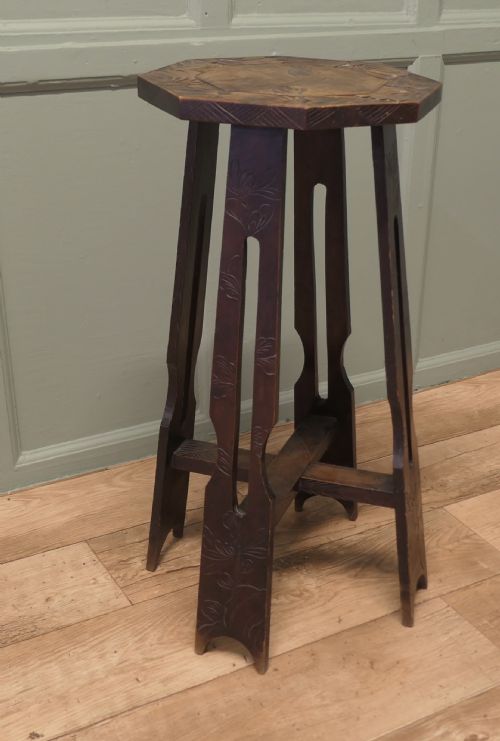
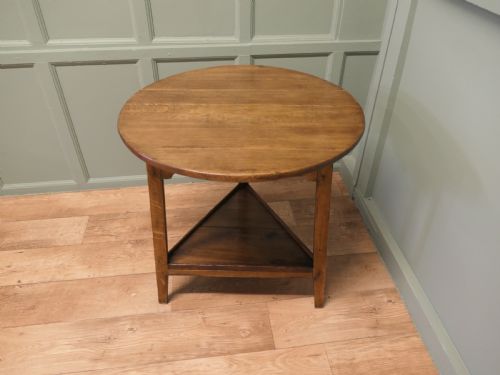
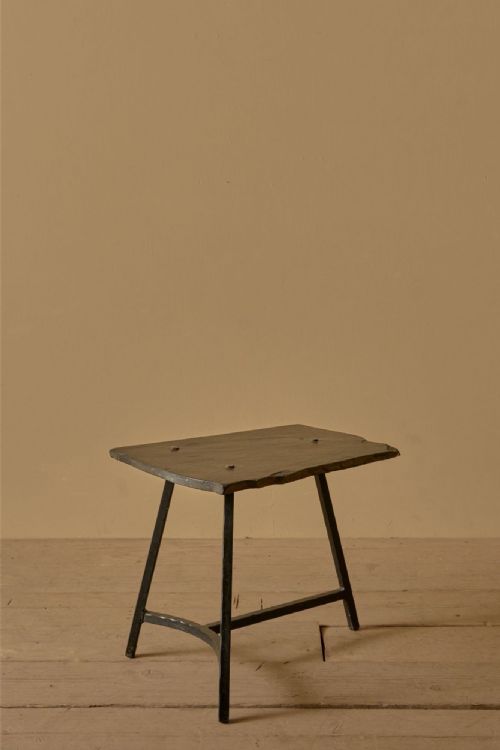
Antique Occasional Furniture
Antique occasional furniture brings versatile, smaller-scale tables and chairs into a room to serve specific daily needs.
Antique Occasional Furniture
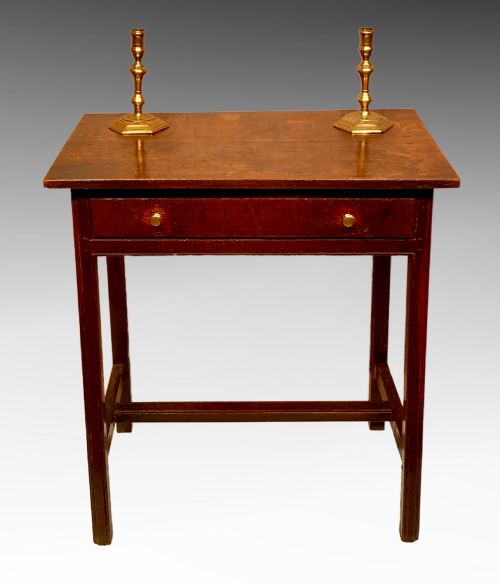
When searching for antique occasional furniture, buyers examine smaller movable pieces designed for specific functional roles rather than permanent placement in a room. The selections span a wide chronological range, covering the 17th century through the Edwardian period and early 1900s.
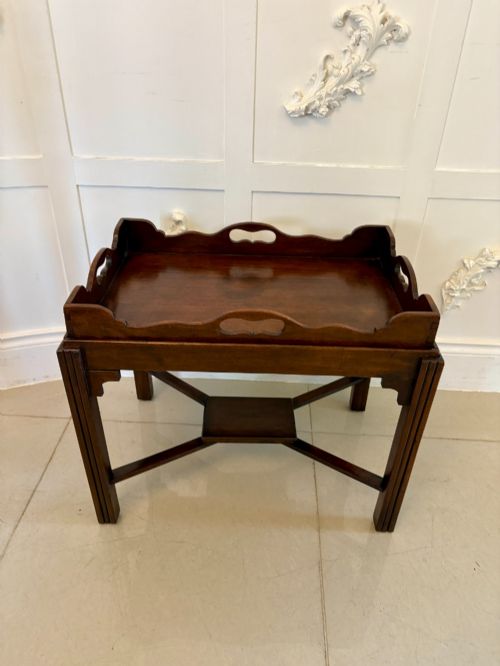
The most common forms encountered on this page include occasional tables, side tables, wine tables, nests of tables, occasional chairs, work tables, and games tables. These items accommodate changing domestic activities, providing surface space or seating where required.
Origins and styling vary significantly, encompassing Georgian, Regency, Victorian, Edwardian, Arts & Crafts, and Louis XV Revival aesthetics. Regional and international influences also appear, including Anglo-Indian, Chinese, and Burmese examples executed in native hardwoods.
How they were made
Cabinetmakers and joiners utilised primary structural timbers such as mahogany, oak, walnut, and satinwood, frequently selecting figured grains like burr walnut or pollard oak for visual impact. Secondary materials such as brass fittings, marble inserts, and ebonised wood details provide contrast and structural reinforcement.
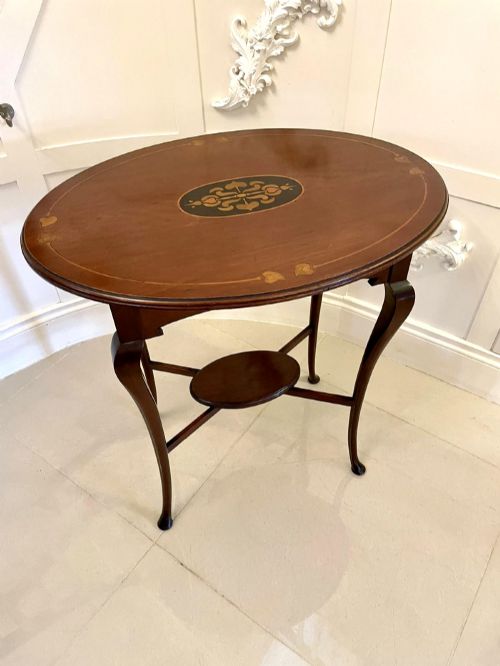
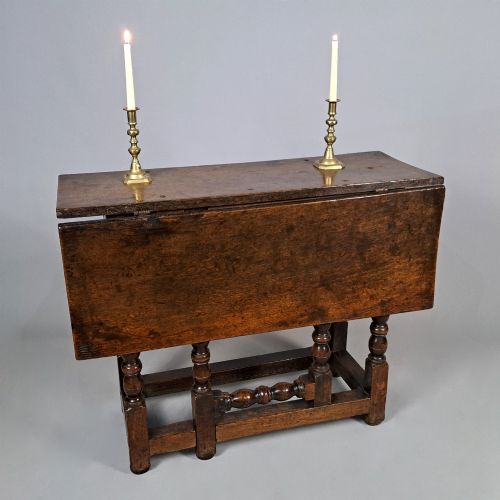
Construction techniques combined traditional joinery with decorative surface treatments including marquetry inlay, delicate carved relief work, and turned elements such as bobbin legs. Lighter materials like bamboo also appear in late 19th-century and early 20th-century pieces, reflecting evolving tastes in domestic design.
Listings feature woods spanning mahogany, oak, walnut, satinwood, teak, burr walnut, ebonised wood, and bamboo across multiple centuries.
What varies in quality
The distinction between standard domestic pieces and top-tier examples lies in the selection of timber and the execution of decorative details. Finer items exhibit superior figured veneers, precise marquetry inlay, and crisp hand-carving that remains sharp and well-defined.
Structural integrity and the cleverness of mechanical design also separate grades of manufacture, particularly in multi-functional forms like foldover card tables, envelope tables, or metamorphic items. Superior examples maintain smooth operation in moving parts alongside balanced proportions.
James Shoolbred·Francois Linke·Liberty And Co
The Antique Occasional Furniture Glossary
- Lowboy
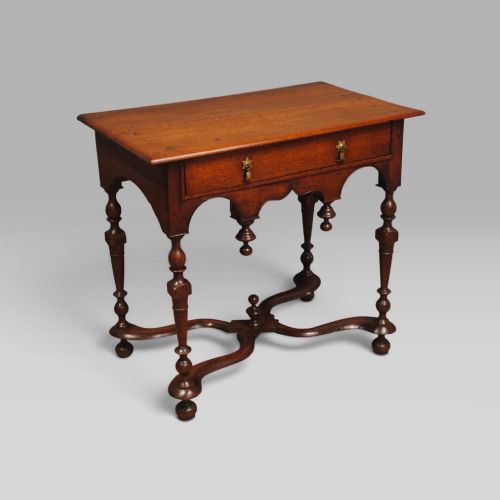
- A small dressing table or side table featuring one or more rows of drawers beneath a flat top, typically dating from the 18th century.
- Tripod table
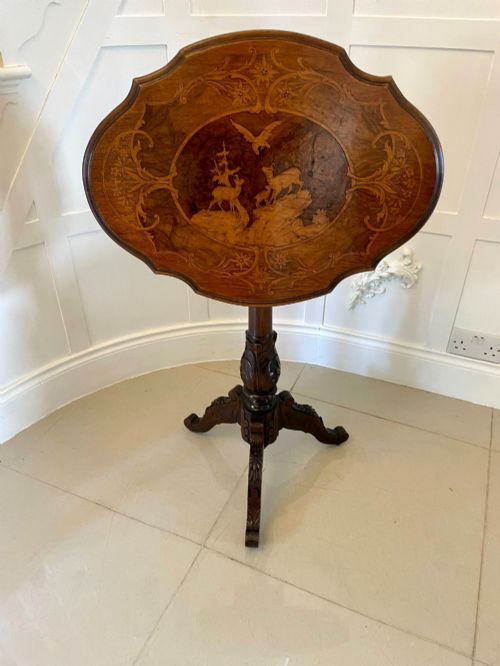
- A small occasional table supported by a central pillar resting on three spreading feet, often with a tilt-top mechanism.
- Work table
- A specialised small table equipped with drawers, bags, or compartments designed to hold sewing, needlework, or crafting materials.
- Sutherland table
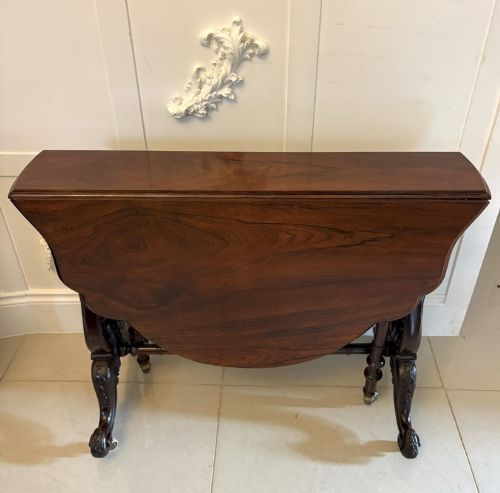
- A narrow drop-leaf table with hinged leaves that fold down nearly vertically, supported by swinging legs.
- Étagère
- A set of open shelves supported by columns or pillars, used for displaying small objects or serving as an auxiliary side table.
Antique Occasional Furniture: Frequently Asked Questions
What is occasional furniture?
Occasional furniture refers to smaller, movable pieces like side tables, tea tables, and work tables that serve specific purposes in a room as needed.
These items are designed to be easily relocated rather than remaining fixed in one permanent spot like larger cabinetry.
How do I use an antique side table?
Antique side tables and lamp tables fit well beside seating areas to hold lighting, books, or drinks in a living space.
They also function effectively in hallways or bedrooms where surface space is limited but functional utility is required.
What is a nest of tables?
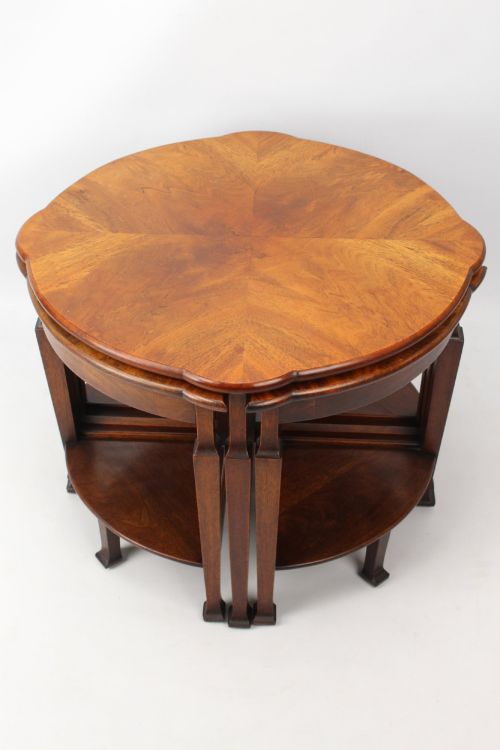
A nest of tables consists of a set of graduated tables that stack neatly beneath one another when not in use.
This form became particularly popular during the Edwardian period, offering multiple surfaces that deploy quickly for entertaining.
How do I date an occasional table?
Dating relies on examining the timber species, construction methods, hardware, and stylistic traits characteristic of periods like Georgian, Victorian, or Edwardian.
Specific design motifs, such as Arts & Crafts simplicity or Sheraton Revival satinwood inlay, provide clear chronological markers.